The US has confirmed its first human case of a flesh-eating parasite, the New World screwworm, in a Maryland resident who traveled from El Salvador. The parasite, which feeds on live tissue, is spreading in Central America and Mexico, but the risk to the US public remains low. Authorities are taking measures to prevent its entry into the US, including building a sterile fly production facility and monitoring imports.
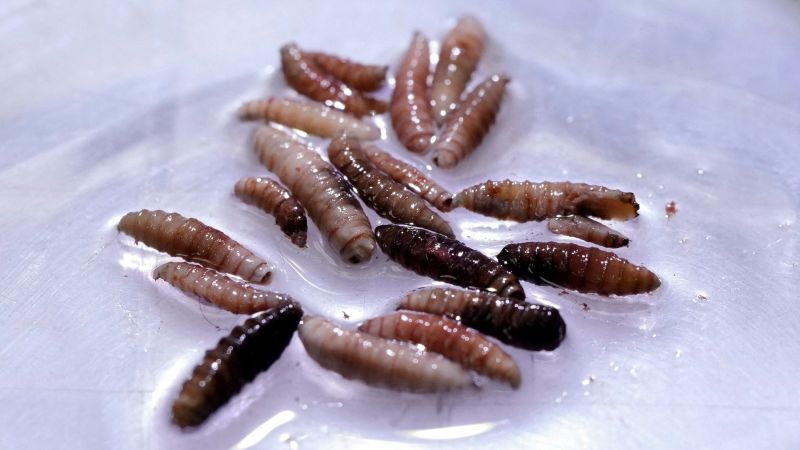
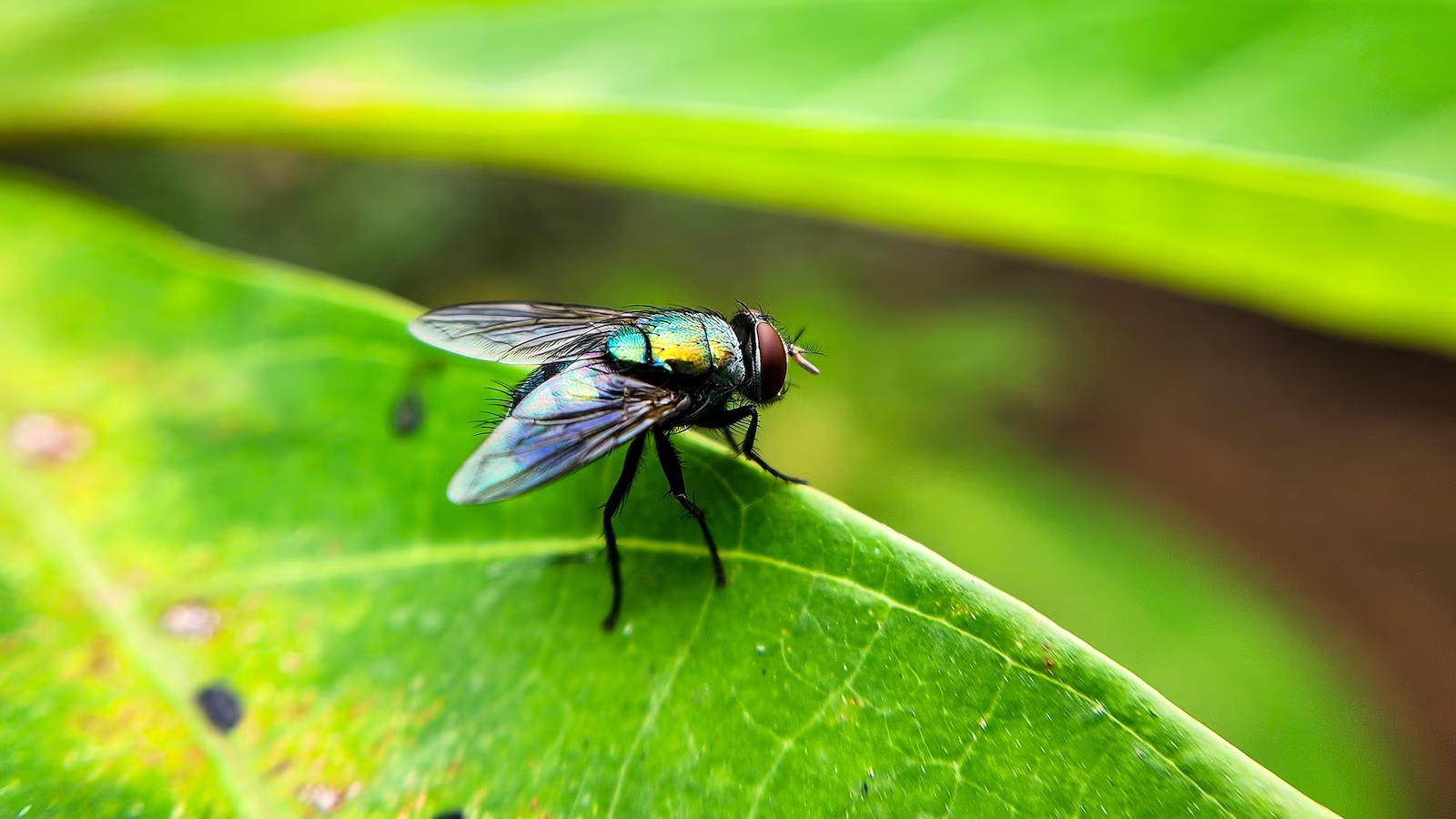
A rare travel-related case of the flesh-eating New World screwworm was identified in Maryland, marking the first such human case in the US linked to an outbreak in Central America. The parasite, which feeds on living tissue, poses a threat to animals and potentially humans, but the risk to the US public remains low. The US is taking measures to prevent further spread, including building a sterile fly production facility and enhancing surveillance.
A rapid surge of the flesh-eating screwworm fly in Chiapas, Mexico, has led ranchers to use risky home remedies like gasoline and lime on open wounds, as authorities work on a sterile fly program to control the outbreak, which threatens cattle exports and poses a risk of spreading to the U.S.
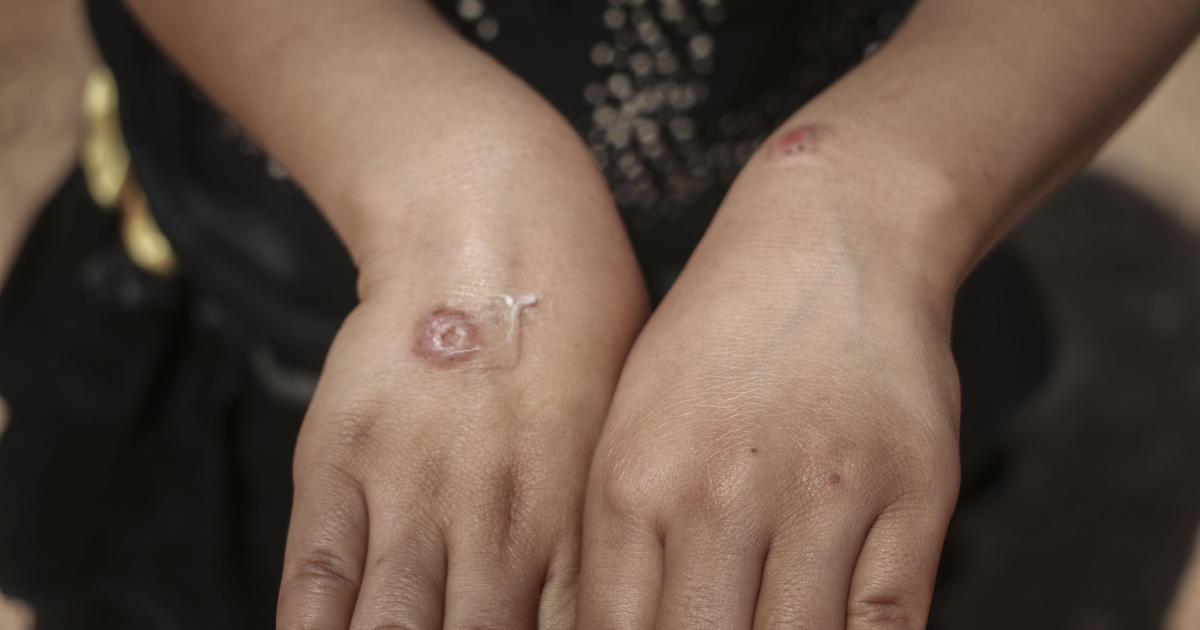
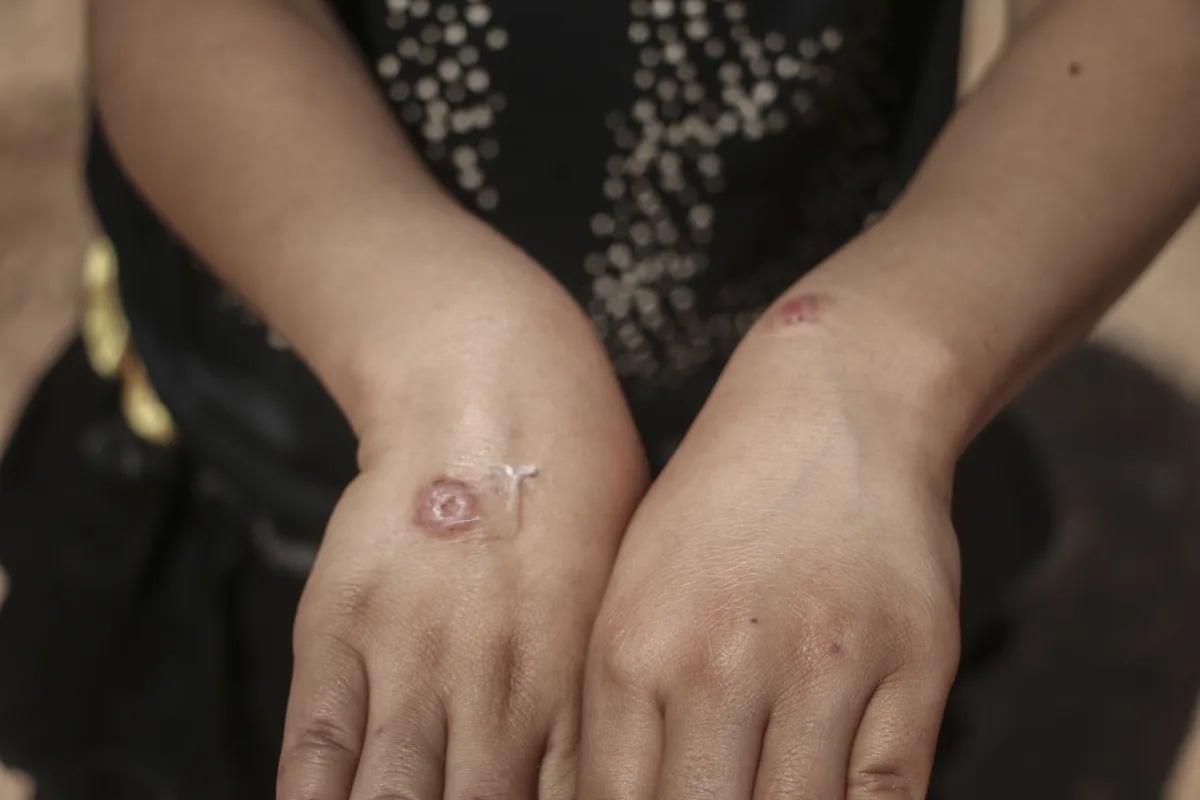
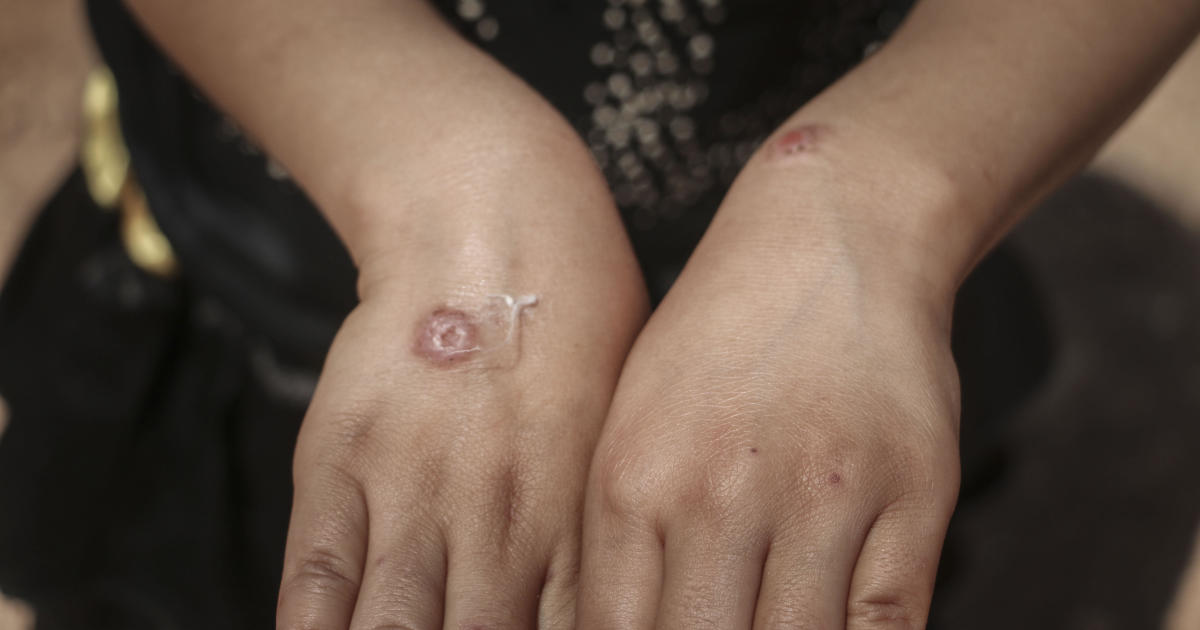
The flesh-eating parasite known as Leishmania mexicana, once thought to be a danger primarily for travelers, is now spreading locally through sand flies native to the southern United States, according to a new analysis by the Centers for Disease Control and Prevention (CDC). The parasite causes skin sores that can lead to long-term scarring, and there is "low certainty" about the effectiveness of available treatments. The parasite appears to be endemic in Texas and some southern border states, raising concerns about its spread. Additionally, there are worries that a deadlier cousin, Leishmania infantum, could also gain a foothold in the U.S., particularly through dogs.
The flesh-eating parasite known as Leishmania mexicana, once thought to be a danger primarily for travelers, is now spreading locally through sand flies native to the southern United States, according to a new analysis by the Centers for Disease Control and Prevention (CDC). The parasite causes skin sores that can lead to long-term scarring, and there is "low certainty" about the effectiveness of available treatments. Leishmaniasis, caused by the parasite, is now considered endemic in Texas and some southern border states. The discovery raises concerns about the spread of a deadlier cousin, Leishmania infantum, which causes a more severe form of the disease called visceral leishmaniasis.
The flesh-eating parasite known as Leishmania mexicana, once thought to be a danger primarily for travelers, is now spreading locally through sand flies in the southern United States, according to a new analysis by the Centers for Disease Control and Prevention (CDC). The parasite causes skin sores that can lead to long-term scarring, and there is "low certainty" about the effectiveness of available treatments. The parasite appears to be endemic in Texas and some southern border states, raising concerns about its spread. Additionally, there are worries that a deadlier cousin, Leishmania infantum, could also gain a foothold in the U.S., particularly through dogs.