Shannon Fairweather reflects on her surprising elimination from Survivor 49, her complex relationship with Sage, the confusing handshake moment, and her strategic decisions, emphasizing her sincerity and emotional connections during the game.
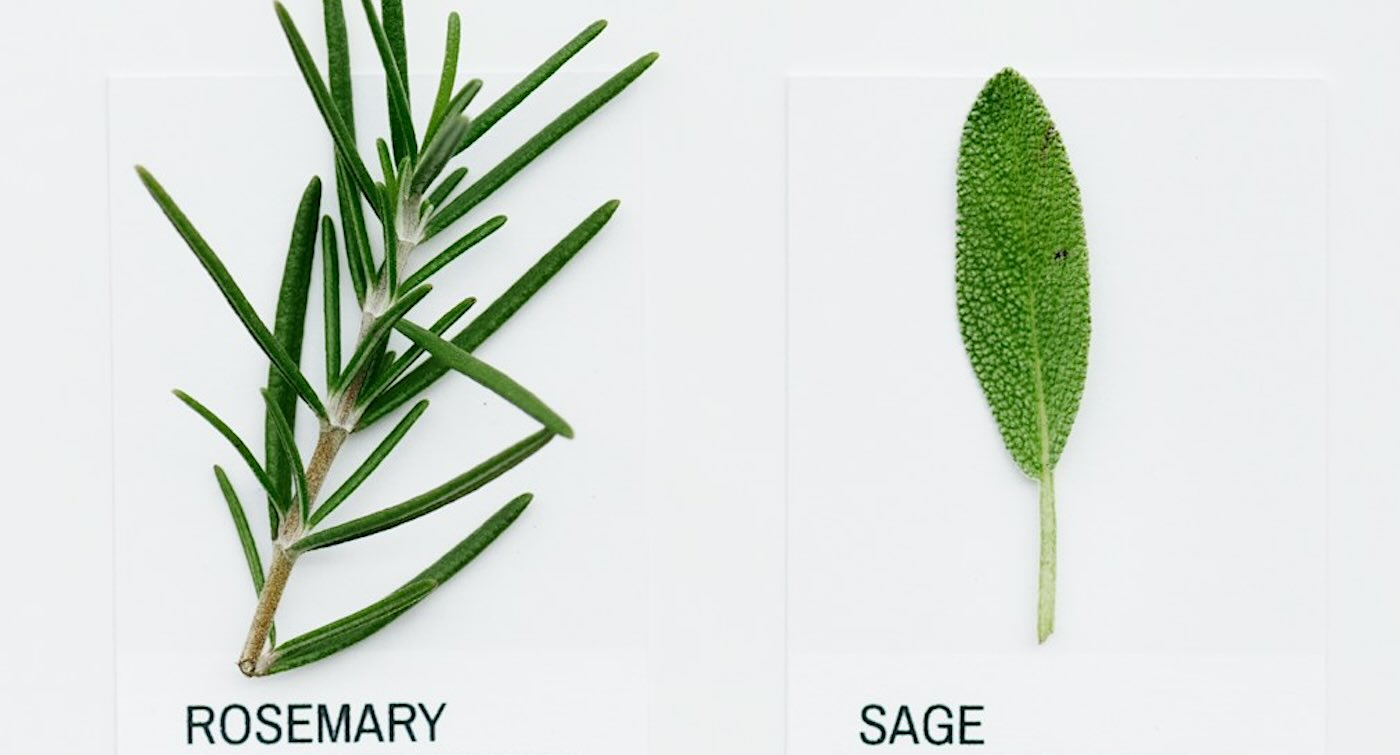
A study highlights that compounds in common herbs like rosemary and sage, particularly carnosic acid, may help slow Alzheimer's progression by reducing inflammation and oxidative stress, with promising results in mouse models. However, more human research is needed before these herbs or derived compounds can be recommended for treatment.
Researchers have identified a compound called carnosic acid in rosemary and sage that shows promise in improving brain health and reducing inflammation in mice with Alzheimer's-like disease, but more research is needed before it can be used as a treatment in humans, and consuming herbs won't provide the same benefits as the drug.
Researchers at Scripps have developed a stable form of a compound found in rosemary and sage, called diAcCA, which has shown promising results in mice by improving memory, increasing synapse density, and reducing Alzheimer's disease biomarkers through its anti-inflammatory and antioxidant effects, potentially paving the way for new treatments.
WHO's Strategic Advisory Group of Experts on Immunization (SAGE) has updated its roadmap for prioritizing the use of COVID-19 vaccines, taking into account the impact of Omicron and high population-level immunity due to infection and vaccination. The roadmap continues to prioritize protecting populations at the greatest risk of death and severe disease from SARS-CoV-2 infection and maintaining resilient health systems. SAGE recommends an additional booster for high priority groups, including older adults, younger adults with significant comorbidities, people with immunocompromising conditions, pregnant persons, and frontline health workers. The medium priority group includes healthy adults and children and adolescents with comorbidities, while the low priority group includes healthy children and adolescents aged 6 months to 17 years. SAGE urges countries to base their decisions on contextual factors such as disease burden, cost-effectiveness, and other health or programmatic priorities and opportunity costs.