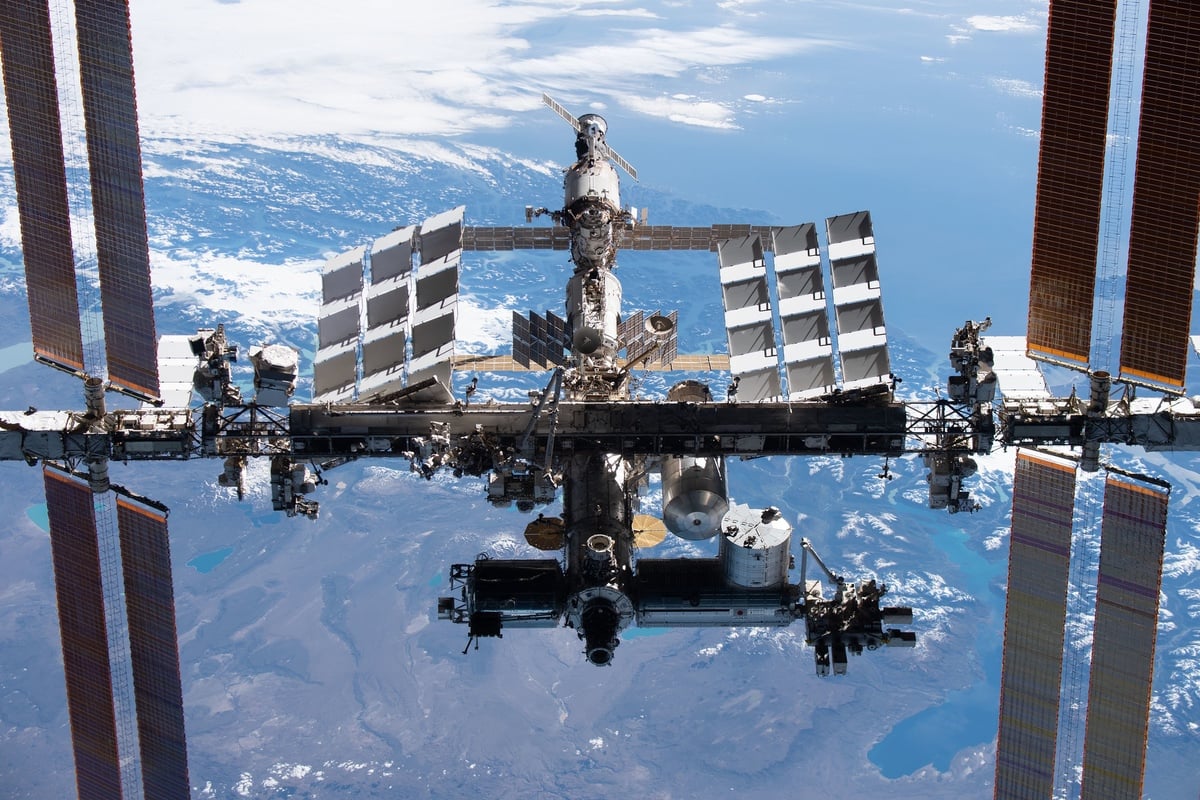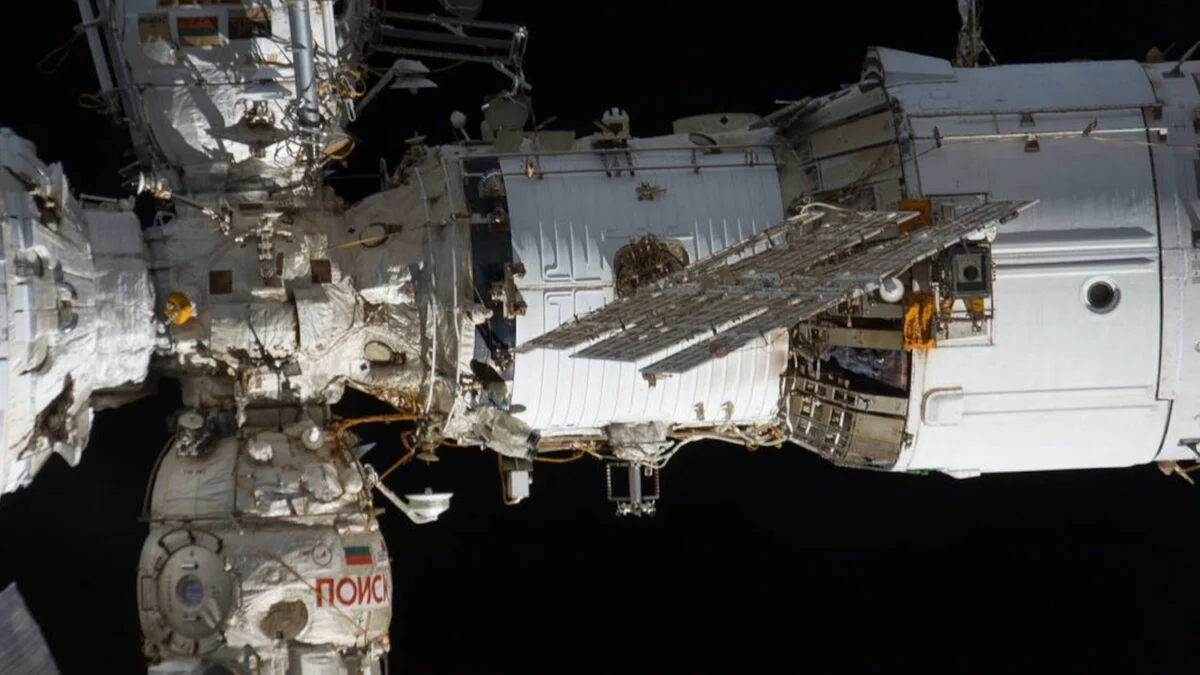
The Russian segment of the International Space Station continues to leak air despite multiple repair attempts, with the leak rate doubling over six years. Roscosmos and NASA are still working to find a permanent fix, and if unsuccessful, they may consider sealing off the Russian module entirely, which would reduce docking options but allow the station to operate normally.
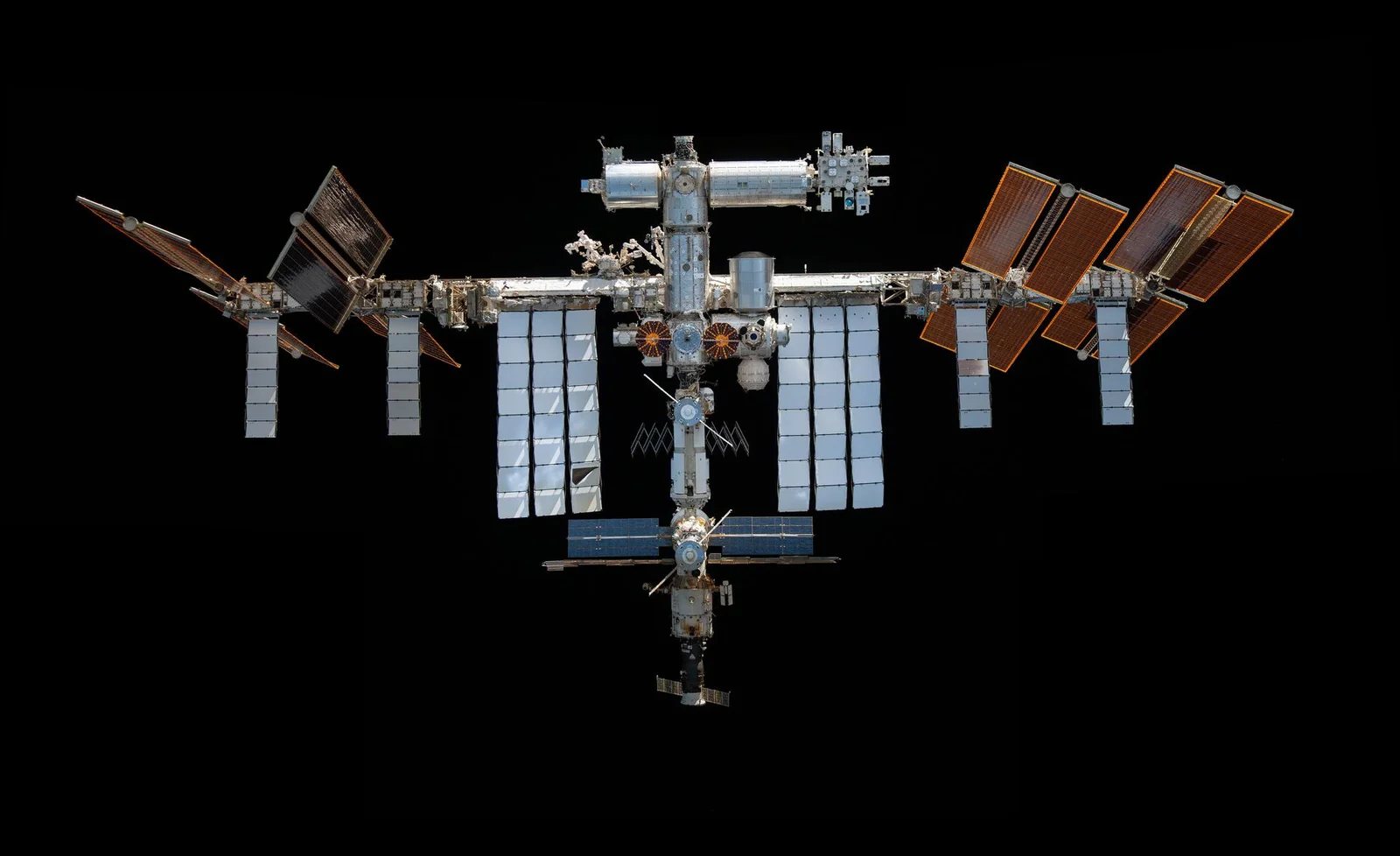
A Russian module on the International Space Station continues to have an air leak despite recent repair efforts, indicating the problem persists and ongoing concerns for station safety.
A private astronaut mission to the ISS, Ax-4, launched amid ongoing concerns about a leak in the Russian module that may threaten the station's air supply, with US and Russian agencies investigating the issue.
NASA has delayed a mission due to an unidentified leak on the ISS, raising concerns about potential structural failure, especially in the aging Russian Zvezda module, amid ongoing repairs and monitoring.
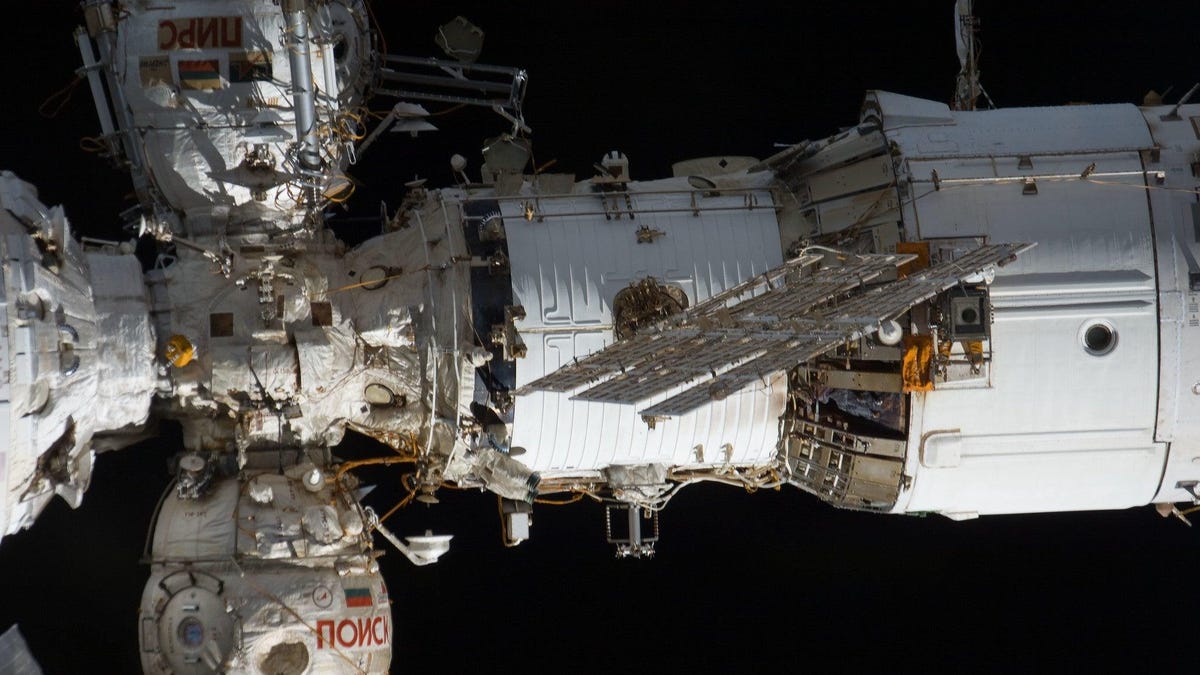
NASA is monitoring a growing air leak on the Russian module of the International Space Station, with the rate of leakage doubling over the past four years. The leak, located in the Zvezda service module, poses no immediate threat to the astronauts on board, according to both NASA and the Russian space agency Roscosmos. This is not the only issue with Russian hardware on the ISS, as recent incidents involving leaks from Soyuz spacecraft and a Progress freighter have raised concerns about potential manufacturing defects. Despite these challenges, the ISS continues to house astronauts conducting research in the microgravity environment, with plans for retirement and deorbiting in 2030.
Air is leaking from the aft end of a Russian module on the International Space Station, but NASA assures that it has no impact on crew safety or vehicle operations. The leak, which is about three feet in length, has been increasing in volume and is being addressed in collaboration with Russian colleagues. This is not the first time leaks in this part of the Russian service module have had to be repaired, and recent leaks from Russian hardware have caused disruptions to ISS operations. Experts suggest that Russia's war on Ukraine has damaged cooperation in space, with Russia signaling its intention to develop its own space station and leave the ISS after 2028.
NASA is monitoring an increased air leak in the Russian Zvezda service module on the International Space Station, which has doubled in magnitude to more than 0.9 kilograms of air lost per day. The leak, first detected in 2019, does not currently pose a safety risk, but NASA and Roscosmos are working on next steps to address it, including potential access to the vestibule and ways to study the leak. The leak has been extensively analyzed, and while it is manageable, ongoing investigations aim to understand and mitigate its implications for the space station.