NVIDIA has shifted its production focus to the next-generation GeForce RTX 50 "Blackwell" GPUs, marking the end of the RTX 40 "Ada" series production. The RTX 50 series is set to launch in January, with the RTX 5090, 5080, and 5070 models leading the lineup. As production transitions, the RTX 40 series will see inventory clearance and limited supply. NVIDIA's board partners are preparing for the new lineup, with engineering samples already in evaluation. The official unveiling is expected at CES 2025.
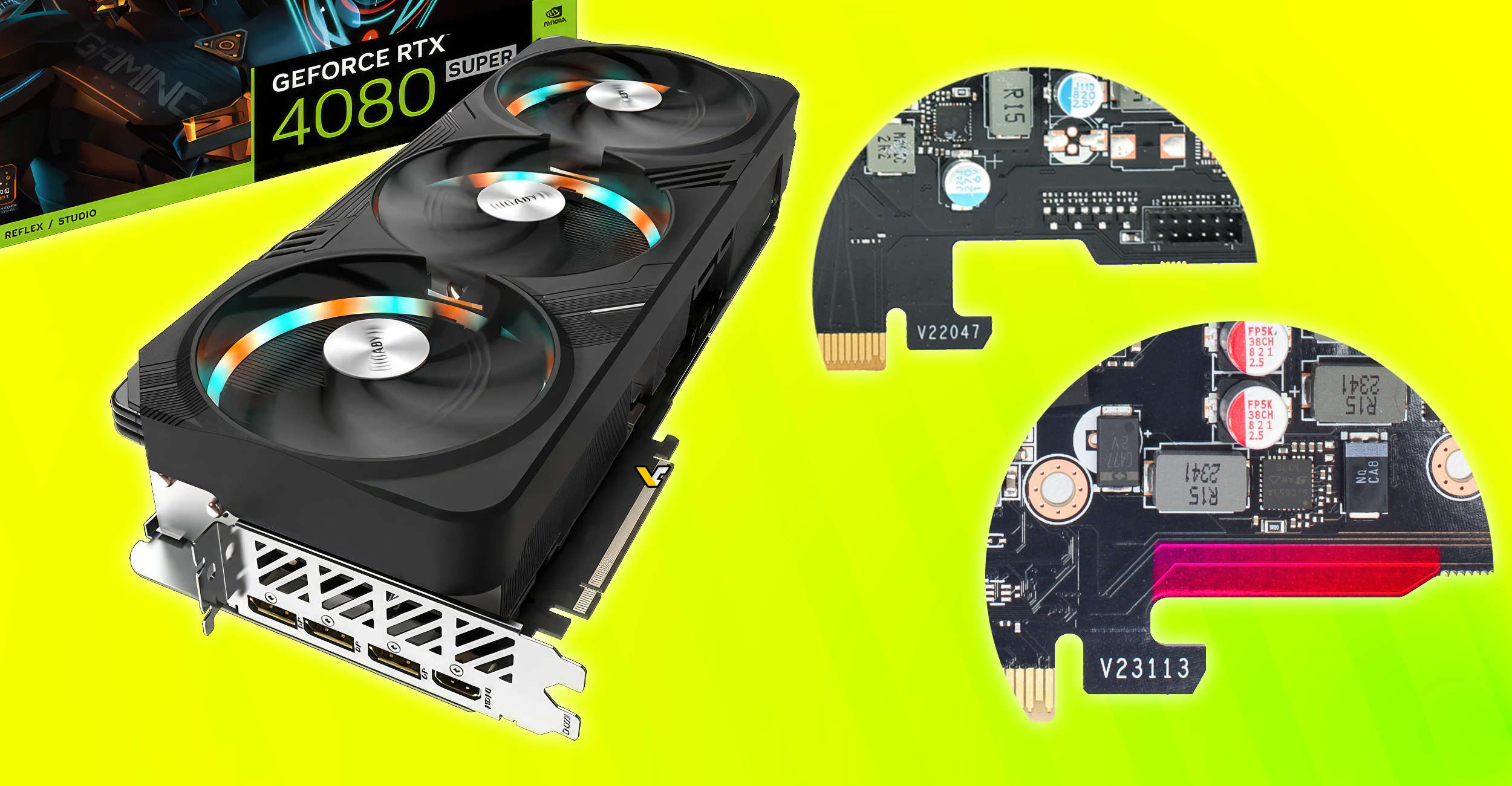
Gigabyte has updated the PCB design for its RTX 4080/4090 Gaming GPUs to address cracking issues, with the latest revision featuring a stronger PCB around the connector area to reduce the likelihood of cracking. This update comes in response to reports of PCB cracking in some RTX 30 and 40 graphics cards, which could damage signal paths and render the GPU unusable. The design change aims to strengthen the cards and limit potential cracking in the future.
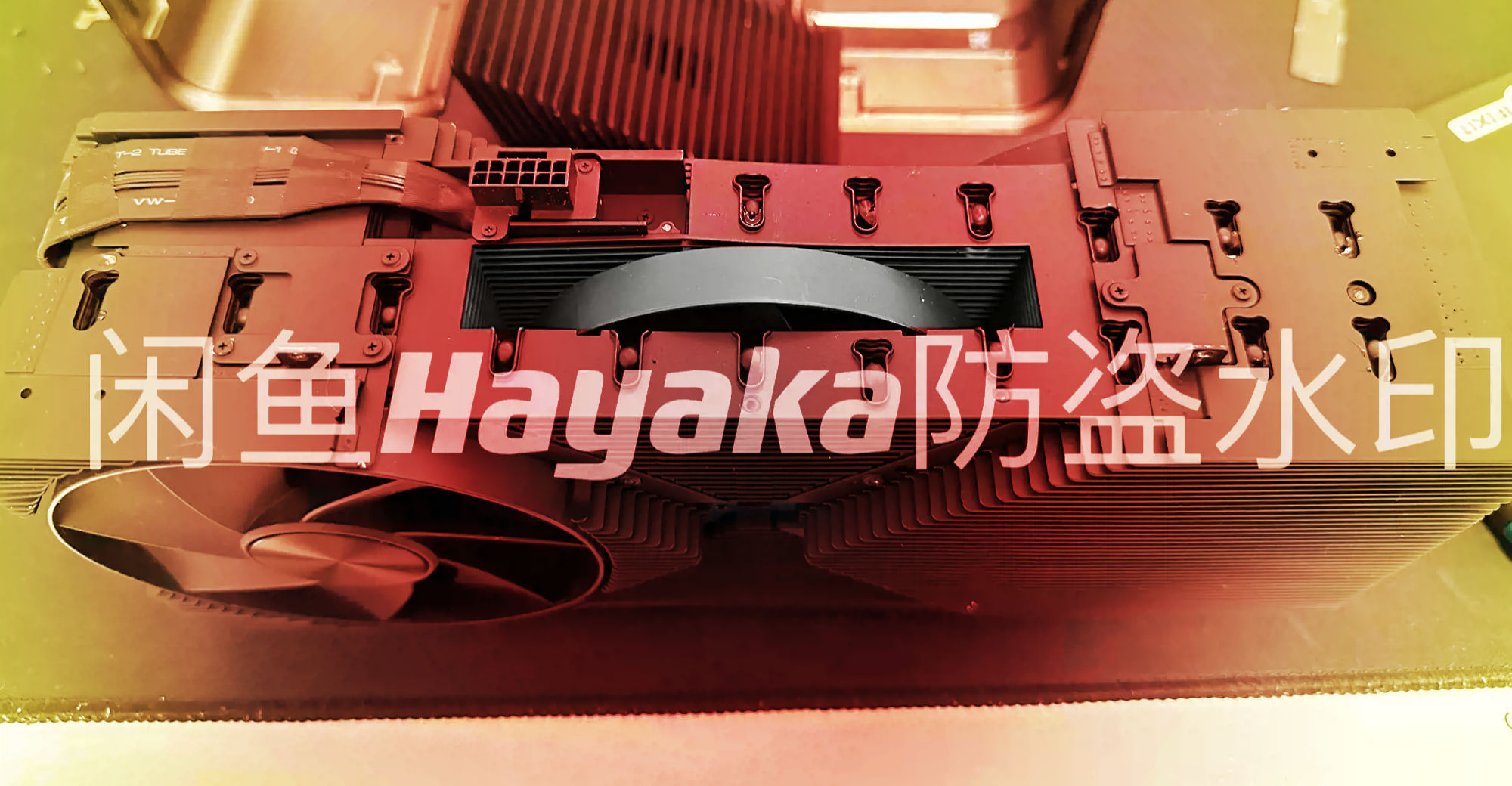
NVIDIA had initially planned to introduce a quad-slot cooling design for its RTX 40 series GPUs, but eventually abandoned the idea. Various prototypes of the cooling system have been shared, revealing a PCB mounted at a 90-degree angle and a triple-fan setup with a hidden fan inside the heatsink. The latest leaked photos suggest that the individual possesses most of the cooling solution, although the PCB part has not been disclosed yet. Rumors have circulated about the cancellation of the RTX 4090 Ti graphics card, but no mention has been made regarding the TITAN ADA model.
Several Gigabyte RTX 30 & RTX 40 GPUs are facing widespread PCB cracking incidents, leading to damage to PCIe lanes inside the GPU, preventing data transfer & ultimately leading to a useless GPU. Gigabyte rejected RMA requests, citing physical damage, and isn't addressing the problem. Experts have compiled a guide to repair the cracks, but it is advised to seek help from a professional. The company should address the issue, considering it is limited to the vendor.
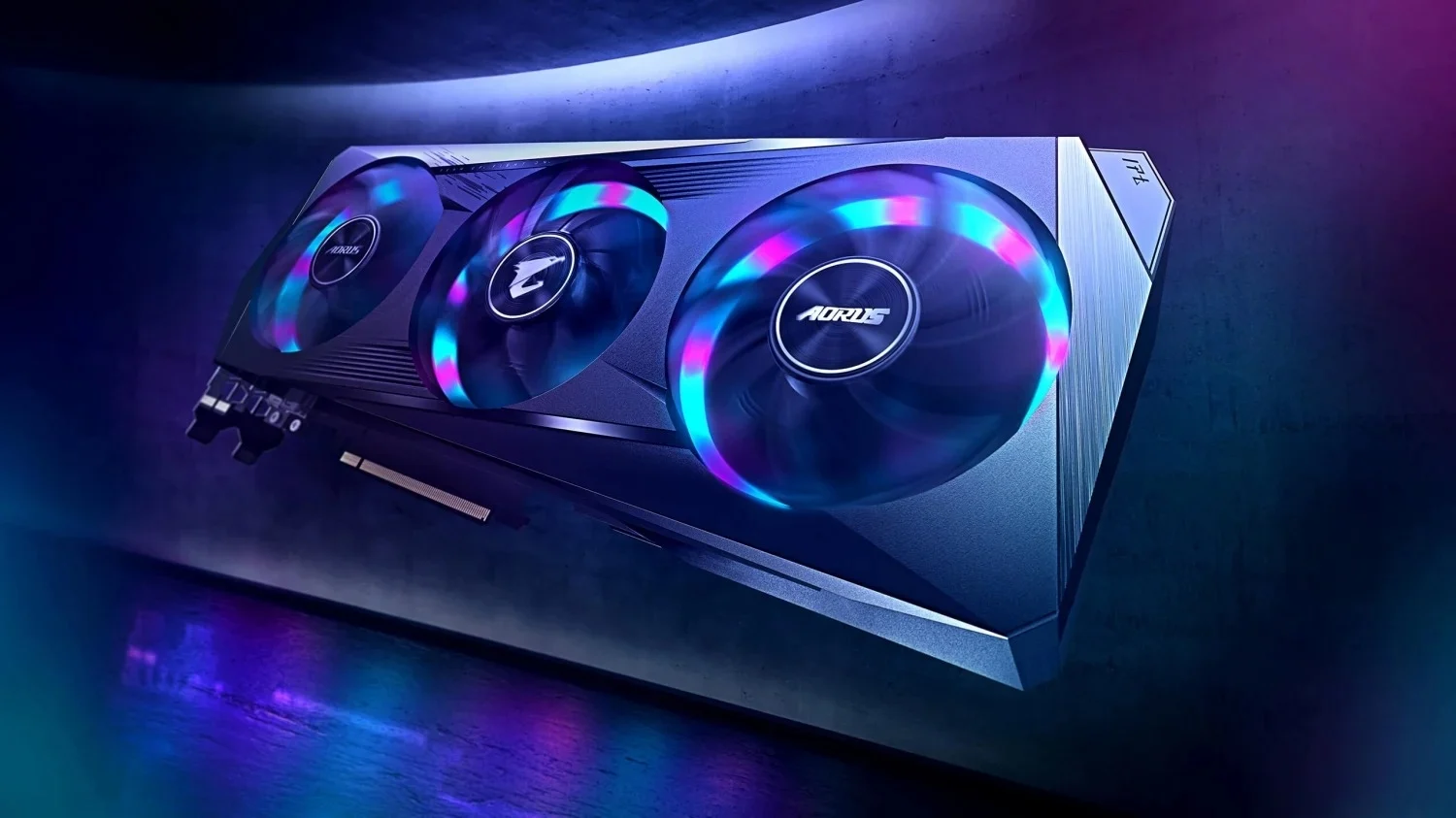
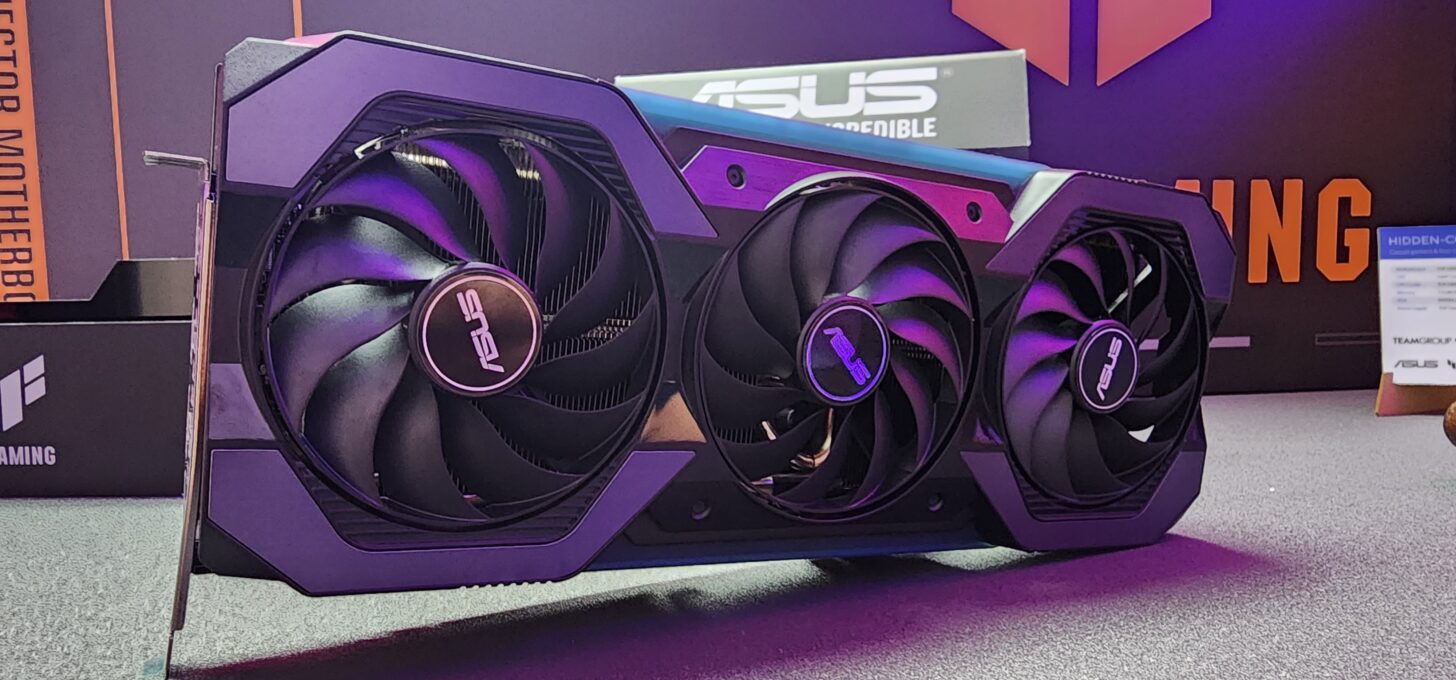
ASUS is reportedly developing a new line of RTX 40 GPUs that will not require traditional power connectors. Instead, the GPUs will rely on a proprietary interface that draws all power from the motherboard. The company showcased a concept RTX 4070 board with a triple-fan, 2.3-slot design and a new power delivery solution rated to deliver up to 600 W. The new connector is sufficient for even the most power-hungry cards like the RTX 4090. The motherboard and GPU will be more expensive than current offerings due to the extra manufacturing costs associated with the new designs.
NVIDIA is limiting the production of its RTX 40 series GPUs, likely due to ample RTX 30 series graphics cards in the channel inventory, to prevent the prices of the RTX 30 series from dropping below their MSRP. Ironically, the RTX 40 series graphics cards have already dropped below their MSRPs as several board partner variants flood the market. Most of AMD's Radeon RX 6000 series GPUs, including the RX 6950 XT, are down to their lowest prices ever.