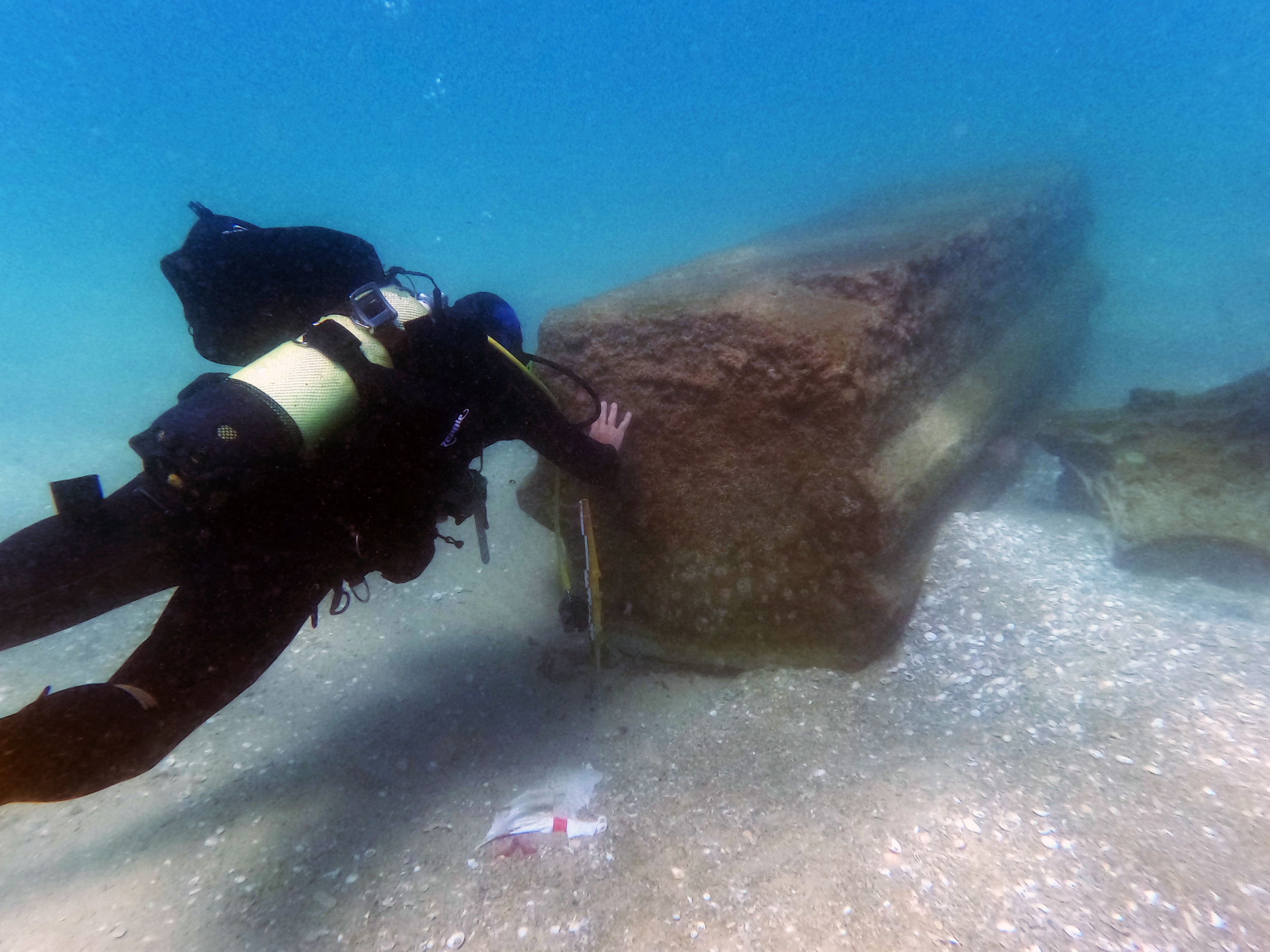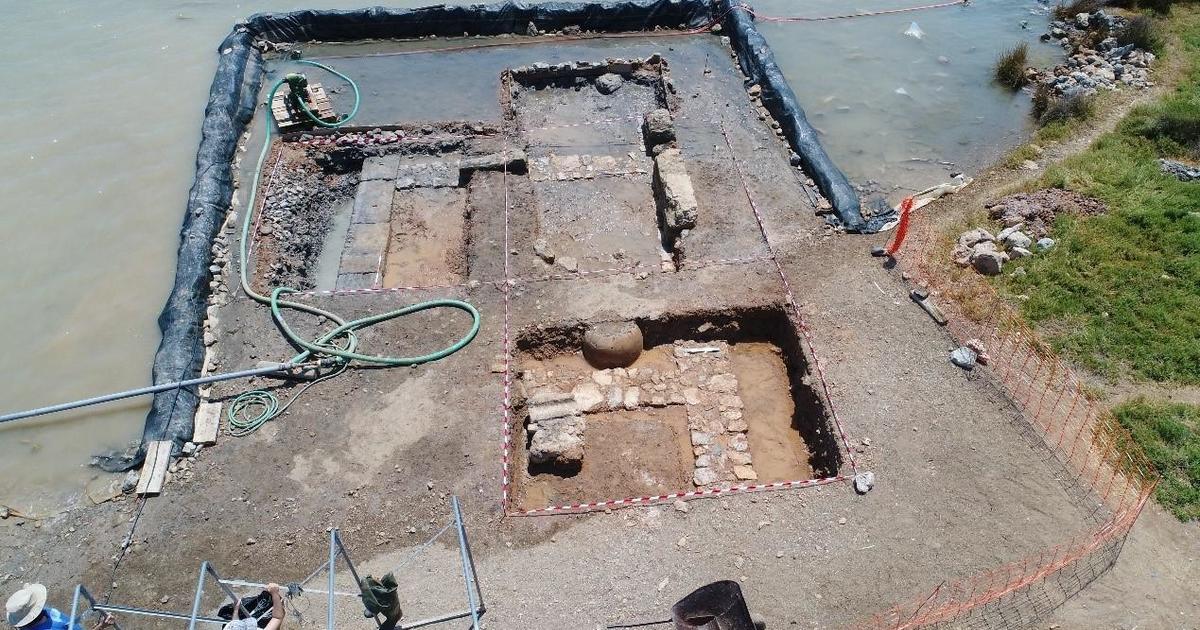
Archaeologists exploring the sunken city of Salamis off the coast of Greece have discovered a partially submerged building believed to be a massive public building from the 4th century B.C. The underwater excavation project also uncovered a variety of marble treasures, including bronze coins, vases, and fragments of ceramic pieces dating back to the Classical-Hellenistic period. The findings provide valuable insights into the topography and residential organization of the ancient city, shedding light on its historical significance.
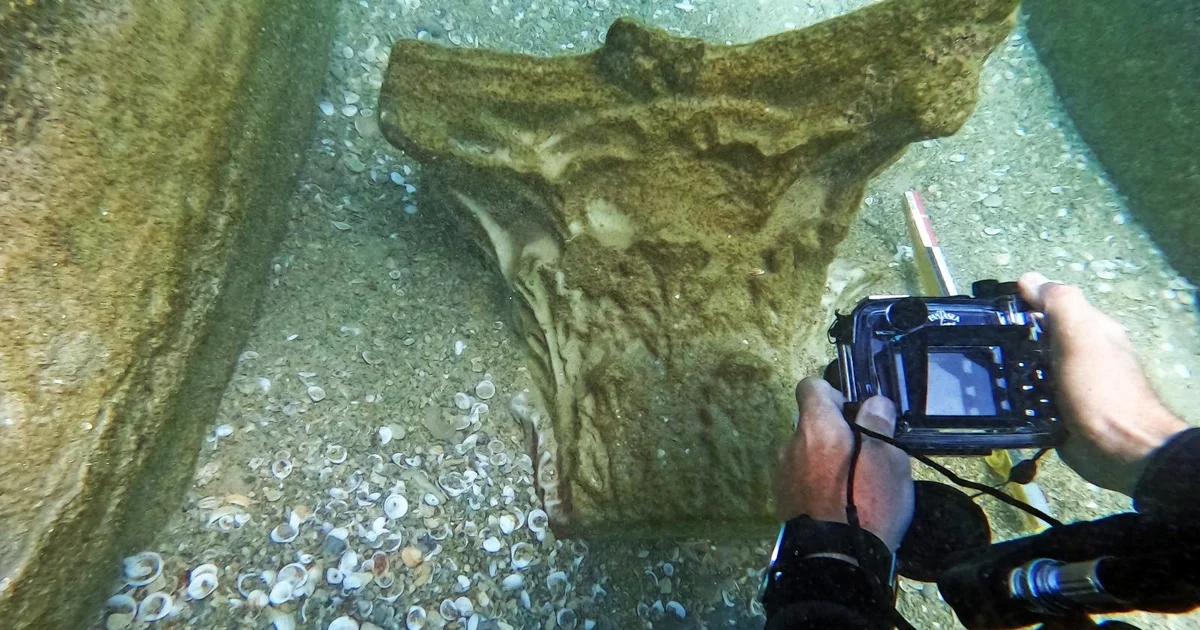
A diver off the coast of Israel discovered an 1,800-year-old shipwreck with rare marble artifacts, including Corinthian column heads and a huge marble architrave. The artifacts are the oldest sea cargo of its kind known in the Eastern Mediterranean and were likely destined for a public building such as a temple or theatre. The items were partially worked, indicating they were transported in a partially carved form and finished at the destination. The artifacts likely came from the Aegean or Black Sea regions in Turkey or Greece. The discovery has helped resolve a major debate among experts about the origin of architectural elements.
A 1,800-year-old shipwreck carrying approximately 44 tons of Roman-period marble architectural pieces has been discovered in shallow waters off the coast of Israel. The cargo is the oldest of its kind yet discovered in the eastern Mediterranean Sea and may have been intended for a public building. The ship was probably destined for a port along the coast of the southern Levant but ran into trouble en route, likely due to a storm. The discovery sheds light on the use of marble in construction during this period and the IAA plans to conduct further investigations of the site in the coming weeks.