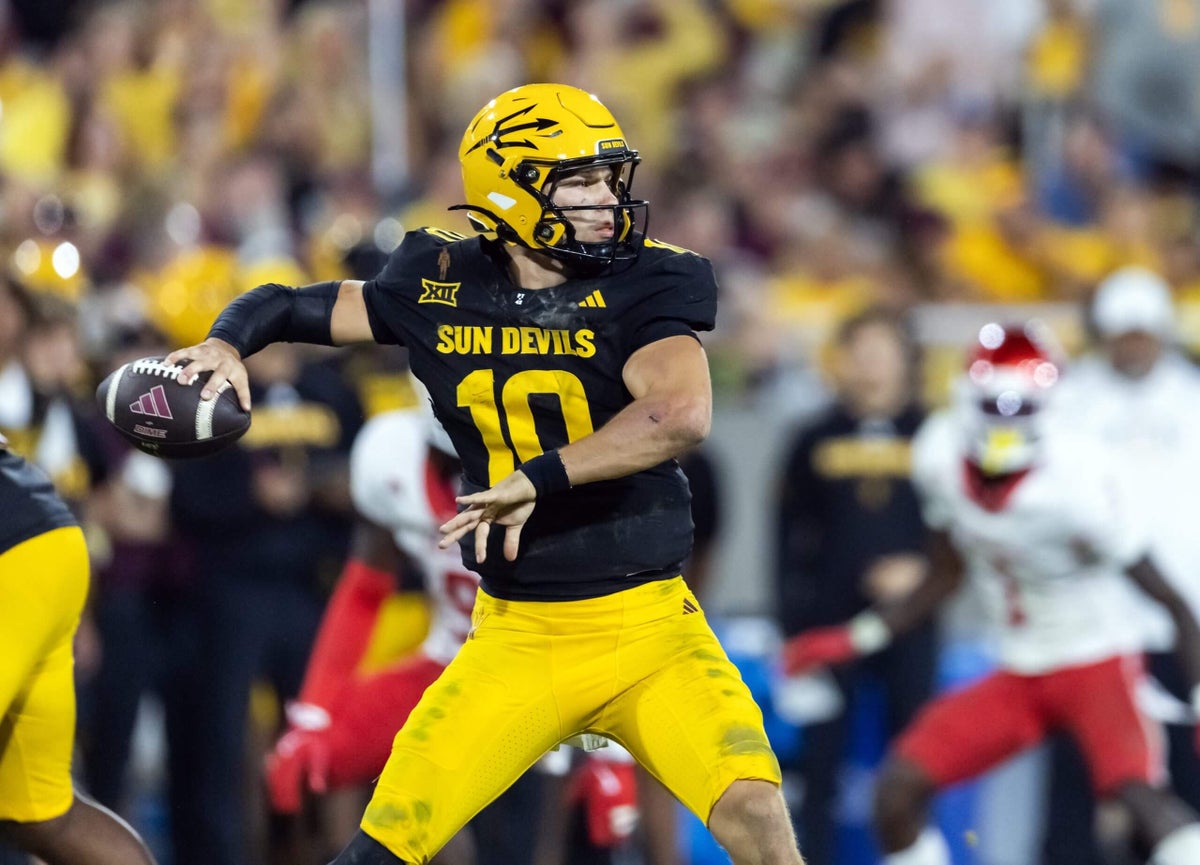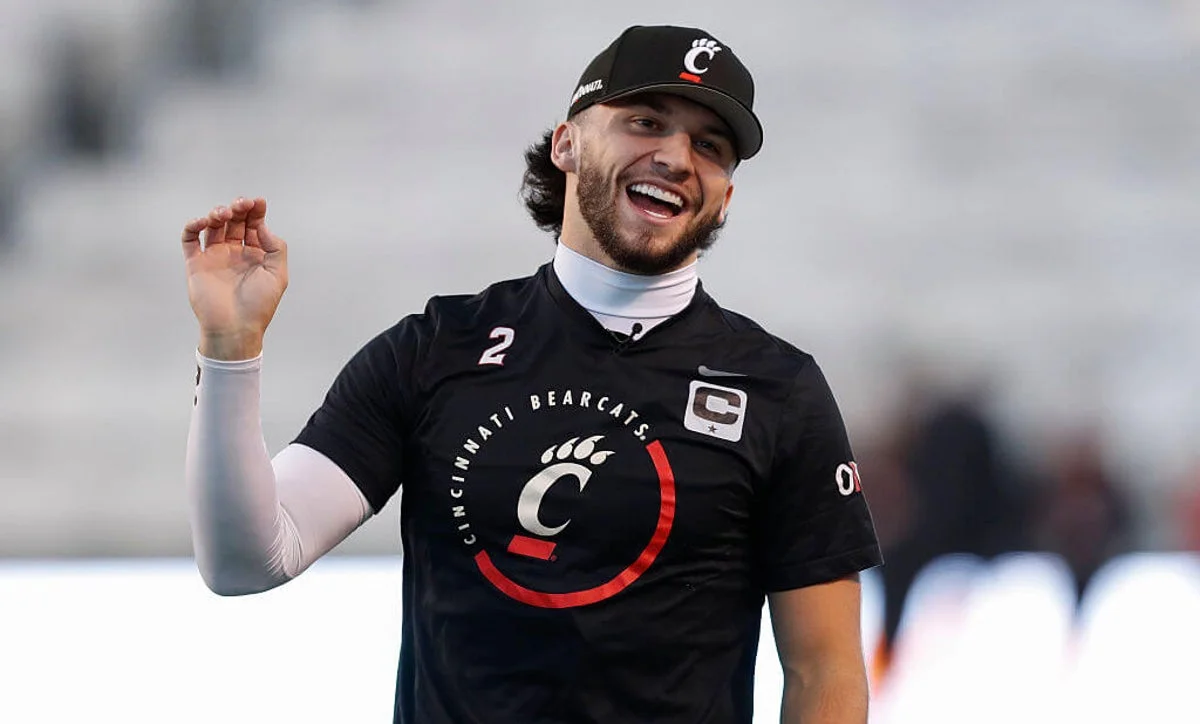
The article discusses the rising costs of college football transfers in the NIL and revenue-sharing era, with quarterbacks and offensive linemen among the highest-paid, and transfer costs varying significantly between Power 4 and Group of 5 schools, often reaching into the millions for top-tier players.
Despite the implementation of a new spending cap and oversight measures for college football, schools are already exceeding limits through various workarounds, with player salaries and NIL deals reaching new heights, indicating that the 'market correction' promised by regulators is not yet materializing.
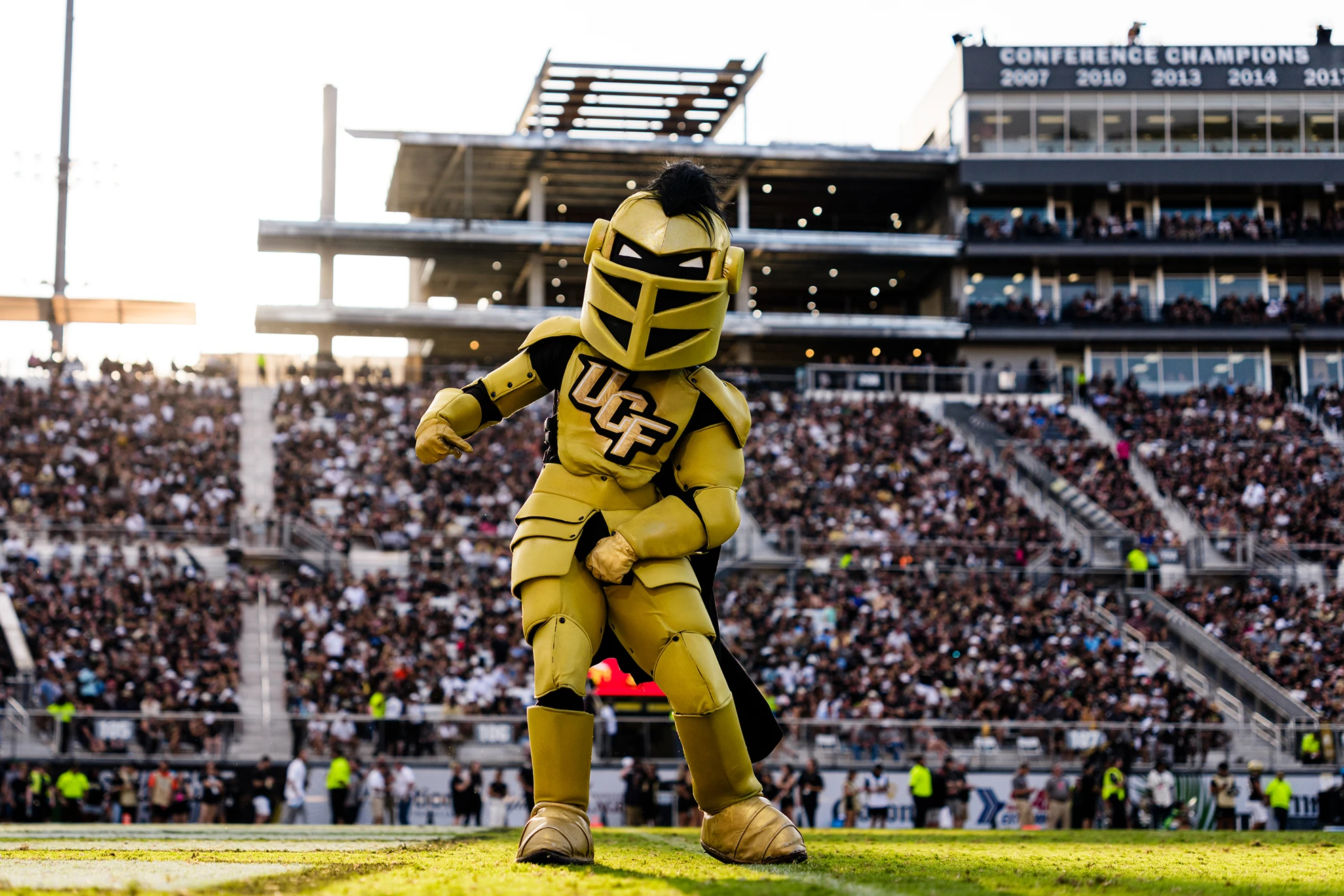
UCF Athletics announces full funding of the revenue share and NIL opportunities for student-athletes, supported by donations and partnerships, with a call for local businesses to join in expanding NIL collaborations and supporting the university's athletic programs.
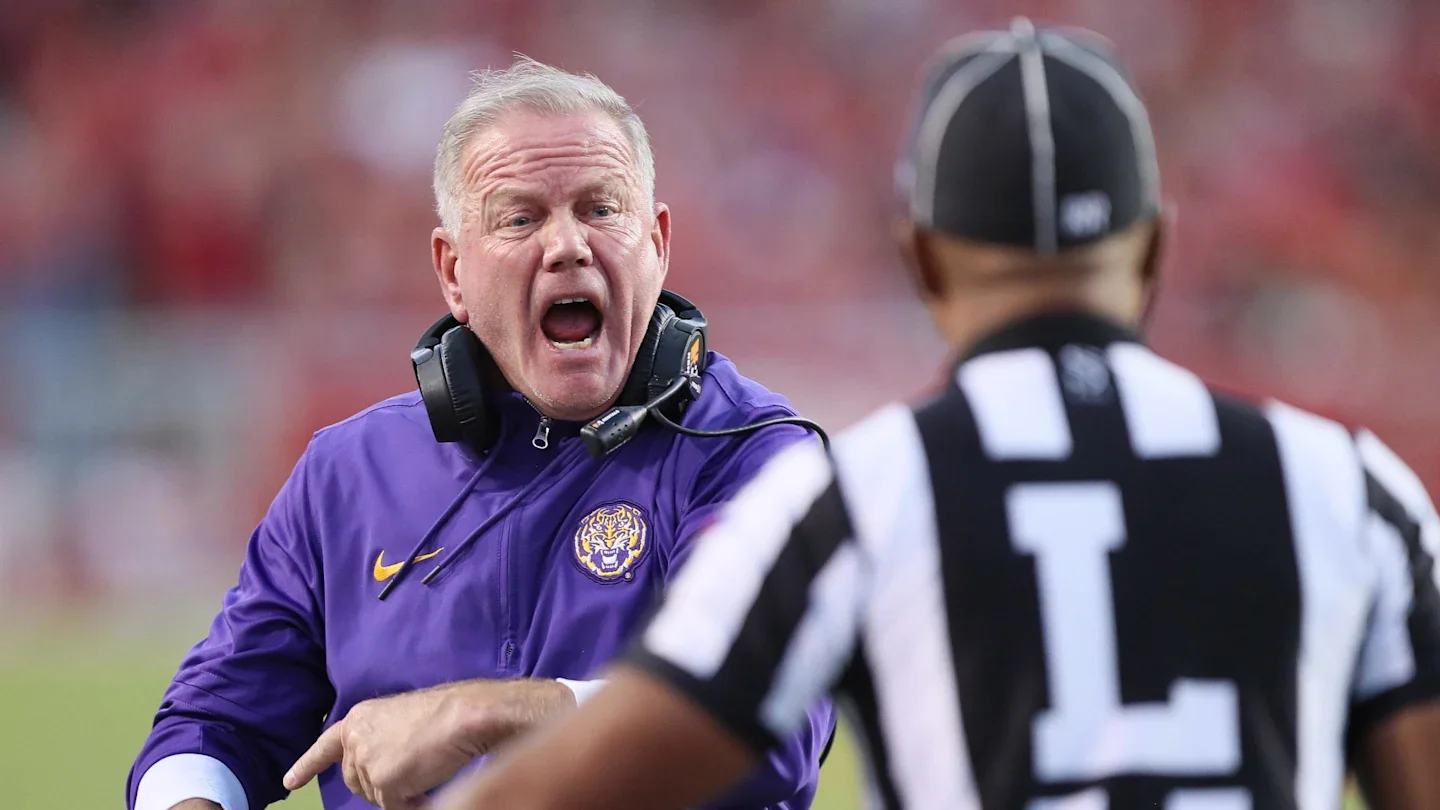
The article discusses the chaotic and costly cycle of coaching changes in college football, highlighting how massive buyouts and bidding wars are straining athletic department budgets, especially affecting revenue-sharing and other sports like basketball, with schools facing tough choices about resource allocation amid uncertain enforcement of spending caps.
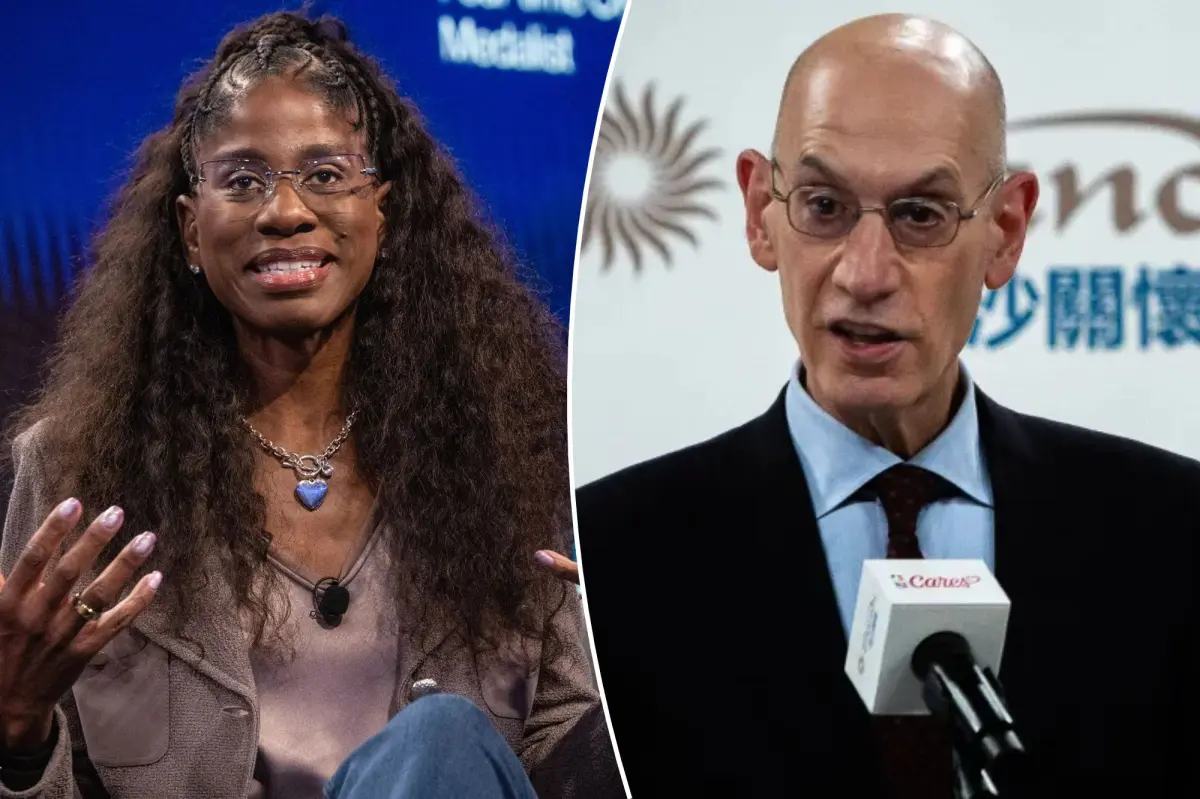
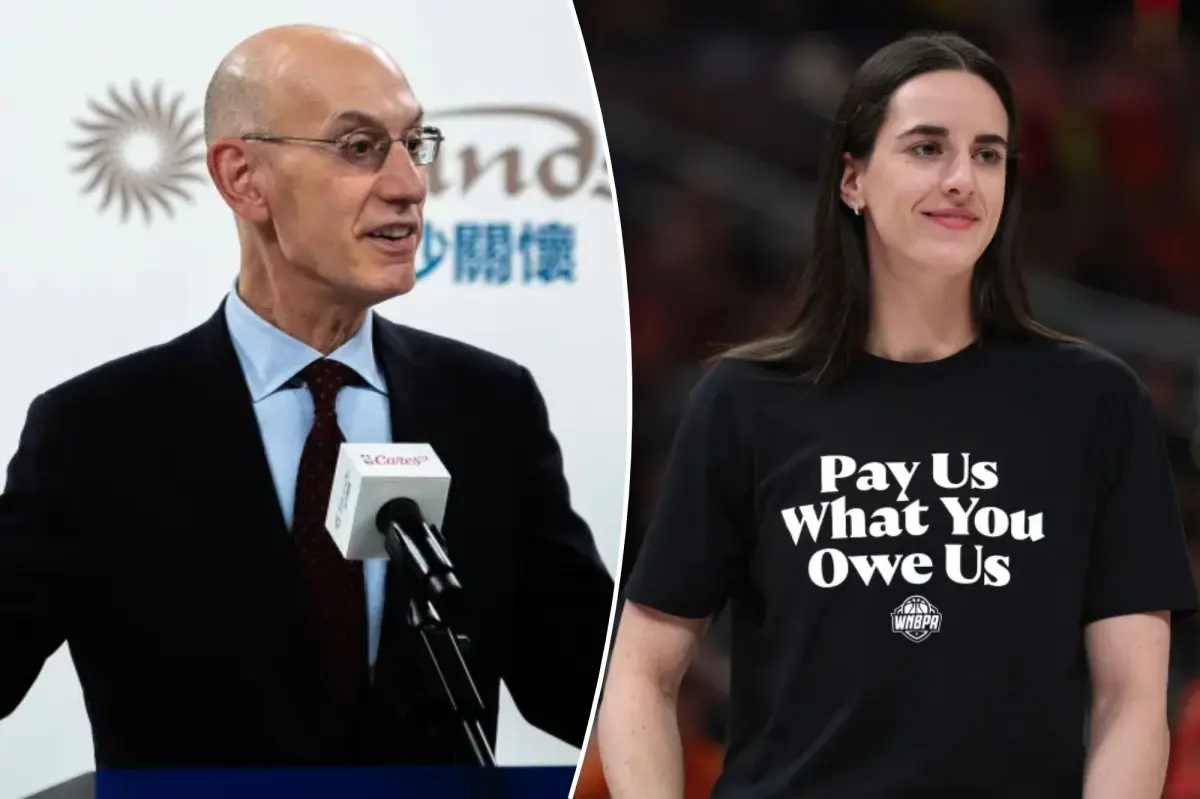
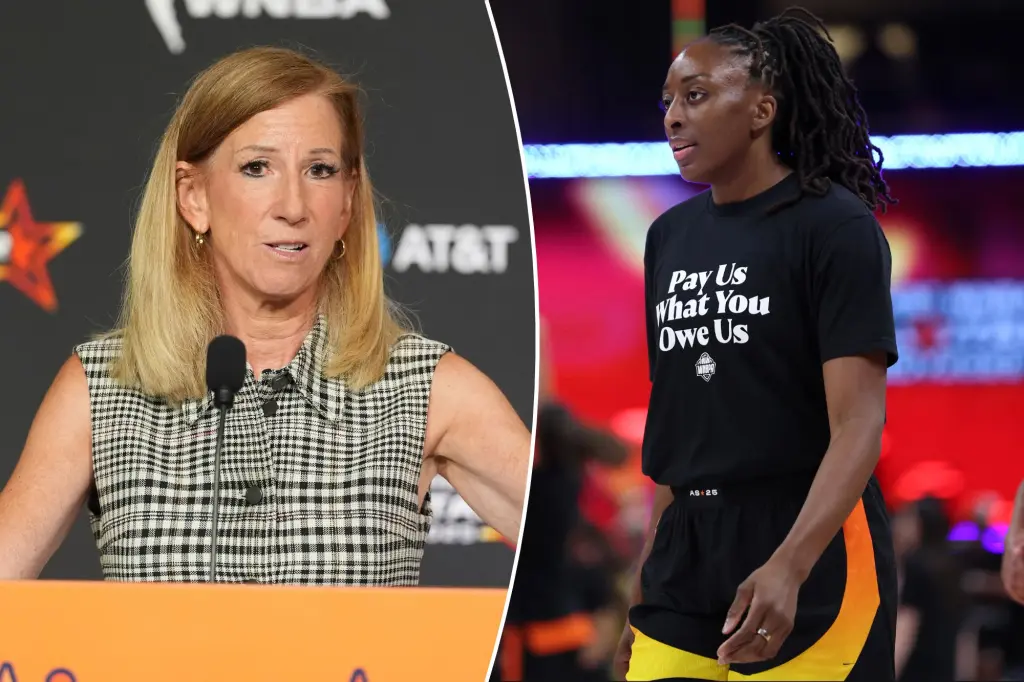
The WNBA and the Women's National Basketball Players Association are at odds over a new collective bargaining agreement, with players demanding a revenue-sharing model linked to league growth and higher salaries, while the league offers a different proposal. Tensions have escalated with fiery exchanges, and negotiations are ongoing as the current CBA expires at the end of October, potentially requiring an extension to avoid season delays.
NBA Commissioner Adam Silver indicated that WNBA players will see a significant pay increase in the upcoming collective bargaining agreement but dismissed their push for a larger revenue share, emphasizing absolute earnings over revenue percentage. The WNBA's current CBA is set to expire, with negotiations ongoing for a new deal that aims to address salaries, revenue sharing, and benefits amid rising league popularity and record-breaking attendance and ratings.
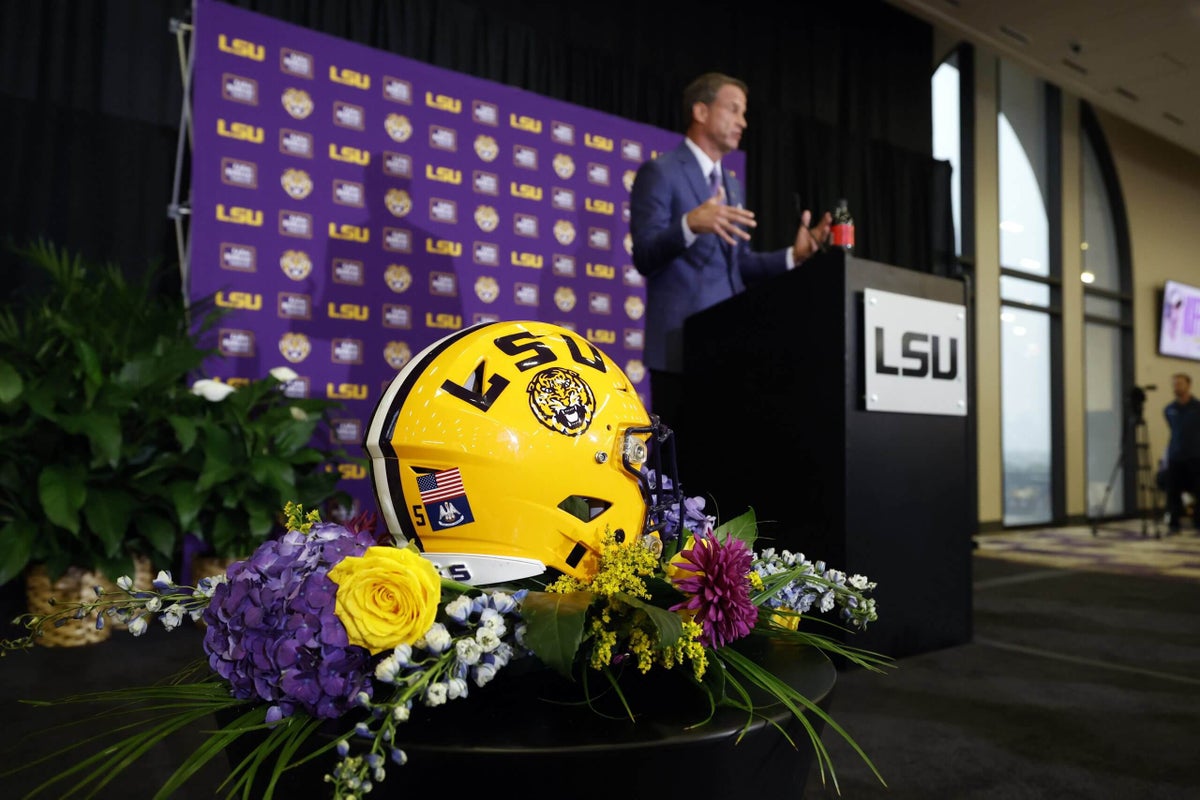
A legal settlement is transforming college athletics by allowing Division I schools to pay student-athletes for their name, image, and likeness, starting with $20.5 million in the first year and increasing annually. This shift also involves distributing $2.8 billion in back pay to athletes affected by previous NCAA rules, with stricter oversight on third-party NIL deals. LSU is actively preparing for these changes across various aspects of its athletic programs.
Power conferences and House attorneys have resolved a dispute with the College Sports Commission over NIL collectives, allowing them to provide athlete deals with a valid business purpose that won't count against revenue caps, potentially increasing athlete compensation but also complicating recruiting and roster management.
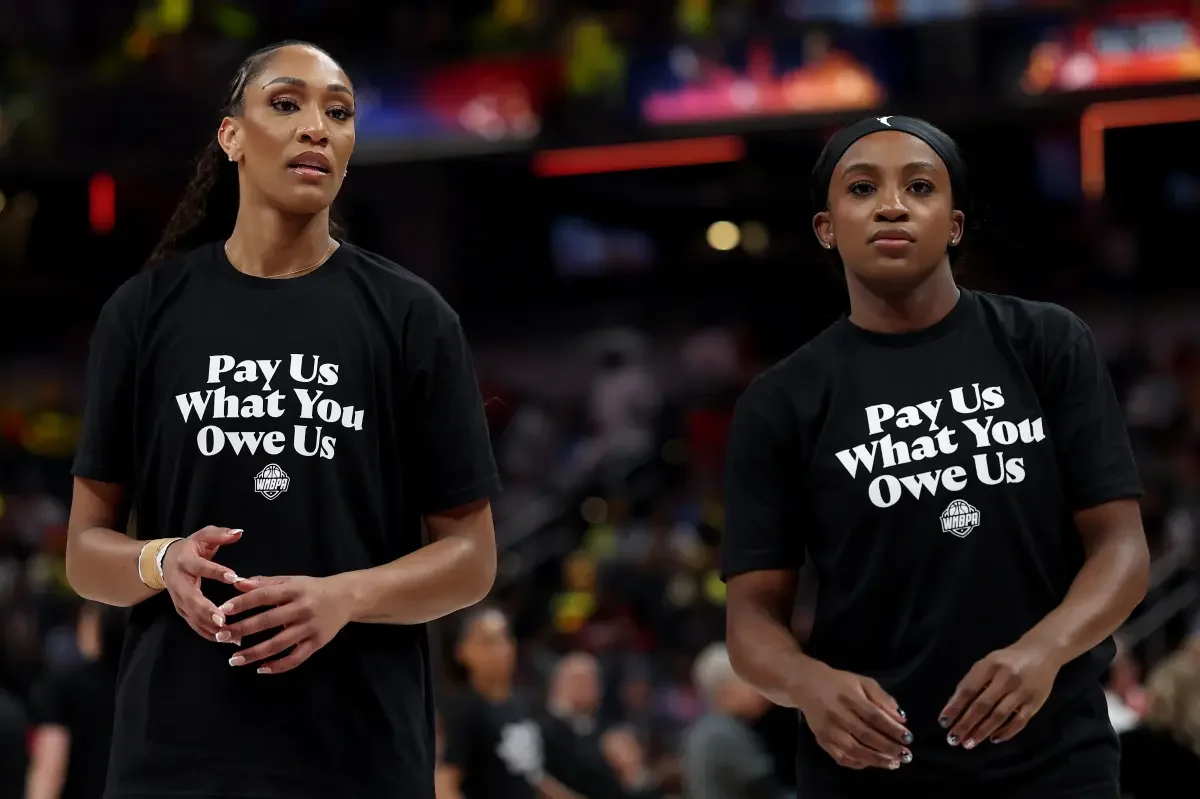
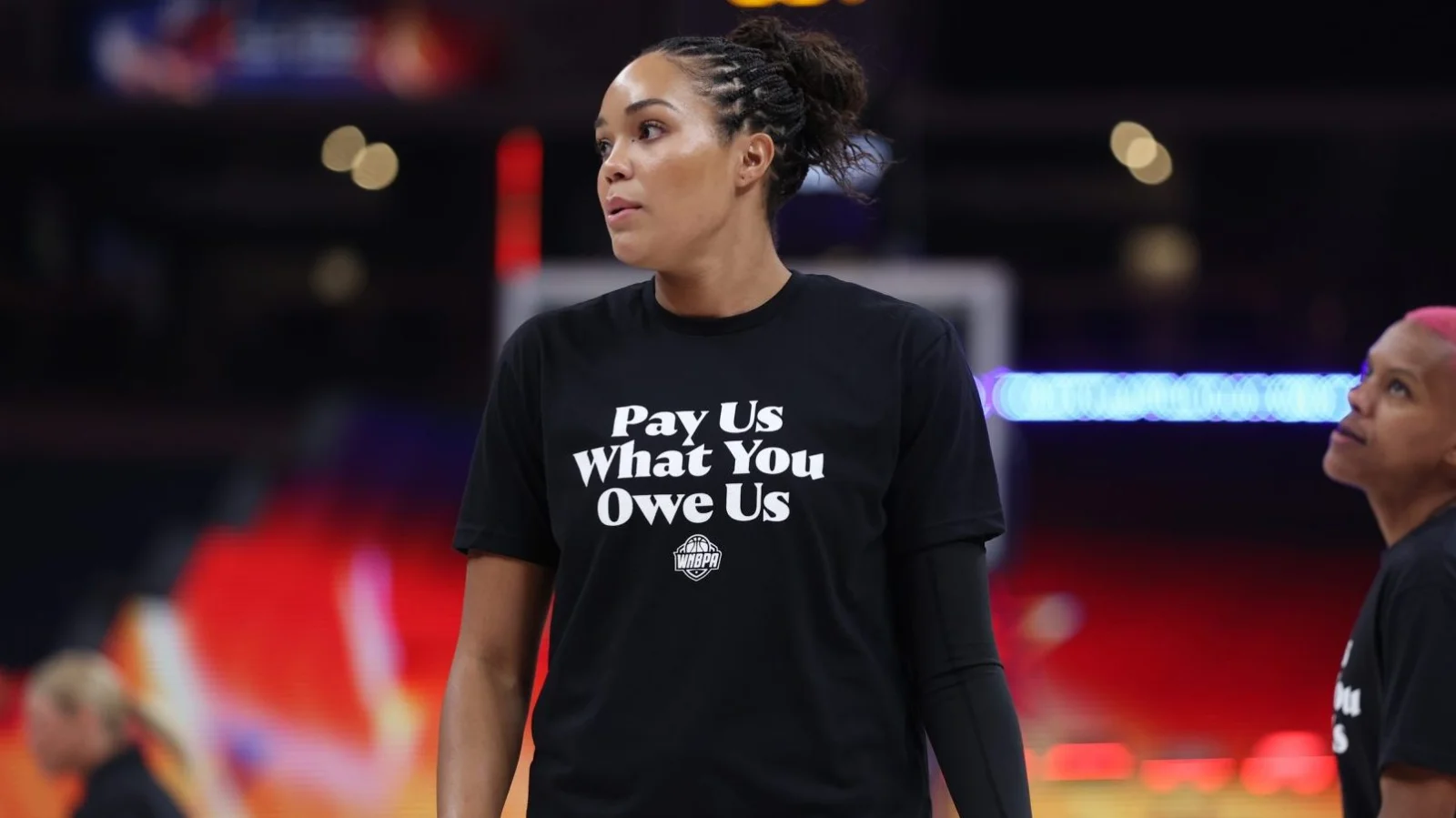
WNBA negotiations for a new collective bargaining agreement are tense, with players protesting for fair pay amid league growth, while the league's commissioner describes the talks as constructive and aims for a transformational deal before the October 31 deadline to avoid a work stoppage and ensure smooth upcoming seasons and expansions.
WNBA players expressed disappointment after a 'missed opportunity' meeting with league officials regarding a new collective bargaining agreement, emphasizing the need for urgent negotiations on revenue sharing, salary structure, and prioritization, amid ongoing league expansion and increased franchise valuation.
The WNBA and the players' union met in Indianapolis to discuss a new collective bargaining agreement, but little progress was made, especially on revenue sharing. The meeting saw high player turnout but was described as unproductive, with disagreements over proposals and the league's delayed counteroffer. Both sides aim to reach an agreement before the October 31 deadline, amid ongoing negotiations over benefits, roster sizes, salary caps, and revenue sharing, fueled by record-breaking media deals and league revenues.
The article discusses the ongoing conflict between MLB owners and players over revenue sharing, highlighting The Battery Atlanta as a prime example of how teams generate additional income through real estate and entertainment developments, which may not be shared with players, fueling tensions ahead of upcoming collective bargaining negotiations.
The University of Louisville has signed dozens of athlete contracts under a new revenue-sharing system established by the House v. NCAA settlement, allowing schools to pay athletes directly with a $20.5 million cap, with agreements outlining compensation and responsibilities, though athletes are not considered employees. These contracts are part of the recent shift in college sports following legal and legislative changes, and they are still evolving to include performance incentives and other terms.
Big 12 coaches, including Scott Frost, are calling for clearer rules in college football amid the new revenue-sharing era and NIL developments, emphasizing the need for enforcement and stability to ensure a level playing field and focus on player development.
Oklahoma athletic director Joe Castiglione, who has served since 1998 and overseen numerous championships and coaching hires, plans to retire during the upcoming school year but will remain involved as athletic director emeritus, as the school prepares for a new era of revenue sharing in college athletics.