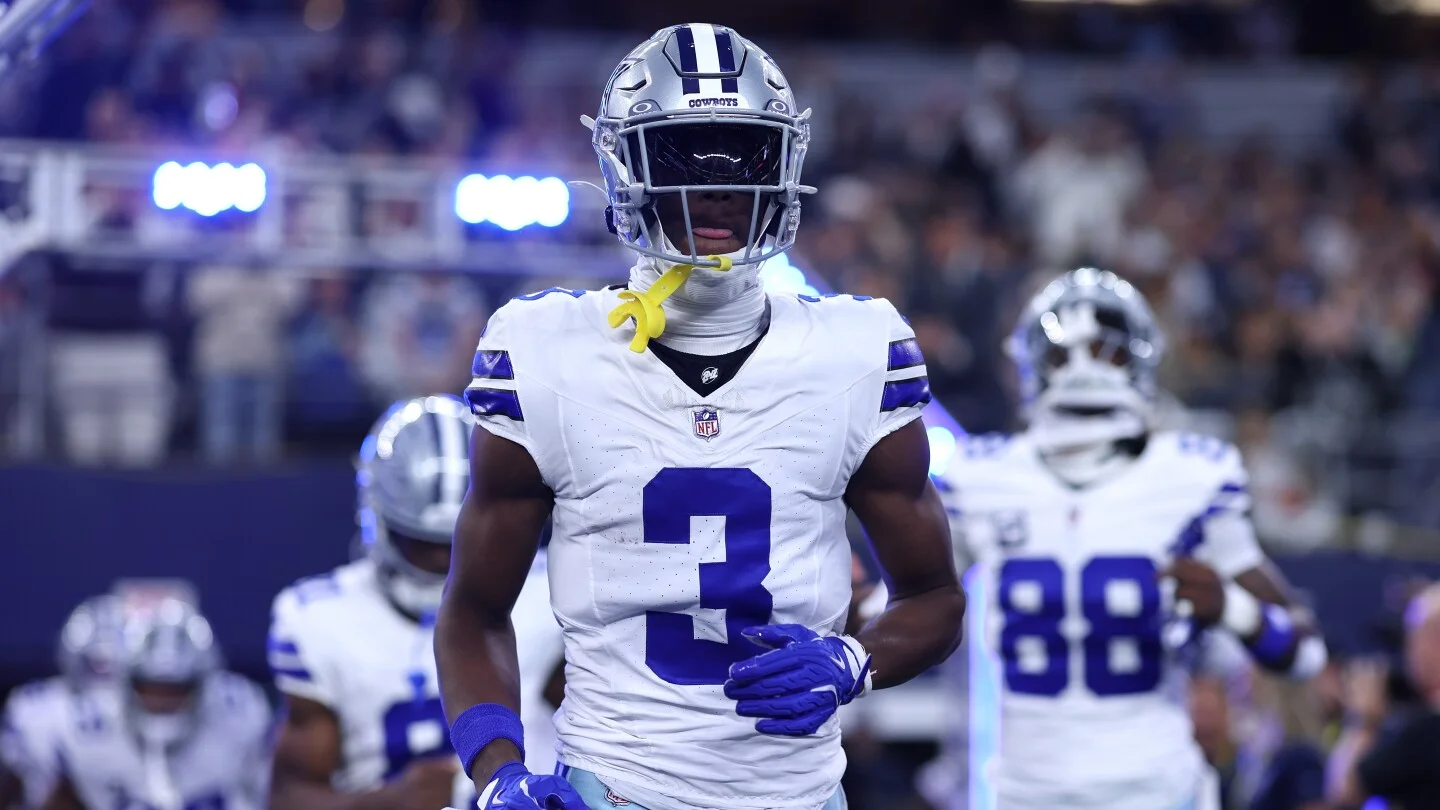
Dallas is using the franchise tag to keep WR George Pickens for about $28 million in 2026 rather than meeting his market value, a calculated risk that Pickens could respond with a holdout, a trade demand, or push for a long-term deal once a market-rate contract emerges.
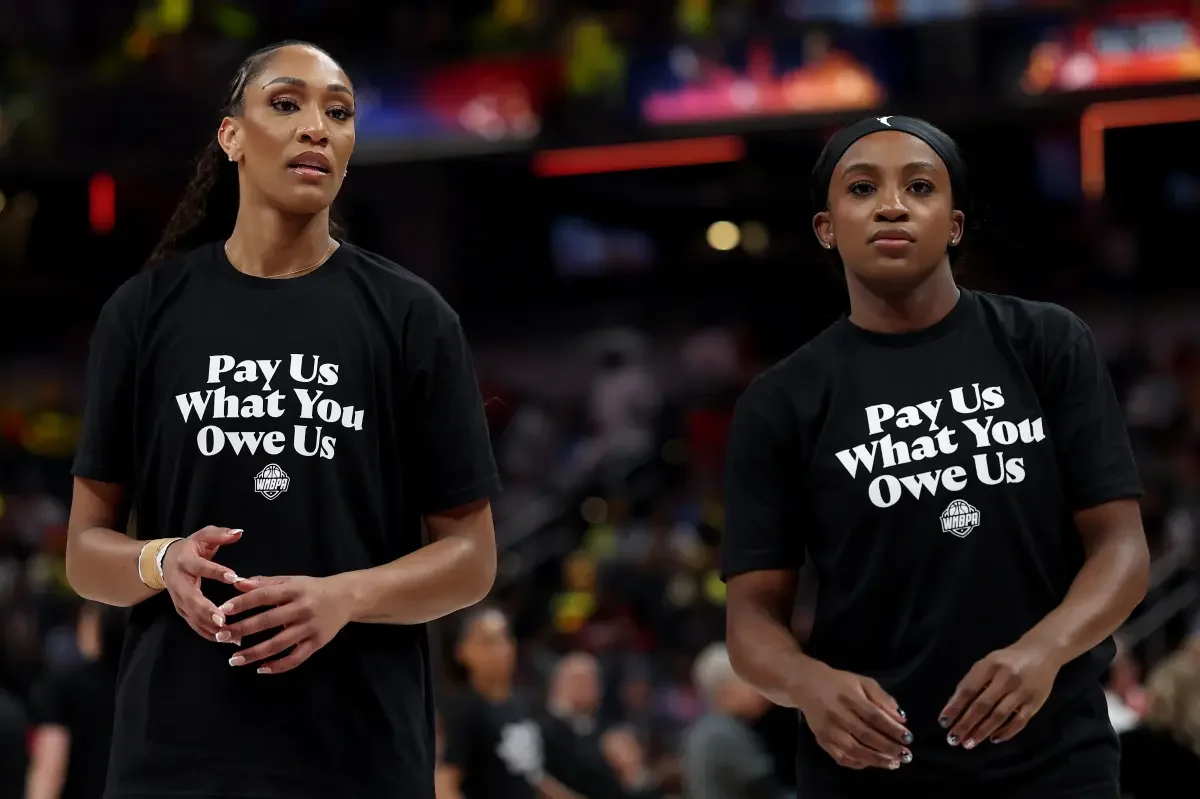
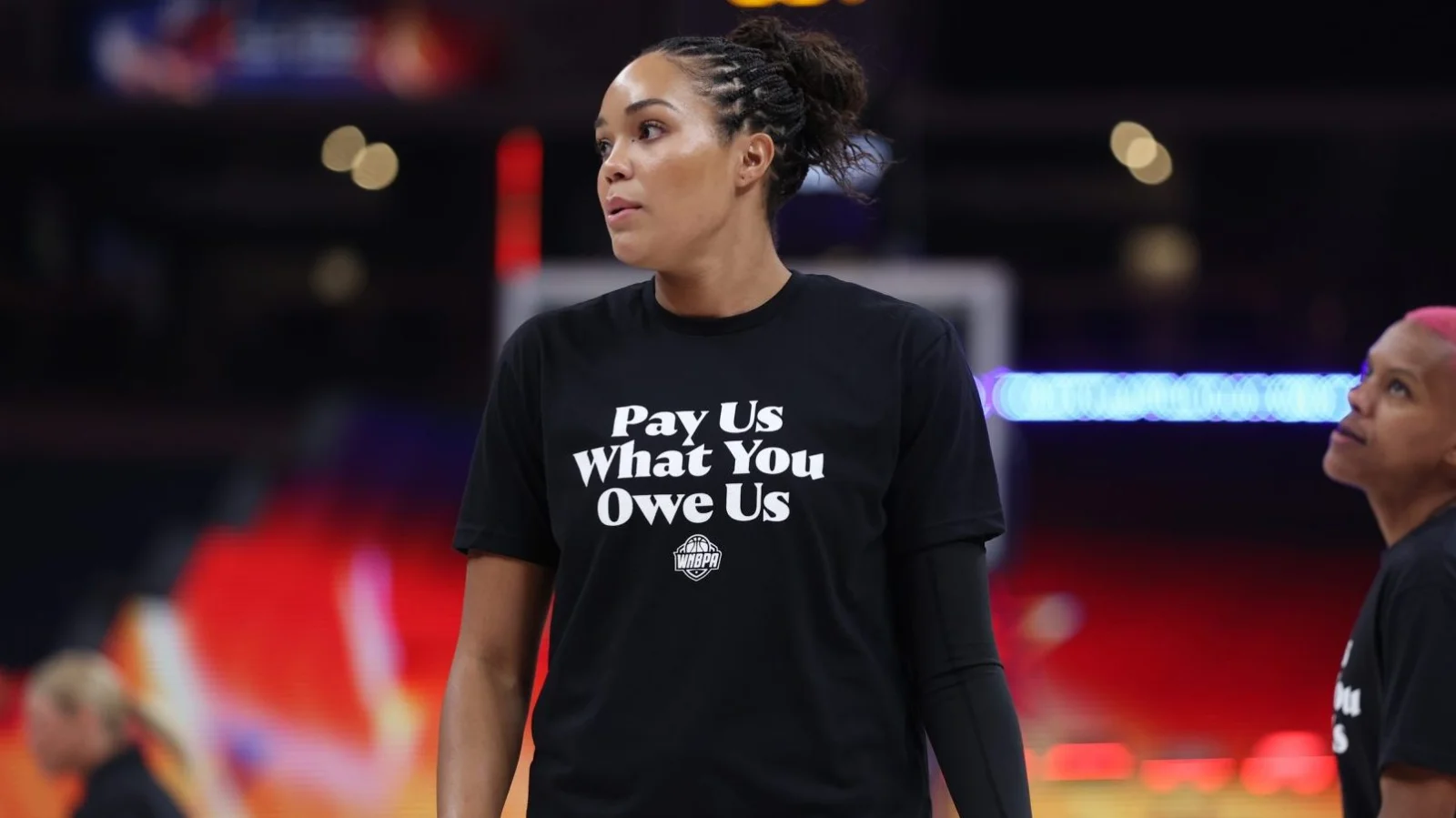
With the May 8 start looming, the WNBA blasted the union’s latest CBA counterproposal as 'unrealistic,' warning it would cost teams hundreds of millions. The WNBPA’s offer calls for about 27.5% of gross revenue over the deal (down from 31%), including housing concessions, while the league’s proposal ties revenue sharing to net revenue and promises higher salaries and stricter facilities requirements; the parties still must hammer out two drafts and free agency before training camp.
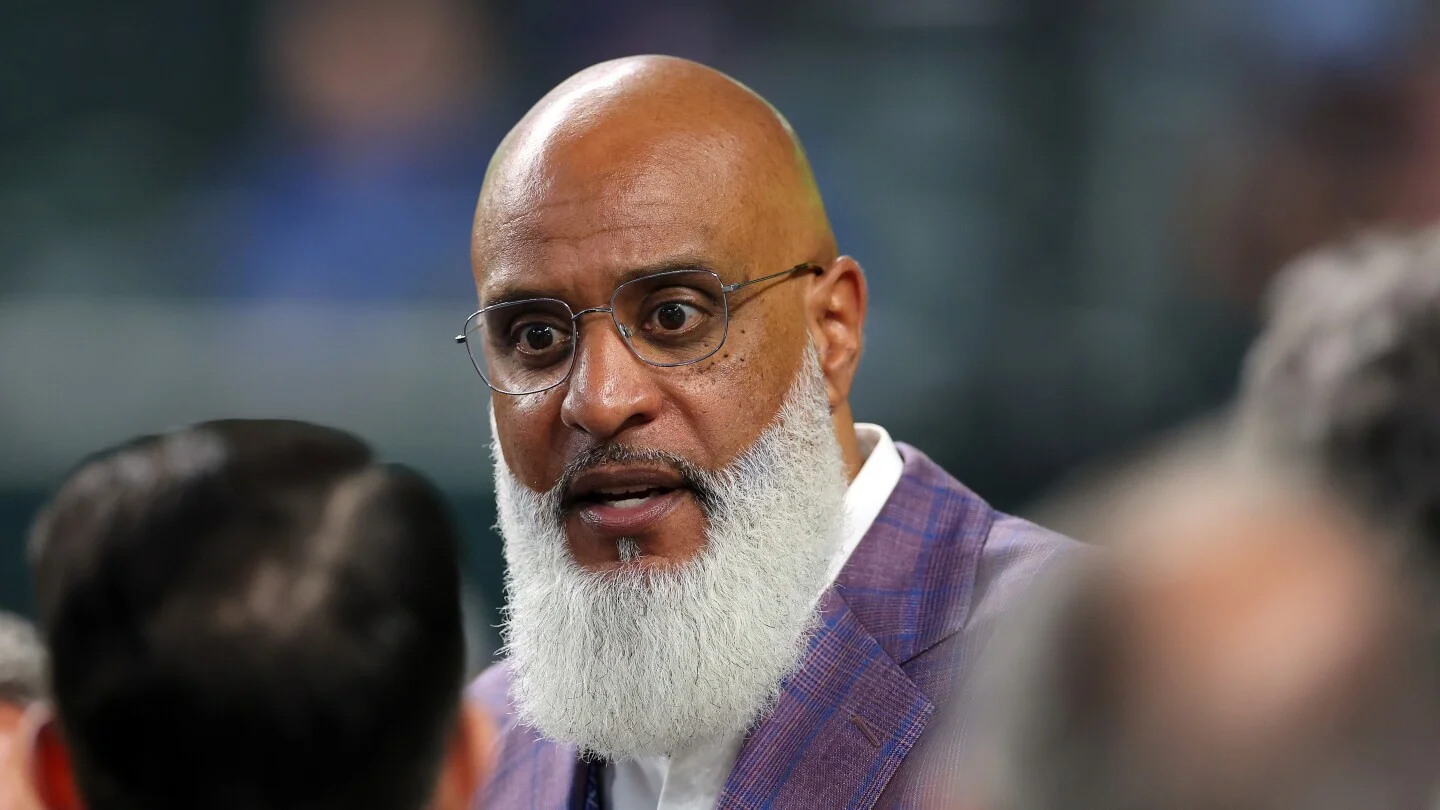
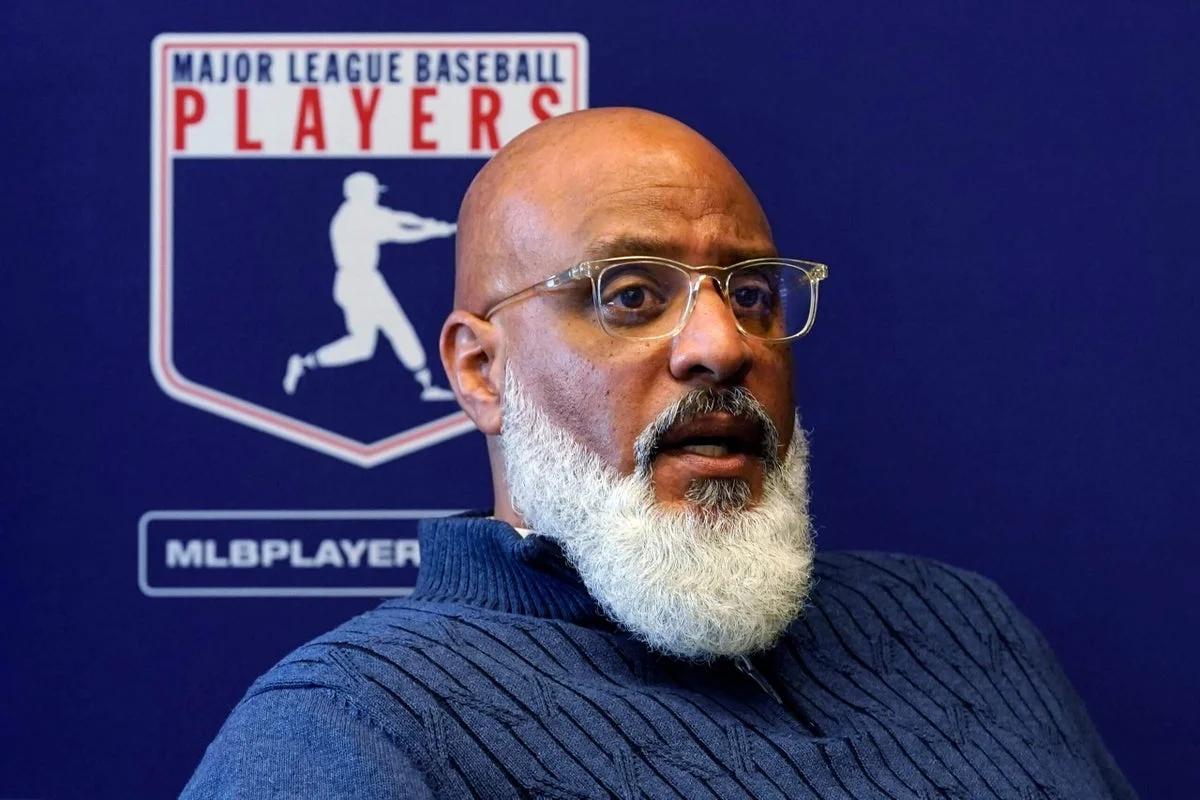
Tony Clark will resign as head of the Major League Baseball Players Association amid a U.S. Attorney probe into One Team Partners, the union’s licensing venture. The move comes as talks to replace the expiring collective bargaining agreement begin in April, with management reportedly proposing a salary cap that could spark a work stoppage. Clark, 53, led the union since 2013 and oversaw 2016 and 2022 agreements; Bruce Meyer is expected to lead negotiations moving forward.
Tony Clark is expected to resign as MLBPA executive director amid federal investigations into licensing funds and the Players Way program, with an interim successor likely to be named before upcoming labor talks as the union braces for a possible lockout when the current CBA expires.
WNBA owners sent a counter-proposal to the players’ union, keeping revenue sharing below 15% of league revenue and reintroducing a limited housing plan tied to a developmental roster (two spots per team with per-game pay and housing benefits, including studio apartments for lower-salary players and one-bedroom units for early-career players in the initial years). The league also offered non-economic concessions (pregnant-player trade consent, no marijuana testing, higher performance bonuses) while salaries remain well below union expectations. Talks continue ahead of a May 8 season start, with concerns a deal by early February is needed to avoid delays.
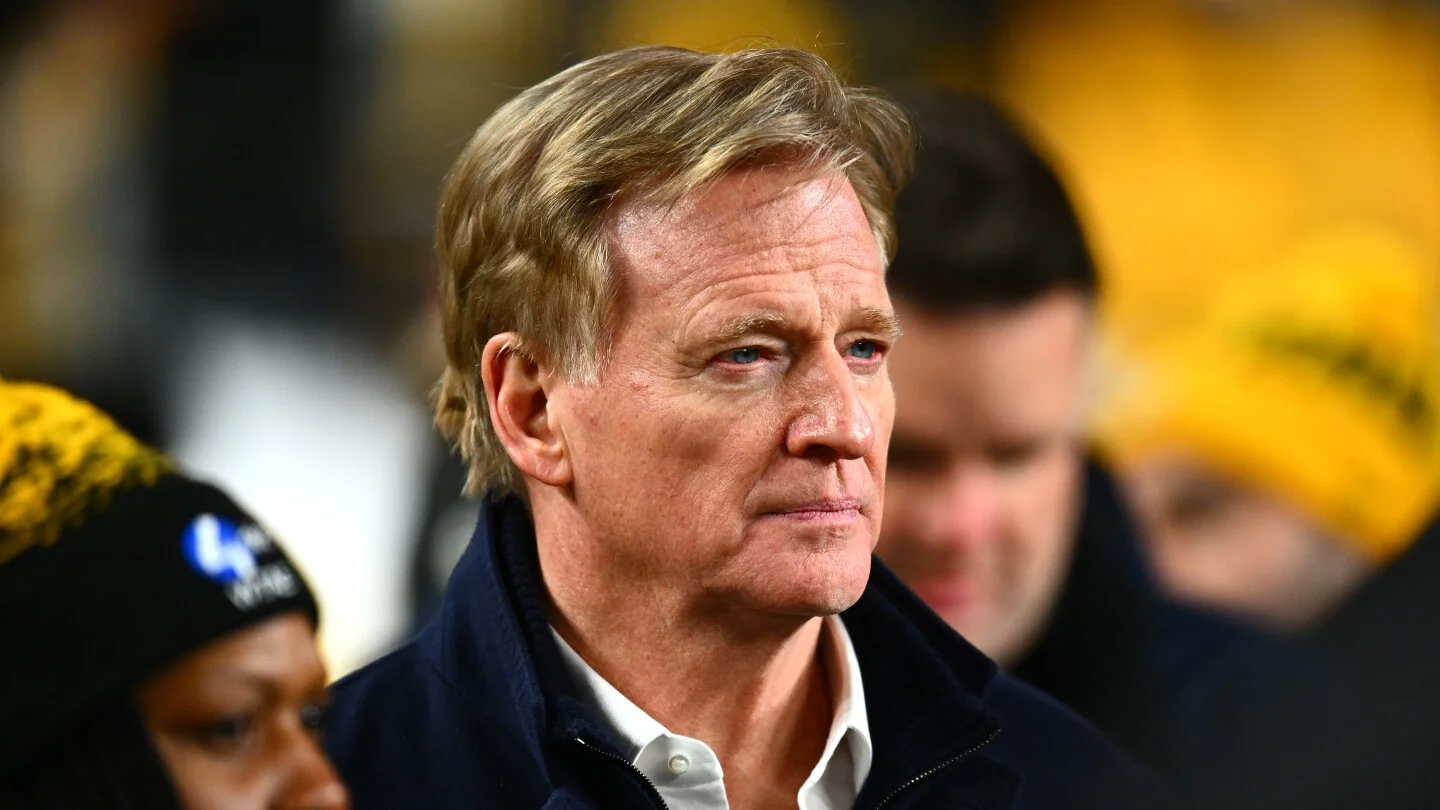
NFL Commissioner Roger Goodell said an 18-game regular season is not guaranteed and would require bargaining with the NFL Players Association. With no formal discussions yet and the current CBA running through 2030, key issues to resolve include player safety, whether there would be multiple byes, and roster size before any expansion could occur, despite some voices suggesting it could eventually happen.
In New York, the WNBA and its players’ union held a roughly three-hour in-person meeting, but the league did not present a counterproposal to the union’s latest offer and instead said it would prepare an official response. The players seek a $10.5 million cap and a revenue-share model based on total revenues before deductions, plus housing, retirement benefits, and professional standards; the league’s prior offer featured a $1.3 million max salary and an average salary over $530k under its revenue-sharing plan. About 40 players joined via Zoom, with leadership from both sides and several team owners in attendance. While reports of internal EC debate emerged, players say there is no fracturing. A strike remains possible but is not imminent, and more talks are required before any decision on labor action.
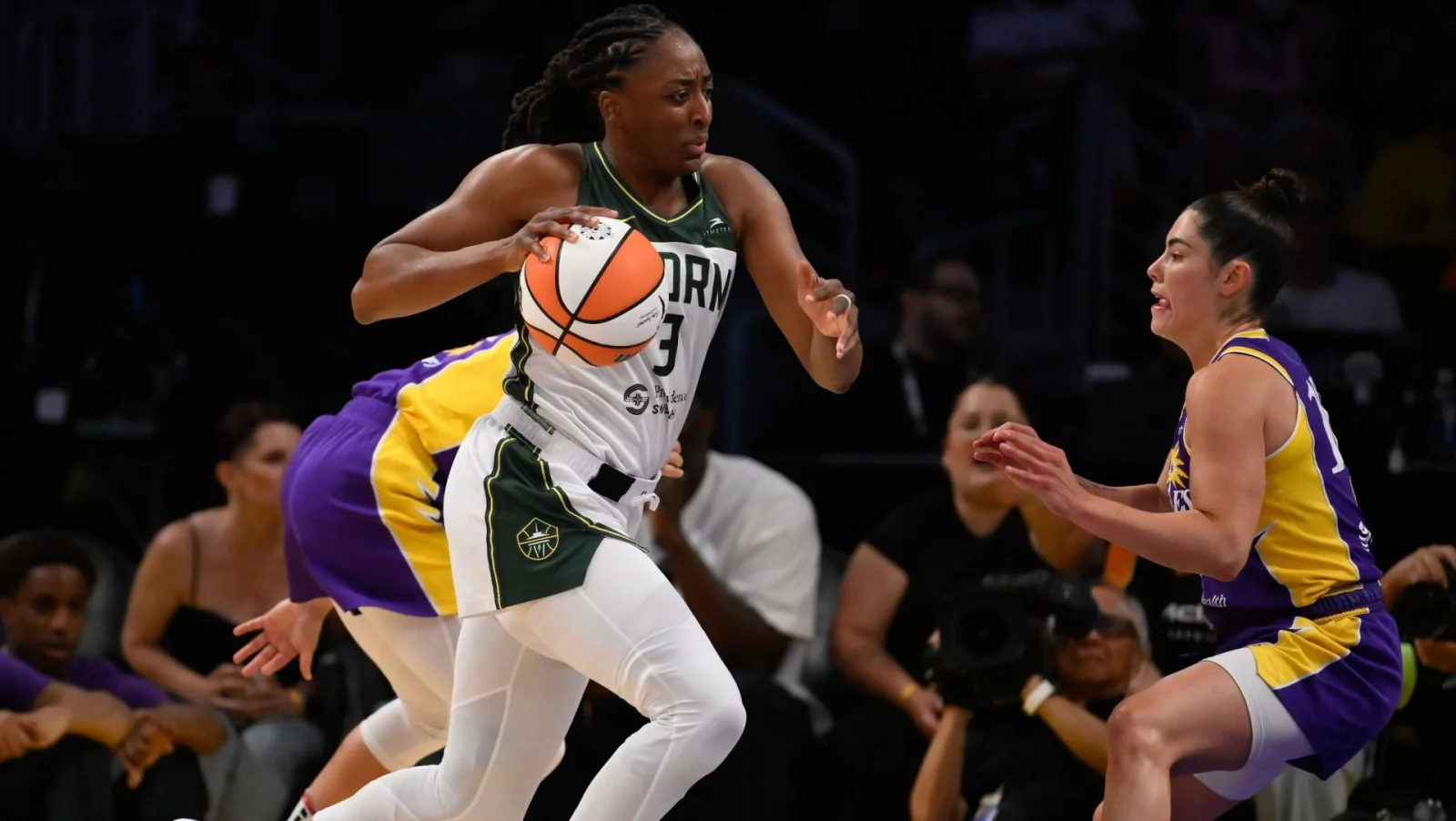
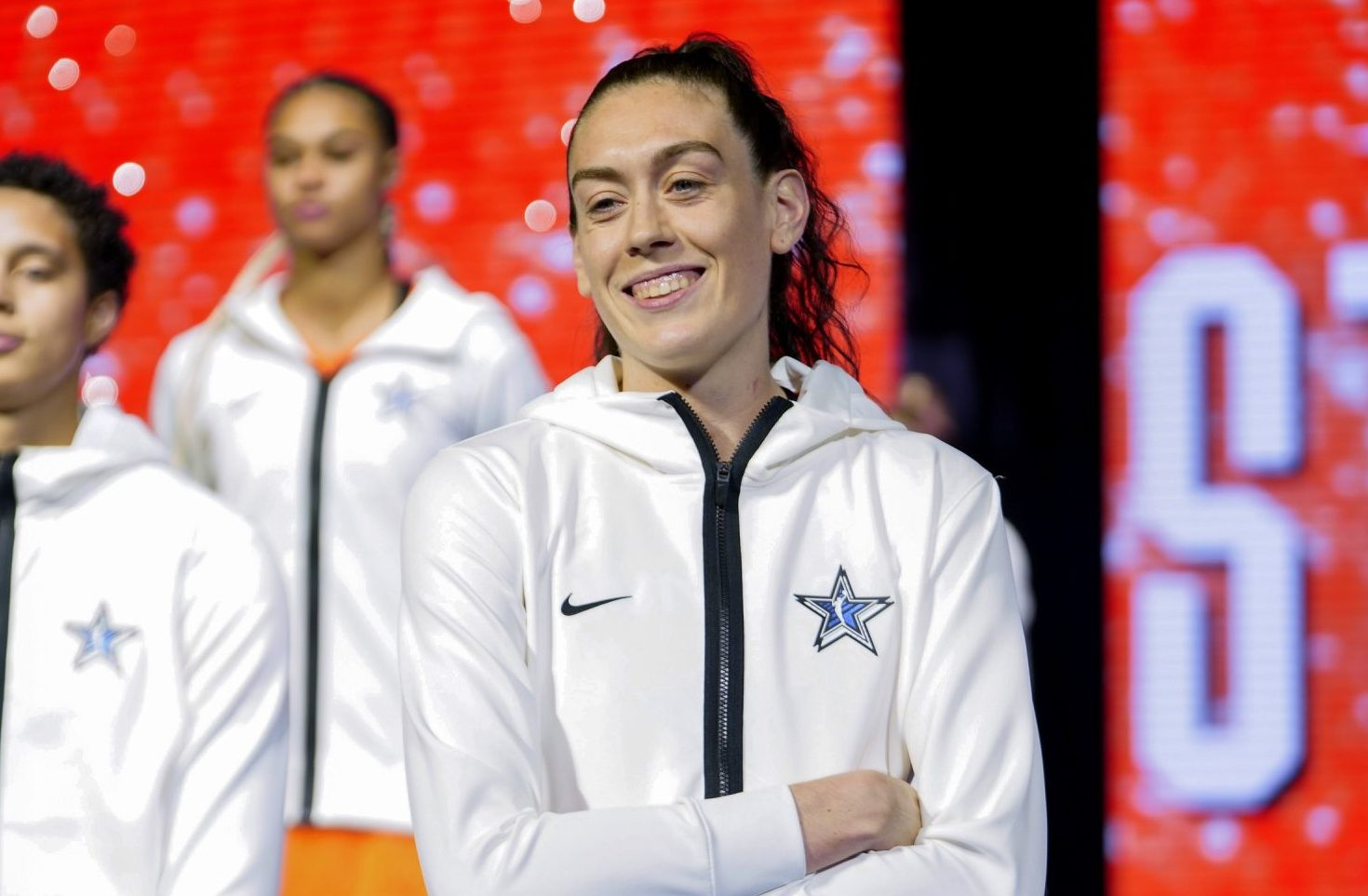
As WNBA CBA negotiations resume, talks are at an impasse with a potential strike looming. A high-stakes in-person meeting in New York will bring WNBPA leaders like Nneka Ogwumike, Kelsey Plum, and Napheesa Collier together with league officials to push for a larger revenue share, a higher salary cap, and protections such as housing; Natasha Cloud publicly criticized the league’s approach. The union seeks roughly 30% of gross revenue and a $10.5M cap, vs. the league’s offer of around 15% of gross revenue (70% of net) and a $5M cap, while free agency remains on hold and the 2026 season approaches. The outcome could mark a turning point in negotiations.
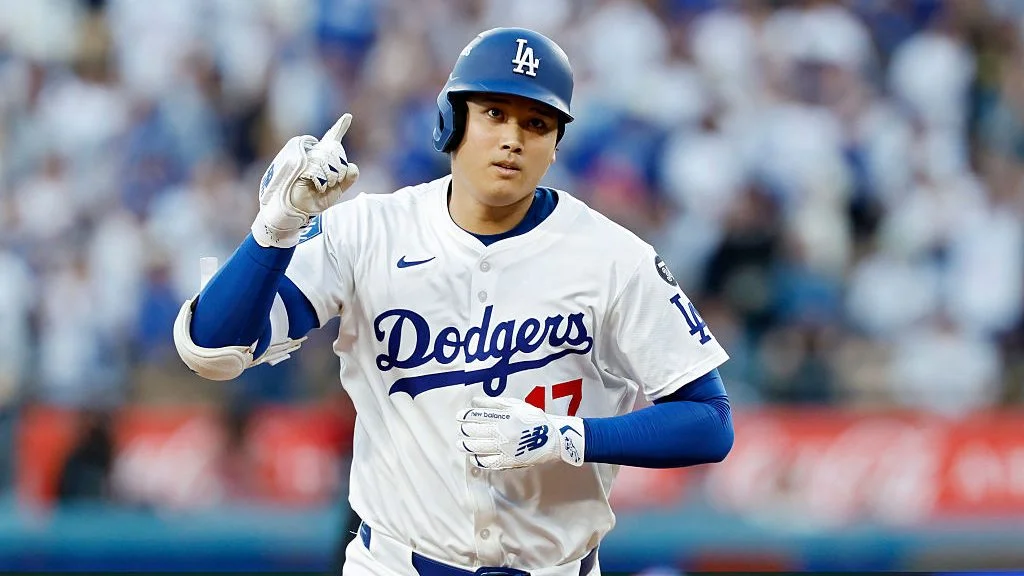
Amid looming MLB labor talks, Dodgers signed Kyle Tucker to a 4-year, $240 million deal, prompting reports that owners intend to push for a salary-cap system in the 2026-27 CBA and could cancel some 2027 games to pressure negotiations. Critics argue a cap would still privilege big-market teams, wouldn’t fix front-office flaws, and could damage fan engagement, while advocates cite penalties or luxury-tax reforms as alternatives. The MLBPA remains opposed to a cap, signaling a protracted, high-stakes fight ahead.
MLB owners are pushing for a salary cap, sparked by the Tucker–Dodgers deal and set to be a major topic at the next owners meeting, with floor/ceiling options on the table. Players have historically fought caps, and with the CBA expiring Dec. 1, a 2027 lockout remains a real possibility if negotiations stall; past labor battles show the potential severity of the dispute, though a deal could still avert a full stoppage.
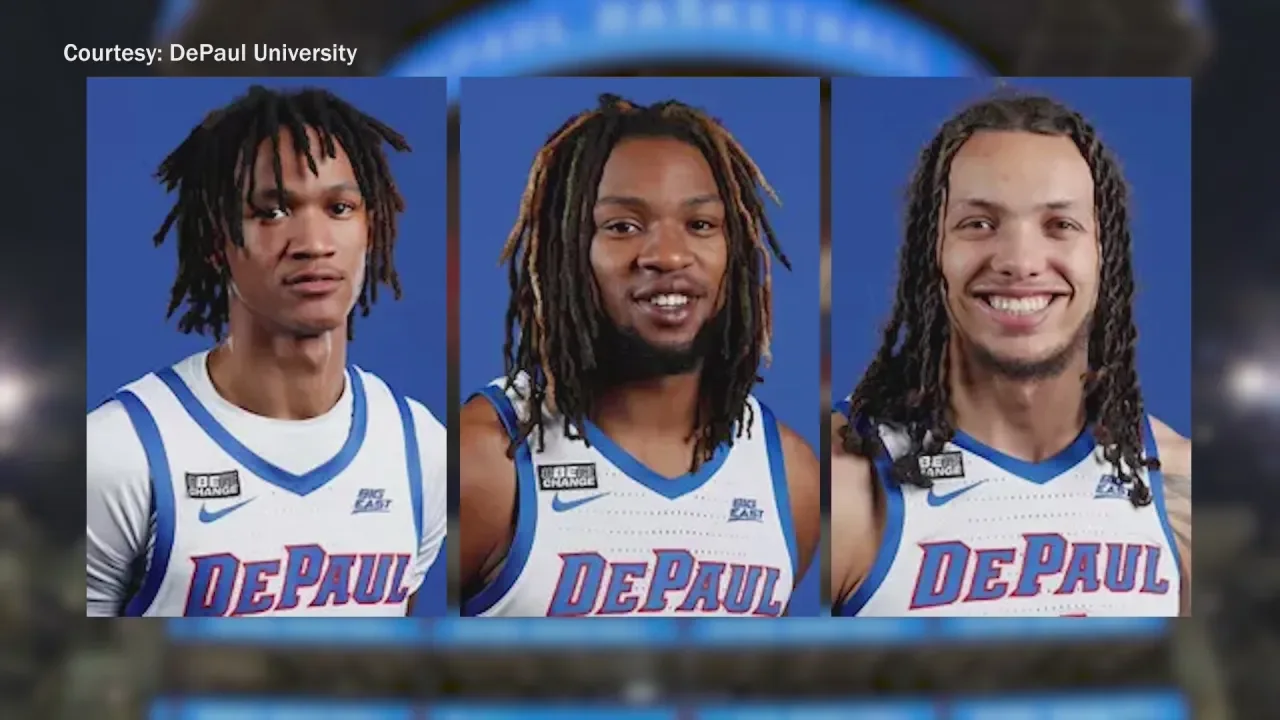
Federal prosecutors allege a cross-border gambling ring fixed NCAA and Chinese Basketball Association games, charging 26 people—including three former DePaul players—for bribing college athletes to underperform for cash, with payments up to $40,000 per game; the investigation spans dozens of players across more than 17 NCAA Division I teams, while DePaul says none of its current players are implicated and authorities continue to investigate.
The NHL and NHLPA are expediting changes to the playoff salary cap and long-term injured reserve rules for the 2025-26 season as part of a new Collective Bargaining Agreement, aiming to address roster management and competitive balance issues, with other rule changes and a shift to an 84-game season planned for future seasons.
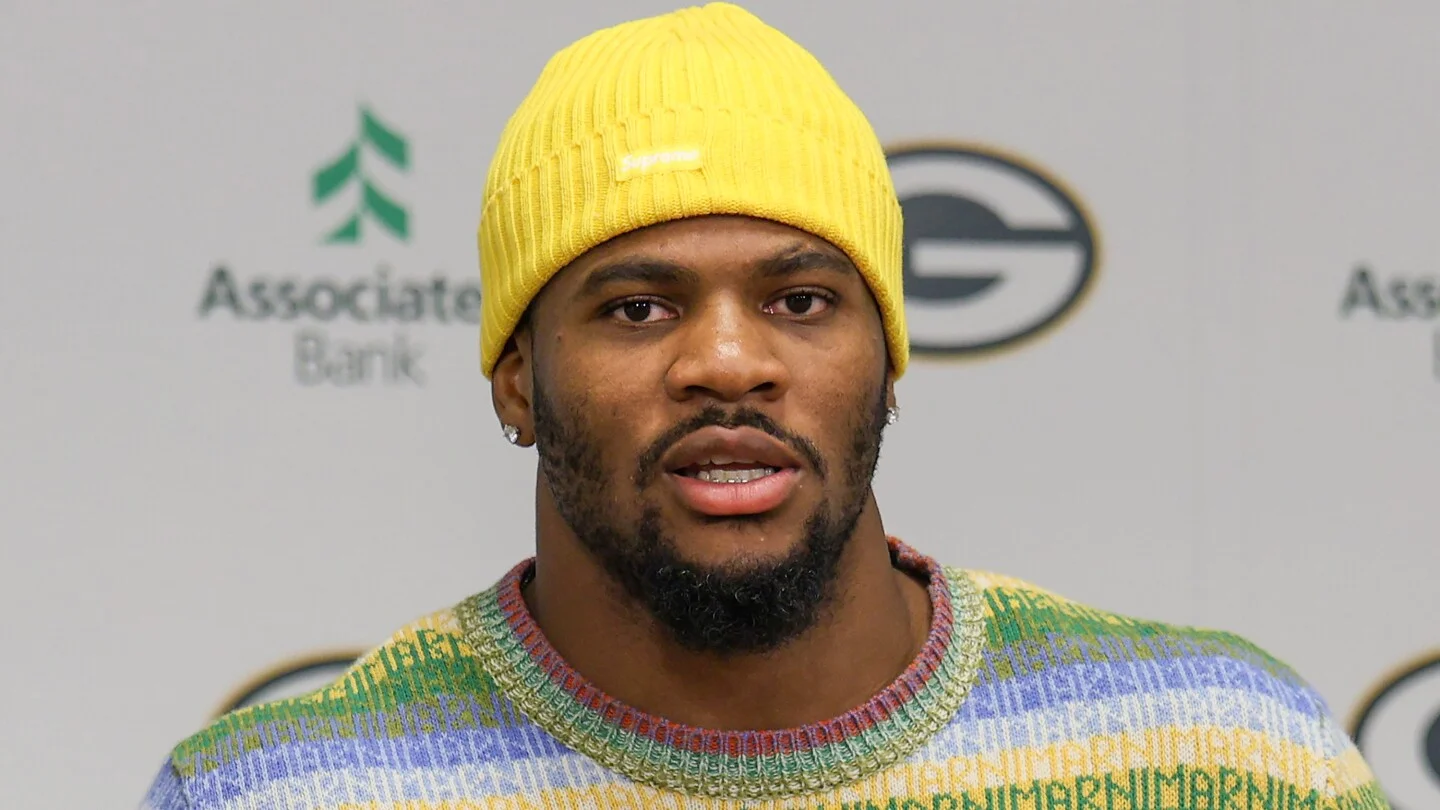
The article discusses how Micah Parsons used a strategic 'hold-in' to force a trade from the Cowboys, highlighting how players can manipulate current NFL rules and how the league is likely to change the Collective Bargaining Agreement to prevent similar tactics in the future, ultimately aiming to maintain team control over player movements.
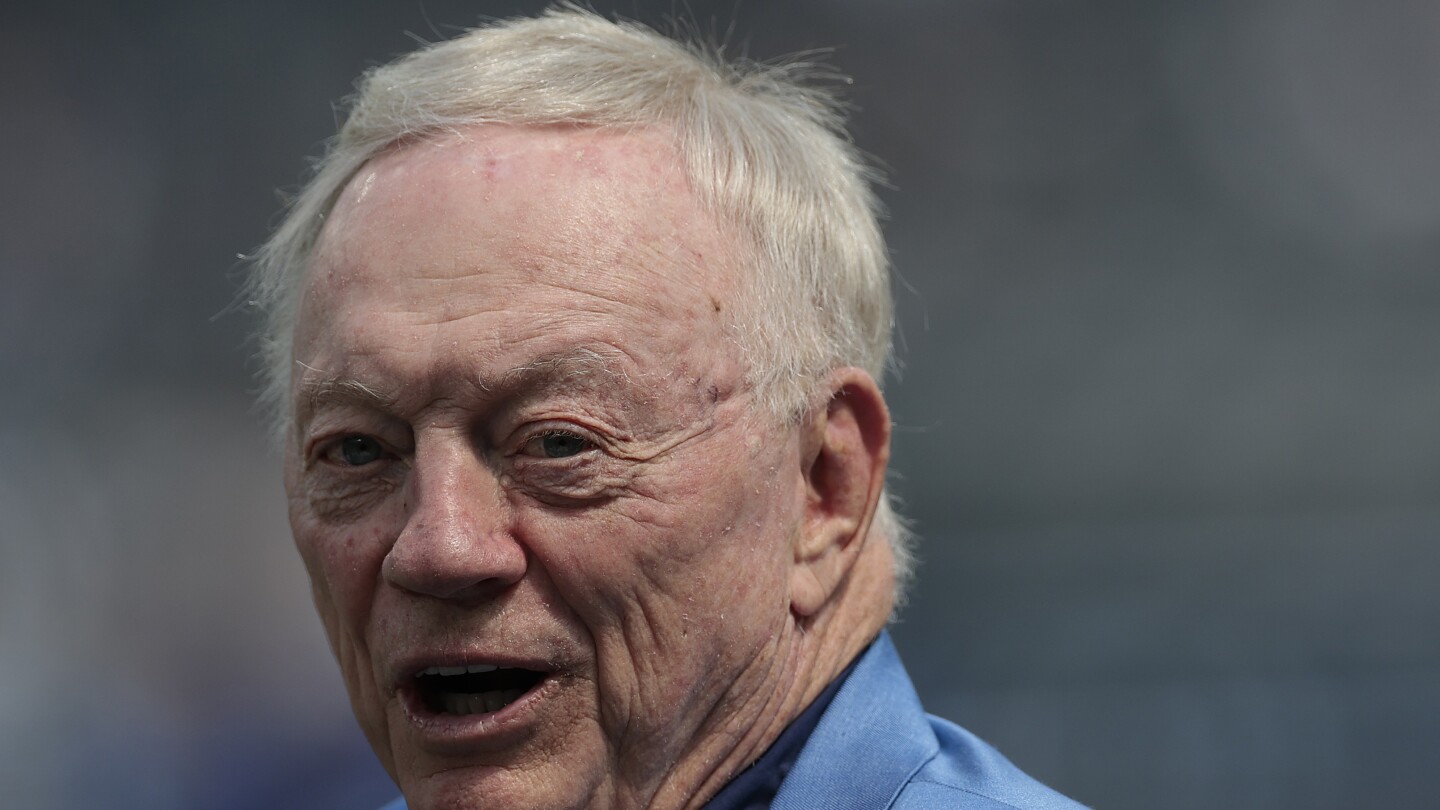
Cowboys owner Jerry Jones is criticized for repeatedly bypassing the NFL's collective bargaining agreement by negotiating directly with players, undermining the role of agents and risking league discipline. The article urges the NFL and NFLPA to enforce rules and curb Jones's unauthorized negotiations to preserve the integrity of the league.
The WNBA and the players' union met in Indianapolis to discuss a new collective bargaining agreement, but little progress was made, especially on revenue sharing. The meeting saw high player turnout but was described as unproductive, with disagreements over proposals and the league's delayed counteroffer. Both sides aim to reach an agreement before the October 31 deadline, amid ongoing negotiations over benefits, roster sizes, salary caps, and revenue sharing, fueled by record-breaking media deals and league revenues.