Uncovering Rare Cells: Key to Color Perception
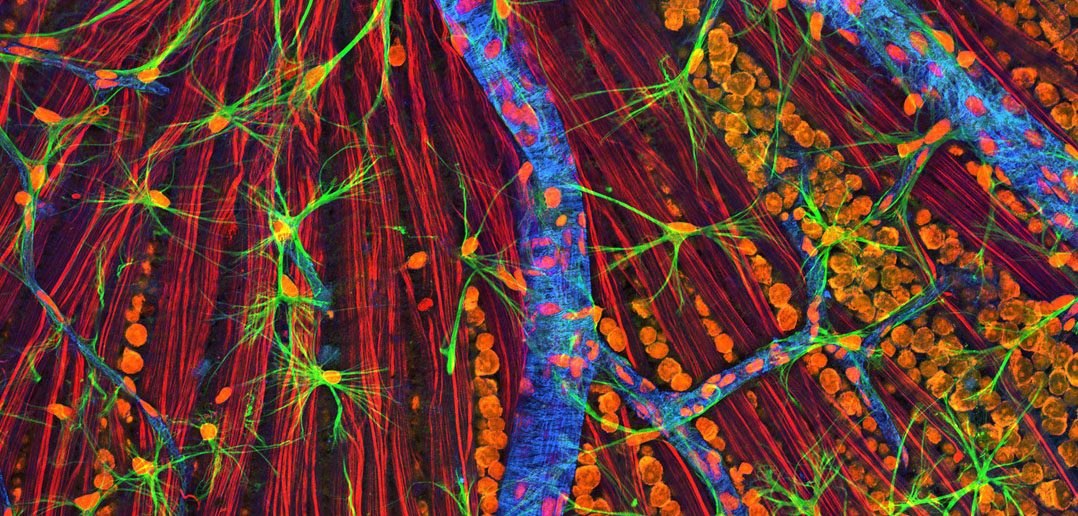
Researchers at the University of Rochester used adaptive optics to identify rare retinal ganglion cells (RGCs) in the human fovea, challenging existing theories of color perception based on three types of cone photoreceptors. These non-cardinal RGCs may play a role in creating more nuanced color perception, potentially leading to advanced vision restoration techniques and improved retinal prosthetic designs. The study received support from prestigious institutions and could have a significant impact on vision science.