Tag

Reptile Evolution

All articles tagged with #reptile evolution

Researchers Discover Widespread Hidden Bone Armor in Australian Lizards

Originally Published 5 months ago — by ScienceAlert

Featured image for Researchers Discover Widespread Hidden Bone Armor in Australian Lizards
Source: ScienceAlert

A recent study discovered that many Australian monitor lizards possess hidden osteoderms, tiny bones under their skin, which may serve various functions such as protection and thermoregulation, challenging previous understanding of reptile evolution.
Scientists reveal widespread hidden bone structures in lizard skin

Originally Published 5 months ago — by Phys.org

Featured image for Scientists reveal widespread hidden bone structures in lizard skin
Source: Phys.org

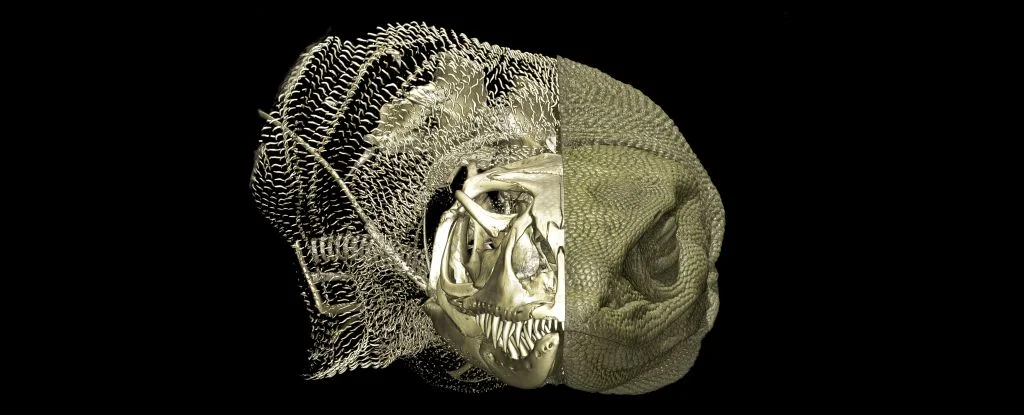
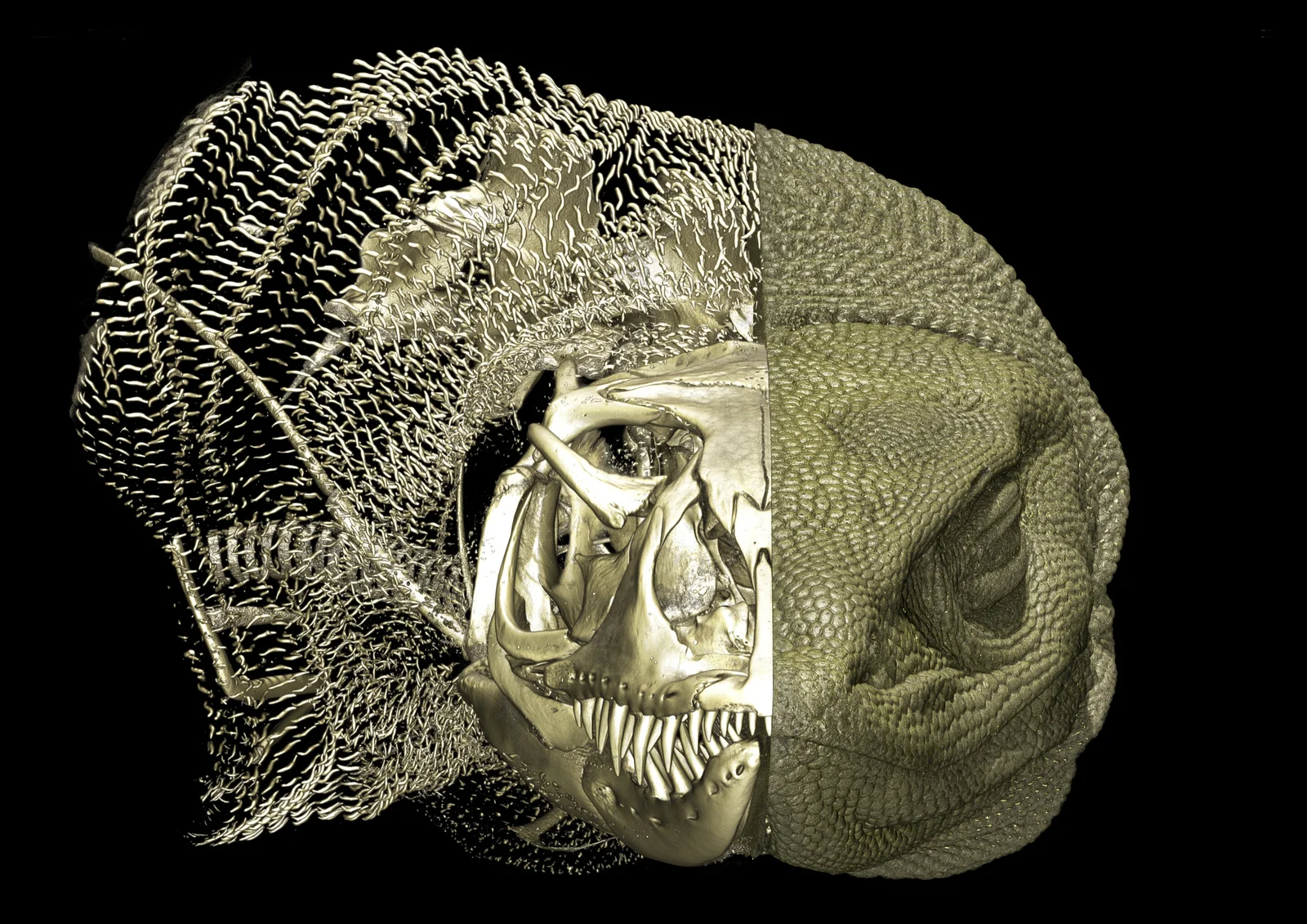
Scientists have discovered that nearly half of all lizard species, including Australian monitor lizards, possess hidden bony skin structures called osteoderms, which may play roles in protection, heat regulation, and calcium storage, reshaping understanding of reptile evolution.
"Debunking the Myth: Uncovering the True Nature of a Famous Fossil"

Originally Published 1 year ago — by KSL.com

Featured image for "Debunking the Myth: Uncovering the True Nature of a Famous Fossil"
Source: KSL.com

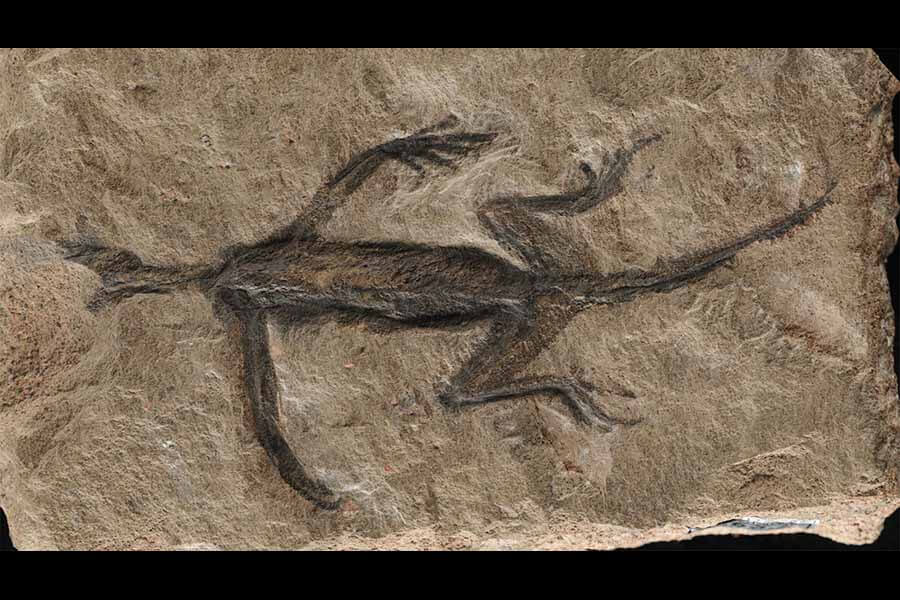
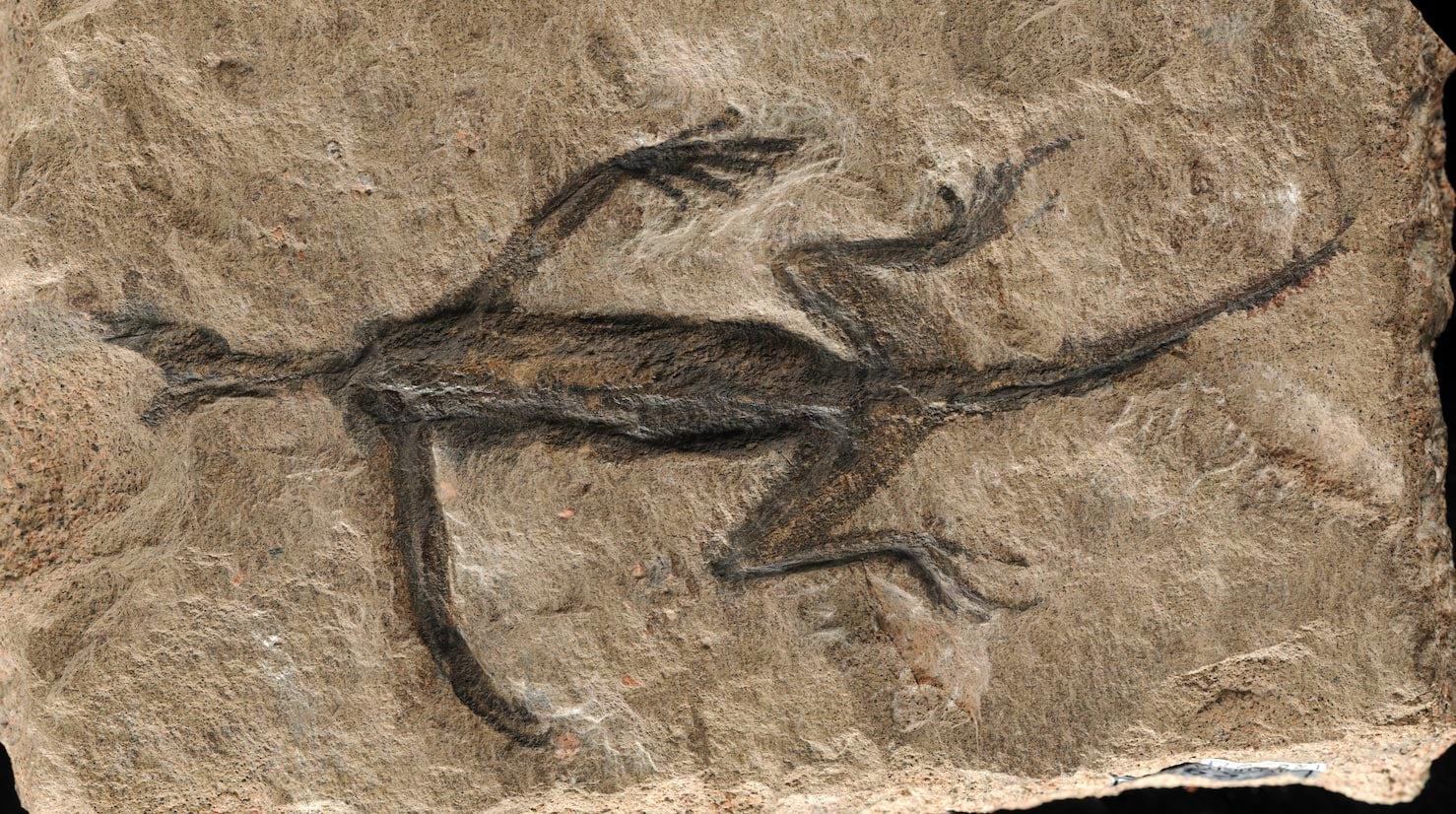
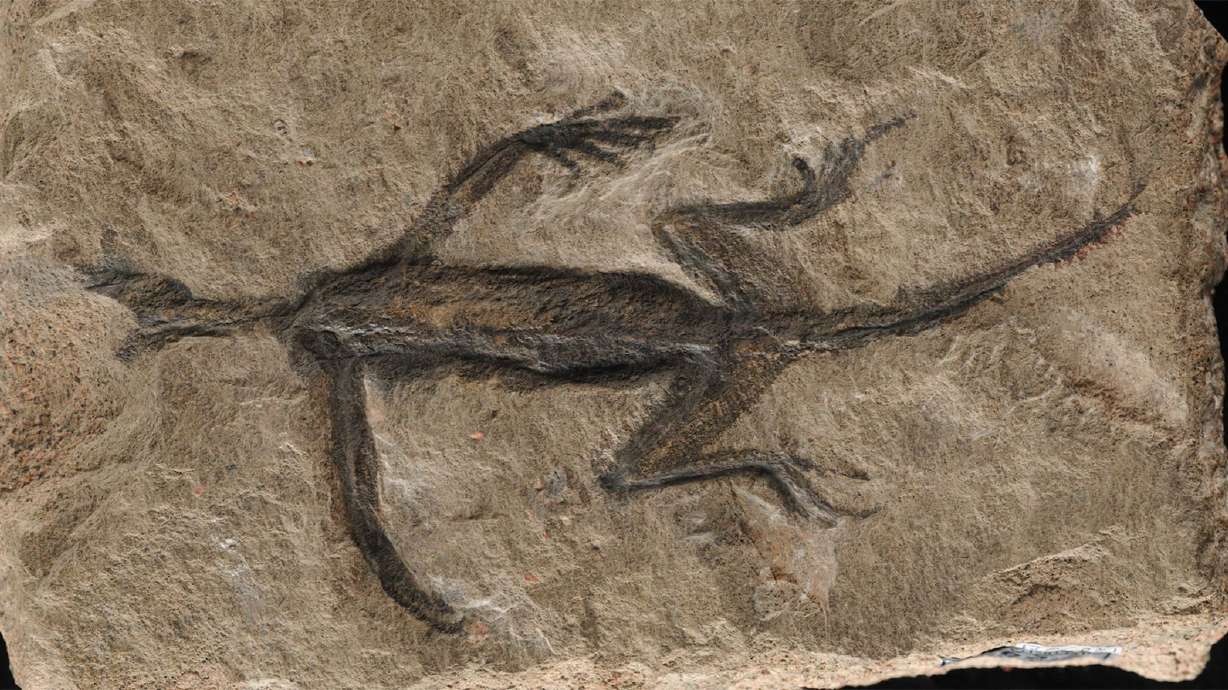
A 280 million-year-old fossil believed to be a well-preserved ancient reptile has been revealed as a forgery, with researchers discovering that the dark outline of the lizardlike body encased in rock is actually black paint covering a couple of bones and carved rock. The fossil, known as Tridentinosaurus antiquus, was initially found in the Italian Alps in 1931 and had raised questions about early reptile evolution. The study's findings, published in the journal Paleontology, highlight the unusual forgery and the challenges it posed for experts in interpreting the fossil's preservation.

"Debunking the Myth: Uncovering the Truth Behind a Famous Fossil"

Originally Published 1 year ago — by East Idaho News

Featured image for "Debunking the Myth: Uncovering the Truth Behind a Famous Fossil"
Source: East Idaho News

A 280 million-year-old fossil, believed to be a well-preserved ancient reptile, has been revealed as a forgery, with black paint covering a couple of bones and carved rock. The fossil, known as Tridentinosaurus antiquus, was initially thought to provide insight into reptile evolution, but new research has uncovered the forgery. The revelation underscores the importance of reexamining old fossil specimens using advanced technological methods, and while the true nature of the bones and rock is being studied, it remains uncertain whether the forgery was intentional.

"Exposed: The Truth Behind the Famous 280-Million-Year-Old Fossil"

Originally Published 1 year ago — by CNN

Featured image for "Exposed: The Truth Behind the Famous 280-Million-Year-Old Fossil"
Source: CNN

A 280 million-year-old fossil believed to be a well-preserved ancient reptile is revealed to be a forgery, with black paint covering a couple of bones and carved rock. The fossil, known as Tridentinosaurus antiquus, was initially discovered in the Italian Alps in 1931 and was thought to provide insight into early reptile evolution. However, new research using advanced techniques has uncovered the forgery, shedding light on the importance of reexamining old fossil specimens in museum collections.

"Unveiling the Truth: Exposing the Forgery of a Famous 280-Million-Year-Old Fossil"

Originally Published 1 year ago — by The Jerusalem Post

Featured image for "Unveiling the Truth: Exposing the Forgery of a Famous 280-Million-Year-Old Fossil"
Source: The Jerusalem Post

A fossil reptile specimen from the Italian Alps, believed to be 280 million years old and important for understanding early reptile evolution, has been revealed to be partly a forgery after a new examination. The fossil, Tridentinosaurus antiquus, was thought to have preserved soft tissues, but it was found to be mostly black paint on a carved lizard-shaped rock surface. While the bones of the hindlimbs and tiny bony scales are genuine but poorly preserved, caution is now urged in using this specimen for future research.

"Unveiling the Truth: The 280-Million-Year-Old Fossil Forgery Revealed"

Originally Published 1 year ago — by SciTechDaily

Featured image for "Unveiling the Truth: The 280-Million-Year-Old Fossil Forgery Revealed"
Source: SciTechDaily

A 280-million-year-old fossil, Tridentinosaurus antiquus, discovered in the Italian Alps in 1931 and thought to show preserved soft tissues, has been revealed to be partly a forgery with its body outline being painted. New research led by Dr. Valentina Rossi of University College Cork uncovered the deception, cautioning against its use in future studies. While the fossil's body outline is artificial, the bones of the hindlimbs and tiny bony scales called osteoderms are genuine, shedding light on the reptile's anatomy.