A study in Cell Metabolism found that intermittent fasting enhances sexual behavior in aging male mice by lowering brain serotonin levels through altered tryptophan metabolism, leading to increased reproductive success despite unchanged sperm and hormone levels.
A new study suggests that masturbation, particularly in males, has a long evolutionary history among primates and plays a crucial role in increasing reproductive success and reducing the risk of sexually transmitted infections (STIs). The research, which assembled data from various sources, indicates that masturbation could have been present in the common ancestor of all monkeys and apes. The study also found evidence supporting the hypotheses that masturbation aids successful fertilization and reduces the chance of contracting STIs. However, the significance of female masturbation remains less clear, and more data on female sexual behavior are needed to better understand its evolutionary role.
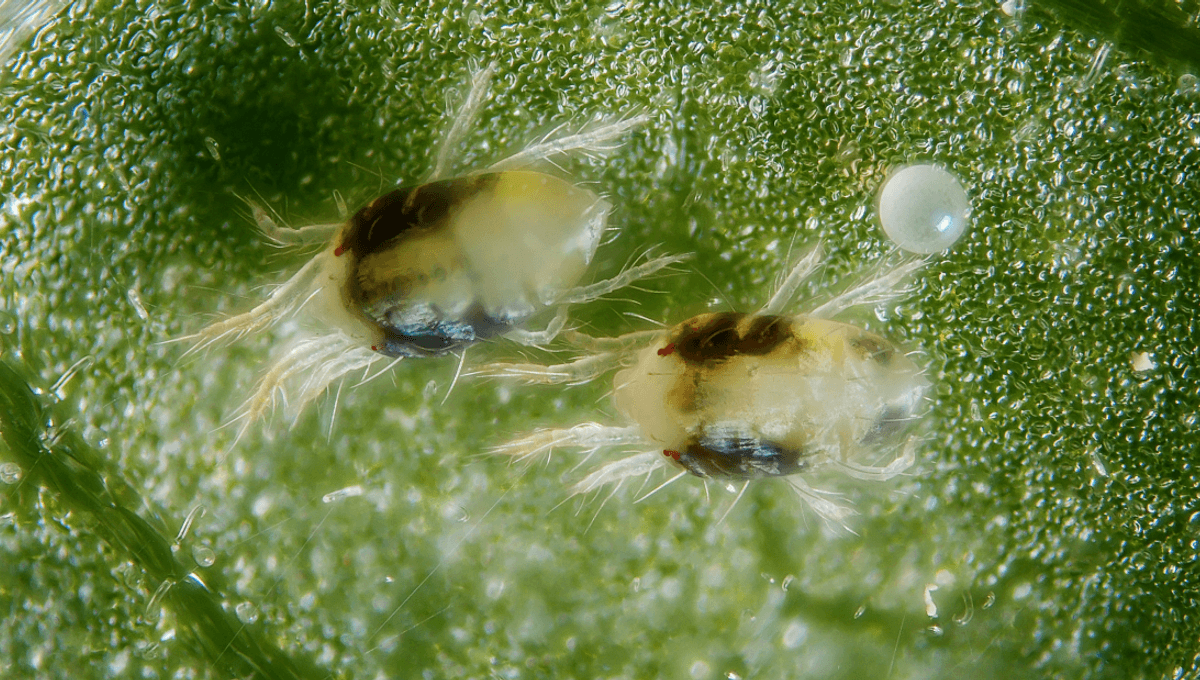
Male spider mites have evolved a unique behavior of helping females shed their juvenile skin suits to speed up the mating process. By spotting the silvery appearance of females on the verge of sexual maturity, males assist in removing the old skin, exposing the female's genital opening for mating. This strategy increases the male's reproductive success by ensuring they are the first to mate with the female. The discovery was made during a study on alternative reproductive tactics and highlights the remarkable strategies born out of sexual selection in the animal kingdom.
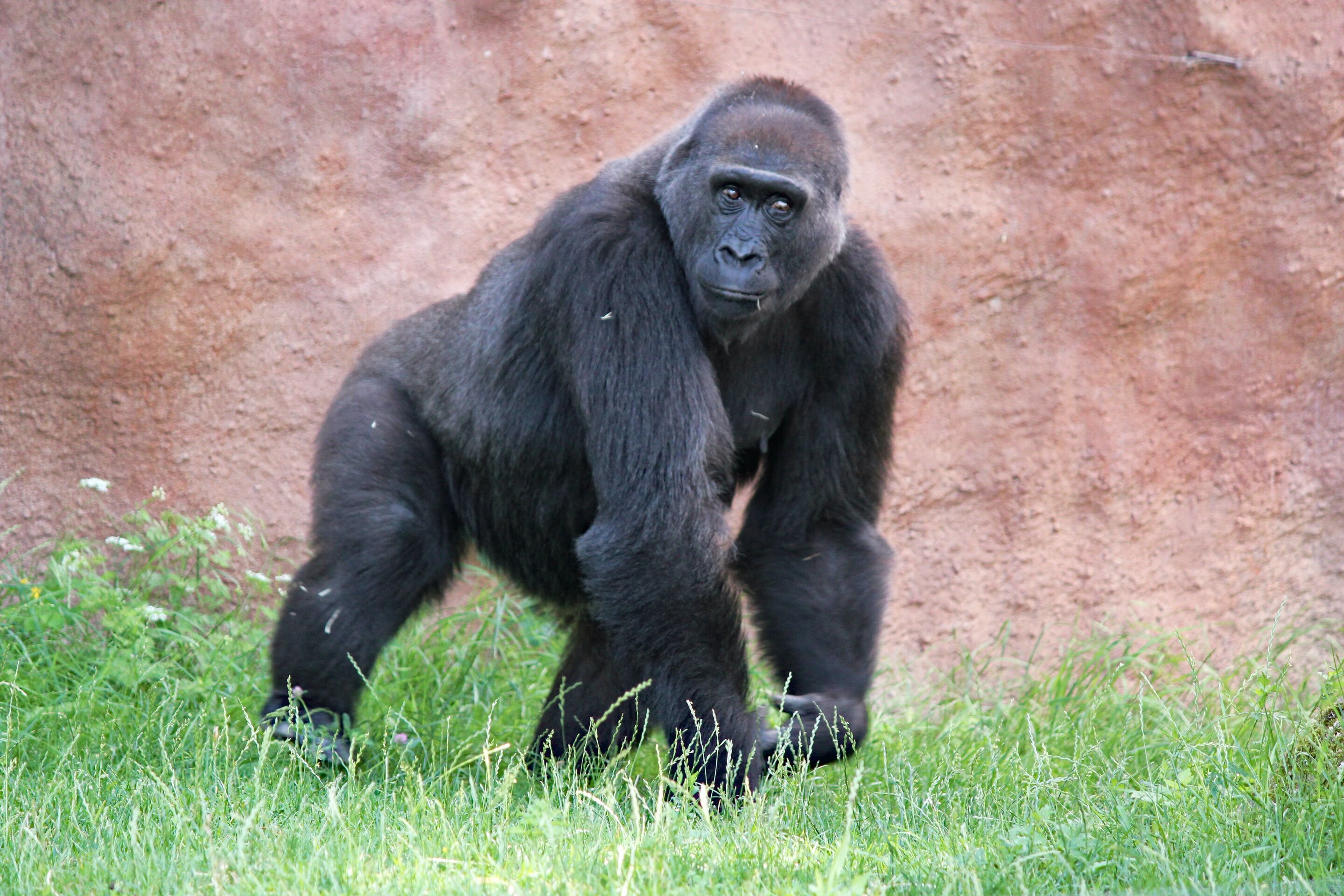
Masturbation is an ancient trait in primates, and at least in males, it increases reproductive success and helps to avoid contracting sexually transmitted infections (STIs), according to new research. The study found that masturbation has a long evolutionary history among primates and was most likely present in the common ancestor of all monkeys and apes. The research also found that male masturbation has co-evolved with multi-male mating systems where male-male competition is high and high STI load across the primate tree of life. The significance of female masturbation remains less clear.
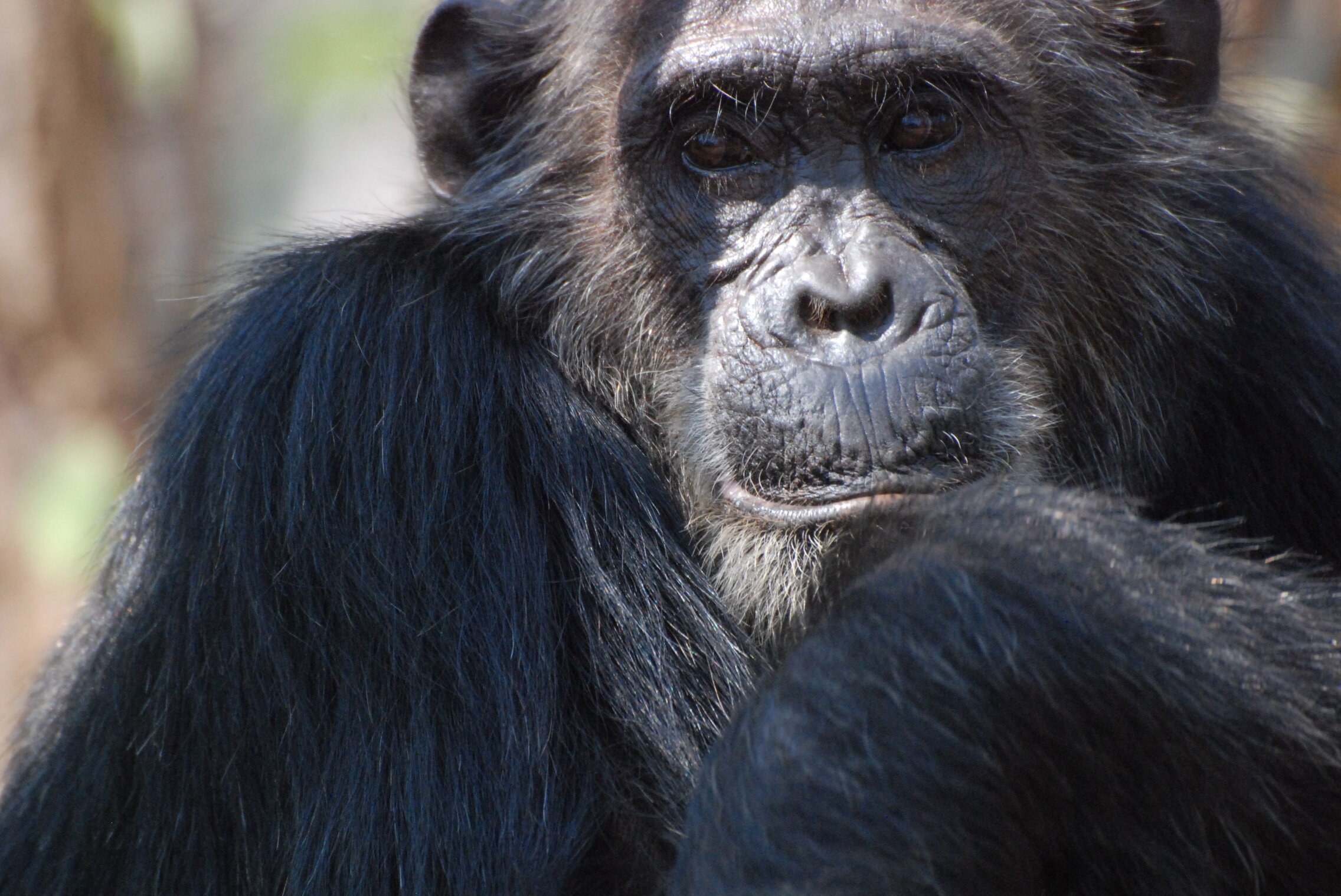
A study conducted by researchers from the University of Edinburgh and Duke University found that male chimpanzees with bullying, greedy, and irritable personalities achieved higher social status and had greater reproductive success than their more submissive and conscientious counterparts. The team observed 28 male chimps in Tanzania’s Gombe National Park to determine the impact of personality traits on success. While the benefits of aggressive behavior were clear, the team found no evidence that certain traits were only advantageous at specific life stages, leading them to conclude that other factors, such as environmental or social conditions, may explain the diversity of personalities in chimpanzees.
A new study published in the journal PeerJ found that male chimpanzees with bullying, greedy, and irritable personalities tend to reach higher rungs of the social ladder and are more successful at siring offspring than their more deferential and conscientious counterparts. However, researchers are puzzled as to why not every chimp is a bully if it leads to success. The study suggests that something else must explain the diversity of personalities in chimpanzees, such as environmental or social conditions, or the cost of certain traits to females.