Despite a decline in remote work popularity post-pandemic, the demand for remote jobs remains high, with over 1.1 million global searches monthly. A list of 20 companies hiring for fully remote positions in 2025 includes Allstate, Amgen, Atlassian, and Spotify, among others. These companies offer various remote work policies, from hybrid models to fully remote options, providing job seekers with numerous opportunities to find remote work that aligns with their preferences and values.

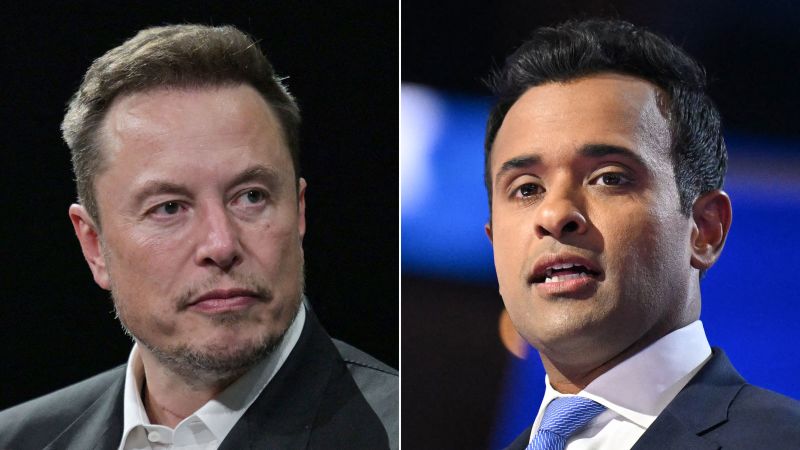
Elon Musk and Vivek Ramaswamy, appointed by President-elect Donald Trump to lead the Department of Government Efficiency, are advocating for federal employees to return to in-person work, aiming to reduce costs and potentially prompt voluntary resignations. While flexible work arrangements existed pre-pandemic, the Office of Management and Budget has pushed for increased in-person work post-pandemic. However, telework policies vary significantly across federal agencies, and changes could face challenges from union agreements. Critics argue that a blanket return-to-office mandate may not yield significant savings and could drive talent to the private sector.
A startup named Pickle offers a service that allows users to create digital avatars for video conferencing, enabling them to appear present in meetings while being elsewhere. Users submit a five-minute training video to generate their avatar, which can be used on platforms like Zoom, Google Meet, and Teams. The service, currently available only for MacOS, is backed by Krew Capital and ranges in price from $300 to $1,150 annually. Due to high demand, there is a delay in avatar generation.
President-elect Donald Trump's Department of Government Efficiency, led by Elon Musk and Vivek Ramaswamy, is considering ending remote work for federal employees to reduce the workforce through attrition. This initiative, known as DOGE, aims to mandate a five-day in-office workweek, potentially causing many federal workers to quit. The plan, which may be implemented through executive orders, is part of a broader effort to cut government spending. Critics argue that such changes could disrupt lives and not yield significant savings.
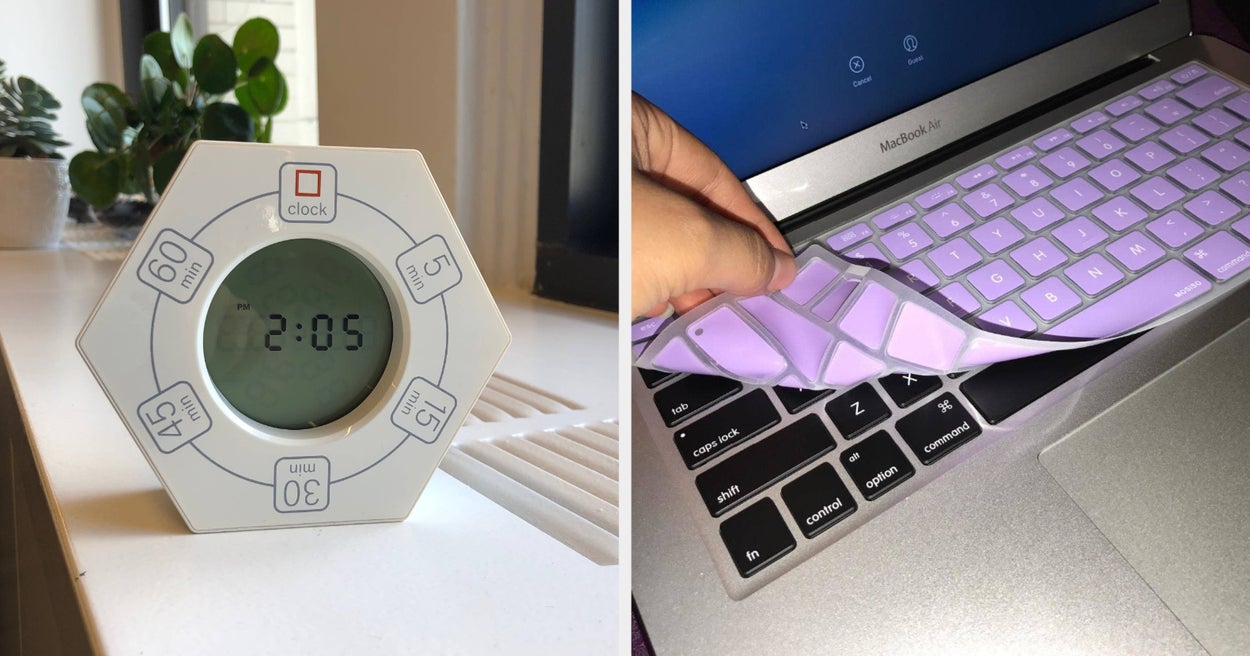
A list of 34 work-from-home essentials for Type-A personalities includes noise-cancelling earbuds, noise-reduction earplugs, cleaning putty gel, a portable dual monitor, a cold brew coffee maker, a reusable notebook, fast-drying highlighters, self-adhesive cable clips, a cord organizer, a keyboard cover, a rotating timer, a wall charger, an attachable laptop belt, a desktop whiteboard, waterproof sticky notes, an aromatherapy migraine stick, webcam covers, a Bluetooth label maker, a mug warmer, a tear-off daily planner, an electric standing desk, an anti-fatigue mat, desk chairs, soundproofing strips, a Bluetooth speakerphone, a charging station, a desk organizer, a document holder, a laptop holder, a phone holder, and a privacy sign.
A study by Gensler's research arm indicates that U.S. office workers believe they need to be in the office 63% of the week to maximize productivity, challenging the notion that remote work does not impact efficiency. Despite the push for remote work, leaders like Elon Musk and Jamie Dimon have argued that in-office work is more productive. The study suggests a productivity sweet spot of two-thirds of the week in-person, taking into account individual circumstances such as commute and family responsibilities. Gensler's findings highlight the importance of in-office presence for business outcomes, including improved relationships, work quality, and access to critical information, while also acknowledging the benefits of a flexible, hybrid work model.
Carlos Aparicio, a 24-year-old remote worker from El Paso, Texas, has successfully managed to balance his work and personal life, becoming highly productive and present with his loved ones while also enjoying outdoor activities. He overcame a previous struggle with tech addiction, where he found himself unable to engage in simple activities like walking his dog without using his iPhone. The article suggests that there are technological solutions available to help individuals beat their tech addictions and achieve a similar balance in their lives.
Business travel is undergoing a transformation rather than a decline, with a shift from client meetings to internal team gatherings due to the rise of remote and hybrid work models. The Global Business Travel Association predicts business travel spending will exceed pre-pandemic levels by 2024. Companies are now focusing on "non-customer travel" for team bonding and maintaining company culture, as in-person interactions are deemed critical for building long-term relationships among remote employees. Business travel is also seen as important for professional development, indicating a new purpose and value in corporate trips in the era of remote work.
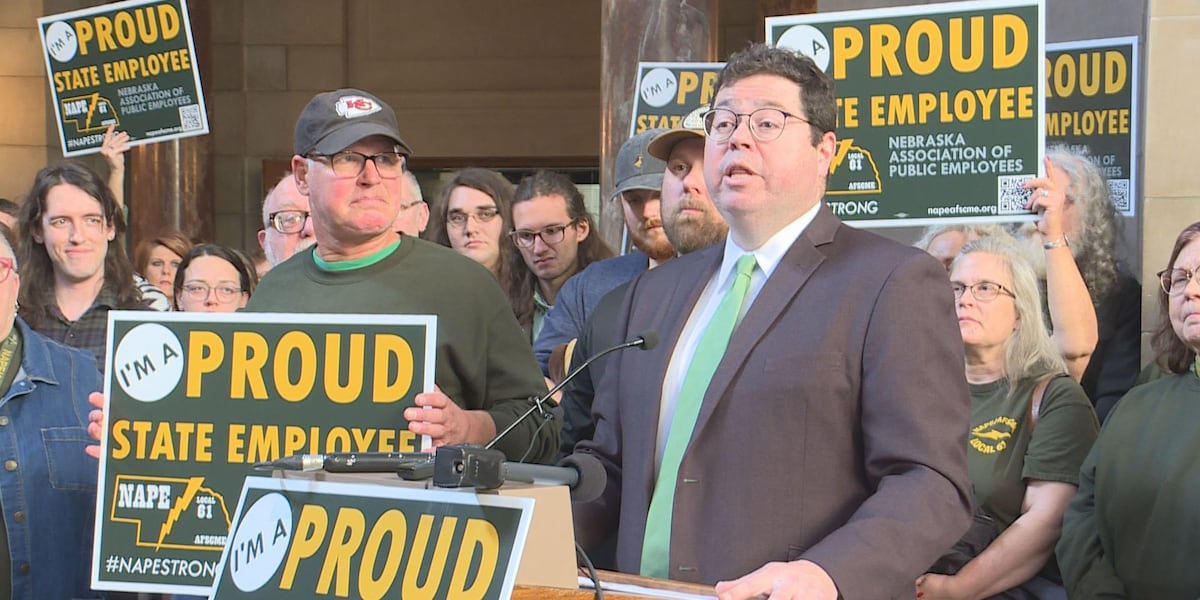
The Nebraska Commission of Industrial Relations has temporarily halted the implementation of Governor Jim Pillen's executive order that would end remote work for state employees, following a petition from the Nebraska Association of Public Employees (NAPE). The union argued that the state violated collective bargaining laws by not negotiating the terms of the order. The pause allows for the possibility of negotiation between the state and NAPE while the case is pending, with a trial unlikely to occur before February 2024. Governor Pillen's office maintains that the order still applies to most state workers, with the exception of those with existing remote or hybrid work agreements.