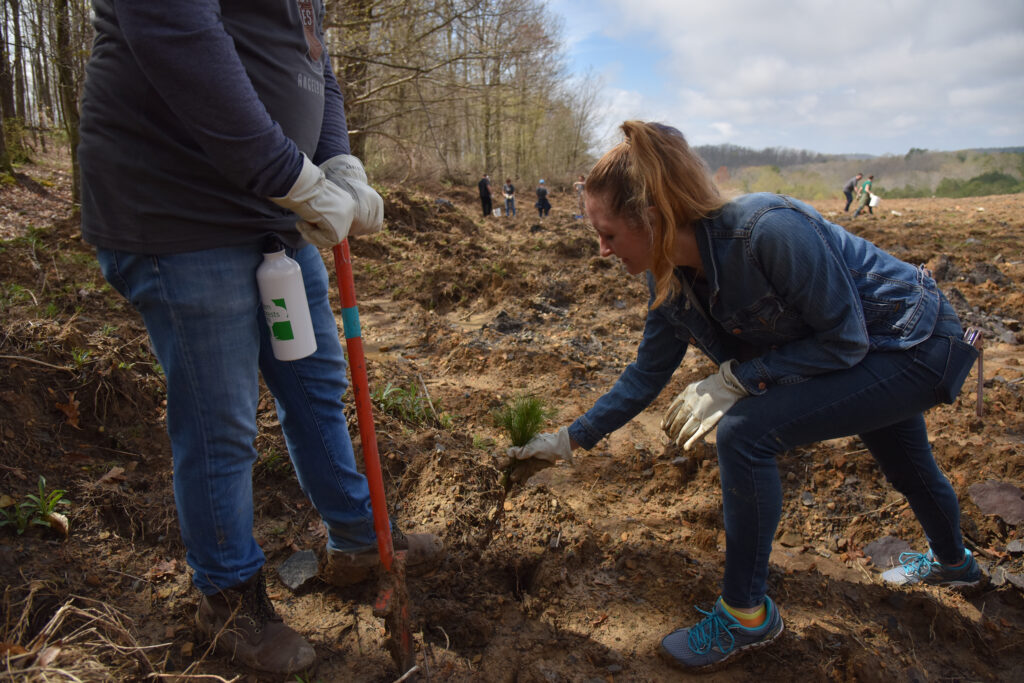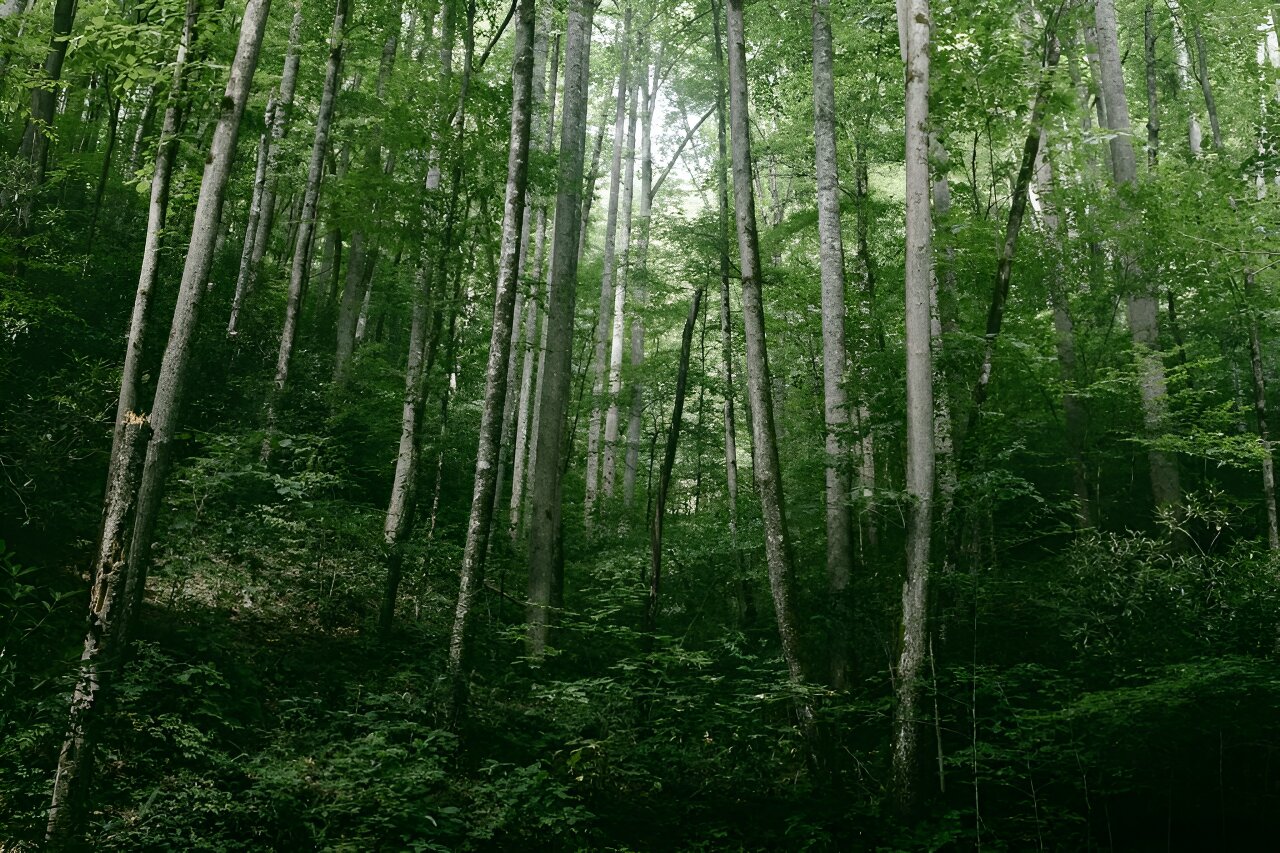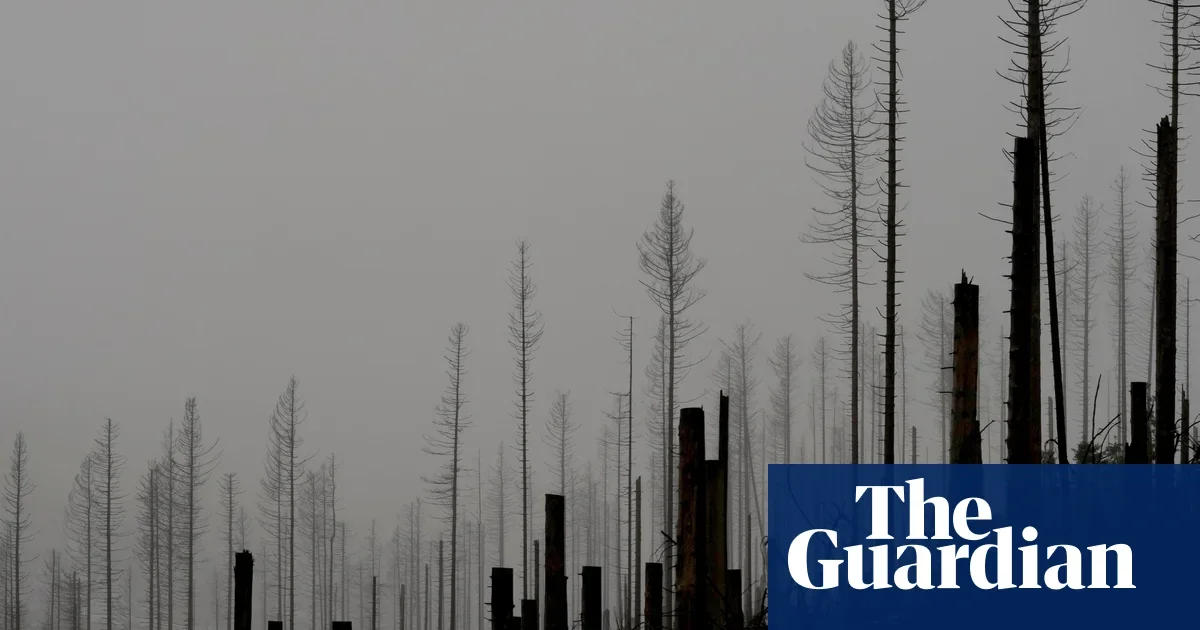
Germany's forests are severely affected by climate change and bark beetle outbreaks, leading to reduced CO2 absorption. A new reforestation approach involving diverse species is being tested to enhance resilience and restore ecological balance, highlighting the importance of biodiversity in combating climate impacts.
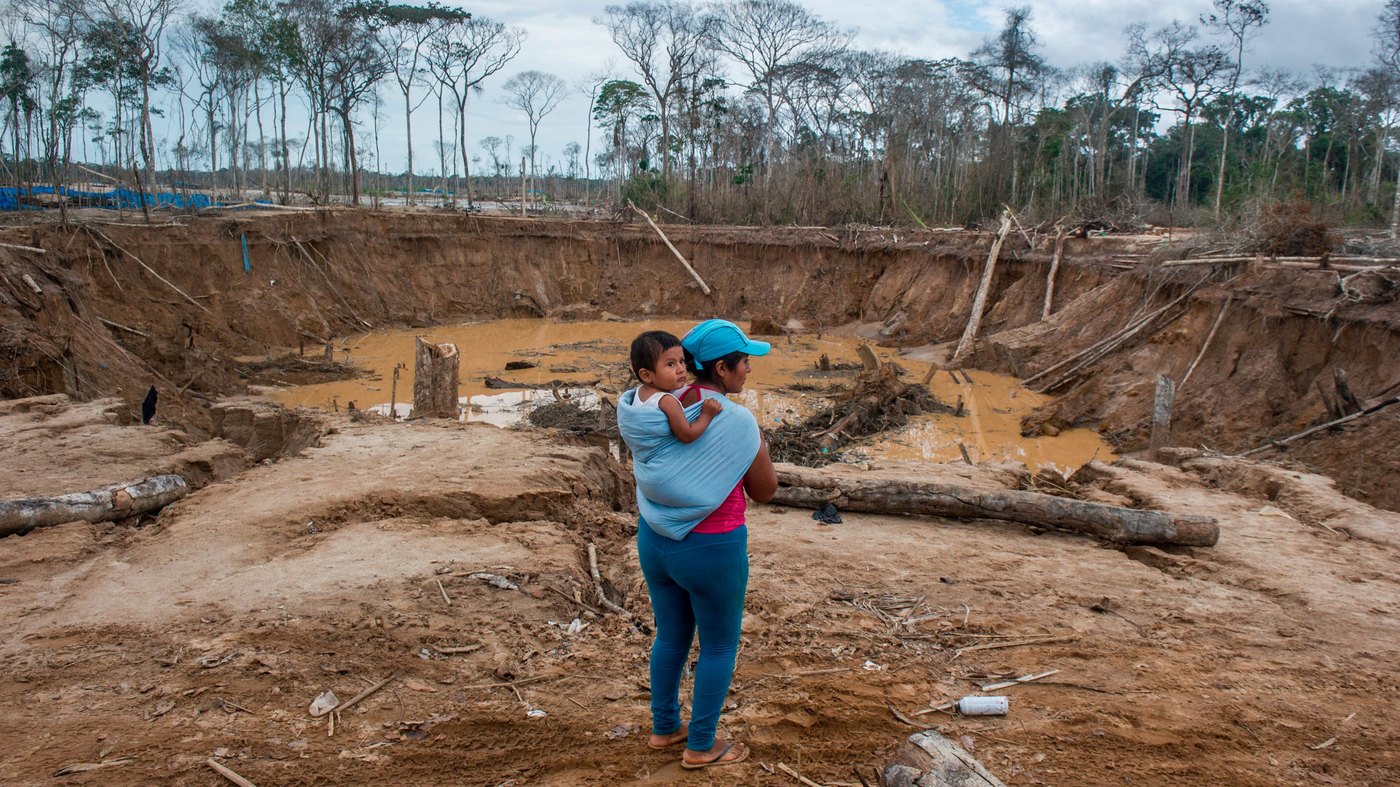
In the Madre de Dios region of Peru, a nonprofit group called Pure Earth is working with miners to restore the Amazon rainforest that was devastated by illegal gold mining. By planting saplings and using techniques to regenerate the soil, they are successfully reviving the once-denuded landscape. This effort not only aims to restore the forest but also mitigate the impact of mercury contamination caused by the mining. Pure Earth is also teaching miners responsible gold extraction methods to reduce environmental harm, offering hope for a sustainable future in the region.
A recent study published in the journal Science suggests that the cooling benefits of planting trees may be overestimated, as darker forests can warm the Earth by reducing the albedo of the land they cover. Trees also release organic compounds that can react with oxidants, leading to a reduction in the destruction of methane and an increase in greenhouse gas concentrations. The study emphasizes the need for a more inclusive effort to mitigate climate change, including environmental management and lower energy-intensive consumption, to maximize the climate benefits of planting trees. Additionally, the focus should be on not only planting trees but also preserving current forests, as tree planting may make more sense for some areas than others.
A new study suggests that widespread reforestation in the eastern United States during the 20th century helped counter rising temperatures due to climate change, leading to a cooling effect in the region. The research highlights the potential of forests as regional climate adaptation tools and emphasizes the need for both reforestation and a decrease in carbon emissions. The study found that forests in the eastern U.S. today cool the land's surface and lower near-surface air temperatures, with the cooling effect extending to unforested parts of the landscape. While reforestation is considered a viable strategy for climate mitigation, its impact on other environmental factors must be carefully evaluated.
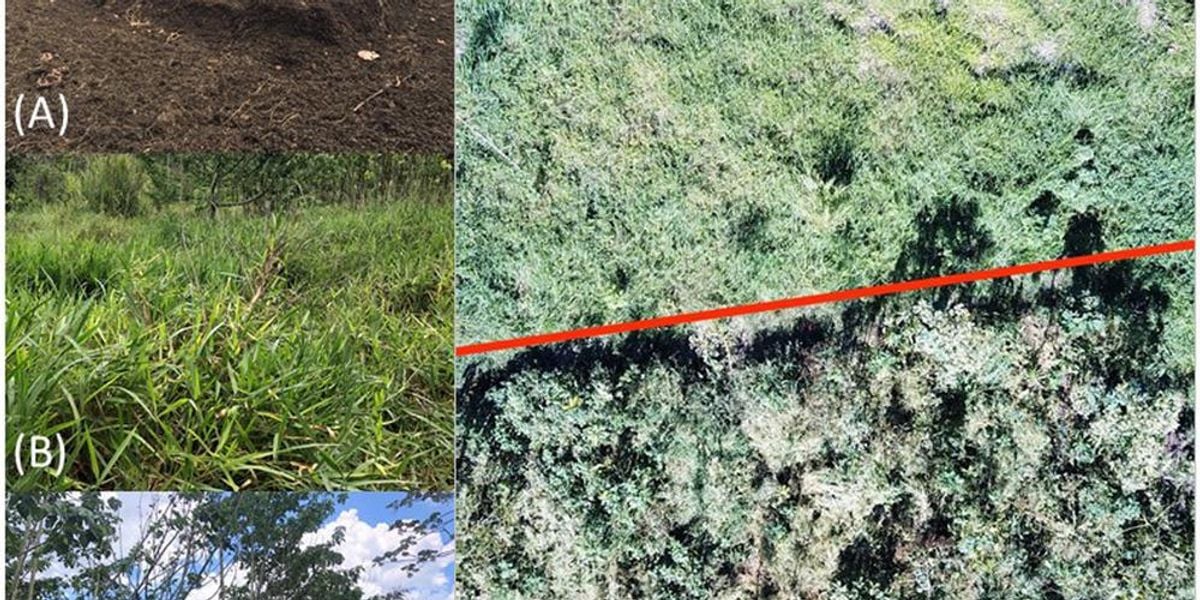
Researchers from ETH-Zurich and the University of Hawaii conducted a study in Costa Rica where they spread 30 dump trucks worth of coffee pulp over a degraded land area. Within two years, the coffee-pulp-treated area transformed into a small forest with 80% canopy cover, while the control area remained dominated by non-native grasses. The coffee pulp not only accelerated forest recovery but also eliminated an invasive grass species, allowing native species to recolonize the area. This study suggests that coffee waste can be a cost-effective and environmentally beneficial method for reforesting degraded land, supporting global reforestation objectives and potentially mitigating the effects of climate change.
Illegal logging has caused significant damage to the forest-covered southern half of Mexico City, threatening the recharge of aquifers, air quality, and temperature regulation. Local farm communities suspect organized crime gangs have entered the illegal logging business, possibly due to the crackdown on fuel theft. Mexico City authorities have identified criminal groups behind the illegal logging and have conducted raids on sawmills. However, the problem persists, with forests being rapidly cut down and replaced with small saplings that may not survive. The battle against illegal loggers is challenging, with attacks on rangers and even soldiers. Mexico City is the world's deadliest place for environmental and land defense activists, with 54 activists killed in 2021.
House Republicans are proposing an ambitious reforestation plan as their response to climate change. The party, no longer denying the existence of global warming, aims to address climate issues without abandoning their support for American-produced energy from fossil fuels. The plan involves planting a trillion trees, which was embraced by major conservation groups and former President Donald Trump. However, environmental scientists argue that tree-planting is not a sufficient solution and could distract from cutting emissions from fossil fuels. Critics also point out that planting a trillion trees would require a massive amount of space and could increase the risk of wildfires. Despite differing opinions within the party, some Republicans are acknowledging the need to address climate change due to its economic toll and growing concerns among constituents.
A new study from the University of Georgia has linked tree genetics to community biodiversity at a continental scale, specifically focusing on cottonwood trees in the North American southwest. The research highlights the importance of considering tree genetics in reforestation efforts to create more resilient ecosystems. By understanding the relationship between tree genotypes and the organisms they support, conservation efforts can be better informed to protect regional biodiversity. The study suggests that collecting seeds from nearby regions with similar future climate conditions can help maintain local genetic variation while adapting to climate change.
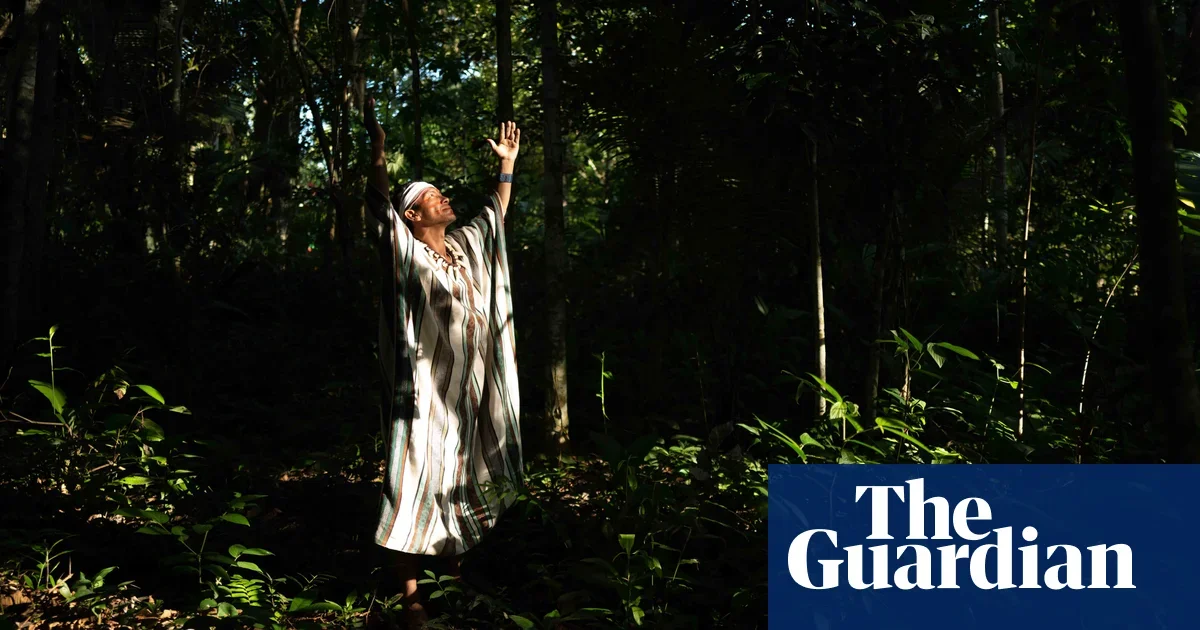
The Asháninka people of Apiwtxa village in the Amazon have become a model for sustainable development, reforestation, and agroforestry. The community has planted over 2 million trees and achieved food security and autonomy while maintaining a balance between their way of life and modernity. The Asháninka reject the idea that humanity is separate from nature and have restored the forest's biodiversity by managing an abundance of plant species, attracting insects, birds, reptiles, and animals to their lands. The community's work has made it possible to transform once-devastated land into a lush forest and to help carry the message of forest conservation and sustainability beyond their own territory.
Gisele Bündchen and her twin sister Patricia hosted the Luz Alliance Gala in Miami, raising nearly $1 million for reforestation causes in Brazil. The supermodel thanked her sister for organizing the event and reflected on the importance of collaboration to amplify change. The twins' bond is extra special as they have been together since the womb. Patricia is also Gisele's manager and is in charge of her business deals in Brazil.
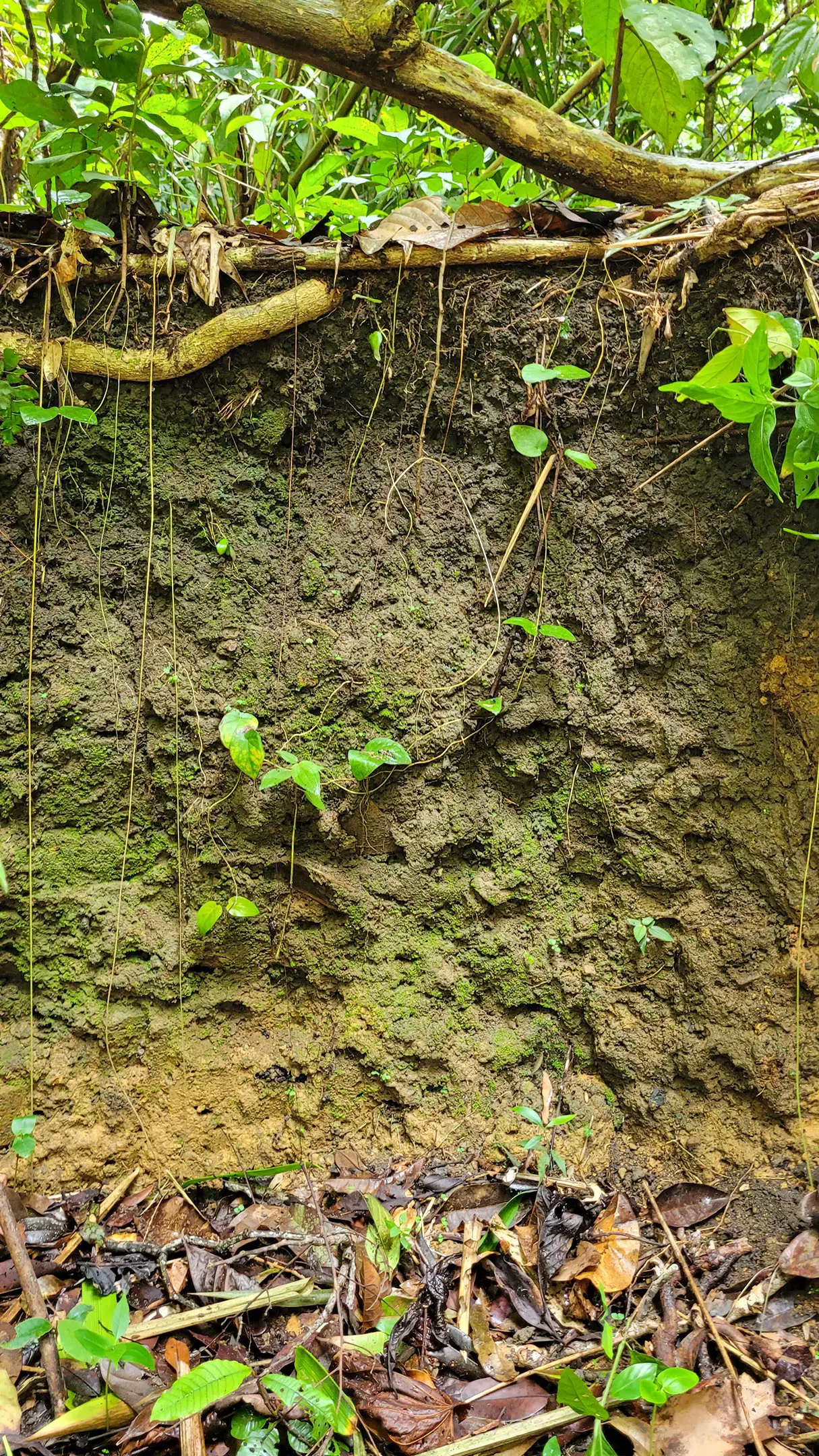
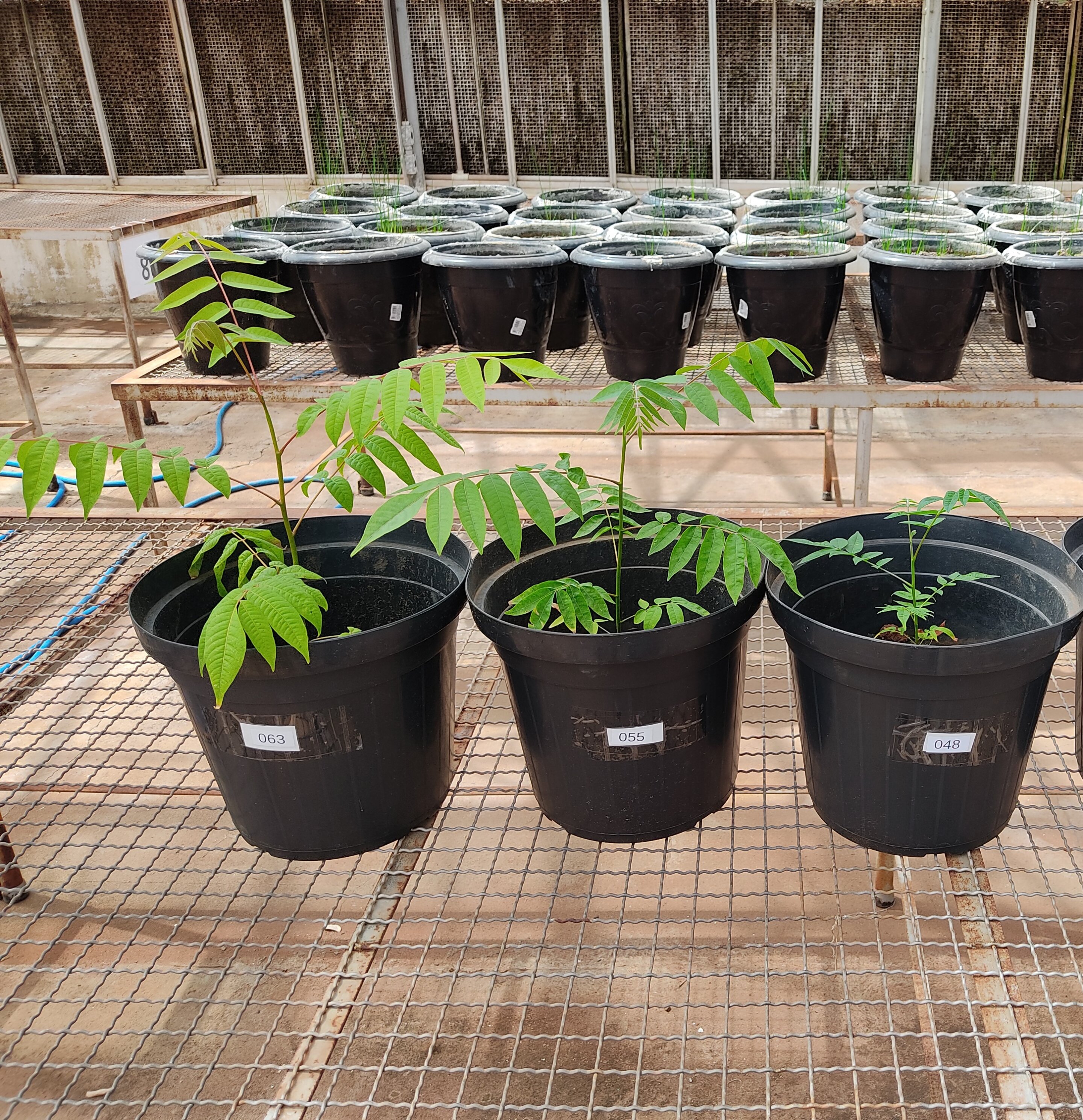
Adding Amazonian dark earth (ADE) to soil can significantly boost plant growth and support greater biodiversity of bacteria and archaea, according to a study by Brazilian scientists. ADE, also known as terra preta, is highly fertile due to its richness in nutrients and stable organic matter. The study suggests that ADE could be utilized to speed up ecological restoration projects around the world, but the authors caution against using ADE itself, which has taken thousands of years to accumulate, and recommend copying its characteristics, particularly its microorganisms, for use in future ecological restoration projects.
Amazonian dark earth (ADE) or terra preta, exceptionally fertile because rich in nutrients and stable organic matter derived from charcoal, could be a ‘secret weapon’ to boost reforestation – not only in the Amazon, where 18% or approximately 780,000 km2 has been lost since the 1970s – but around the world. ADE can enhance the growth of pasture and trees due to their high levels of nutrients, as well as to the presence of beneficial bacteria and archaea in the soil microbial community.
Amazonian dark earth (ADE) or terra preta, exceptionally fertile because rich in nutrients and stable organic matter derived from charcoal, could be a 'secret weapon' to boost reforestation—not only in the Amazon, but around the world. ADE contains microorganisms that are better at transforming soils into nutrients that can be taken up by plants, thus providing more resources for plant development. ADE can boost plant growth and its characteristics, particularly its microorganisms, can be copied for use in future ecological restoration projects.