The reintroduction of wolves to Yellowstone has led to a significant recovery of aspen forests, with new overstory trees now thriving after decades of decline caused by overgrazing by elk, demonstrating the positive impact of top predators on ecosystem health.
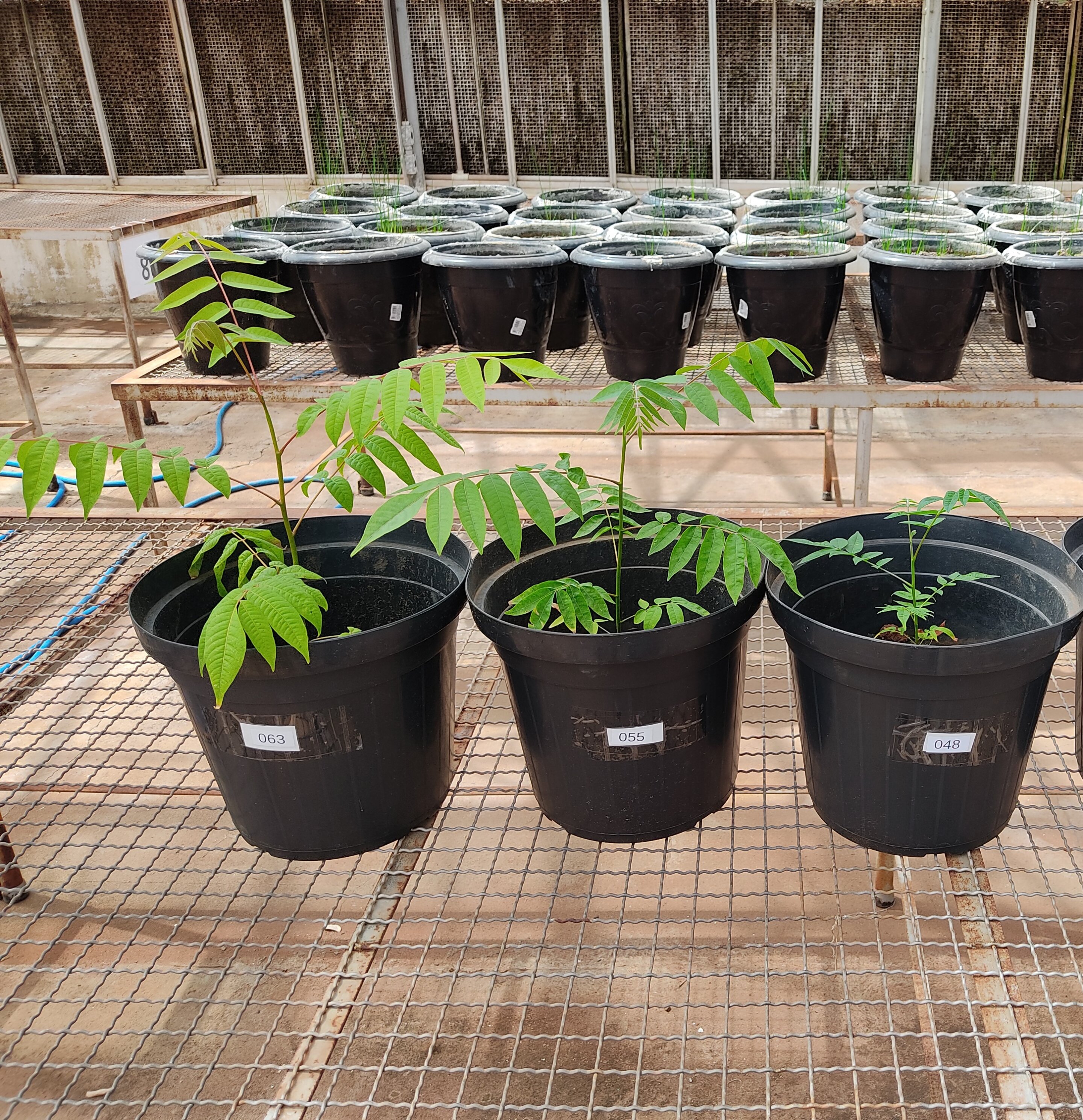
Adding Amazonian dark earth (ADE) to soil can significantly boost plant growth and support greater biodiversity of bacteria and archaea, according to a study by Brazilian scientists. ADE, also known as terra preta, is highly fertile due to its richness in nutrients and stable organic matter. The study suggests that ADE could be utilized to speed up ecological restoration projects around the world, but the authors caution against using ADE itself, which has taken thousands of years to accumulate, and recommend copying its characteristics, particularly its microorganisms, for use in future ecological restoration projects.
Amazonian dark earth (ADE) or terra preta, exceptionally fertile because rich in nutrients and stable organic matter derived from charcoal, could be a ‘secret weapon’ to boost reforestation – not only in the Amazon, where 18% or approximately 780,000 km2 has been lost since the 1970s – but around the world. ADE can enhance the growth of pasture and trees due to their high levels of nutrients, as well as to the presence of beneficial bacteria and archaea in the soil microbial community.
Amazonian dark earth (ADE) or terra preta, exceptionally fertile because rich in nutrients and stable organic matter derived from charcoal, could be a 'secret weapon' to boost reforestation—not only in the Amazon, but around the world. ADE contains microorganisms that are better at transforming soils into nutrients that can be taken up by plants, thus providing more resources for plant development. ADE can boost plant growth and its characteristics, particularly its microorganisms, can be copied for use in future ecological restoration projects.