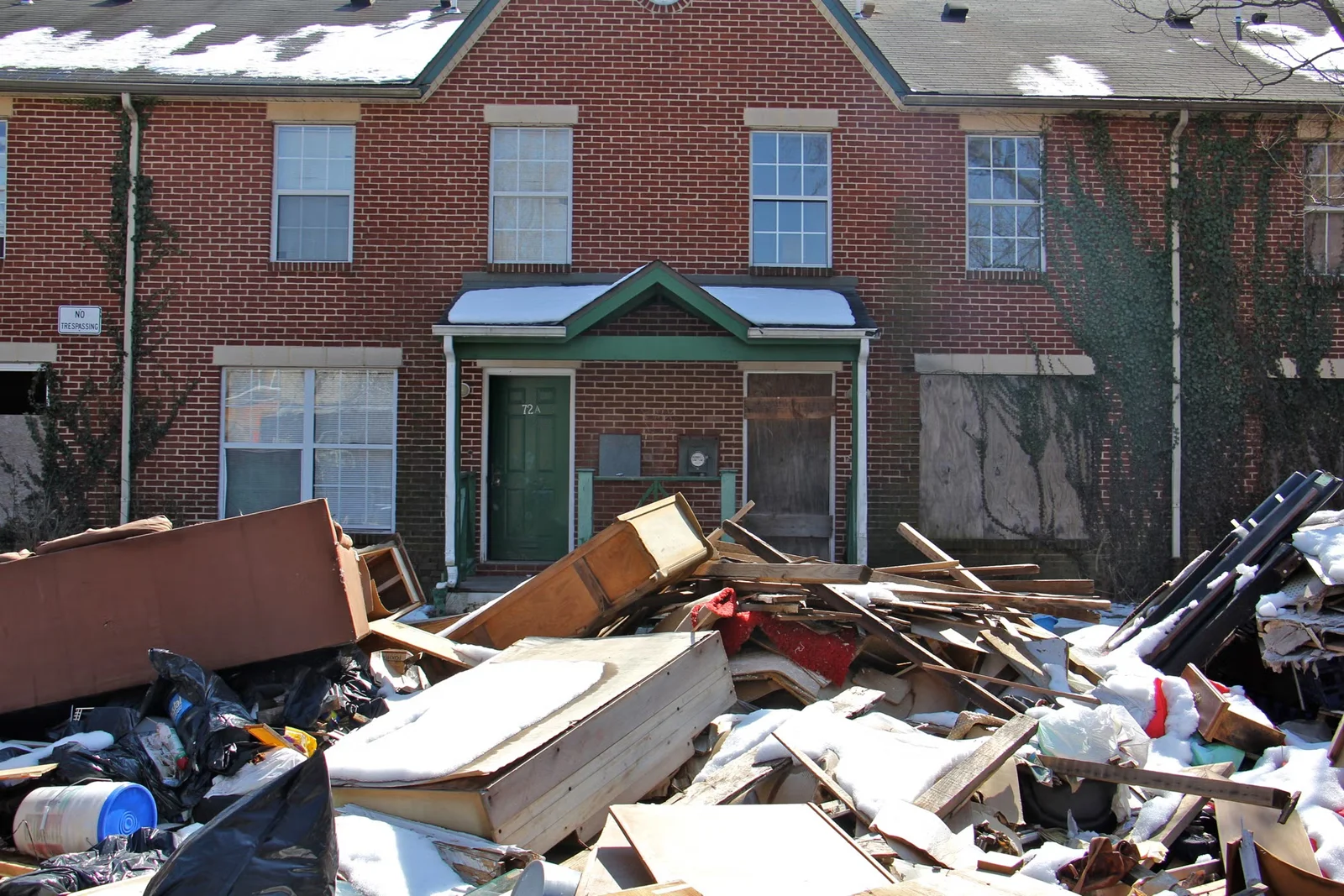
The Philadelphia Housing Authority plans to invest $84 million to transform over two dozen vacant properties in Germantown into 121 affordable rental units, with work expected to start by spring 2027. The project aims to revitalize blighted properties, including historic sites, and provide deeply affordable housing for households earning at or below 30% of the area median income. The initiative follows a history of neglect and legal battles involving previous ownership, and is part of broader efforts to improve neighborhood housing.
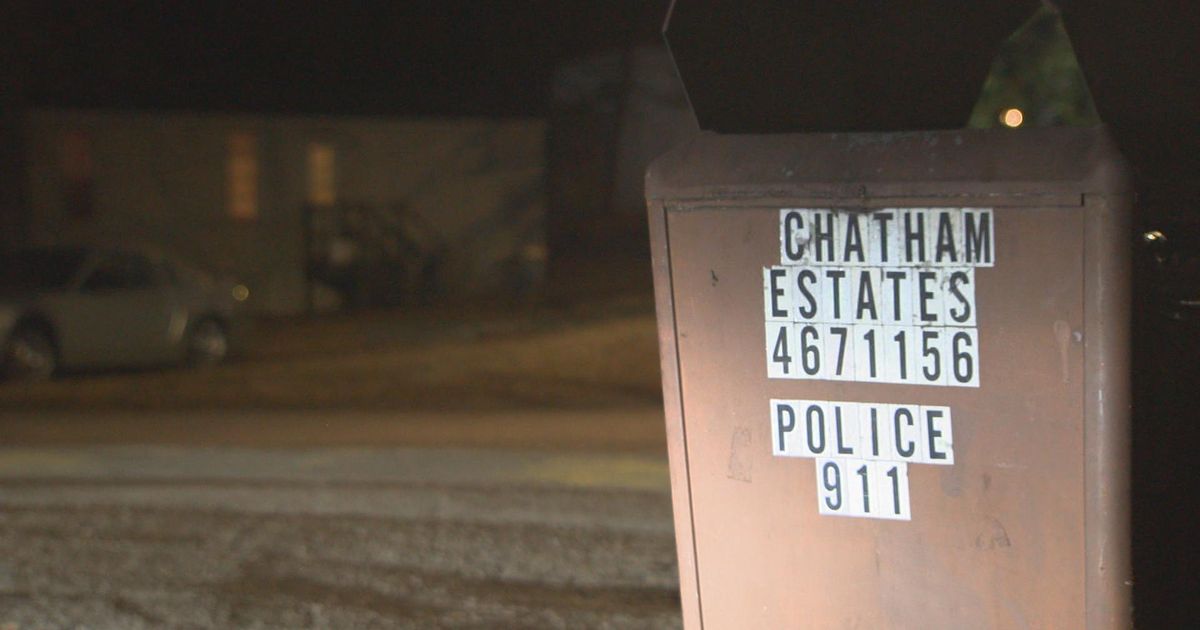
Over 100 families in Cary's Chatham Estates mobile home park are facing eviction by June 2026 due to the sale and redevelopment plans, which include building new multifamily units and townhouses, raising concerns about affordability and displacement, with some residents seeking alternative housing options.
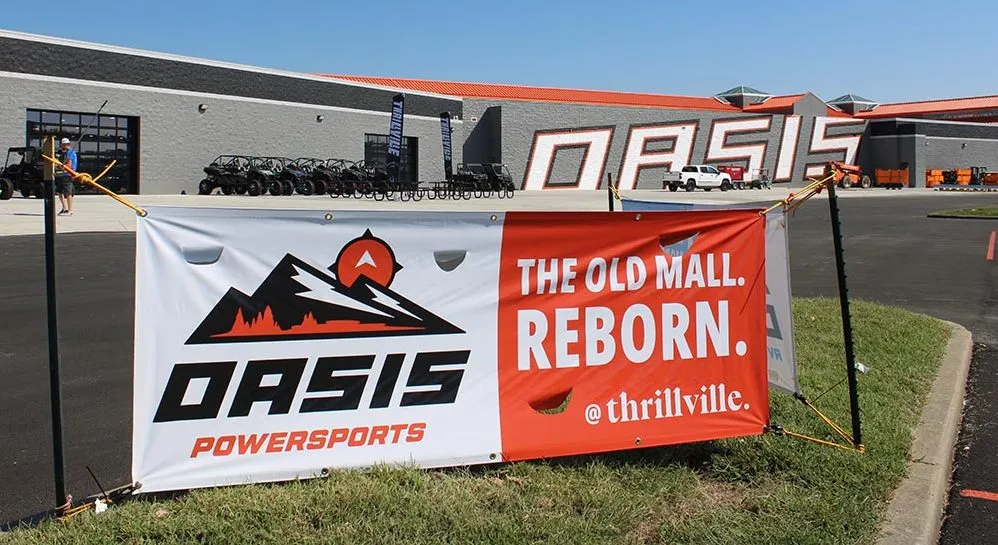
A $112 million redevelopment project in Marion, Illinois, aimed at revitalizing a dying mall and boosting the local economy, faces challenges due to the financial troubles and foreclosure of one of the key developers, Jerry Barrass, which could impact the project's future plans. Despite these issues, local officials and remaining partners continue to push forward with the project, which includes entertainment venues, hotels, and attractions designed to attract tourists and create jobs.
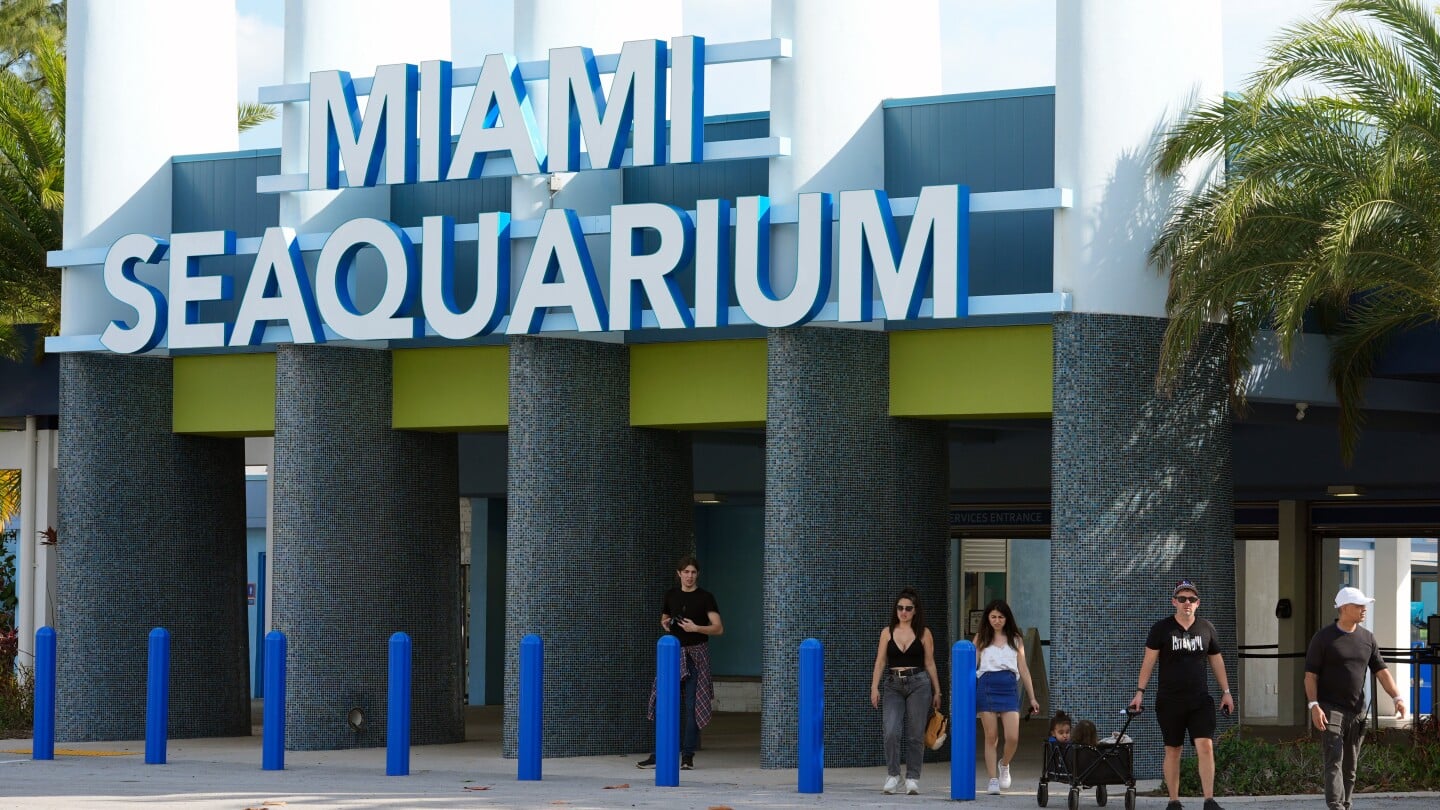
The Miami Seaquarium, a historic tourist attraction known for dolphin and orca shows, has closed after decades of controversy and animal welfare issues, with plans to redevelop the site into an aquarium without marine mammals, a research center, and public amenities.
The Miami Seaquarium, a historic tourist attraction known for dolphin and orca shows, has closed after decades of animal welfare complaints and violations, with plans to redevelop the site into an aquarium without marine mammals, a research center, and public amenities.
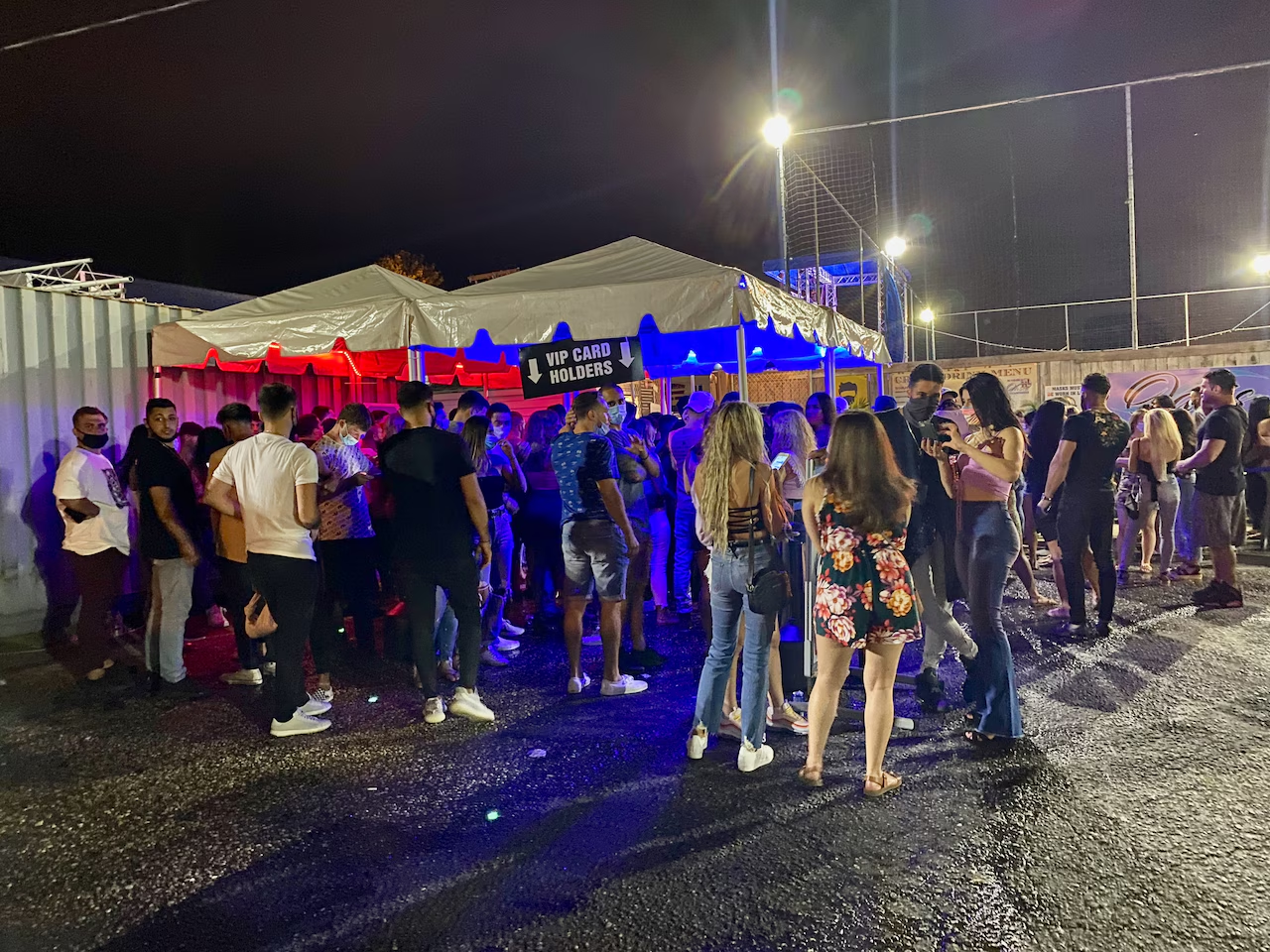
The historic Headliner Oasis nightclub in Neptune Township, a beloved Jersey Shore venue, is closing on October 20th to make way for a new redevelopment project called Waterways at Neptune, which will feature a hotel, residential buildings, and retail spaces. The owners expressed gratitude for the community support over the years and are hosting final events before demolition.
The Department of Transportation plans to take over Washington's Union Station, which it already owns, aiming to boost income, security, and attract private investment for redevelopment, including potential expansion and improvements to safety and infrastructure. The move is part of broader efforts to increase control over key transit hubs and enhance their appeal and safety.
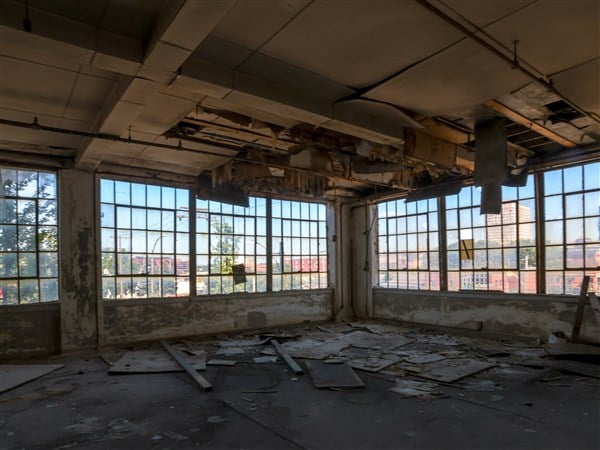
The abandoned 1301 Adams St. in Toledo, a historic building with potential for redevelopment, is up for auction. Despite its dilapidated state and extensive repairs needed, it offers opportunities for creative reuse like a hotel or mixed-use space, supported by a $1.1 million historic tax credit. The project requires a dedicated buyer with vision and resources to transform the relic into a vibrant part of UpTown's future.
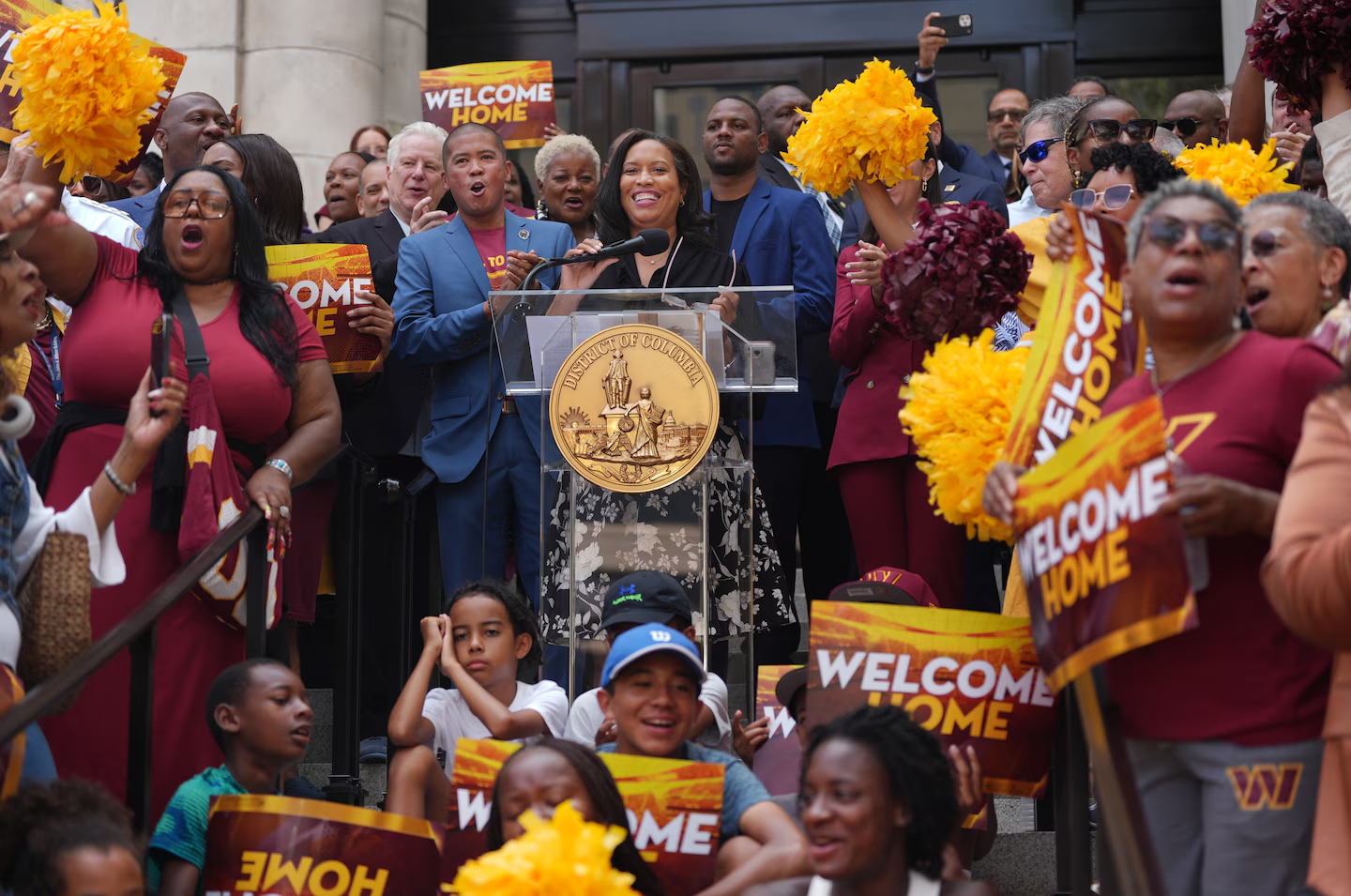
D.C. Council Chairman Phil Mendelson announced a deal with the Washington Commanders to redevelop RFK Stadium, which is expected to save hundreds of millions of dollars and paves the way for a vote on bringing the team back to its historic site.
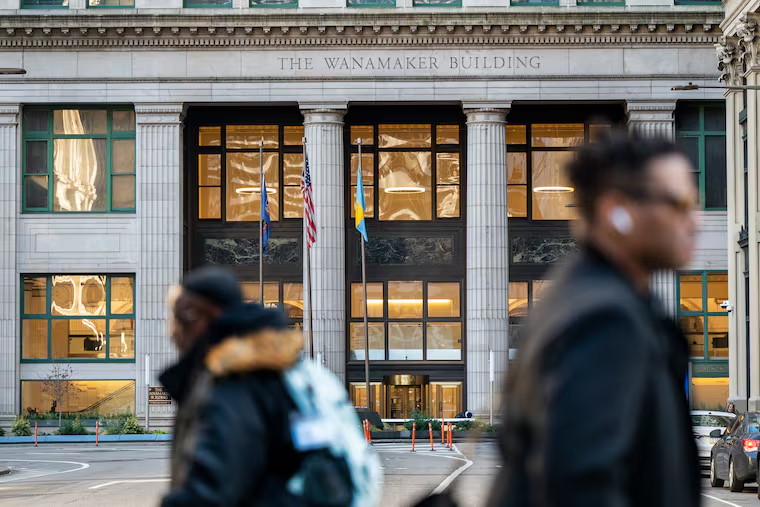
TF Cornerstone has acquired control of the Wanamaker building in Philadelphia and plans to convert floors 6 to 12 into 600 loft apartments, while maintaining retail, office, and public spaces, with construction starting in 2026. The project aims to preserve the building's historic features and boost local vibrancy.
As traditional shopping malls decline due to the rise of e-commerce, many U.S. cities are repurposing these spaces into parks and mixed-use developments. This transformation not only addresses the loss of retail spaces but also enhances urban environments by increasing green spaces, which offer numerous health and environmental benefits. Despite challenges like funding and zoning, these projects can revitalize communities, reduce urban heat, and manage stormwater, ultimately reshaping urban landscapes for a more sustainable future.
A $1.6 billion redevelopment plan proposes reducing Detroit's Renaissance Center from five to three towers, adding residential units, office space, and a riverfront park. The project, led by Dan Gilbert's Bedrock and General Motors, seeks $250 million in state support. The plan aims to modernize the site for mixed-use, including entertainment and dining, while addressing post-pandemic shifts in office space demand. However, the proposal faces skepticism from lawmakers and real estate experts over taxpayer funding and the impact on Detroit's skyline.
The Astrodome Conservancy has unveiled a $1 billion plan to transform the unused Astrodome in Houston into a multi-use, revenue-generating space. The proposal, called "Vision Astrodome," includes a public events arena and commercial real estate, with funding from taxpayer money, historic tax credits, and private investments. However, the plan faces opposition from RodeoHouston and other stakeholders who prioritize maintenance and improvements for existing NRG Park facilities. Harris County commissioners will ultimately decide the fate of the Astrodome.
The City of Oakland is set to sell its half of the Coliseum complex to the African American Sports and Entertainment Group, paving the way for a massive entertainment, retail, and residential development project that could revitalize the area. The sale, valued at least $105 million, comes as the Athletics prepare to leave Oakland, leaving the Coliseum without a major tenant. The move is seen as an opportunity for East Oakland's development and will help cover the city's budget deficit, although officials emphasize that the decision is not solely financially motivated.
General Motors announced that it will move its headquarters from the Renaissance Center to the new Hudson's building in Detroit, leaving businesses inside the RenCen caught off guard. The move, set for 2025, has raised concerns for the future of these businesses, which have seen a decline in customers and foot traffic in recent years. GM, along with Bedrock Detroit and local officials, will explore redevelopment plans for the RenCen, but specific details have not yet been determined.