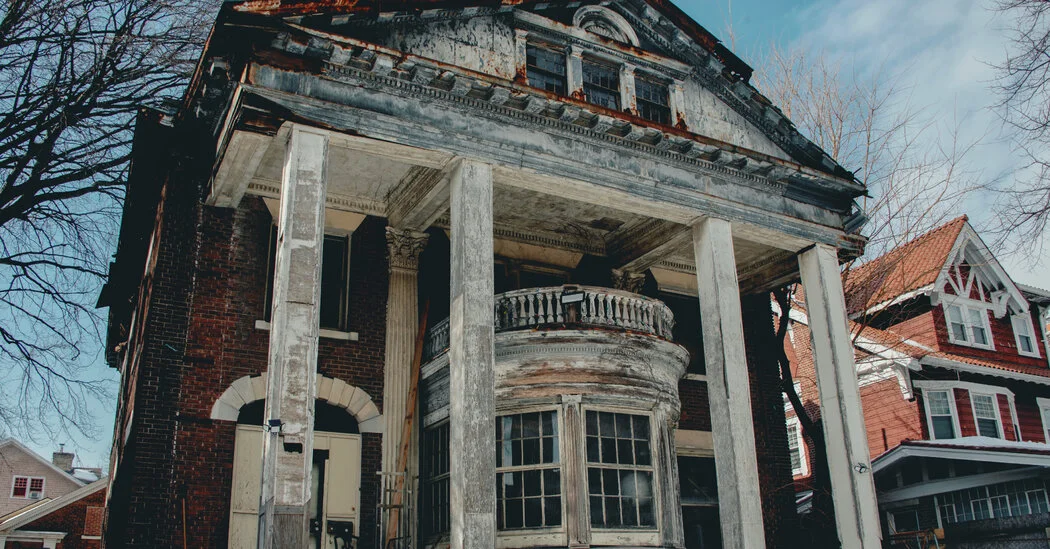
A landmarked 1899 mansion at 1000 Ocean Avenue in Ditmas Park, Brooklyn, has fallen into severe disrepair with dozens of city violations; listed for $2.6 million, its restoration could cost $3–5 million and would require Landmarks Commission approvals, leaving its future uncertain and demolition possible only under rare circumstances.
A federal judge pressed Justice Department lawyers to cite the legal authority for the Trump administration’s plan to demolish the White House East Wing and build a $400 million ballroom, as historic-preservation groups sue for oversight. The hearing raises whether Congress must authorize such a project, even as the administration cites funding and Interior Department gifts; design reviews by two federal commissions continue and construction remains planned for spring, with potential appeals to higher courts.
Trump appointees on the Commission on Fine Arts endorsed a major White House ballroom expansion but pressed for in-person 3D scale models of the complex (including the Treasury and Eisenhower Building) to judge its mass and how it fits with the White House’s character. The plan would add about 90,000 square feet in total, with 22,000 for the ballroom, bringing the footprint to roughly 145,000 sq ft after the East Wing demolition. Concerns about scale, symmetry, and the view from the South Lawn persisted along with largely negative online public comments. Historic preservationists are seeking a court injunction to halt construction, and U.S. District Judge Richard Leon said a ruling is expected next month with potential appeals anticipated. If approved, the in-person briefing would accompany renderings already shown to the commission, and a two-story east colonnade may be added to improve cohesion.
A federal judge questioned the Trump administration's claim it can continue the privately financed East Wing ballroom renovation without congressional approval, as the National Trust for Historic Preservation seeks to block the project until proper oversight is followed; the argument centers on whether the president can unilaterally proceed and whether the private funding arrangement qualifies as in-house financing. A ruling is expected in February.
John Mayer and McG purchased the historic Chaplin Studios for $44 million, aiming to preserve its legacy while upgrading its facilities. They emphasize maintaining the studio's unique character and history, including Chaplin-era artifacts, and plan to use it for creative productions and events, blending preservation with modern use. Their goal is to protect a cultural landmark and foster a vibrant creative community in Los Angeles.
The National Trust for Historic Preservation has sued President Trump to halt his White House ballroom project, arguing it bypasses required reviews and congressional approval, and seeking to stop further work until proper procedures are followed. The White House defends the project as within Trump's legal authority, citing historical precedents, but critics highlight concerns over the bypassing of federal laws and public input processes.
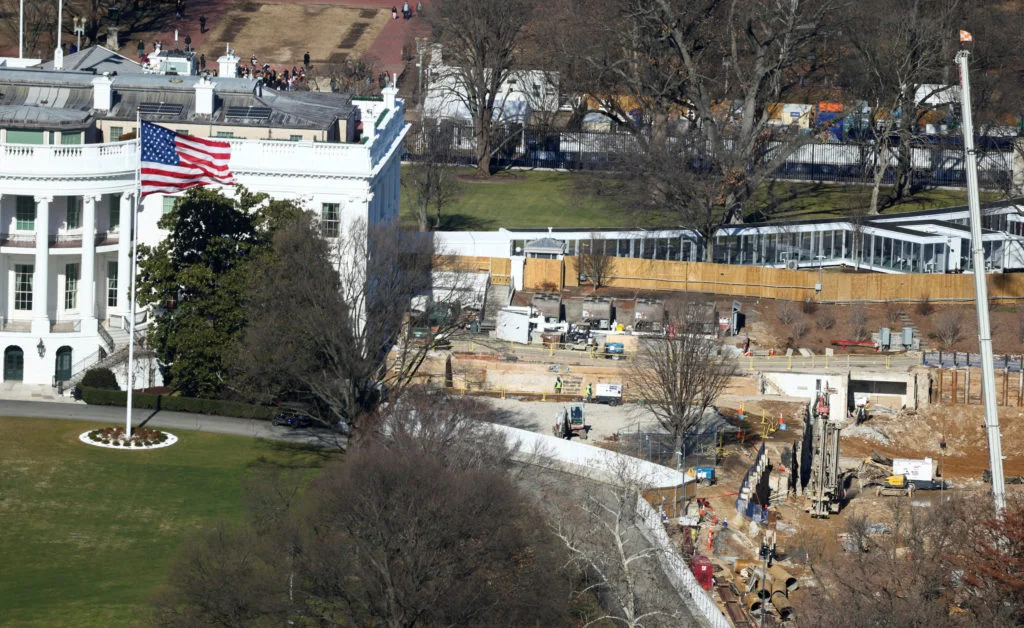
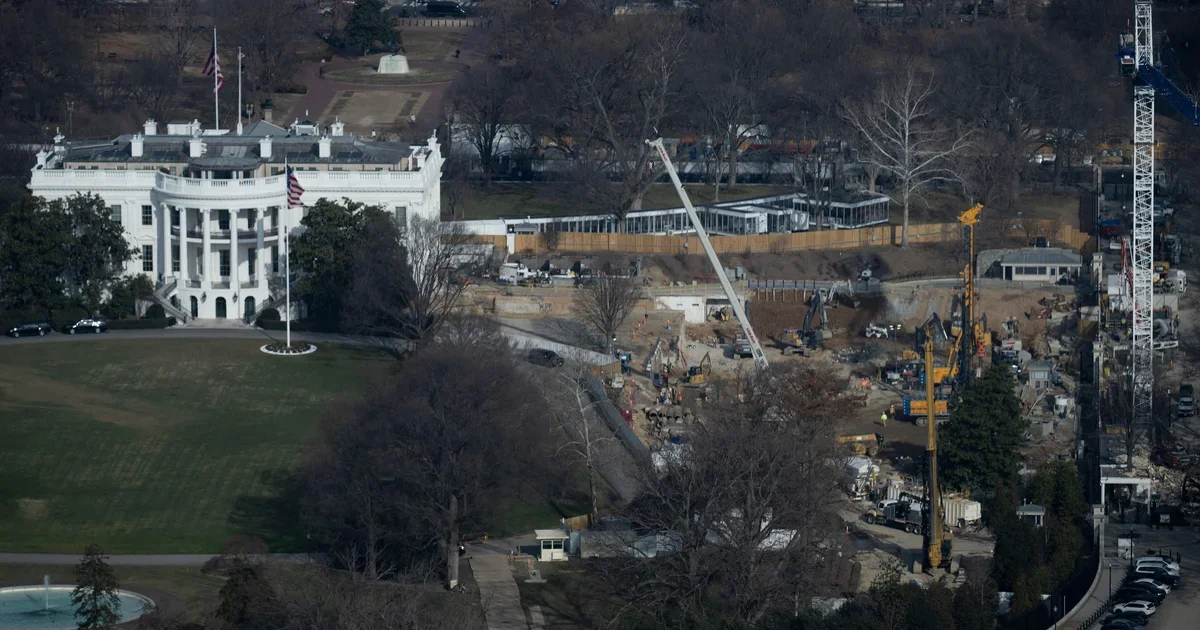
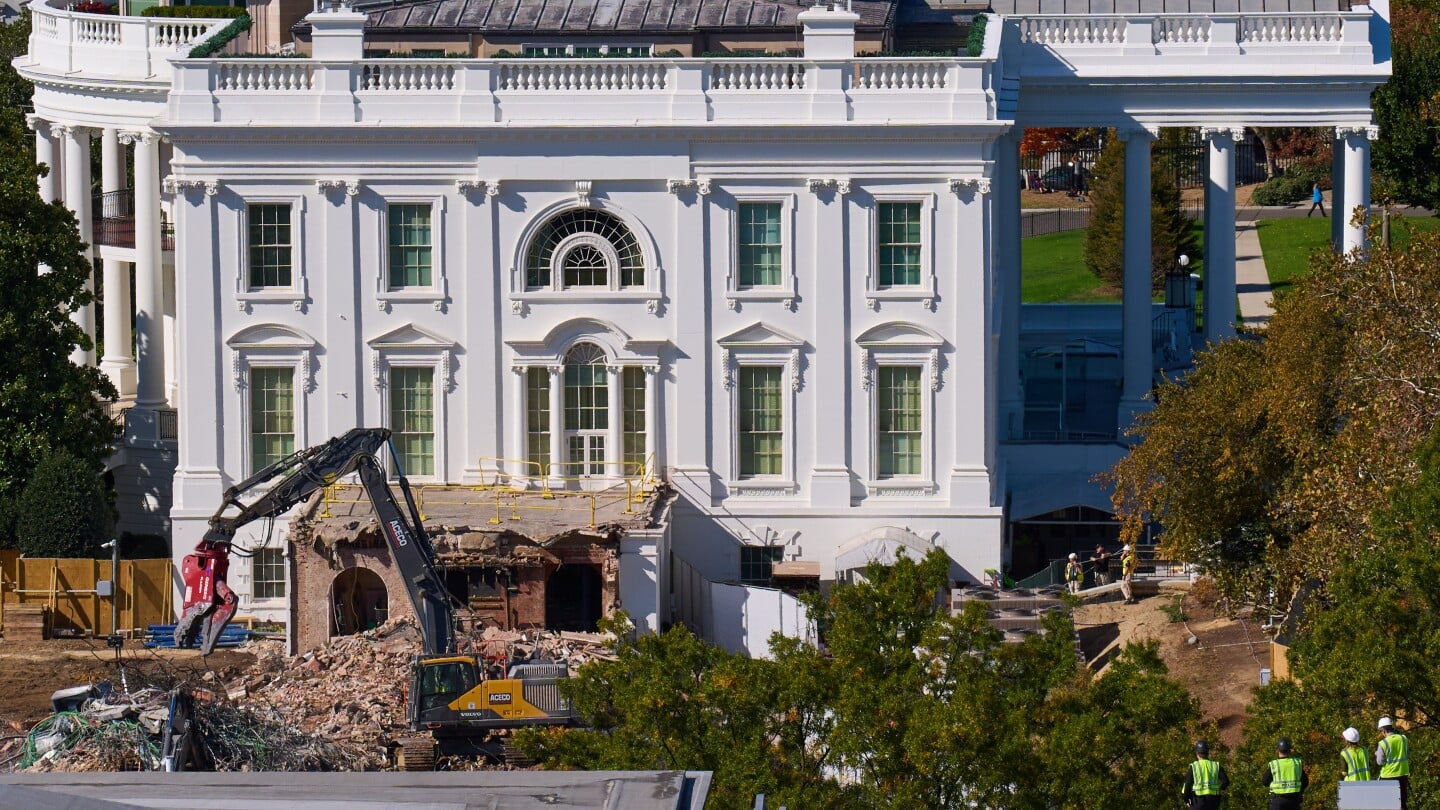
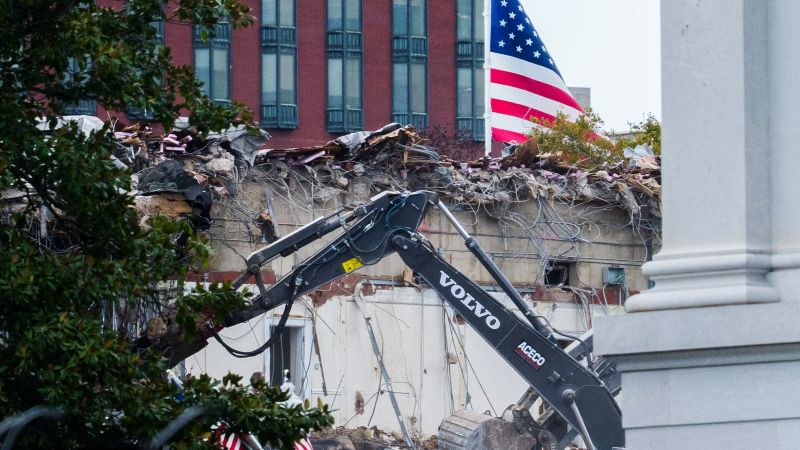
The East Wing of the White House has been demolished to make way for Donald Trump's $300 million gilded ballroom, despite promises to preserve the existing structure and legal challenges from historic preservation groups and local residents. The project, funded by Trump and major tech donors, has faced criticism for bypassing required approvals and altering a historic landmark.
The White House East Wing has been demolished to make way for a new $300 million ballroom, despite concerns from preservationists and pending approvals from relevant agencies, with President Trump funding the project privately.
A historic preservation group has urged the Trump administration to pause the demolition of the White House East Wing, which is underway to make room for a new ballroom, citing concerns over the impact on the building's historic integrity and lack of public review. Despite these concerns, the project continues, with supporters emphasizing it as a necessary improvement to the White House.
Experts are concerned about the feasibility and historic preservation of President Trump's proposed $200 million, 90,000-square-foot ballroom renovation at the White House, planned to be completed before 2029, questioning whether such a large-scale project can be done while respecting the building's historic integrity.
Istanbul faces a significant earthquake risk due to its location on active fault lines, threatening its historic structures and residents. Efforts to reinforce key sites like Hagia Sophia, Basilica Cistern, and Zeyrek Cinili Hamam are underway, but political, financial, and preservation challenges hinder comprehensive protection. Experts emphasize the urgency of implementing advanced mitigation measures to prevent catastrophic damage and loss of life.
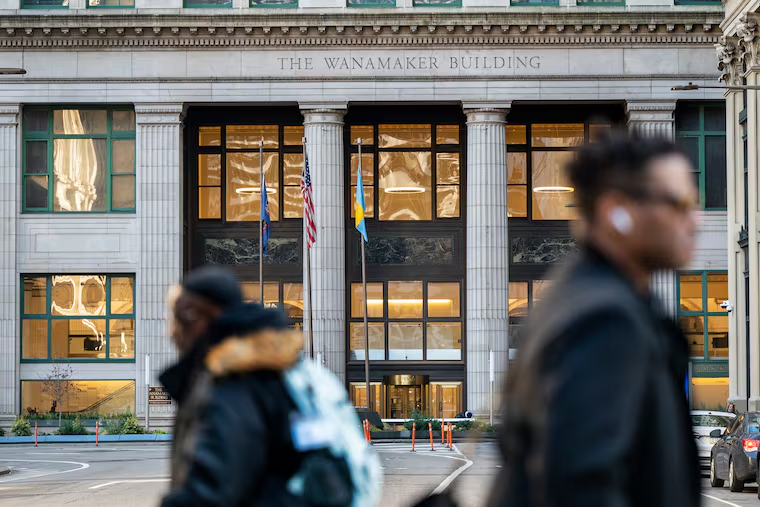
TF Cornerstone has acquired control of the Wanamaker building in Philadelphia and plans to convert floors 6 to 12 into 600 loft apartments, while maintaining retail, office, and public spaces, with construction starting in 2026. The project aims to preserve the building's historic features and boost local vibrancy.
A historic Japanese American fishing village on Terminal Island, which played a key role in developing Southern California's seafood industry, faces demolition to make way for container storage, prompting efforts to preserve its remaining buildings and legacy amid ongoing debates and recognition as an endangered historic site.
Harrison Ruffin Tyler, the last surviving grandson of President John Tyler, passed away at 96. He was a chemical engineer and dedicated to preserving his family's historic sites, including Sherwood Forest and Fort Pocahontas in Virginia. Tyler was known for his charm, philanthropy, and efforts to maintain his family's legacy, including significant donations to William & Mary and preservation projects.
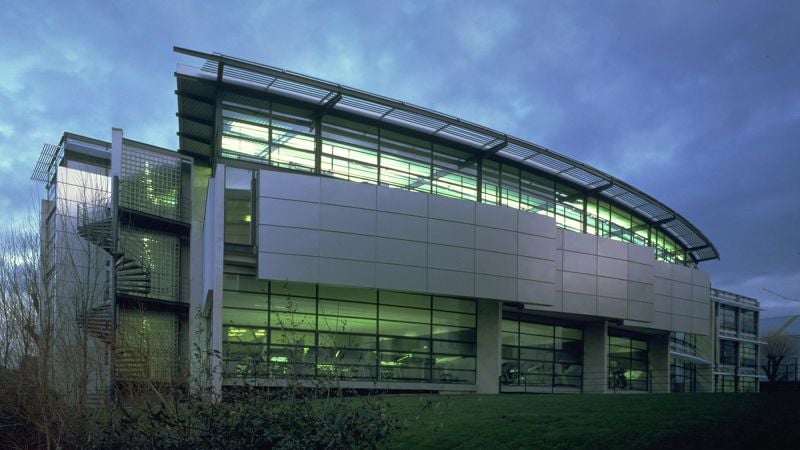
The Centenary Building at Salford University, an award-winning structure that received the RIBA Stirling Prize in 1996, is set to be demolished after being vacant for several years. The university cites its ageing infrastructure as the reason, despite criticism from architect Stephen Hodder and the Twentieth Century Society, who argue for its preservation due to its architectural significance and potential for adaptive reuse. The decision has sparked debate over sustainability and the preservation of modern architectural heritage.