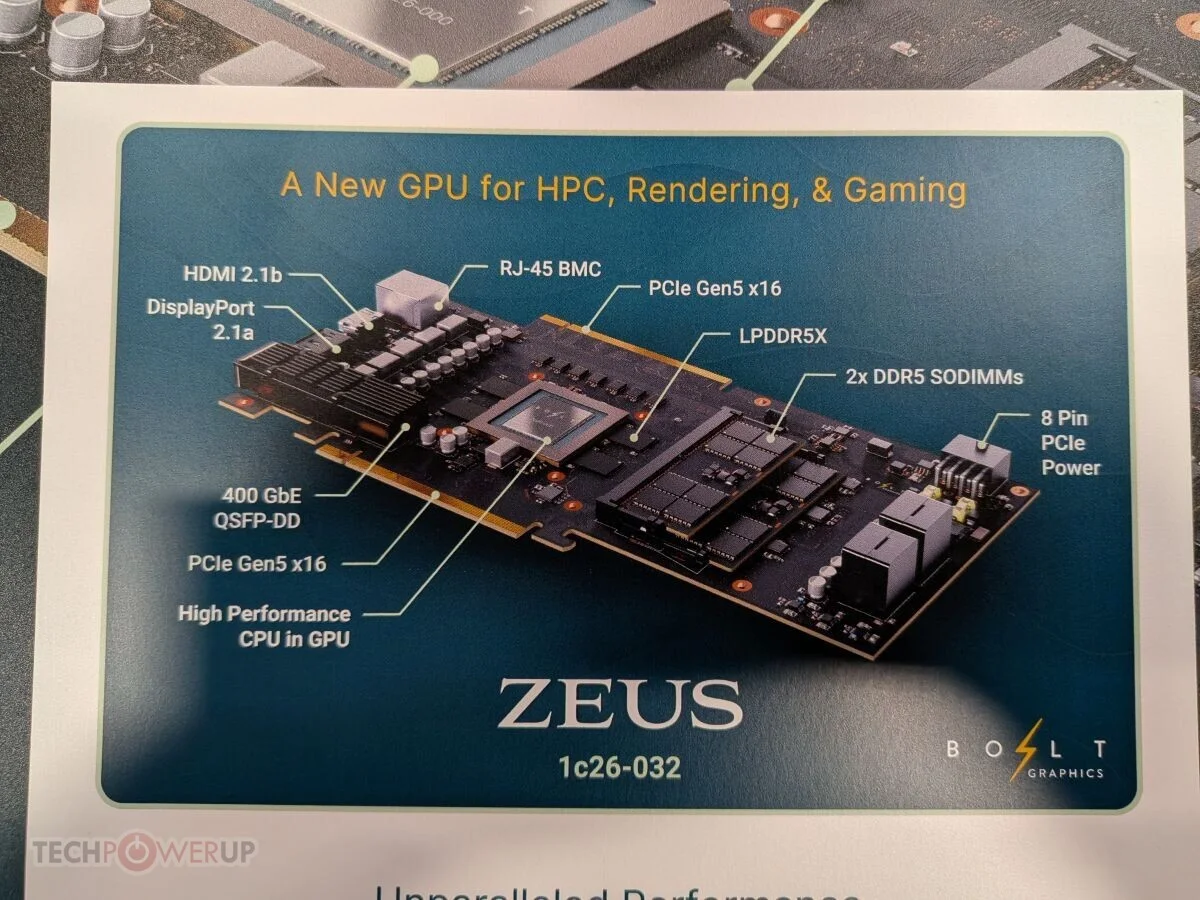
Bolt Graphics, a startup from Sunnyvale, introduces the ZEUS architecture claiming significant performance improvements in graphics rendering, including 2.5x the path tracing performance of NVIDIA's RTX 5090, through innovative hardware and software design, aiming to revolutionize consumer and HPC graphics markets.
Mesa 26.0 has merged a significant ray-tracing improvement for the RADV Vulkan driver, enhancing Unreal Engine 5 performance on Linux, with stable release expected in February alongside other driver updates.
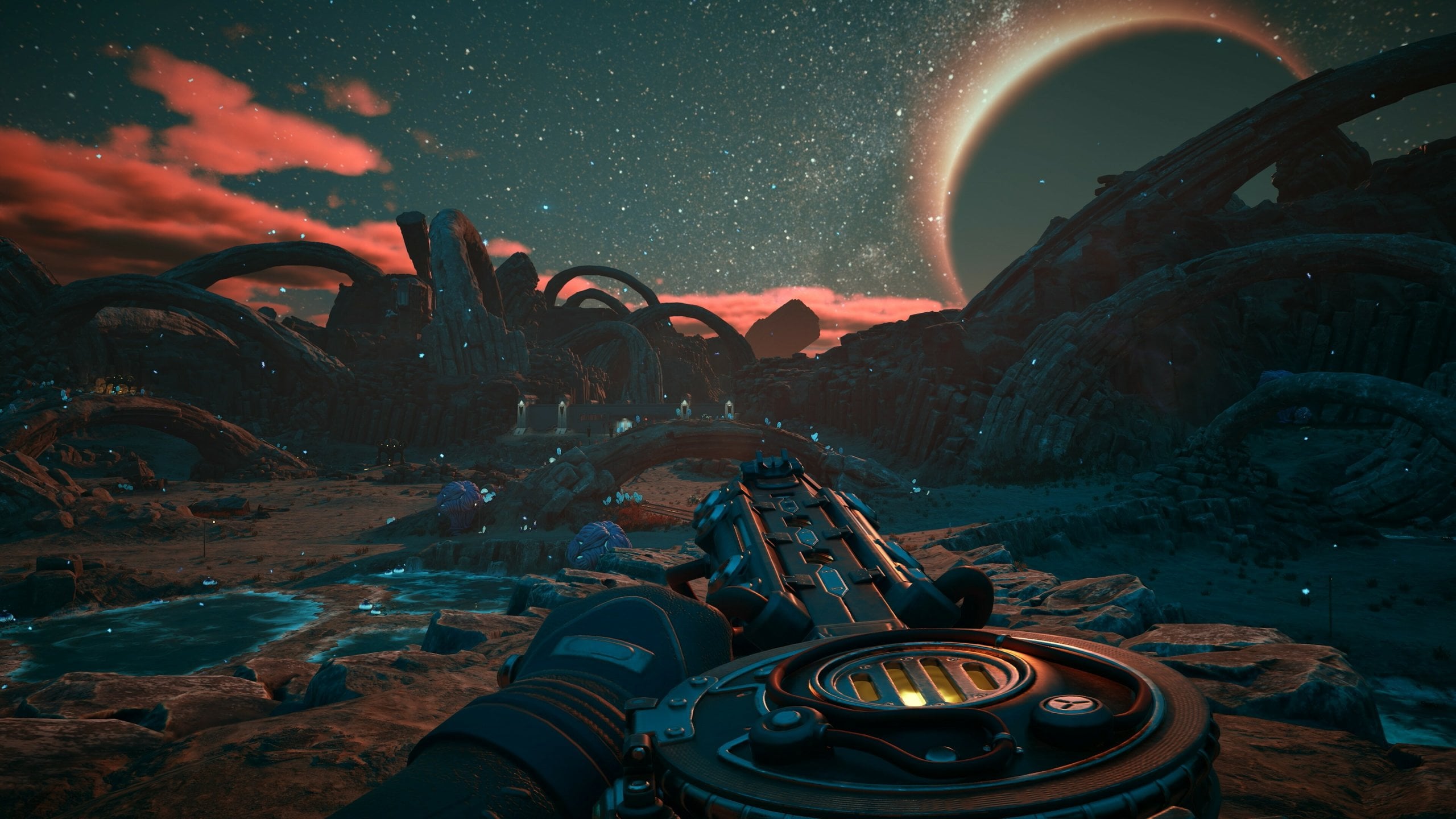
The Outer Worlds 2, built on Unreal Engine 5 with advanced graphics features, has been tested across over 30 GPUs to evaluate performance, image quality, and VRAM usage, providing insights into hardware needs for optimal gameplay.
The Outer Worlds 2, powered by Unreal Engine 5, supports NVIDIA DLSS 4 and Ray Tracing on PC. Benchmarks on an NVIDIA RTX 5090 reveal that Ray Tracing improves visuals but causes significant performance drops and noisy shadows, making it less recommended. DLSS 4, especially with Frame Gen, helps achieve playable frame rates at 4K, with the best performance using DLSS 4 Performance Mode. Overall, DLSS 4 offers good visual quality and performance, while Ray Tracing's drawbacks suggest disabling it for smoother gameplay.
Originally Published 3 months ago — by Hacker News
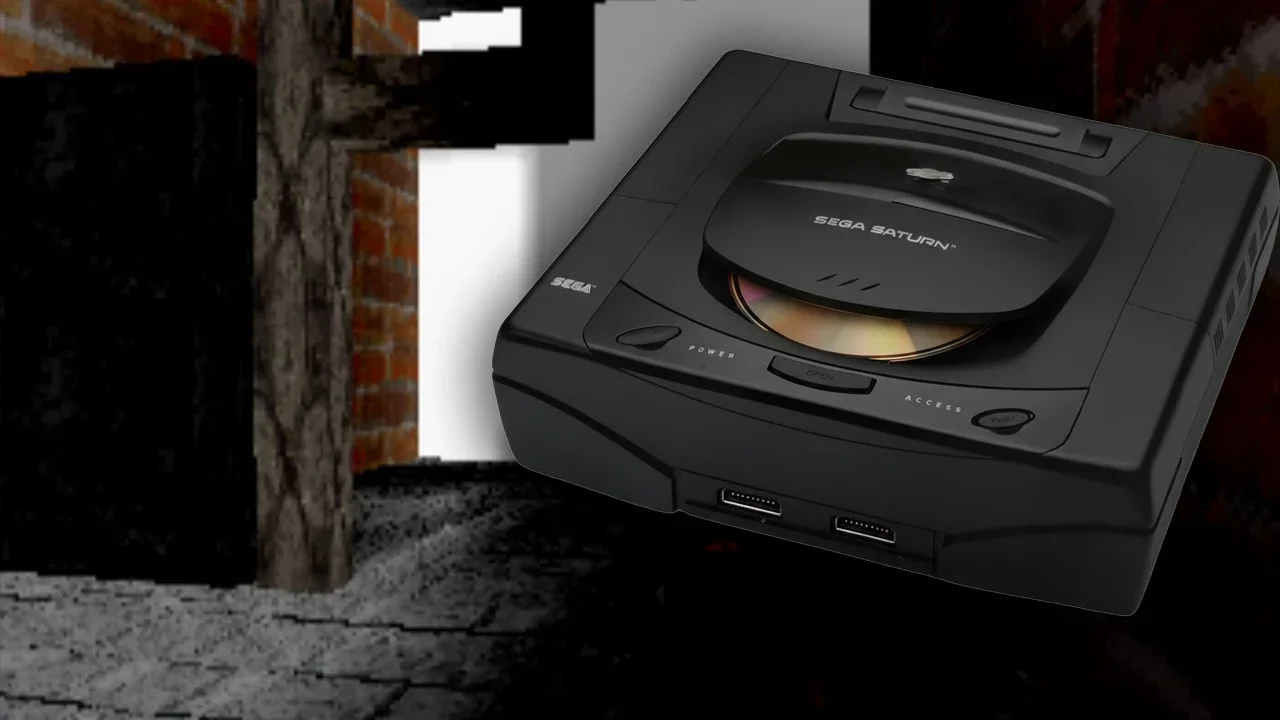
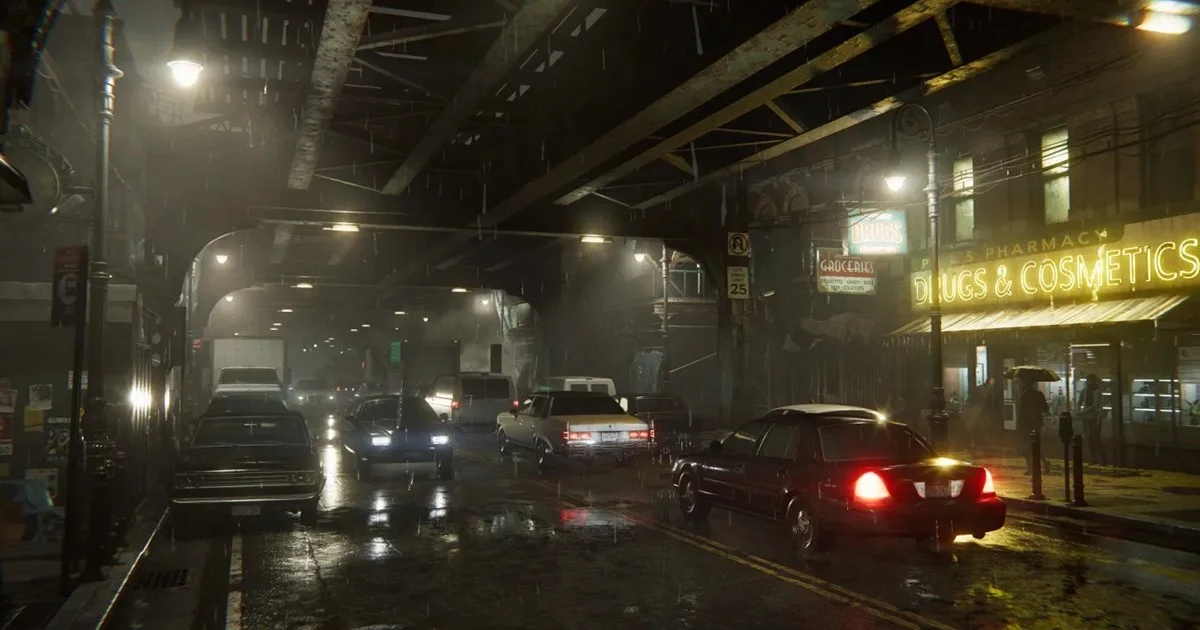
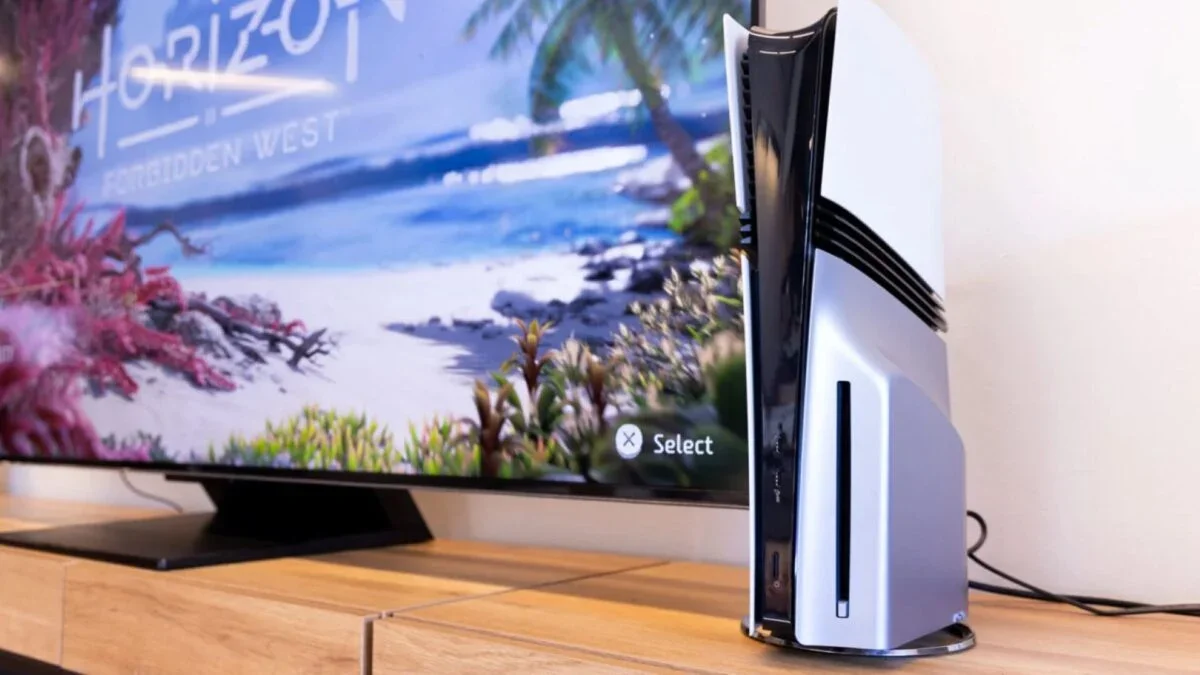
The article discusses the potential limitations of future console generations like the PS6 in terms of graphics improvements due to miniaturization and rising costs, suggesting that breakthroughs in miniaturization or new rendering techniques like AI-driven rendering and path tracing may be necessary to achieve significant advancements. It also explores the broader context of gaming hardware, the importance of gameplay quality, and the evolving role of AI in graphics rendering.
According to AMD leaker Kepler, Sony plans to launch the PlayStation 6 in 2027, with new hardware technologies like Radiance Cores, Neural Arrays, and Universal Compression expected to enhance performance, including significant ray tracing improvements, potentially arriving two years earlier than previously anticipated.
Sony is teasing advanced GPU technology for the upcoming PS6, including new ray tracing cores and improved compression techniques developed in collaboration with AMD, aiming to enhance graphics, performance, and efficiency in future consoles and possibly handheld devices.
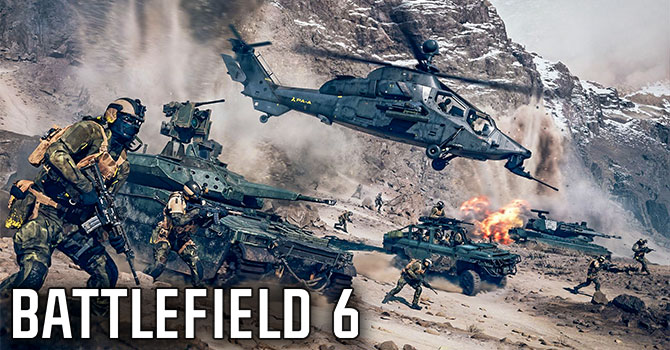
The review tests Battlefield 6's performance across over 40 GPUs, highlighting its use of the Frostbite Engine, support for various upscaling technologies, and no hardware ray tracing, providing insights into hardware requirements for optimal gameplay.
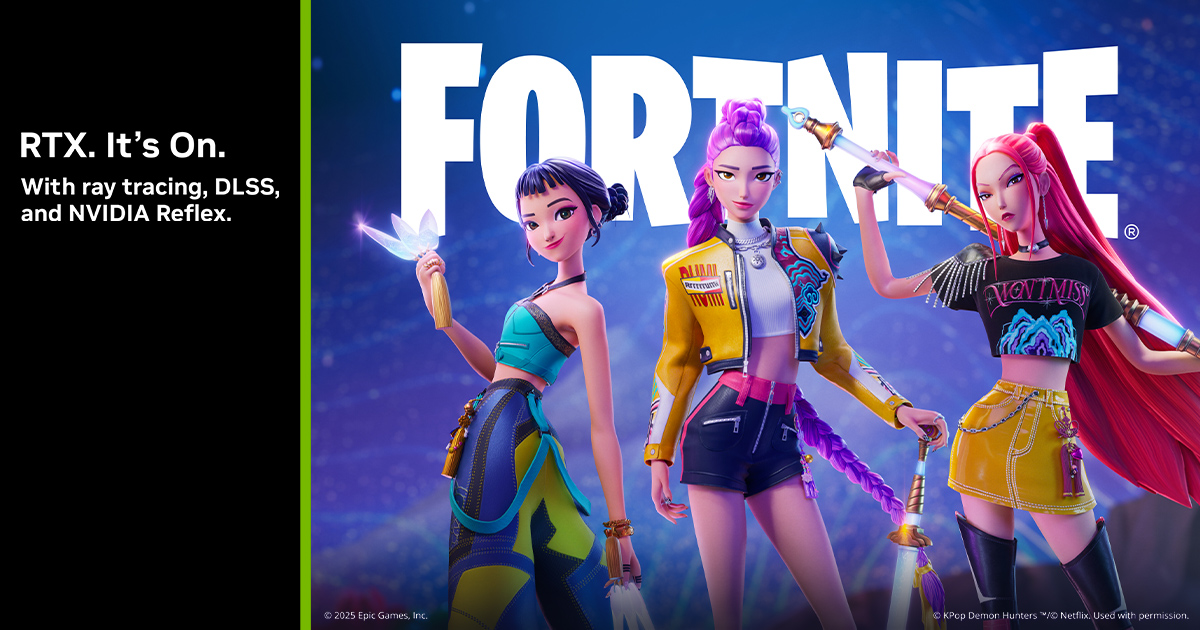
The article highlights the launch of Battlefield 6 with NVIDIA DLSS 4 and Reflex, showcasing significant performance boosts across GeForce RTX GPUs, along with new content like KPOP Demon Hunters in Fortnite, and upcoming releases such as Little Nightmares III and Crimson Desert, emphasizing advancements in gaming technology and graphics.
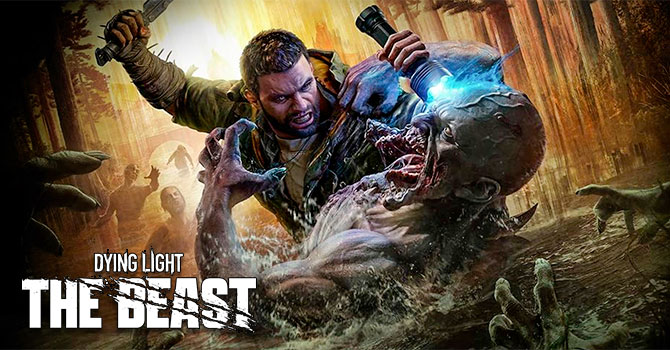
The review tests over 30 GPUs to evaluate Dying Light: The Beast's performance, highlighting its use of Techland's C-Engine, support for upscaling technologies like DLSS, FSR, and XeSS, and noting the absence of ray tracing in the final release despite pre-launch claims, providing insights into hardware requirements for optimal gameplay.
Leaked specs suggest the PS6 will have 34-40 TFlops, a 6-12x uplift in ray tracing performance over PS5, and feature a monolithic 3nm APU with 8 Zen 6 cores and 54 RDNA 5 CU, with a potential launch in Fall 2027.
Digital Foundry's analysis of Star Wars Outlaws on Nintendo Switch 2 reveals stable performance with some cutbacks, including lower resolution (720p docked, 540p handheld), reduced asset quality, and scaled-back effects, but retains key features like ray tracing and DLSS support, with overall stable frame rates and some visual compromises.
The latest patch for Indiana Jones and the Great Circle introduces new difficulty options, radio station features including Vatican broadcasts, enhanced ray tracing for hair, and a tweak to the inventory screen to indicate safe disguises, along with various bug fixes.
The article reviews the performance of Cronos: The New Dawn on high-end PC hardware, highlighting the impact of Ray Tracing and DLSS 4 features, with significant FPS improvements using DLSS 4 Frame Generation modes on an NVIDIA RTX 5090, and notes the game's demanding early scene and default use of Hardware Lumen for Ray Tracing.
Battlefield 6 will not support ray tracing at launch to prioritize performance and accessibility across all platforms, especially for players with lower-spec PCs, with a focus on maintaining stable frame rates and broad hardware compatibility.