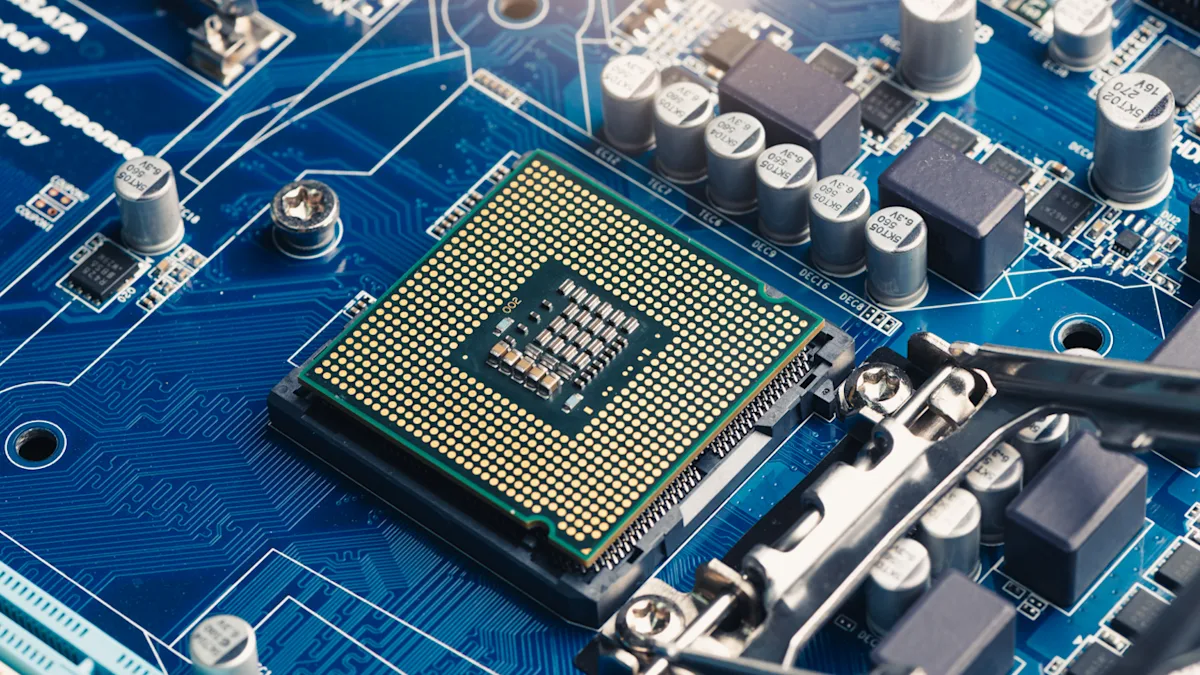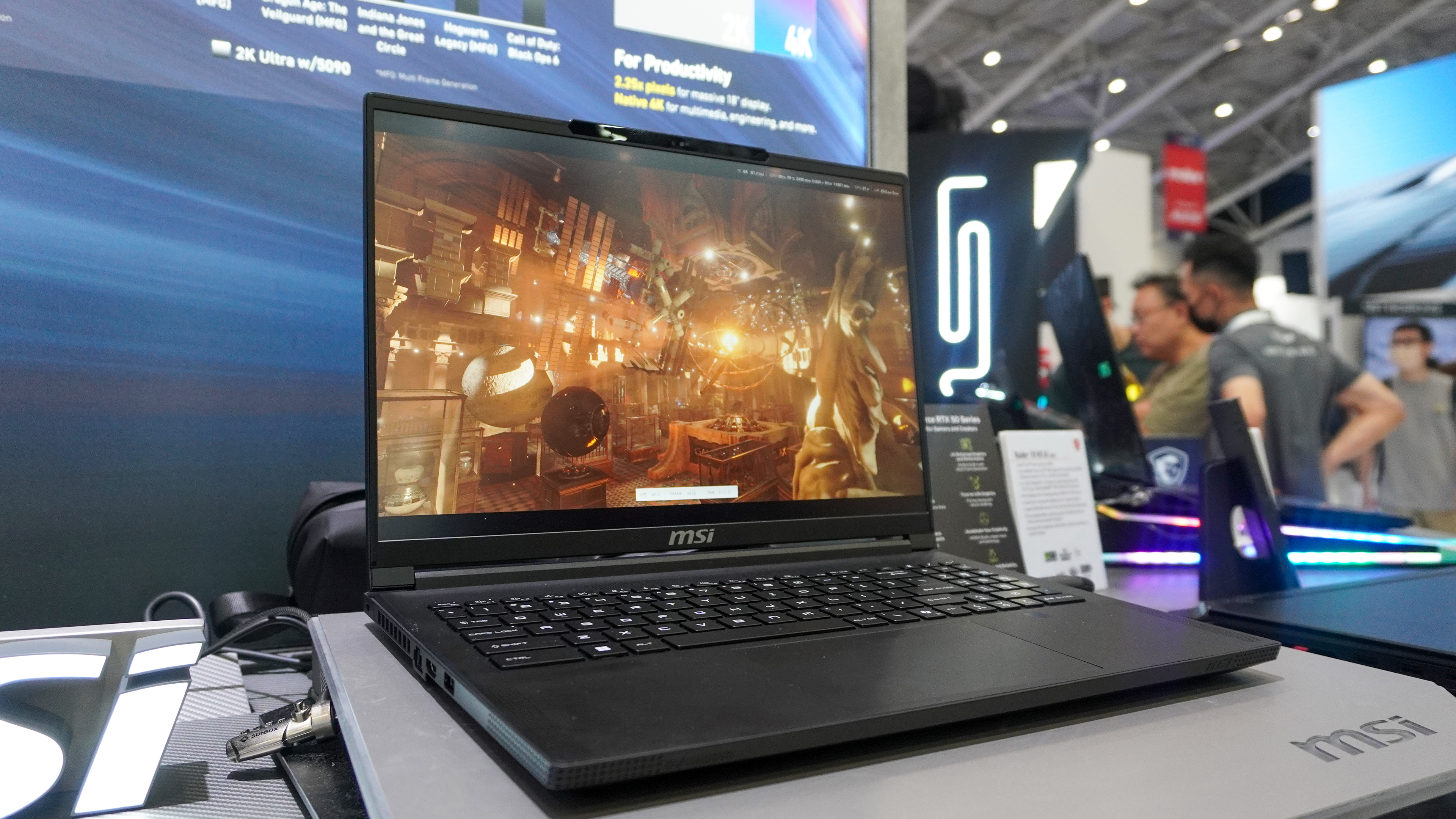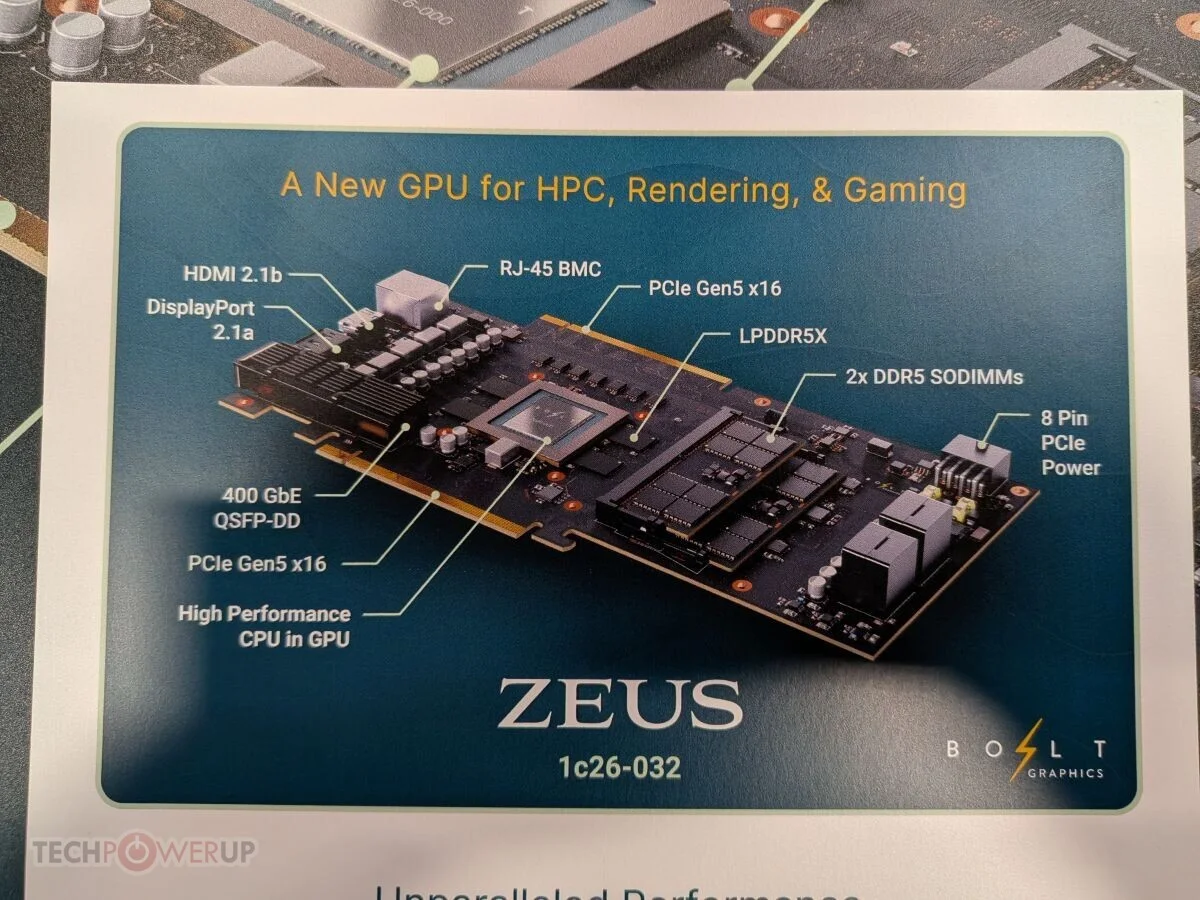
Bolt Graphics, a startup from Sunnyvale, introduces the ZEUS architecture claiming significant performance improvements in graphics rendering, including 2.5x the path tracing performance of NVIDIA's RTX 5090, through innovative hardware and software design, aiming to revolutionize consumer and HPC graphics markets.
The article compares the performance of Intel's modern Xe kernel driver versus the older i915 driver on Linux 6.19 for the Intel Arc A580 GPU, highlighting that the Xe driver offers design improvements and better support for modern architectures, but the A750 and A770 GPUs were not functional on Linux 6.19 during testing.
Samsung's Exynos 2600 chipset features a customized AMD RDNA 4 architecture called MGFX4, offering double the compute performance and improved ray tracing over its predecessor, with proprietary upscaling technology ENSS. Despite performance gains, it lags behind Snapdragon 8 Elite Gen 5 in benchmarks, and overheating solutions are being implemented ahead of its expected 2026 release in Galaxy S series phones.
Scientists in China have developed a groundbreaking analog chip that outperforms top Nvidia and AMD GPUs by up to 1,000 times in speed and energy efficiency, using resistive memory technology to process data continuously rather than digitally, potentially revolutionizing AI and 6G communications.
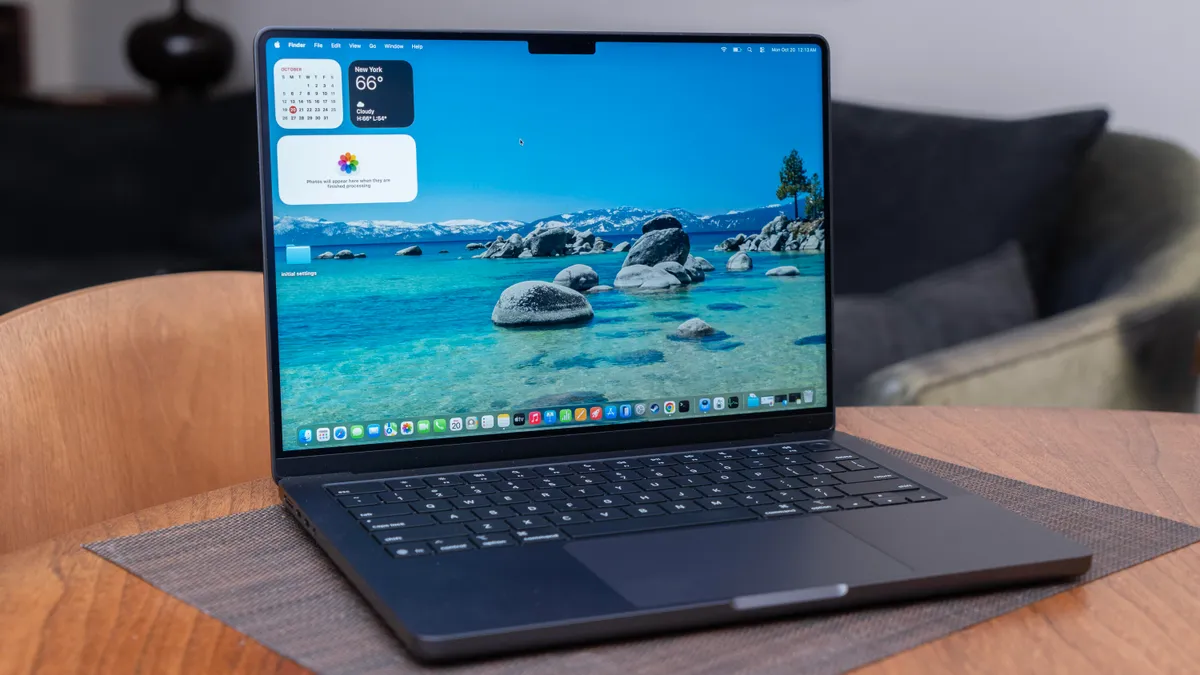
The M5 MacBook Pro 14 (late 2025) offers significant GPU performance improvements over its predecessor, especially in AI and ray-traced graphics, but overall performance gains are narrow, and gaming performance remains limited. The device maintains excellent design, display quality, and battery life, but lacks major redesigns and has some drawbacks like a persistent notch and limited external display support. Upgrading is recommended mainly for those seeking a performance boost, with current models still being a solid choice.
The review tests Battlefield 6's performance across over 40 GPUs, highlighting its use of the Frostbite Engine, support for various upscaling technologies, and no hardware ray tracing, providing insights into hardware requirements for optimal gameplay.
The review tests over 30 GPUs to evaluate Dying Light: The Beast's performance, highlighting its use of Techland's C-Engine, support for upscaling technologies like DLSS, FSR, and XeSS, and noting the absence of ray tracing in the final release despite pre-launch claims, providing insights into hardware requirements for optimal gameplay.
The Pixel 10's Tensor G5 chip has a surprisingly weak GPU performance on paper, lagging significantly behind competitors and even older chips, which could impact gaming and demanding app performance despite improvements in CPU and AI capabilities.
Leaked benchmark scores for the upcoming Pixel 10 Pro XL suggest that its Tensor G5 CPU may not outperform Snapdragon 8 Elite chips, and its GPU could be weaker than previous Pixel models, sparking disappointment and criticism online, despite some arguing that benchmarks don't reflect everyday performance.
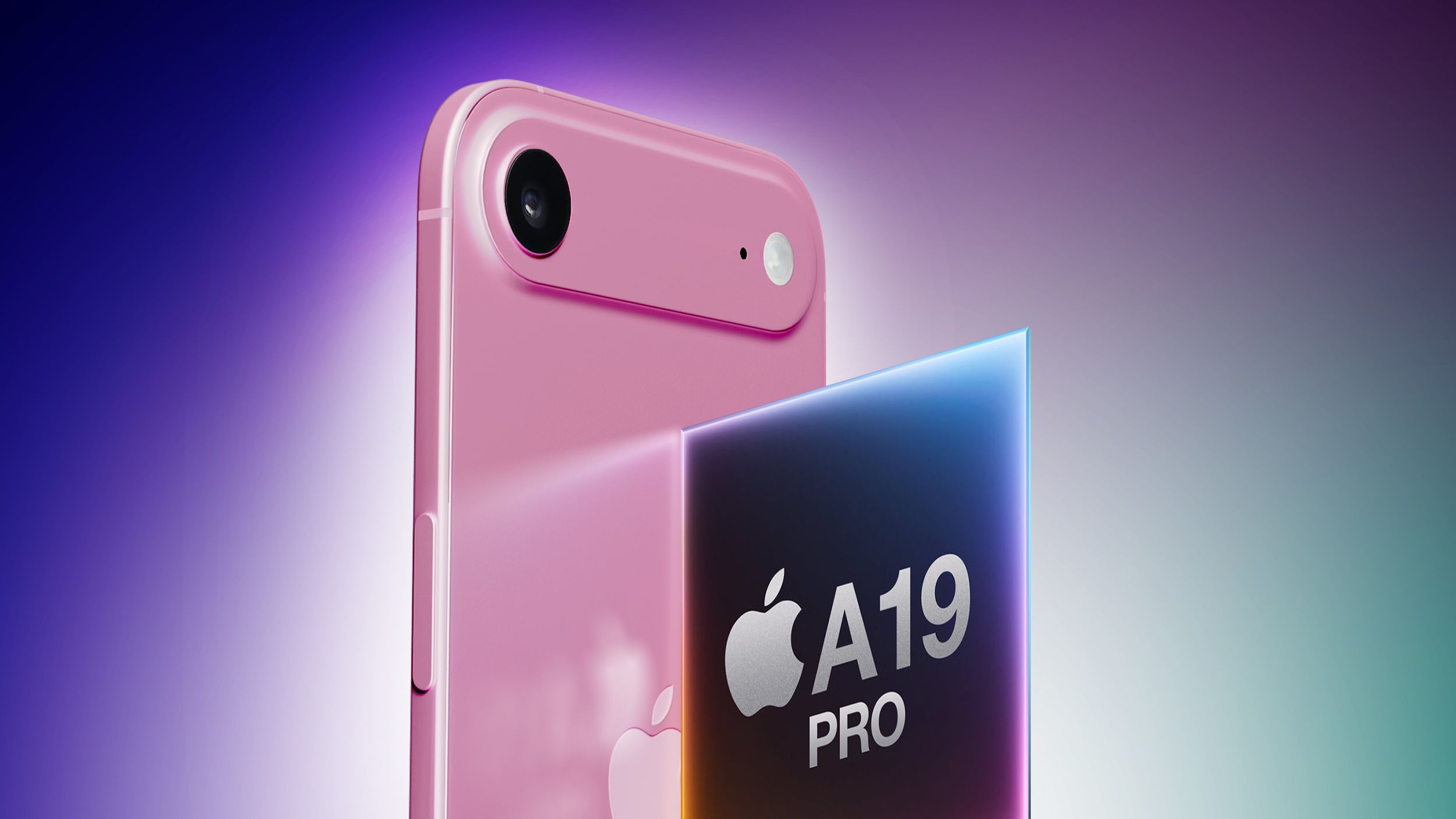
The upcoming iPhone 17 Air will feature the A19 Pro chip, which will have reduced GPU performance compared to previous models, indicating a possible focus on other aspects of the device or power efficiency.
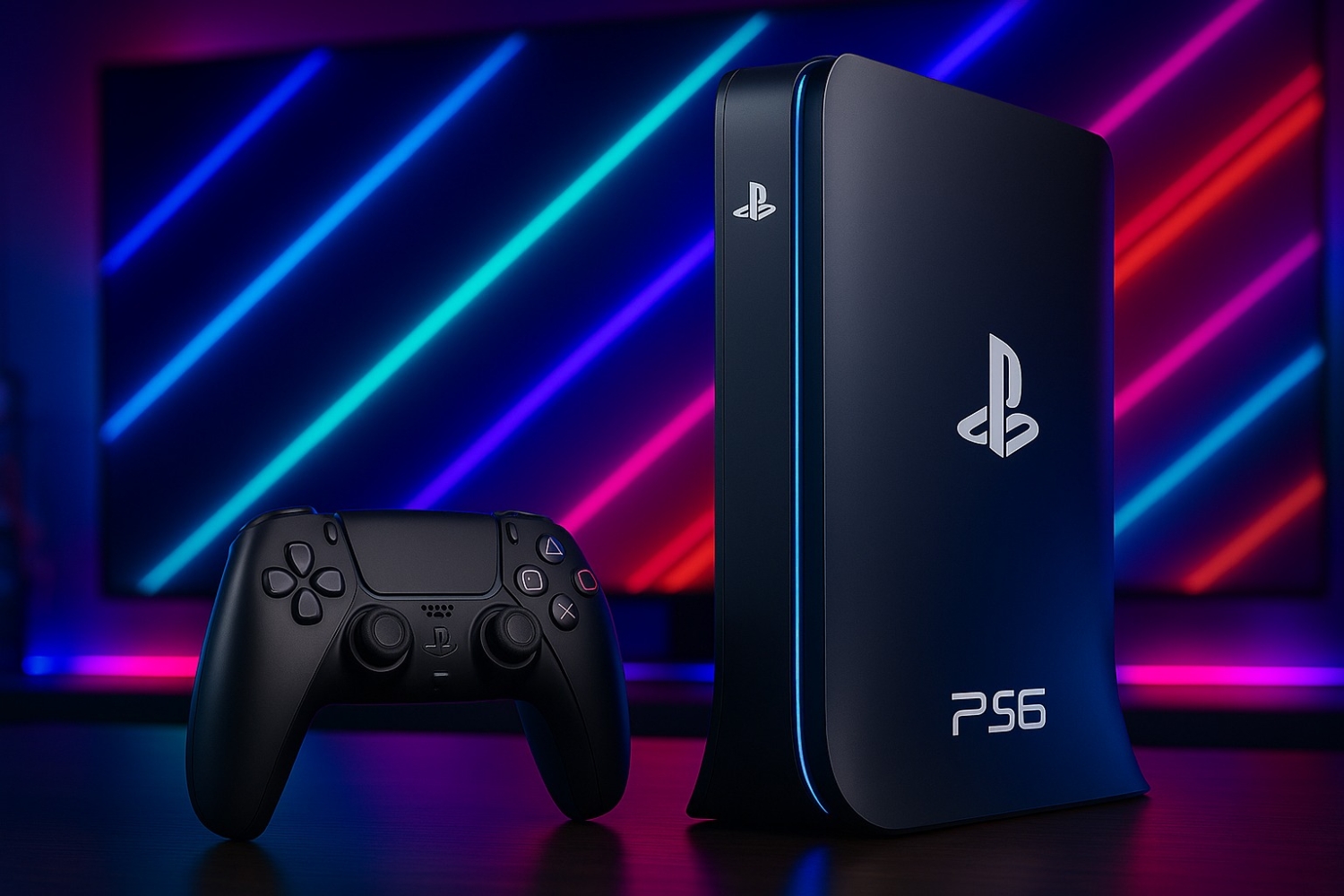
The PlayStation 6 is expected to deliver 4K 120FPS gaming with 5-10x ray tracing performance improvements over the PS5, featuring advanced RDNA 5 GPUs comparable to high-end PC graphics cards like the RTX 4080 and RTX 5080, promising a significant leap in gaming visuals and performance.
The Moore Threads MTT S90 GPU, a Chinese-made graphics card, has demonstrated performance comparable to NVIDIA's RTX 4060 in tests, including synthetic benchmarks and gaming, thanks to improved drivers and optimized performance, marking a significant advancement for Chinese GPU development.
Disabling Intel graphics security mitigations can improve GPU compute performance by up to 20%, and Canonical, in collaboration with Intel, plans to disable these mitigations in Ubuntu packages to enhance performance, with the change expected to be included in Ubuntu 25.10. This move is based on the understanding that the security risks are minimal, as Intel and Canonical have approved the change, and Intel's own builds already disable these mitigations for better performance.
The article defends the RTX 5060 gaming laptop GPU, presenting benchmark data that shows it offers a 15-20% performance boost over RTX 4060 and 3060 models, making it a good choice for first-time gamers and those upgrading from older GPUs, despite some skepticism due to Nvidia's communication and focus on AI tech.
MediaTek's upcoming Dimensity 9400 smartphone chipset is rumored to feature the largest die size ever seen in a smartphone platform, with over 30 billion transistors, a 32% increase from its predecessor. The larger die size is expected to result in increased cost but also promises improved GPU performance and efficiency, potentially surpassing the Snapdragon 8 Gen 4. The use of TSMC's 3nm 'N3E' process for mass production could make it MediaTek's most expensive smartphone SoC yet. The increase in die size may address previous overheating and power consumption issues, but this has not been confirmed.