Google's quantum chip Willow is now accessible to UK researchers through a new partnership, aiming to boost real-world applications; a small, scalable device using CMOS tech has been developed to enhance quantum system expansion; Microsoft and Algorithmiq are collaborating on fault-tolerant quantum tools for chemistry; Western Digital backs Qolab to scale quantum chips; and several key hires signal growth in the quantum industry.
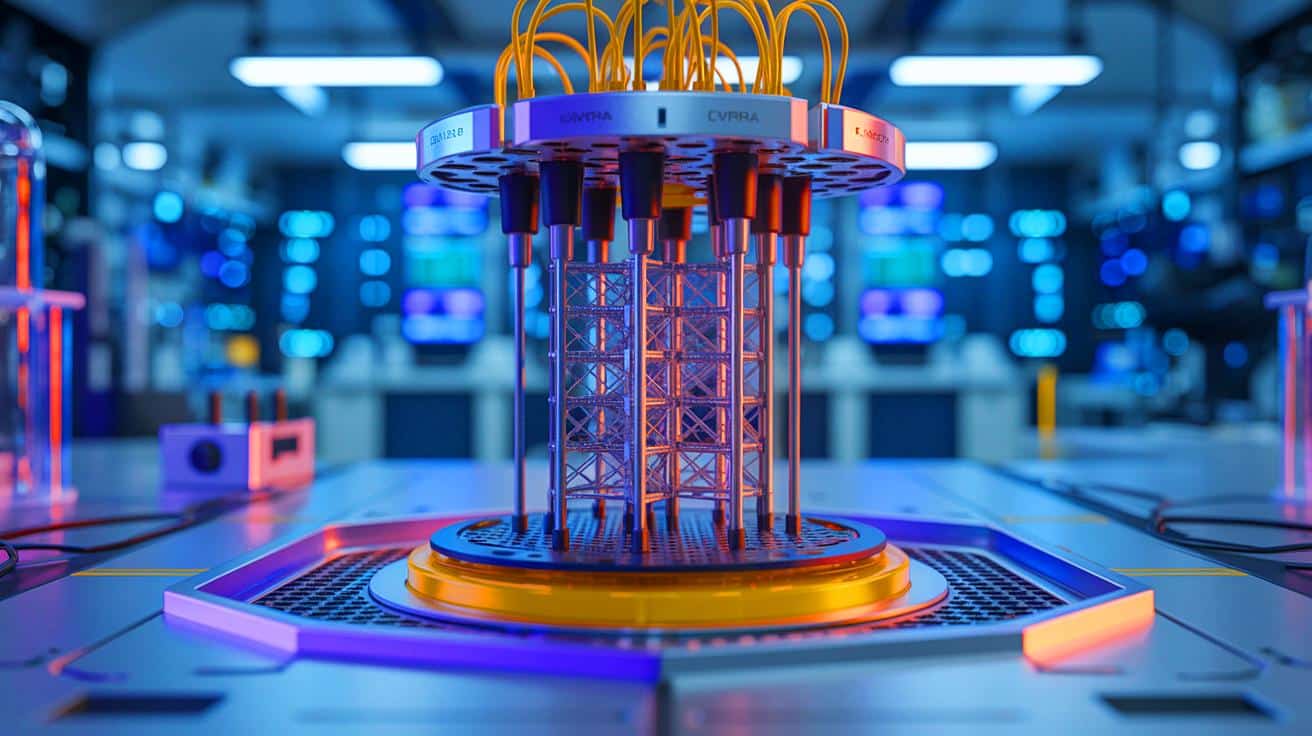
Researchers at Lawrence Livermore National Laboratory have developed miniaturized, high-fidelity ion traps using 3D printing, significantly advancing quantum computing capabilities and enabling rapid prototyping of new designs, with potential applications in precision measurement and sensors.
This week in quantum computing, UCLA and UC Riverside developed a room-temperature quantum system using tantalum sulfide, reducing energy costs. Quantinuum is seeking a funding round that could value it at $10 billion, while IonQ gained Morgan Stanley as a major investor. Other advancements include Rigetti installing a quantum system at Montana State University and a German-led project testing quantum algorithms for rail network optimization, highlighting ongoing progress and investment in the field.
Microsoft and Quantinuum have achieved a major breakthrough in quantum error correction, using ion-trap hardware and a new qubit-virtualization system to run over 14,000 experiments without errors. This advancement moves quantum computing out of the era of Noisy Intermediate Scale Quantum (NISQ) computers, potentially unlocking commercial advantages with 100 logical qubits and beyond. The team combined 30 physical qubits into four highly reliable logical qubits, demonstrating a significant gap between physical and logical error rates. This achievement marks a critical step towards reliable quantum computing and sets the stage for the next evolution in quantum applications.