Tag

Qr Codes

All articles tagged with #qr codes

"Microsoft Unveils Surface Pro 10 and Surface Laptop 6 for Business Overhaul"

Originally Published 1 year ago — by Windows Central

Featured image for "Microsoft Unveils Surface Pro 10 and Surface Laptop 6 for Business Overhaul"
Source: Windows Central

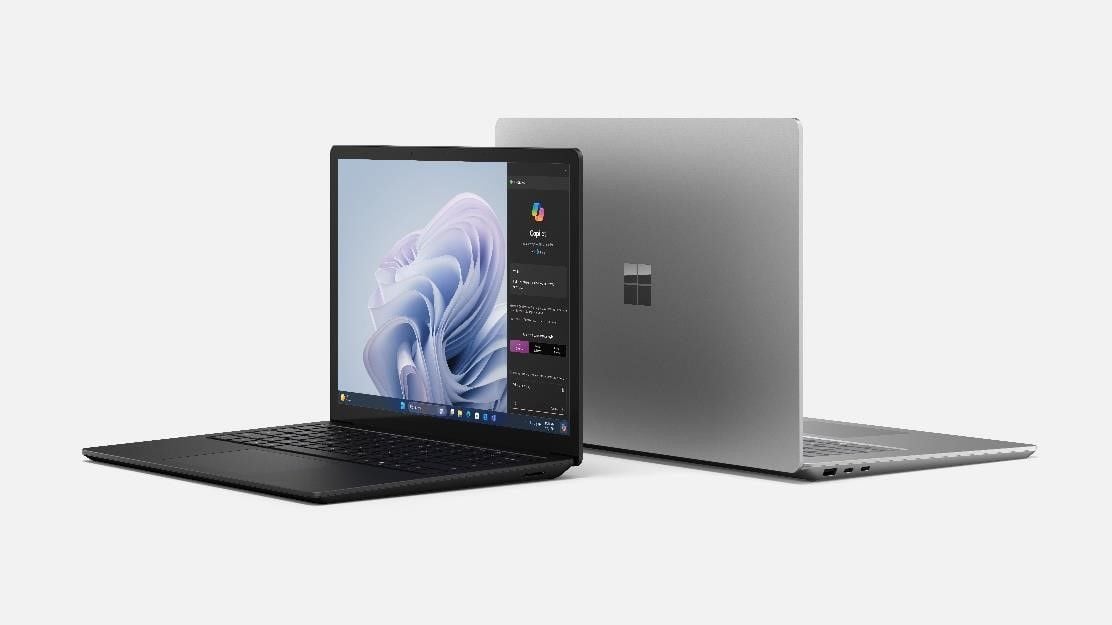
Microsoft announced the Surface Pro 10 and Surface Laptop 6 for business, featuring business-oriented features and Intel Core Ultra processors, with improved repairability through the addition of QR codes and markings to identify parts and tools needed for repairs. Surface PCs were once difficult to repair, but recent models have shown improvements in repairability, with the Surface Pro 9 being the most repairable. Microsoft has also started selling replacement parts for Surface PCs through the Microsoft Store, and the addition of QR codes and markings represents the next step in Microsoft's repairability journey.

Google Account 'Device Pairing' Feature Now Available for Messages on Web

Originally Published 2 years ago — by 9to5Google

Featured image for Google Account 'Device Pairing' Feature Now Available for Messages on Web
Source: 9to5Google

Google Messages is rolling out a new feature called "Device pairing" that replaces QR codes for signing in to the web version of the messaging app. Users can now sign in using their Google Account and continue conversations across multiple devices. The updated feature also includes a new navigation drawer and allows for simultaneous pairing with a tablet. The rollout is currently limited to certain devices running the latest beta release.

Beware of Rising QR Code Scams: FTC Issues Warning

Originally Published 2 years ago — by New York Post

Featured image for Beware of Rising QR Code Scams: FTC Issues Warning
Source: New York Post

The Federal Trade Commission (FTC) has issued a warning about the rise in QR code scams, also known as "quishing," which has seen a 587% increase in phishing attempts. Cybercriminals are covering up legitimate QR codes with their own, directing users to fake websites that steal personal information or install malware. The FTC advises consumers to inspect URLs before opening them, avoid opening QR codes from unexpected communications, keep their phones updated, and activate two-factor authentication. The public is urged to be cautious and suspicious of unsolicited communications containing QR codes.

FTC Warns of QR Code Scams and Malware Threats

Originally Published 2 years ago — by The Hill

Featured image for FTC Warns of QR Code Scams and Malware Threats
Source: The Hill

The increasing use of QR codes has led to an increase in thieves embedding harmful links into the codes, posing a risk to users' personal information and money. The Federal Trade Commission (FTC) warns that fraudsters are covering up legitimate QR codes with their own or sending texts and emails with fake QR codes. These fake codes can lead users to spoofed sites where their information can be stolen or malware can be installed. To protect yourself, carefully check the URL before scanning a QR code, avoid scanning codes in unexpected messages, update your phone's operating system, and use strong passwords and multi-factor authentication for online accounts.

FTC warns of rising QR code scams and malware threats

Originally Published 2 years ago — by Ars Technica

Featured image for FTC warns of rising QR code scams and malware threats
Source: Ars Technica

The US Federal Trade Commission (FTC) has issued a warning about the increasing use of QR codes in scams that aim to gain control of smartphones, make fraudulent charges, or obtain personal information. Scammers are exploiting the trust placed in QR codes by pasting fake codes over legitimate ones, leading users to malicious websites or installing malware. The FTC advises users to verify the official URL of the site or service before entering sensitive information, be cautious of QR codes embedded in emails, and avoid installing standalone QR code scanners on phones.

QR Code Scams: The Security Nightmare You Need to Know About

Originally Published 2 years ago — by Newser

Featured image for QR Code Scams: The Security Nightmare You Need to Know About
Source: Newser

The Federal Trade Commission (FTC) is warning consumers about QR code scams, where scammers use QR codes to hide harmful links and steal personal information. Scammers often send QR codes through text or email, claiming there is an account problem or a rescheduled delivery to create a sense of urgency. The dodgy codes can lead to sites where scammers steal information or install malware. Scammers have also been covering up legitimate QR codes with fraudulent ones. The FTC advises consumers to closely inspect URLs, avoid scanning QR codes in unexpected messages, keep their phone's OS up to date, and protect online accounts with strong passwords and multi-factor authentication.

FTC Warns of QR Code Scams Stealing Personal Data

Originally Published 2 years ago — by The New York Times

Featured image for FTC Warns of QR Code Scams Stealing Personal Data
Source: The New York Times

The Federal Trade Commission (FTC) has warned that scammers are using QR codes to direct people to harmful websites and steal personal information. Scammers hide dangerous links within QR codes, often using deceptive tactics such as placing their own codes on top of legitimate ones or sending deceptive emails and text messages. Once users click on these links, scammers can steal entered information or install malware. The FTC advises users to be cautious and verify the legitimacy of QR codes before scanning them, check URLs for misspellings or switched letters, and avoid opening links from unknown contacts. Cybersecurity experts recommend using two-factor authentication and keeping software updated to protect against QR code attacks.

Google Messages for Web Introduces Enhanced Account Pairing with Emoji Authentication

Originally Published 2 years ago — by 9to5Google

Featured image for Google Messages for Web Introduces Enhanced Account Pairing with Emoji Authentication
Source: 9to5Google

Google Messages is rolling out a new feature called "Device pairing" that replaces QR codes for signing in to the web version of the messaging app. Users are prompted to confirm their Google Account and match an emoji displayed on their phone to complete the pairing process. The updated UI includes a navigation drawer and specifically names the Android device in use. The new feature is currently available on one device running the latest beta release.

"Unlocking the Power of QR Codes on iOS: No Scanning Required!"

Originally Published 2 years ago — by 9to5Mac

Featured image for "Unlocking the Power of QR Codes on iOS: No Scanning Required!"
Source: 9to5Mac

iPhone users can open QR codes without scanning from another device by tapping and holding on the QR code to reveal a menu with the URL. From there, they can open the link in Safari, copy the link, or share it with others. This feature is useful for tasks such as adding vaccination records to the Health app or setting up two-factor authentication.

"Apple's Hidden Codes Slash iPhone Display Costs"

Originally Published 2 years ago — by PhoneArena

Featured image for "Apple's Hidden Codes Slash iPhone Display Costs"
Source: PhoneArena

Apple has placed two microscopic QR codes on the reverse side of iPhone displays to track production and detect defective screens. The codes, etched at different stages of production, help Apple monitor the number of glass cover units produced by its suppliers and identify any attempts to hide defective screens. By implementing this system, Apple has significantly reduced the number of discarded displays, saving the company a substantial amount of money each year.

"Apple's Cost-Cutting Strategy: Tracking Display Failures with Tiny QR Codes"

Originally Published 2 years ago — by MacRumors

Featured image for "Apple's Cost-Cutting Strategy: Tracking Display Failures with Tiny QR Codes"
Source: MacRumors

Apple is using tiny QR codes etched onto iPhone displays to track the number of defective screens and reduce manufacturing costs. The QR codes, one the size of a grain of sand and another on the inside of the display, allow Apple to precisely count every piece of glass produced and measure the amount wasted due to defects. By implementing the barcodes, Apple has been able to reduce the number of discarded cover glass pieces from three out of 10 to one out of 10, saving the company hundreds of millions of dollars.

"Android's eSIM Transfer Tool: A Seamless Solution for Device Switching"

Originally Published 2 years ago — by 9to5Google

Featured image for "Android's eSIM Transfer Tool: A Seamless Solution for Device Switching"
Source: 9to5Google

Android is developing an eSIM transfer feature that will allow users to move their eSIM between devices natively. Currently, there is no native way to transfer an eSIM between Android devices, leaving the process to carriers. In contrast, Apple has a tool built into iOS that enables users to transfer eSIMs between iPhones wirelessly. Google's approach involves using QR codes, with users scanning a QR code to initiate the transfer process. The feature is still in development and does not have a launch window yet.