New data reveals a significant increase in violent threats against local public officials across the U.S., with threats now affecting all levels of government and both political parties, leading to a chilling effect on public service participation.
In Morrow County, Oregon, a civil complaint alleges that former officials profited from a deal involving Windwave Communications and Amazon, leading to questions about transparency and accountability in local economic incentives. The case highlights issues of public trust, potential unjust enrichment, and the need for oversight in local government dealings with corporations like Amazon.
The article discusses the Republican Party's shift away from traditional in-person town halls amid controversy over their legislative agenda, with some members avoiding large public forums to control the narrative, while Democrats criticize this as shirking responsibility and hiding public discontent.
Political violence and threats against public officials in the United States have been steadily increasing over the past decade. Cynthia Miller-Idriss from American University’s Polarization and Extremism Research and Innovation Lab discusses the factors contributing to this rise with Ali Rogin.
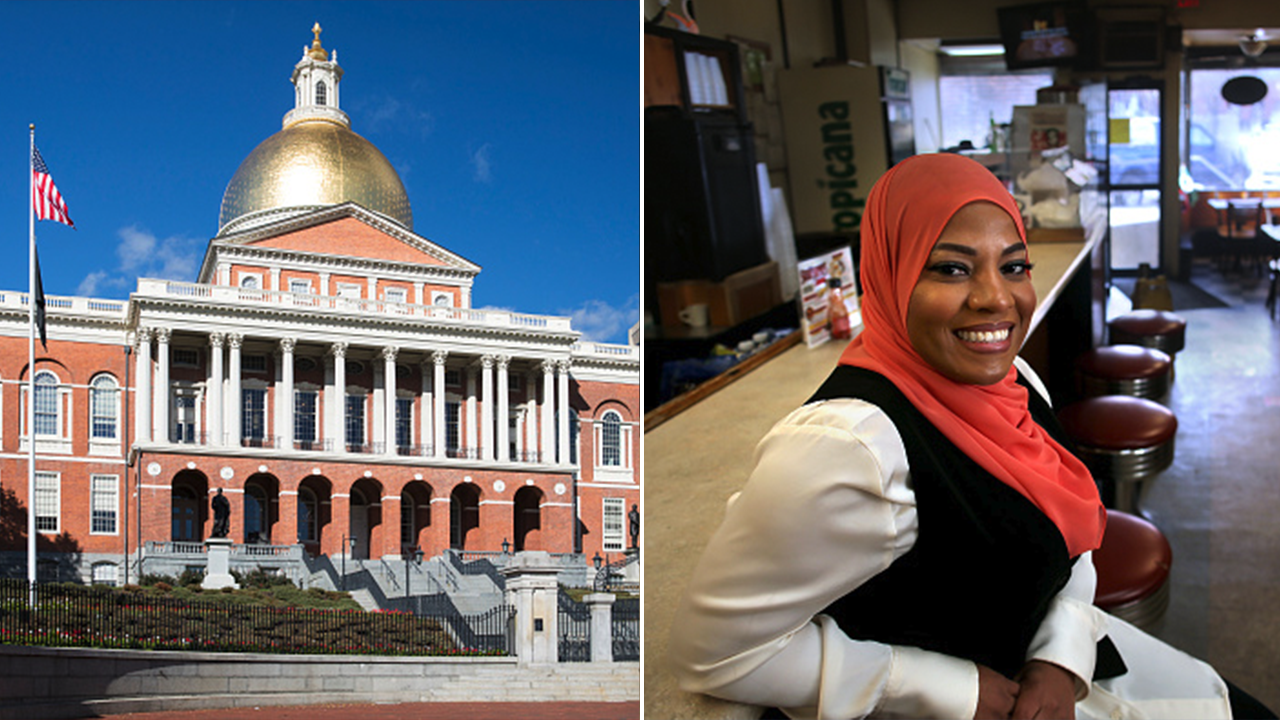
Boston city councilor Tania Fernandes Anderson, known for advocating for more accountability for public officials, has the worst absence record among city lawmakers, with seven absences at regular weekly City Council meetings since taking office in January 2022. This is despite her emphasis on establishing clear metrics to assess the performance of councilors. She has missed multiple votes related to public safety, including those concerning police department grants and contracts.
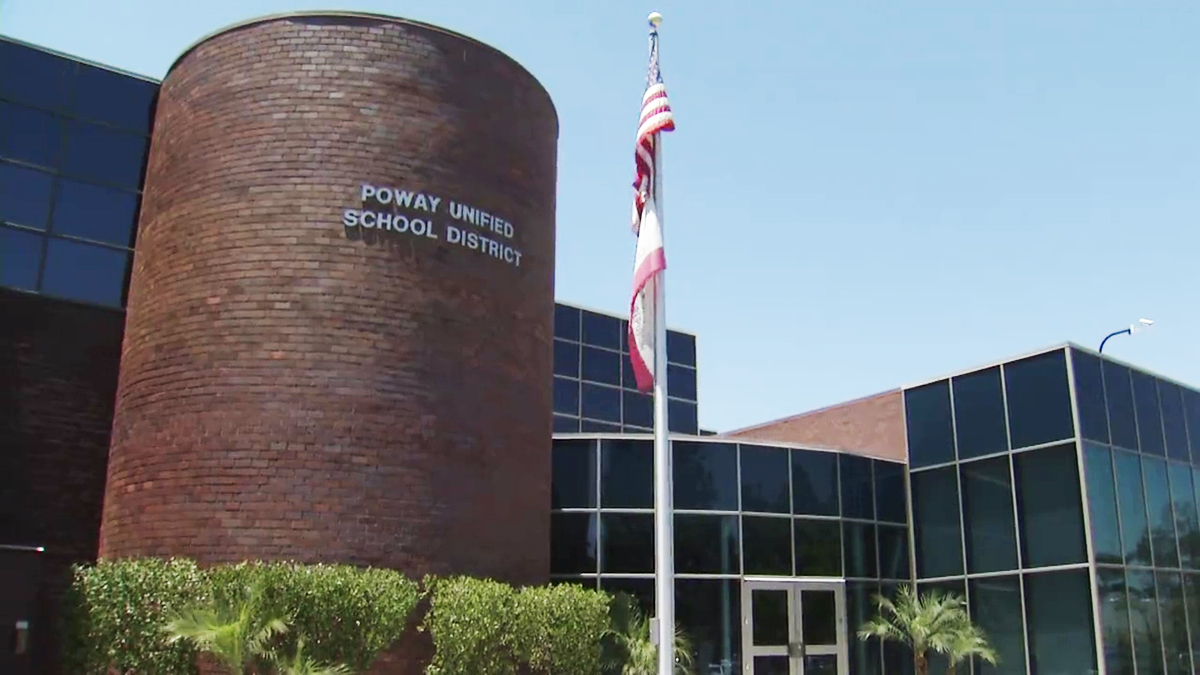
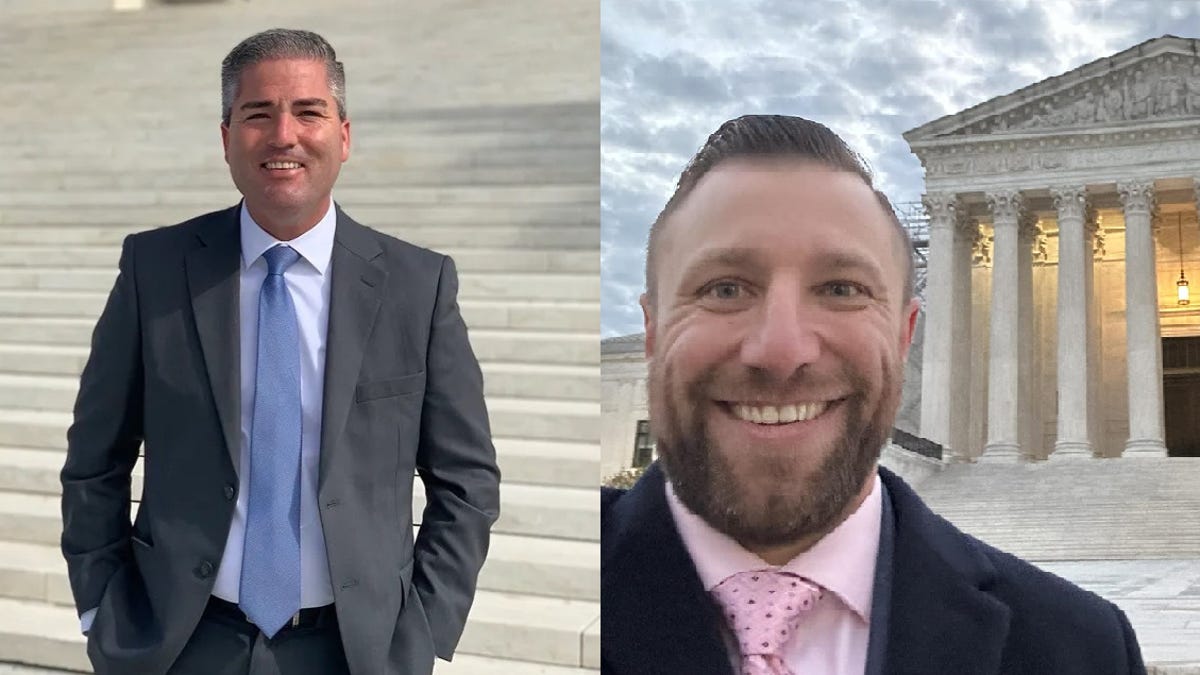
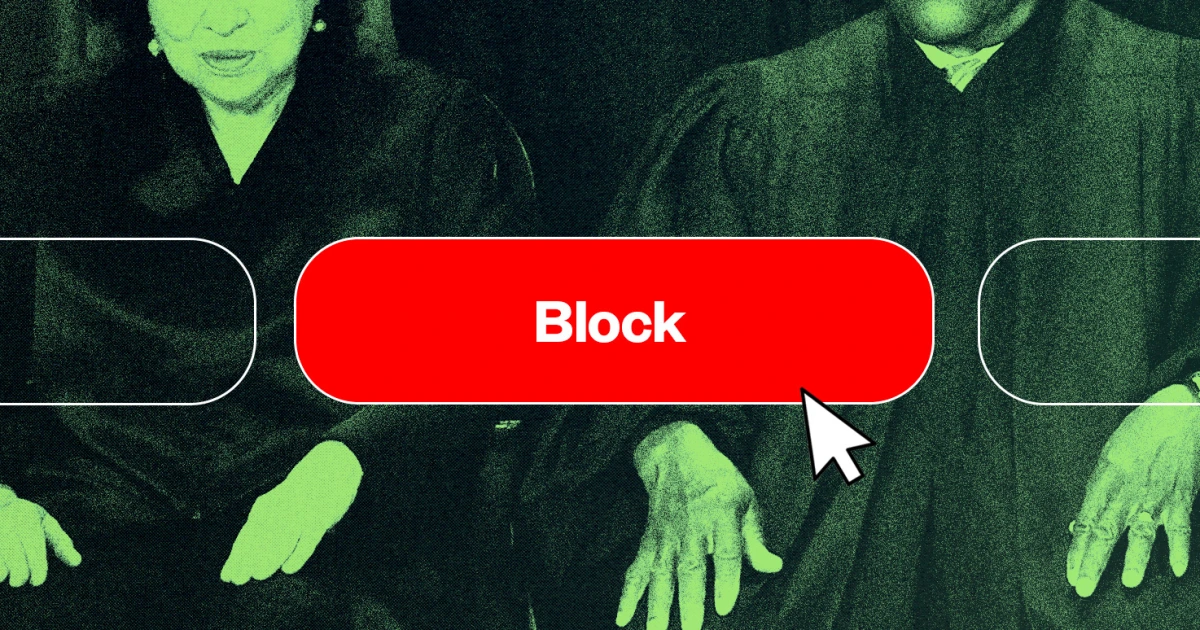
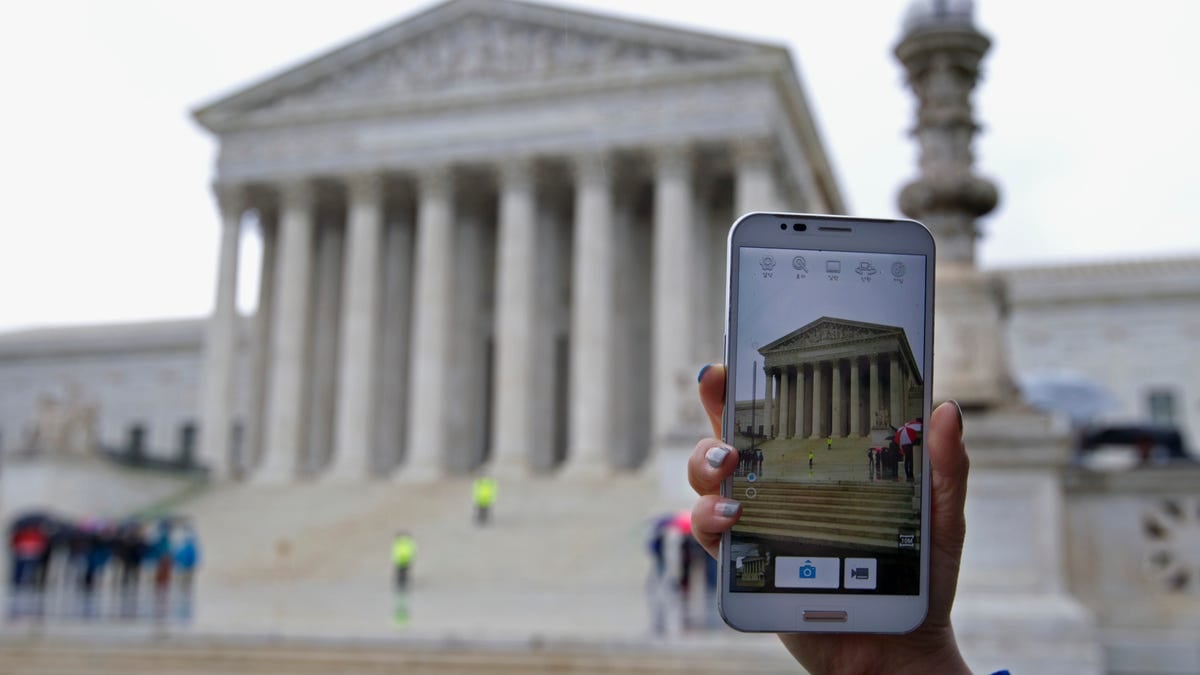
The Supreme Court unanimously ruled that public officials can be sued for blocking critics on personal social media accounts used for official statements, emphasizing the need to balance free speech rights of officials and constituents. The cases involved school board members in California and a city manager in Michigan, and the court's decision sets a standard for when personal accounts become official. The ruling comes amid a broader legal landscape involving social media, including cases on state laws regulating social media content and challenges to the Biden administration's efforts to combat controversial posts.
The Supreme Court unanimously ruled that public officials can block constituents on personal social media accounts unless they are speaking on behalf of the government, settling a dispute that arose during the Trump administration. The court emphasized that the key question is whether the alleged censorship relates to an issue within the employee's responsibility. The cases were sent back to lower courts for further review based on the ruling. This decision is one of several expected this term to address free speech rights in the digital age, including challenges to laws in Texas and Florida regarding content moderation on social media platforms.
The US Supreme Court ruled that a city manager was within his rights to block a local critic from his Facebook page if he did so as a private citizen and not as an official act, despite the critic's contention that it violated his free speech. The ruling clarifies the circumstances under which public officials can limit access to their personal social media platforms and what rights the public may have in commenting on public matters on those sites. The decision is considered significant and sets a new standard for courts to determine whether a public official's social media activity constitutes state action.
The Supreme Court ruled that public officials can sometimes be sued for blocking critics on their personal social media accounts when used for official statements, emphasizing the need for officials to allow criticism in such cases. The decision stemmed from lawsuits involving school board members in California and a city manager in Michigan, highlighting the competing free speech rights of public officials and constituents in the digital age. The court also has other social media cases on its docket, including laws in Florida and Texas regarding social media censorship and a challenge to the Biden administration's efforts to combat controversial social media posts.
The Supreme Court ruled that public officials can block people on social media in certain circumstances, setting a clearer standard for when they are considered state actors online. The cases involved elected school board members in California and a city manager in Michigan who blocked critics on their personal social media accounts. The court's unanimous opinion, written by Justice Amy Coney Barrett, clarified that government officials' speech on social media can be subject to First Amendment scrutiny if they have the authority to speak on the state's behalf and purported to be exercising that authority.
The Supreme Court ruled that public officials can be sued for blocking or muting members of the public on social media, deeming them "state actors" when using social media. The ruling applies to all public officials who engage with the public on social media and sets a new legal test to determine when officials can be sued. The court acknowledged the difficulty in distinguishing official and private speech on social media and emphasized that government officials also have constitutional rights. The cases involved a school board member in California and a city manager in Michigan, and the ruling will have implications for other social media-related free speech issues.
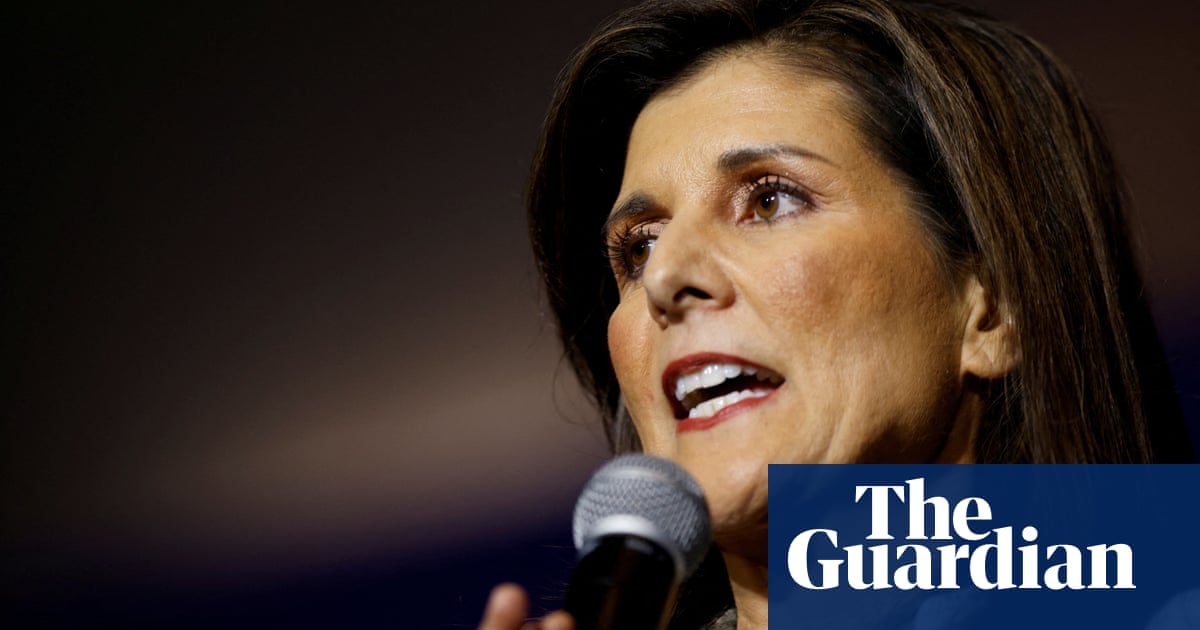
Records reveal that presidential hopeful Nikki Haley was the target of a swatting incident in December, where an anonymous caller falsely reported a violent incident at her South Carolina home. This incident is part of a surge in swatting against public officials, including special counsel Jack Smith, judge Tanya Chutkan, and others, with some attributing the trend to political intimidation. The incidents pose serious risks to the individuals and law enforcement officers involved, prompting concerns about the safety of public officials and their families.
Public officials involved in Donald Trump's legal cases have faced a surge of violent threats, including death threats, swatting incidents, and racist messages. From judges to prosecutors, those connected to Trump's legal woes have been targeted, with some receiving heightened protection. The threats have intensified as Trump's legal problems have grown, with figures constantly vilified by Trump on social media facing the most serious and pervasive threats. Despite the majority of threats being directed at Trump's perceived legal adversaries, even a judge who has issued favorable rulings for Trump has been targeted.
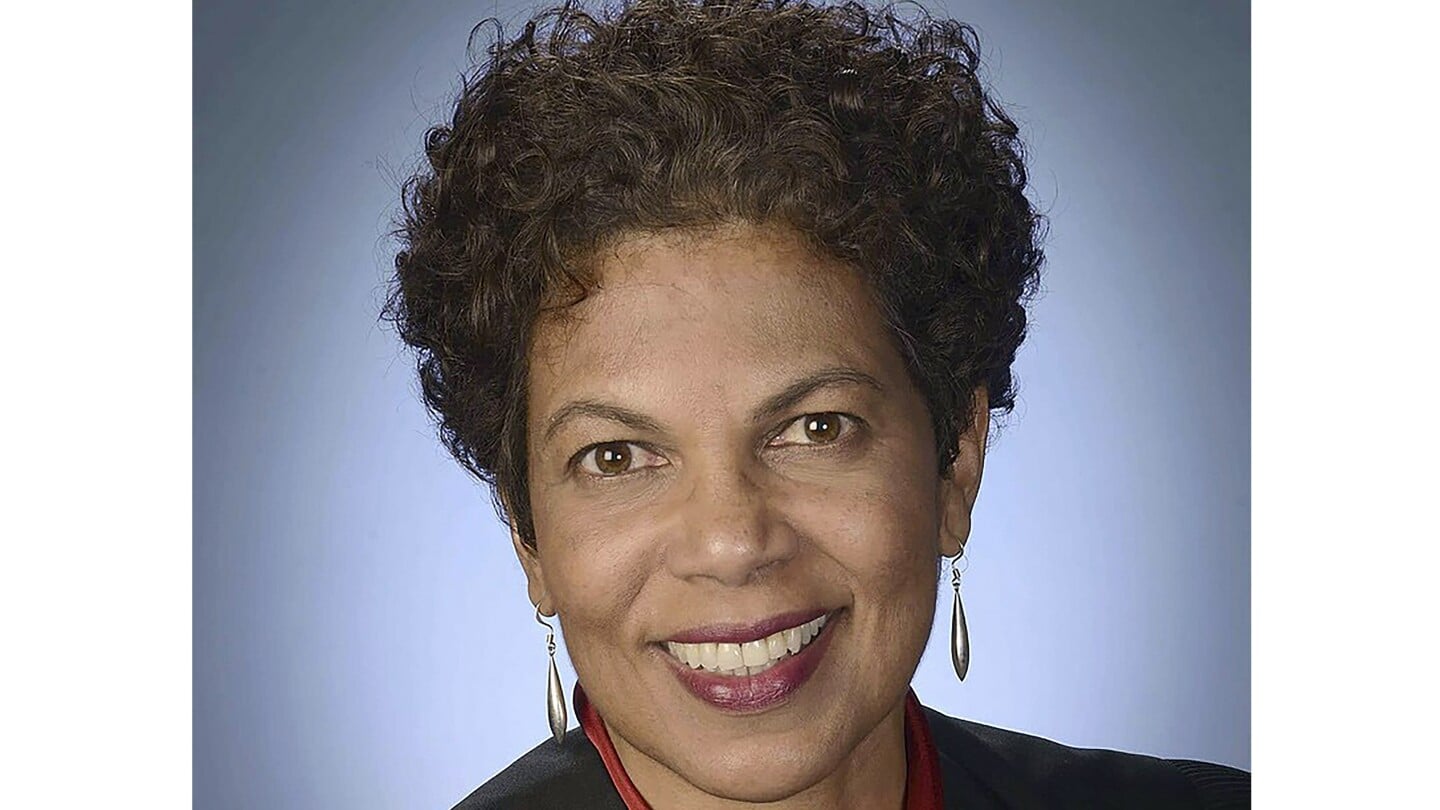
A fake emergency call targeted the home of U.S. District Judge Tanya Chutkan, who is overseeing the federal election subversion case against former President Donald Trump, in the latest incident of swatting directed at high-profile public officials. This comes after a spike in swatting incidents targeting public officials' homes and bomb threats at state capitols and courthouses, prompting lockdowns and evacuations. Attorney General Merrick Garland called the threats "deeply disturbing" and emphasized that they are unacceptable and threaten the fabric of democracy.
The Supreme Court is set to hear a case that could have significant implications for how government officials interact with the public on social media. The case involves a city manager in Michigan who blocked a constituent from his Facebook page after the constituent criticized his handling of the COVID-19 pandemic. The question before the court is whether public officials' social media pages are considered part of their official capacity, and if blocking constituents violates the First Amendment. This case, along with others pending before the Supreme Court, highlights the intersection of social media and government and the need for clarity on the rights and responsibilities of public officials in the digital age.