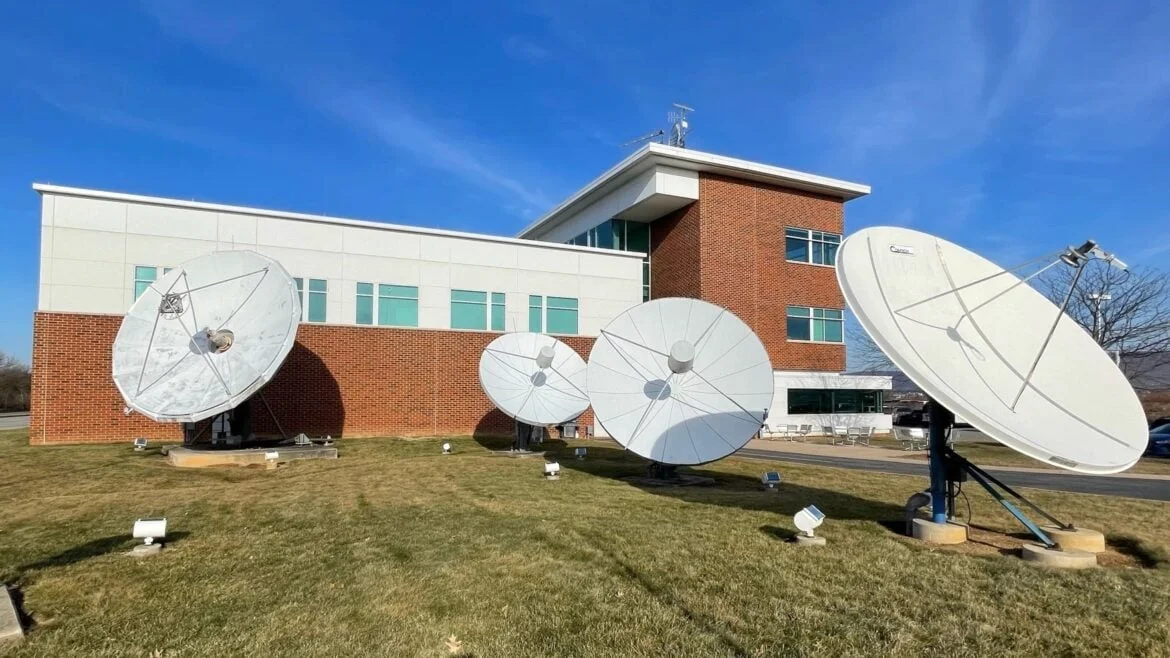
Penn State University’s board approved the sale of WPSU to WHYY, with WHYY agreeing to operate WPSU for at least three years and fundraise to support the transition, aiming for the deal to close by June 2026, ensuring continued local public media service in central Pennsylvania.

Penn State's Board of Trustees approved a deal to transfer WPSU's assets to WHYY, ensuring continued public media access in Central Pennsylvania while reducing Penn State's financial support, with the transaction pending further approvals.
South Dakota Public Broadcasting faces severe cuts after losing federal funding, impacting local news, educational programming, and sports coverage, amid broader national reductions in public media funding and debates over media bias and political influence.
GBH is launching the Fund the Future Campaign to address the decline in federal funding, aiming to support independent journalism, educational content, and cultural programming, and to transition into a digital powerhouse while maintaining independence from government and shareholders.
NPR is suing the Corporation for Public Broadcasting to block a $57.9 million grant to a new consortium, amid tensions over federal funding cuts and political interference, threatening the future of public radio distribution systems.
PBS has laid off 34 staff members and eliminated nearly 100 positions due to the loss of federal funding following congressional budget rescissions, leading to significant operational and staffing cuts amid ongoing financial challenges for public media.
Conservative efforts in Congress and recent executive actions have significantly cut federal funding for public media, threatening local news outlets and community access to information, especially in rural areas, with many stations at risk of shutting down due to loss of crucial funding.
Major philanthropic organizations are providing nearly $37 million in emergency funding to support public media stations after federal funding was cut by Congress, with plans to raise $100 million over two years to stabilize and sustain the system.
Philanthropists and foundations are rallying to raise $50 million to support at-risk PBS and NPR stations facing federal funding cuts, especially in rural areas, to prevent closures and preserve local news and emergency services.
The documentary filmmaking community faces significant challenges due to federal funding cuts, including the rescinding of the CPB's budget, leading to budget reductions at PBS and other organizations. Despite these setbacks, filmmakers and media organizations are exploring alternative funding sources and digital platforms to continue producing and distributing documentaries, emphasizing resilience and innovation in the face of financial adversity.
PBS plans to cut its budget by 21% due to the loss of $1.1 billion in federal funding over the next two years, leading to significant financial challenges for public media stations across the U.S., with some stations in rural areas being more heavily affected. The Corporation for Public Broadcasting will shut down by year's end, and NPR is also reducing its budget to support affected stations. The funding cuts are part of broader political debates and budget reallocations.
The Corporation for Public Broadcasting (CPB) announced it will begin winding down operations and close following federal budget cuts, prompting NPR to reaffirm its commitment to supporting local stations and independent journalism amidst the loss of a key public media institution.
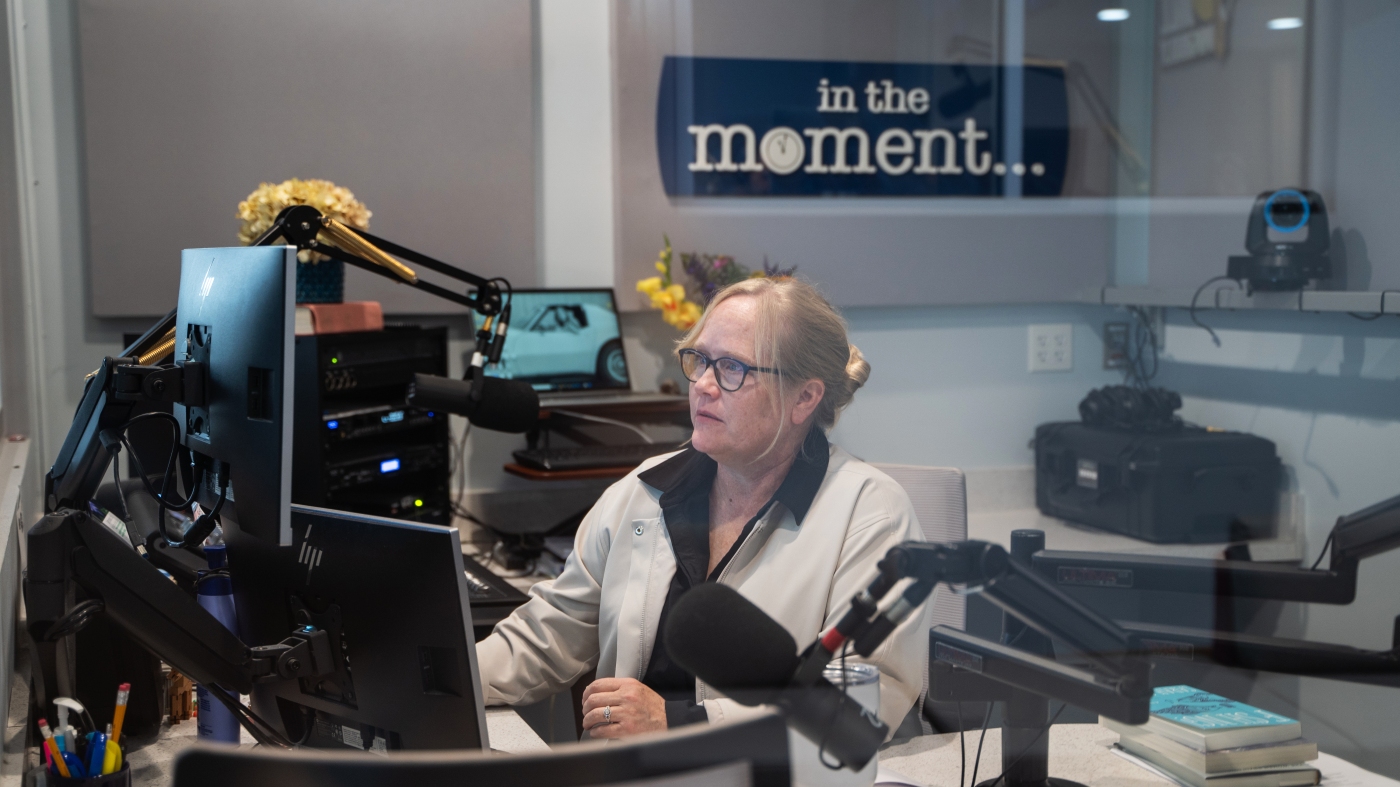
The article discusses the impact of recent federal funding cuts on small public radio stations like Allegheny Mountain Radio, which serve rural communities and rely heavily on government support. These stations provide vital local news, community information, and NPR programming, and face potential closures or staff cuts due to the funding reduction, highlighting concerns about the broader implications for local information and community connectivity amid polarized politics.
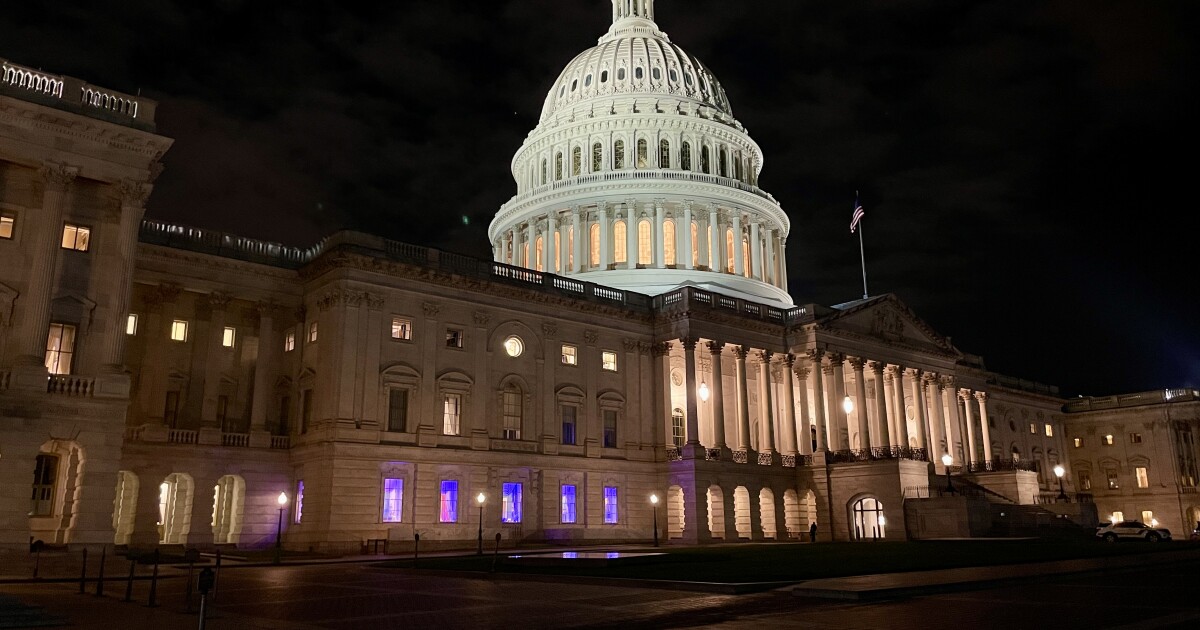
The House passed a bill to rescind $9 billion in federal spending, including cuts to public media and foreign aid, marking the first successful rescission package in over 30 years, and potentially complicating the upcoming government funding deadline.
The U.S. Senate approved a bill to defund the Corporation for Public Broadcasting, rejecting Senator Murkowski's amendment to preserve local station funding, citing the importance of public media in emergencies like the Unalaska earthquake; the bill now moves to the House for approval.