Research suggests that acetaminophen, a common painkiller, may increase risk-taking behavior by reducing negative emotions and anxiety, potentially impacting societal safety, though further studies are needed to confirm these effects.
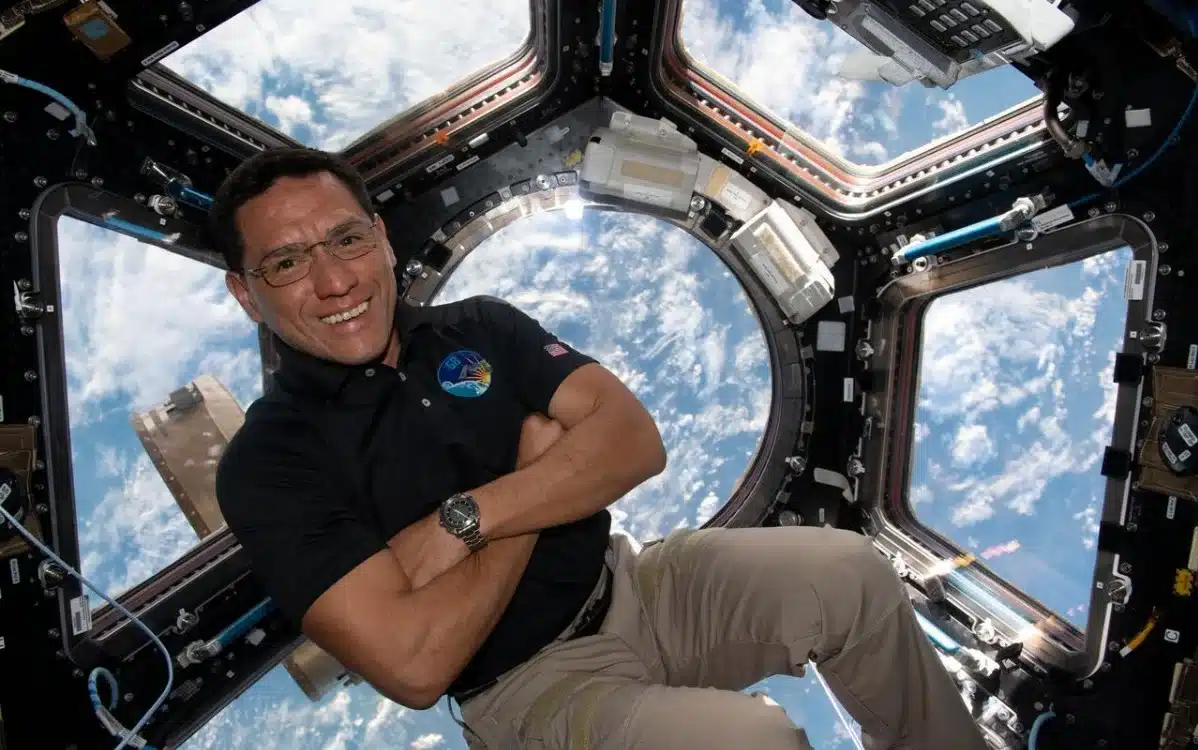
NASA astronaut Frank Rubio spent over a year in space due to a coolant leak, experiencing significant temporary physical effects like muscle and bone loss, difficulty walking, and vision changes, as well as psychological challenges such as anxiety and sleep issues, all of which are manageable with proper preparation and time.
Johann Hari lost 42 pounds using Ozempic, a drug initially for Type 2 diabetes but also effective for weight loss. Despite the physical benefits, Hari experienced psychological challenges, including an inability to comfort eat, which led to emotional discomfort. Experts acknowledge the lack of long-term studies on the drug's safety but note its reassuring track record in treating diabetes. Hari plans to continue using Ozempic due to his family's heart disease history, despite concerns about potential long-term risks.
Johann Hari lost 42 pounds using Ozempic and Wegovy, drugs initially for Type 2 diabetes but also effective for weight loss. Despite the physical benefits, Hari experienced psychological challenges, including an inability to comfort eat, which led to emotional discomfort. He highlights the unknown long-term risks of these medications, despite their current benefits in reducing heart disease risk. Experts acknowledge the lack of long-term studies but note the reassuring track record of GLP-1 medications for diabetes. Hari's experience underscores the complex balance of benefits and risks associated with these weight-loss drugs.
"Space: The Longest Goodbye" is a documentary exploring the challenges facing a manned mission to Mars, delving into the psychological effects on astronauts and their families. The film features interviews with NASA scientists, consultants, and astronauts, shedding light on the emotional experiences and sacrifices involved in space exploration. However, it falls short in exploring the potential impact of art and humanities on astronauts' well-being and lacks a sense of wonder or joy, leaving it feeling like a promotional piece for NASA with a grim and calculated tone. The documentary ends up being a muddled mix of warnings and celebrations, ultimately leaving the viewer with more questions than answers.
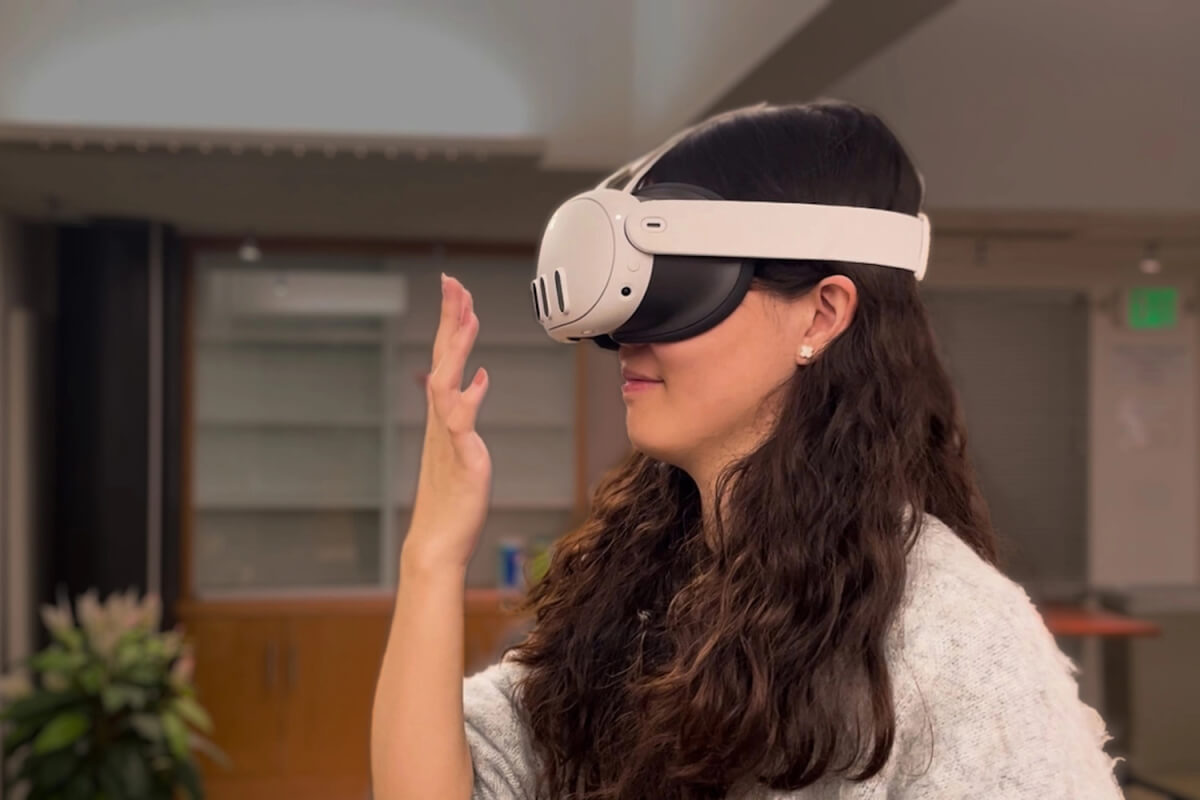
Stanford University researchers have found unsettling effects associated with prolonged use of mixed reality headsets, including visual distortions, social disconnection, and motion sickness. The passthrough video technology used in these headsets can lead to a "funhouse mirror" effect, limiting peripheral vision and distorting reality. Users also reported feeling disconnected from people in their immediate vicinity, akin to seeing them as mere images on a screen. The study highlights the need for caution and moderation in using this technology to mitigate potential dangers and adverse effects.
First loves can have a lasting impact on our lives, shaping our memories and influencing our future relationships. The intense emotions experienced during first love are driven by the release of dopamine in the brain, creating a powerful reward pathway that reinforces the memory. These memories serve as a foundation for our sense of self and inform our understanding of love and relationships. While not all first loves last, the imprint they leave can be profound, often leading to comparisons with subsequent partners. The chemistry of first love can also hinder the ability to form lasting relationships, as the intensity of the initial experience may block the capacity to love again. The memories of first love, even in old age, remain significant and contribute to our overall sense of identity and personal growth.
New research published in Psychological Bulletin reveals that individuals who experienced childhood maltreatment, such as abuse or neglect, are more likely to exhibit higher levels of alexithymia (difficulty in identifying and describing emotions) in adulthood. Emotional abuse and neglect were found to be the strongest predictors of adult alexithymia. The study highlights the long-lasting effects of early experiences of maltreatment on emotional development and emphasizes the importance of addressing child maltreatment to promote emotional well-being. However, more research is needed to establish causality and explore cultural differences in this relationship.