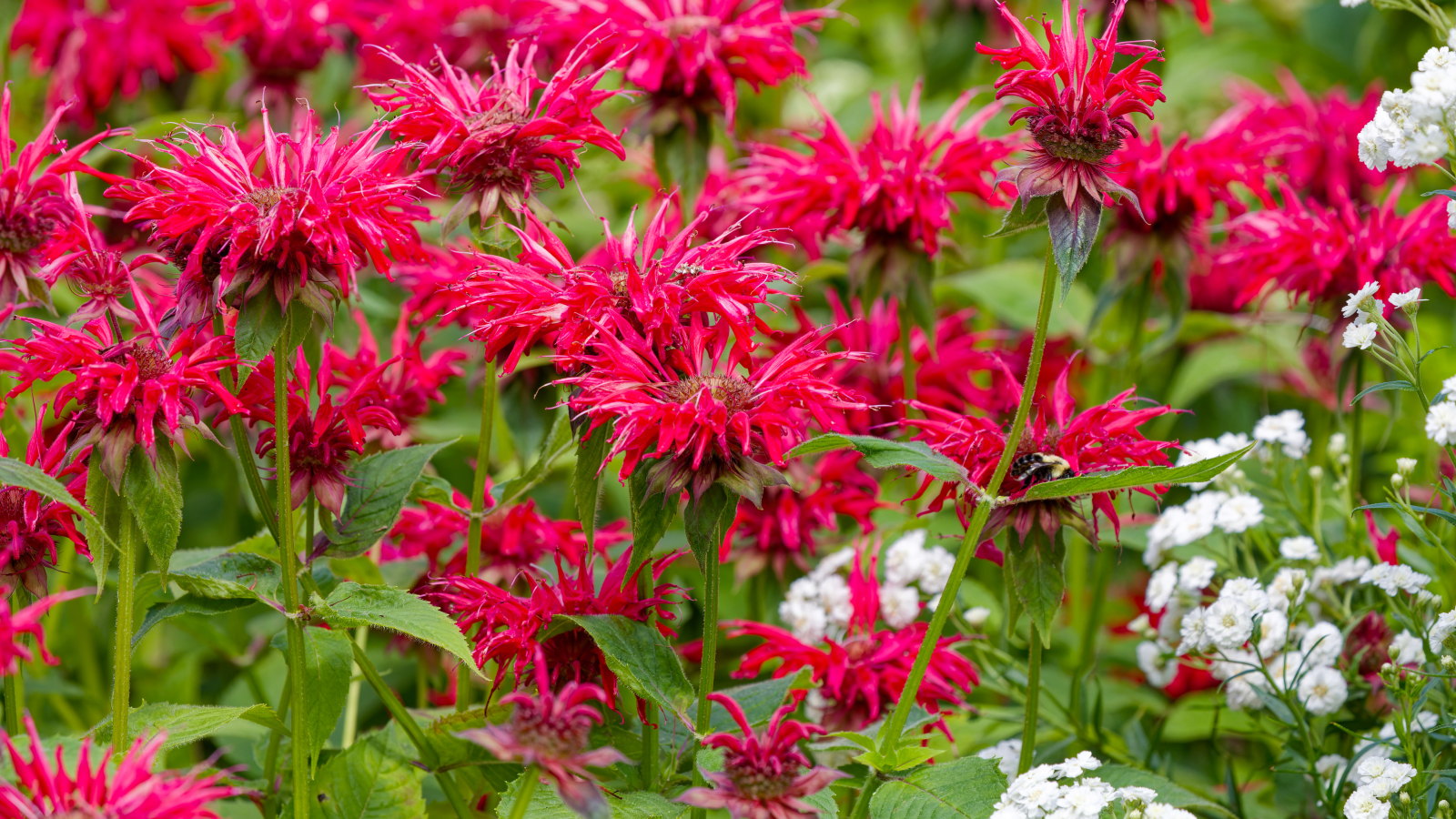
The article discusses the best times to cut back bee balm, highlighting benefits of pruning in spring for bushier growth and more blooms, or in fall to tidy the garden and prevent disease, especially powdery mildew. It emphasizes personal preference, disease management, and the importance of deadheading and proper pruning techniques to promote healthy, vibrant plants and support pollinators.
When cultivating early blooming forsythia in your garden, it's crucial to select the right planting site with full sun and well-draining soil, choose varieties that are resilient to your climate, and avoid pruning at the wrong time. Forsythias require minimal care but thrive when their specific needs are met, and pruning should be done after flowering season and not in the fall. Additionally, selecting the right cultivar with buds that can withstand your climate's temperature drop is essential for enjoying their radiant yellow blooms.
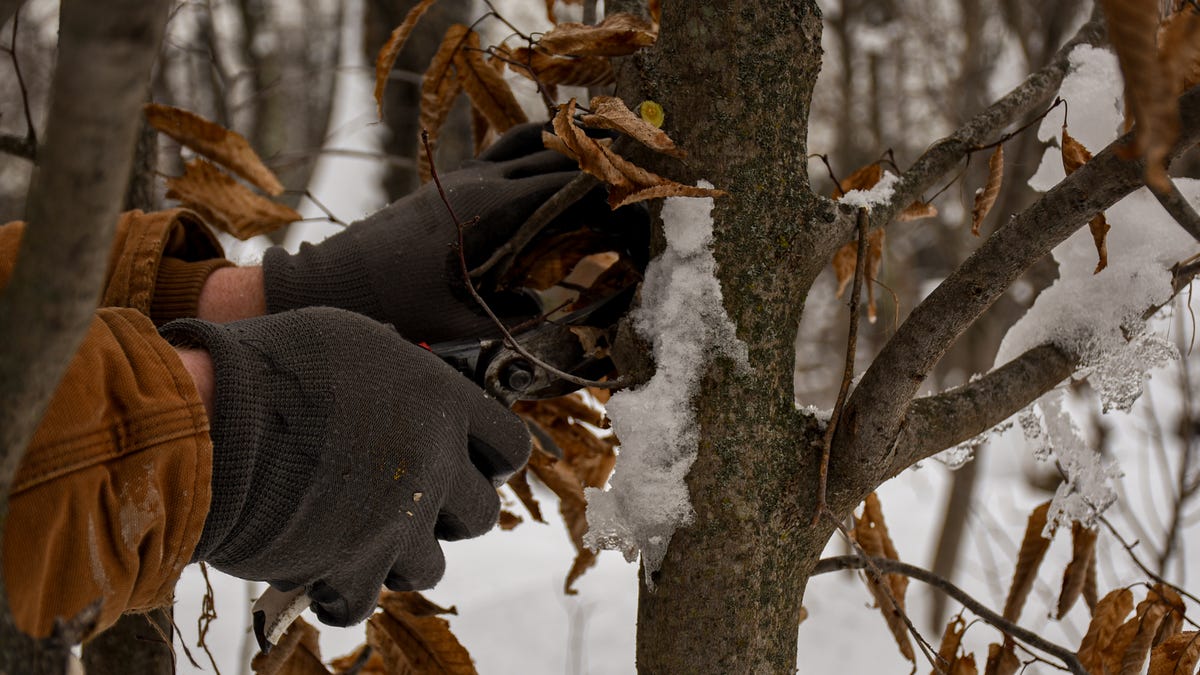
The cold temperatures in Michigan have created the perfect conditions for winter pruning, according to the Department of Natural Resources. It's recommended to prune most trees in late winter to early spring before growth starts, using the appropriate tools and techniques outlined in the DNR's pruning guide. Pruning stimulates new growth by removing dead or damaged parts of a branch, but it's important not to remove more than 25% of the tree each year to allow for recovery. For larger trees or projects requiring a ladder, it's advisable to seek help from certified professionals.
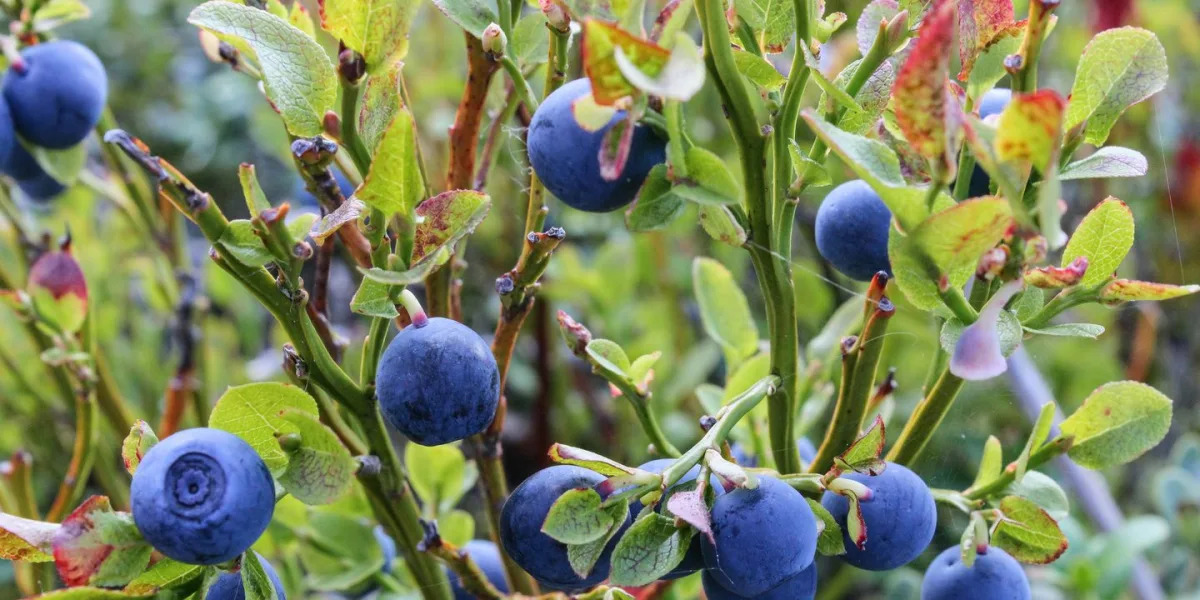
Pruning blueberry plants is essential for their health and productivity. Blueberries fruit on wood that is at least one year old, with the best fruiting branches being two to three years old. Pruning should be done during the plant's dormancy season, from November to March, with a focus on removing dead, diseased, or damaged branches, thinning older stems, and encouraging new growth. It is important to avoid pruning right after fruiting and to fertilize and mulch the plants after pruning. Taking cuttings from blueberry stems can also be done to propagate new plants.
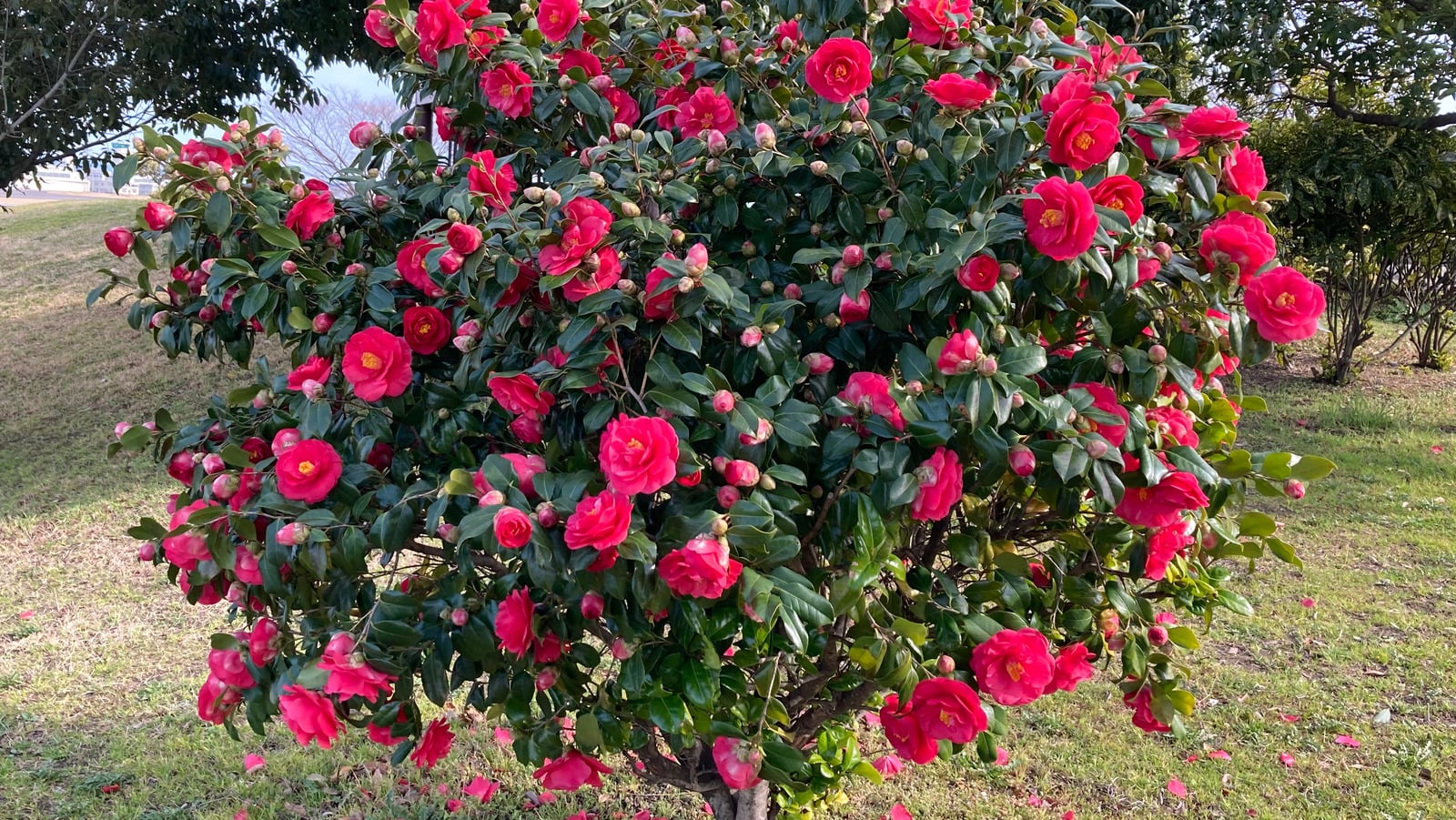
Pruning camellias in spring helps promote healthy growth, shape the shrub, and prevent diseases. Use sharpened tools to make clean cuts, removing weak, overgrown, or dead branches. Pruning redirects energy and nutrients to areas that need them, resulting in more blossoms or new branches. It also allows sunlight and airflow to reach the inner parts, preventing mold and diseases. However, excessive pruning can stunt growth and weaken the plant.
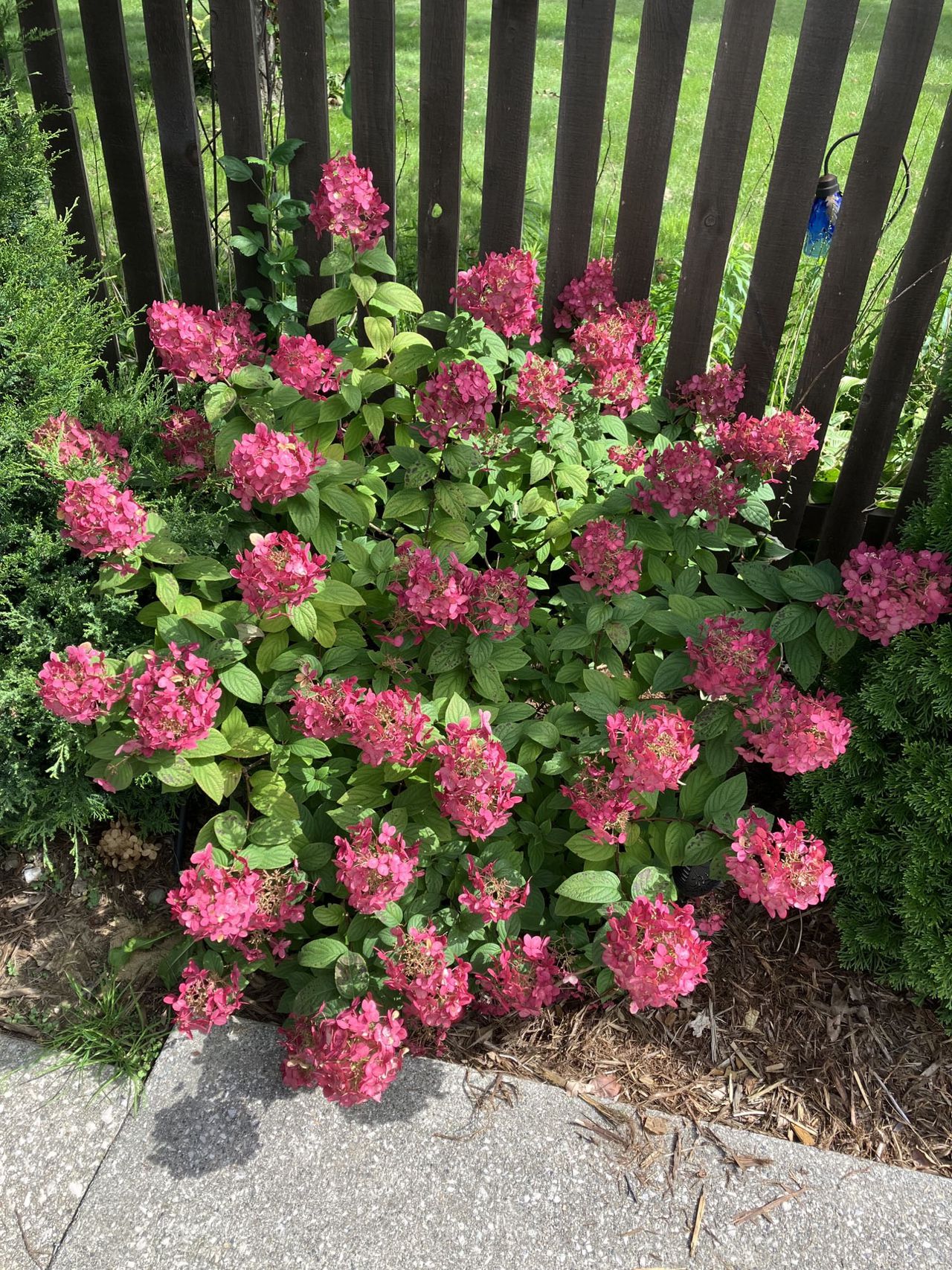
Hydrangeas may fail to bloom due to various reasons, including inadequate sunlight, overcrowding, and improper pruning. While hydrangeas require at least four hours of sun, excessive heat can hinder blooming. Proper spacing is crucial, with each hydrangea needing a 4-foot hula hoop's worth of space. Pruning time depends on the hydrangea variety, with smooth leaf and panicle hydrangeas pruned in late winter or early spring, big leaf and mountain hydrangeas left unpruned, and climbing and oak leaf hydrangeas blooming on last year's wood. Late frosts can also damage flower buds. Keeping a garden journal with plant varieties can help troubleshoot issues.
Growing blueberries in your yard requires acidic soil with a pH level of around 4 to 5. Blueberries need a certain number of chill hours, so it's important to buy the right kind for your climate. Plant them in full sun, space them 3 to 4 feet apart, and water them during dry spells. Fertilize them after a month in the ground and pick off buds the first two years to allow for more foliage and deeper roots. Prune blueberries annually to keep them healthy and producing.
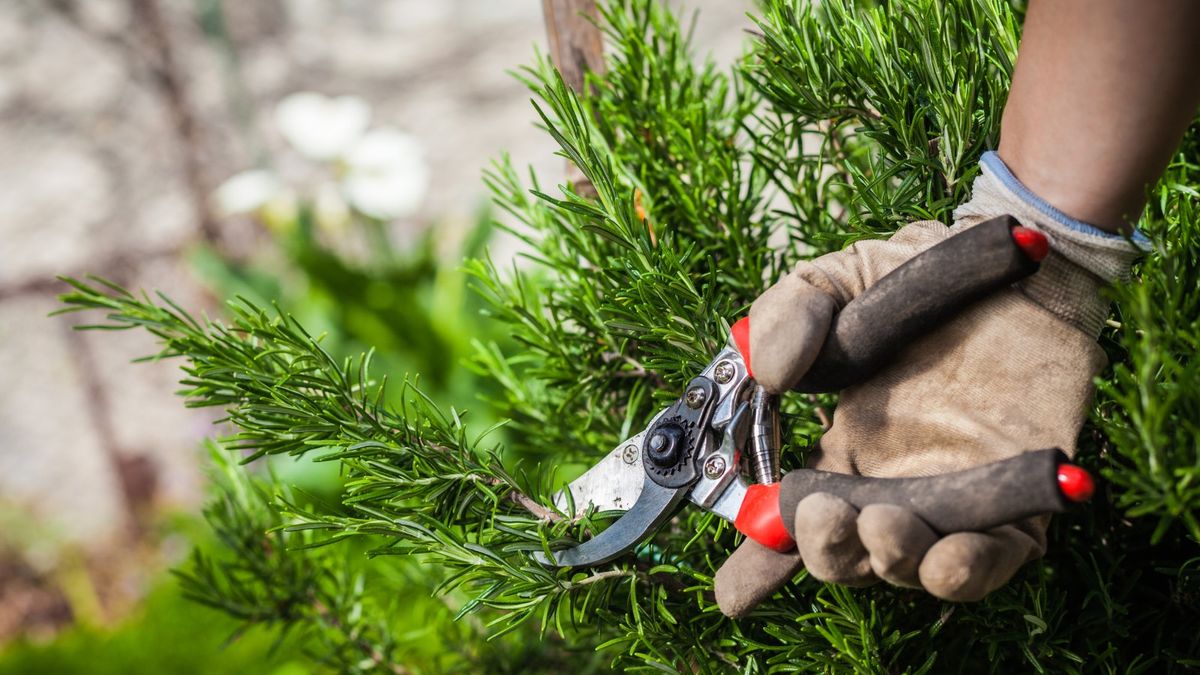
Pruning rosemary is a simple task that requires only a few tools and can be done once a year to keep the plant looking neat and healthy. Use clean and sharp pruning shears to remove old flowers, dead, damaged, crossing, or diseased branches, and shorten all long stems. Pruning can also help protect the plant from fungal diseases and promote growth. However, it is not recommended to cut rosemary back too hard as it may not recover. Plan ahead and take cuttings to replace older bushes.