Amyloid Hypothesis for Alzheimer's Supported but Alternative Treatment Suggested
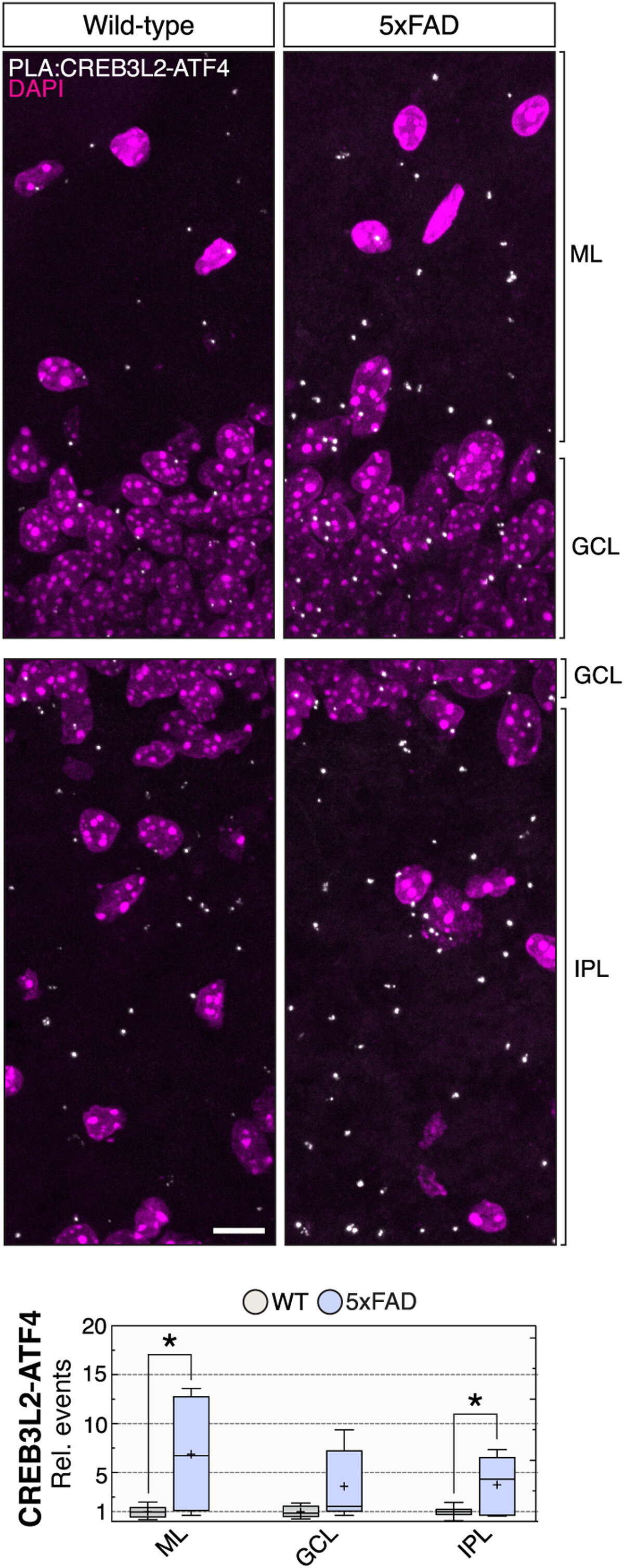
A new study provides additional evidence for the “amyloid hypothesis” of Alzheimer’s disease, reporting amyloid beta sparks an alliance between two proteins in neurons. This pairing is linked to half of the gene changes associated with Alzheimer’s disease. The protein pair, CREB3L2 and ATF4, could be a good target for a new therapy. The findings suggest that Alzheimer’s could be treated by interfering with the CREB3L2-ATF4 pair. The researchers have already identified a drug, dovitinib, that interferes with the effects of the protein pair.