
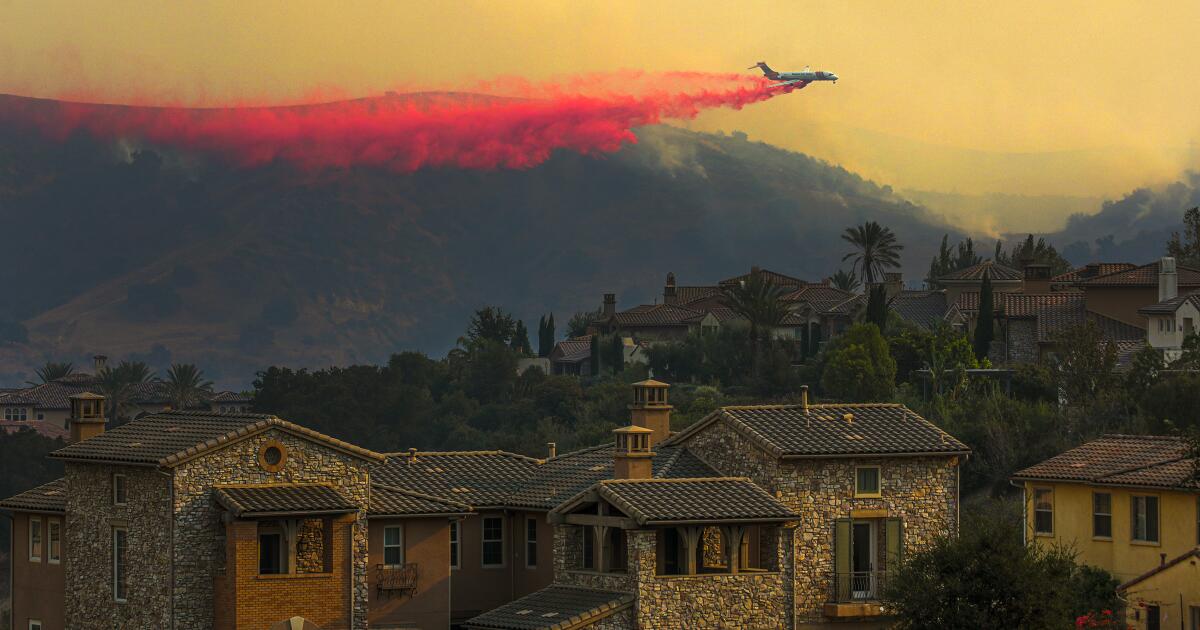
Many Californians are struggling to afford homeowners insurance as insurers abandon fire-prone areas, leaving residents either uninsured or reliant on costly last-resort options like the FAIR Plan. The state's regulatory system under Proposition 103 complicates rate adjustments, contributing to the crisis. Lawmakers and officials are considering measures to incentivize fire-hardening homes and streamline insurance regulations to stabilize the market.
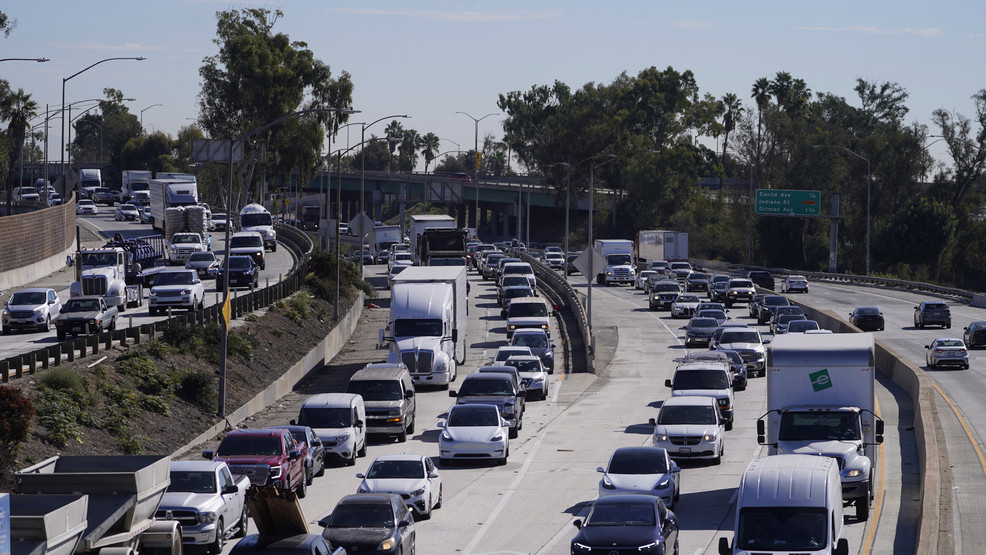
Californians are facing a potential 35% increase in car insurance rates as many insurance companies are leaving the state due to regulatory challenges. With only two major insurers remaining, customers are experiencing significant price hikes, with one individual seeing their premium double. The exodus of insurance companies is attributed to Proposition 103, which requires all rate increases above 6.9% to be approved by the California Department of Insurance. As a result, many companies are halting new policy writing or leaving the state altogether, leaving consumers with limited options and higher costs.
California homeowners are facing an insurance crisis as major insurers like State Farm and Allstate have stopped signing new home policies in the state. Other insurance providers are also opting not to renew policies, citing reasons such as the age of the structure or wildfire risk. Homeowners are advised to shop around for alternative insurers or consider the FAIR Plan, an insurance policy of last resort. New regulations require insurance companies to provide homeowners with their "wildfire risk score" and offer discounts for wildfire mitigation measures, but there is a loophole that allows companies to non-renew policies instead. The debate centers around Proposition 103, with insurance companies claiming it hinders their ability to raise rates, while consumer advocates argue that insurers are using climate change as an excuse to evade public scrutiny and increase rates. Public policy solutions may be necessary to address the insurance crisis in California.