Russian President Vladimir Putin suggests that grenades, alcohol, and drugs may have played a role in the jet crash involving Yevgeny Prigozhin, a businessman with close ties to the Kremlin.
Ukrainian President Volodymyr Zelensky claimed that Russian President Vladimir Putin "killed" Yevgeny Prigozhin, the founder of the Wagner Group, during a speech in Kyiv. Zelensky did not provide specific information about Putin's alleged involvement in the plane crash that killed Prigozhin but stated that his death meant "one less terrorist" in the world. Zelensky also suggested that the Russians' morale has fallen due to the loss of protection provided by the Wagnerites, whom they used as cover.
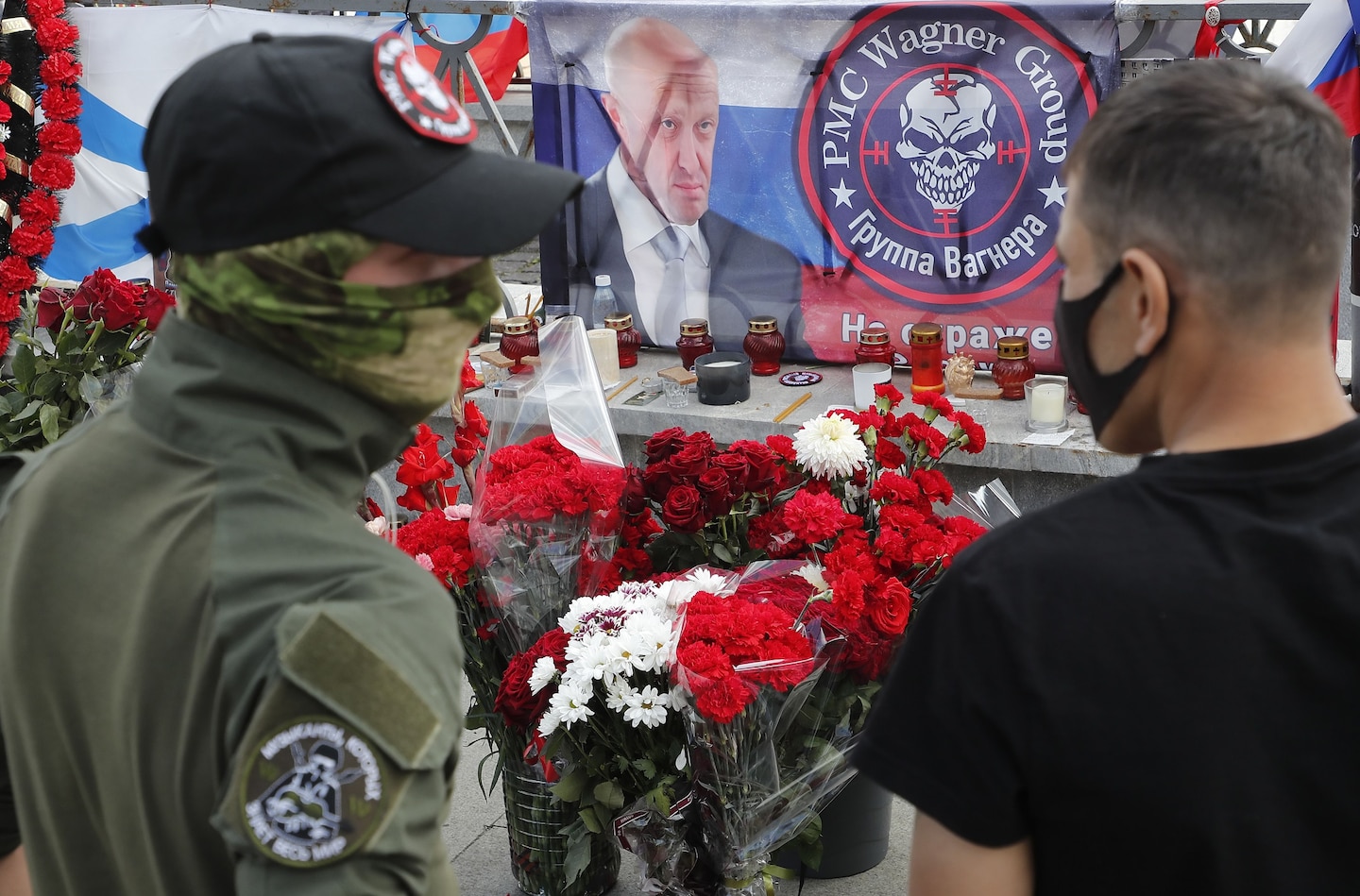
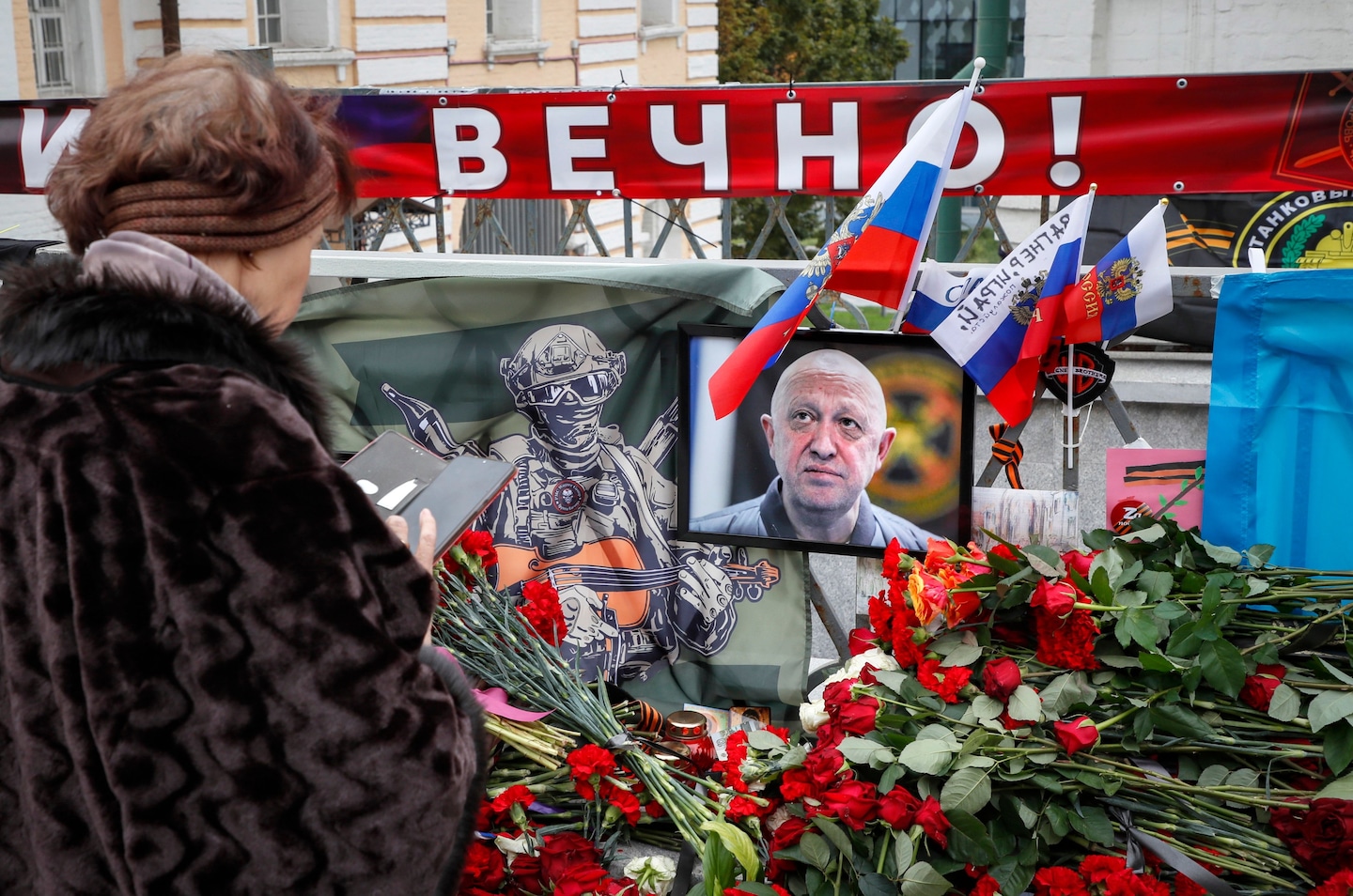
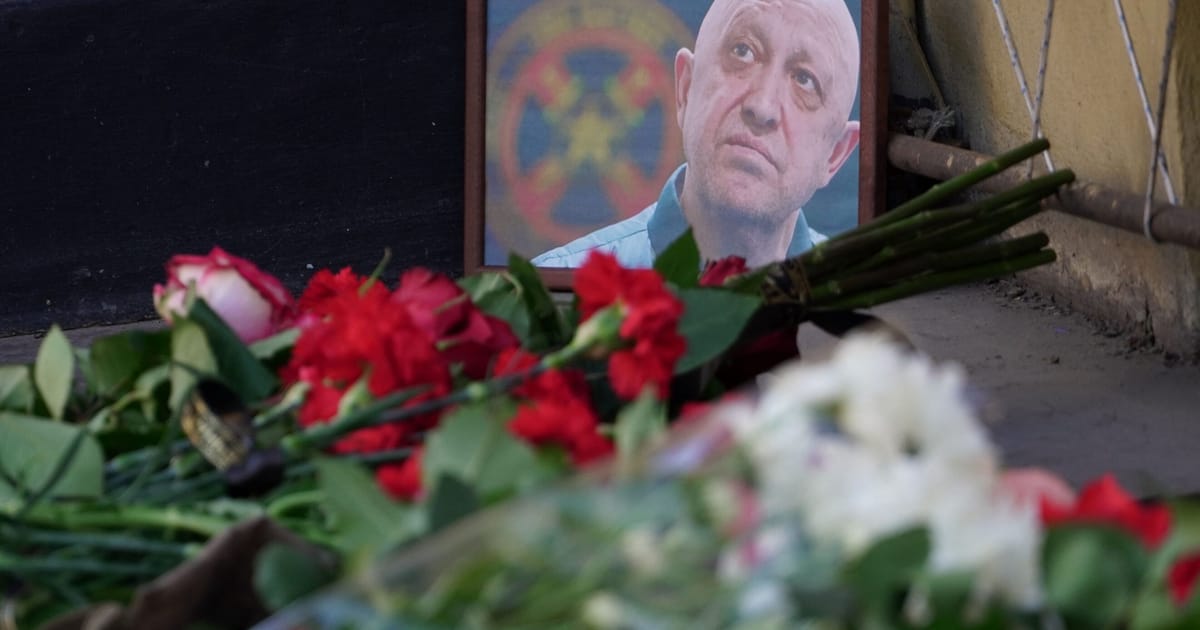
The Kremlin is facing calls for a military funeral for Yevgeniy Prigozhin, the chief of the Wagner mercenary group, who died in a plane crash last week. The decision on the funerals of Prigozhin, mercenary commander Dmitry Utkin, and others in their group rests with their families, according to the Kremlin. The calls for a military funeral highlight the ongoing divisions within Russia over the war in Ukraine. The Kremlin is attempting to separate Prigozhin, whom President Vladimir Putin has condemned as a traitor, from the Wagner group, which he has praised for its fight in Ukraine. However, the Kremlin faces a delicate balance in handling the funerals, as any perceived snub of Prigozhin's funeral could be seen as evidence of Kremlin involvement in the plane crash.
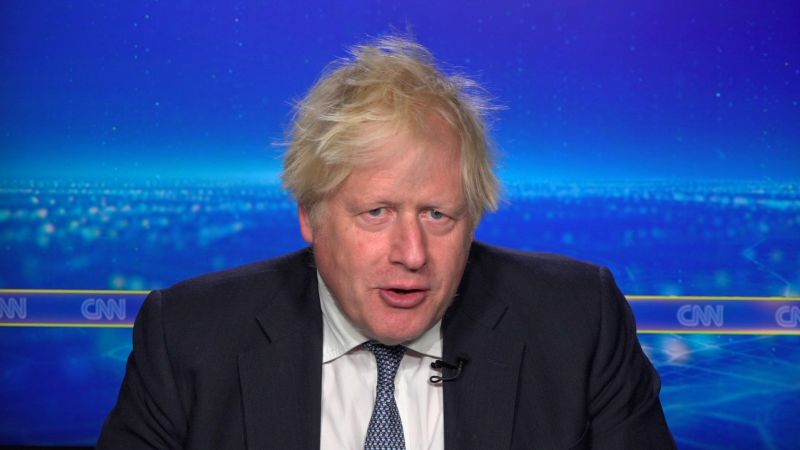
British Prime Minister Boris Johnson blames Russian President Vladimir Putin for the plane crash that killed Russian oligarch Yevgeny Prigozhin, suggesting that Prigozhin's last thought was "Putin." The incident comes amid the ongoing Russia-Ukraine conflict, with tensions escalating and military spending increasing in Russia.
Belarusian President Alexander Lukashenko claims he warned Wagner Group leader Yevgeniy Prigozhin about his safety before the plane crash, but Prigozhin did not take up his offer. The cause of the crash is still under investigation, with early assessments suggesting the possibility of an onboard explosion. Three Ukrainian pilots were killed in a midair collision during a combat mission. Attacks continue in Ukraine, with four people killed in the past day. Ukrainian and Russian sea and air forces have had confrontations around strategically important gas and oil platforms in the Black Sea. Four more military officers in Ukraine have been detained for corruption. Ukraine is negotiating security guarantees with the United States, United Kingdom, and Canada. Journalist Evan Gershkovich has appealed his detention in Russia on espionage charges. The European Commission accuses Russia of using grain as a weapon. The lingering popularity of Prigozhin poses a challenge for Russian President Vladimir Putin.
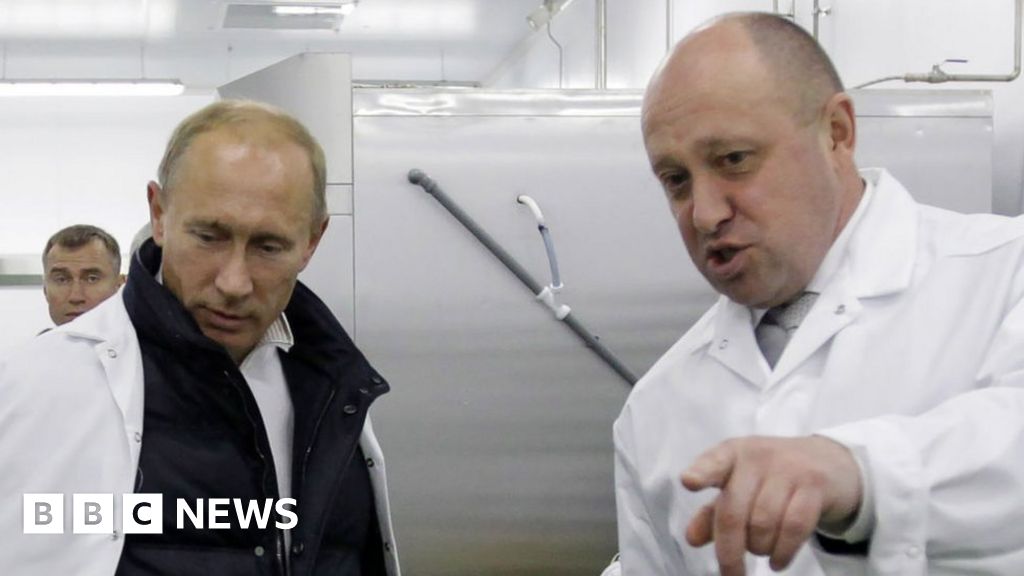
The long friendship between Russian President Vladimir Putin and Yevgeny Prigozhin, the boss of the Wagner military company, turned sour as Prigozhin's influence grew and he became involved in spreading disinformation and operating a "troll factory". Prigozhin's Wagner mercenaries played a significant role in conflicts in Ukraine and Syria, but tensions escalated when Prigozhin openly criticized the Russian army and accused top military officials of neglecting his group's needs. This led to a failed rebellion and a falling out between Putin and Prigozhin, with Putin ultimately denouncing him as a traitor.
The recent killing of Yevgeny Prigozhin, a Russian businessman and close associate of President Vladimir Putin, serves as a cautionary lesson for politicians who believe they can trust Putin and make deals with him. Ukraine's Foreign Minister Dmytro Kuleba argues that Putin has repeatedly violated international agreements and treaties, making it impossible to reach any agreement with him. The article highlights instances such as the broken Black Sea grain deal and Russia's disregard for Ukrainian sovereignty. Ukrainian officials warn that negotiations and concessions to Putin would be a strategic failure for the West and could lead to the advancement of autocracies worldwide.
Yevgeny Prigozhin, the chief of the Wagner mercenary group, is presumed dead after his plane crashed two months after his failed insurrection against the Russian government. Prigozhin joins a growing list of high-profile Russians who have fallen out of favor with President Putin and died under mysterious circumstances. From Boris Nemtsov, a vocal Kremlin critic shot dead in Moscow, to Alexander Litvinenko, a former Russian agent poisoned in London, the deaths of those who challenge the Kremlin have raised suspicions of Kremlin involvement. While there is no concrete evidence linking the deaths to the Kremlin, critics argue that Putin never forgives or forgets.
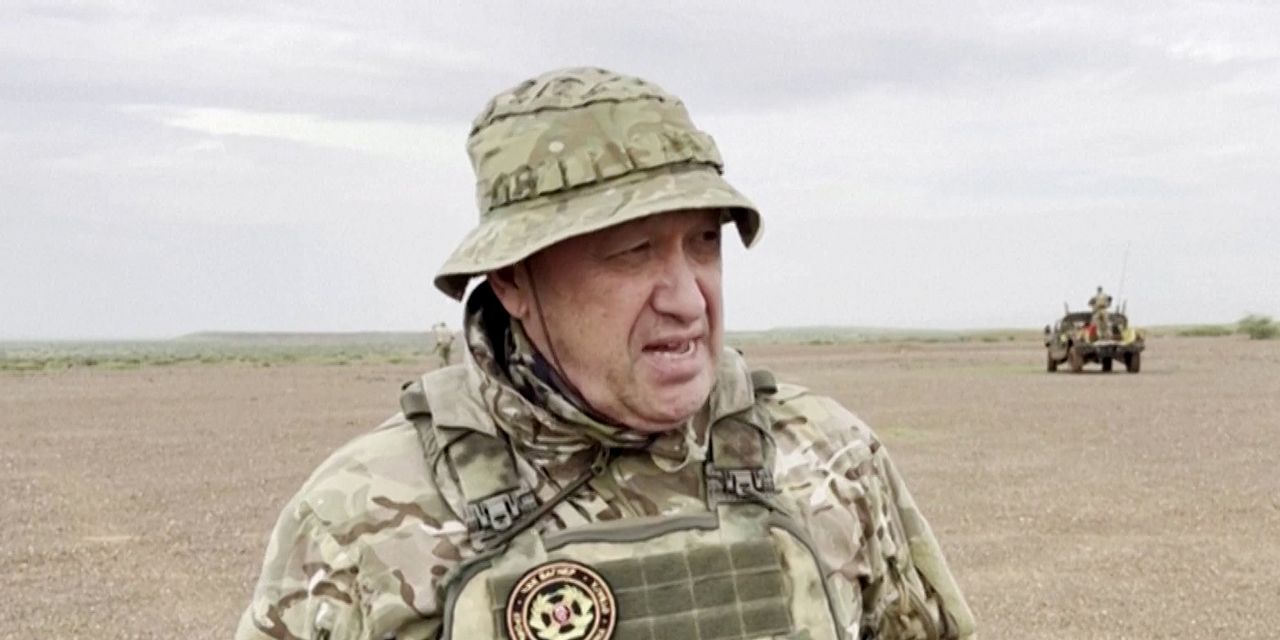
The future of Wagner Group's lucrative operations in Africa is uncertain following the arrest of its founder, Yevgeny Prigozhin, in Russia. Known for its involvement in security and military activities, Wagner Group has been active in several African countries, providing services such as training, protection, and logistical support. With Prigozhin's arrest, the company's operations in Africa are now in limbo, leaving clients and partners unsure about the future of their contracts and business arrangements.
The Wall Street Journal provides an exclusive report on the last days of Yevgeny Prigozhin, a Russian businessman and alleged financier of the private military company Wagner. Prigozhin's activities have drawn international attention due to his alleged involvement in various conflicts, including the Syrian civil war. The article focuses on the aftermath of a plane crash in which several Wagner mercenaries were killed, shedding light on Prigozhin's declining influence and the ongoing investigation into the incident.
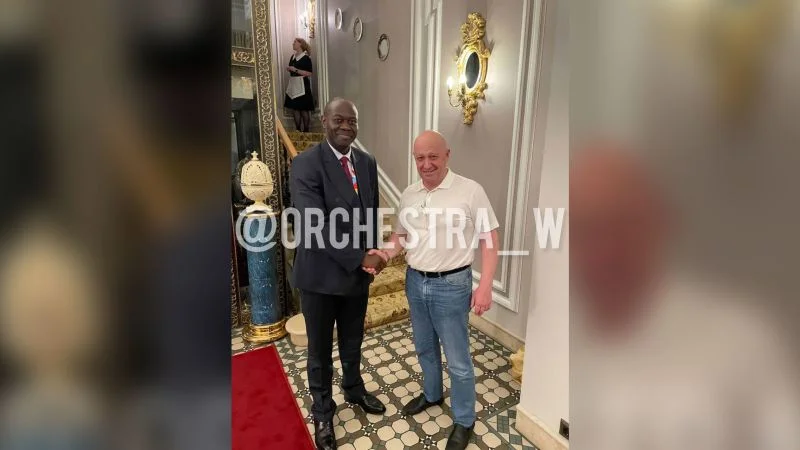
Wagner leader Prigozhin has been seen in Russia for the first time since the rebellion, according to a new photo. The Wagner Group is a Russian private military company that has been involved in the Ukraine conflict.
Yevgeny Prigozhin, the boss of the private military company Wagner, made an appearance on the sidelines of the Russia-Africa summit in St Petersburg. Prigozhin, who is known as "Putin's chef" due to his close ties to the Russian president, has been sanctioned by the US for his alleged involvement in election interference and other malign activities. Wagner has been accused of operating as a proxy force for the Russian government in conflicts around the world.
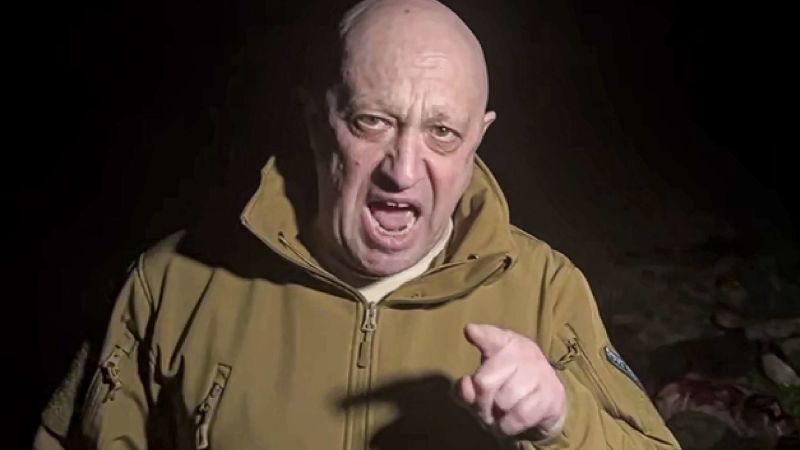
CIA Director William Burns believes that Russian President Vladimir Putin is currently buying time and assessing how he can still benefit from his alliance with Yevgeny Prigozhin and the Wagner Group. However, Burns warns that Putin is known for seeking revenge and may eventually turn against Prigozhin. Burns describes Putin as the "ultimate apostle of payback" and suggests that Prigozhin should be cautious and watch his back. Prigozhin recently accused Russia's defense ministry of attacking Wagner positions in Ukraine, leading to a failed mutiny and subsequent criminal charges against him. Despite their previous alliance, Putin may eventually try to undermine Prigozhin while preserving what is valuable to him.
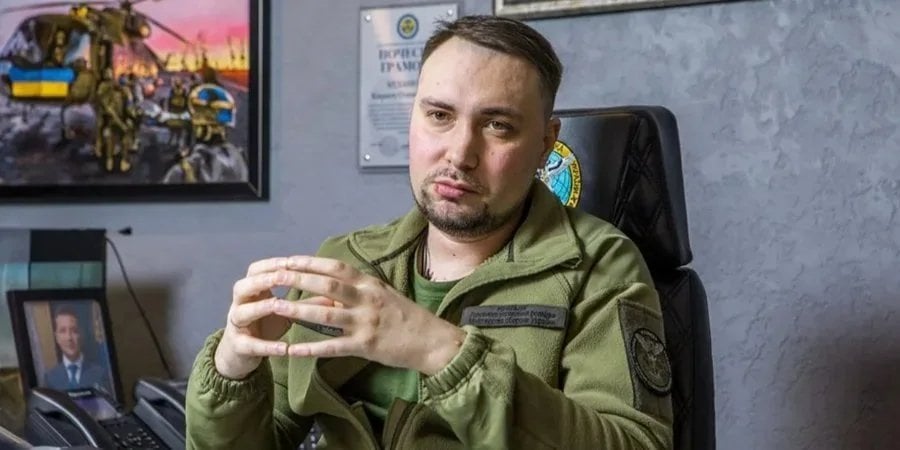
Ukraine's Defense Intelligence claims to have informants within Russian dictator Vladimir Putin's inner circle, citing intercepted internal surveys and accurate predictions of Russian military actions. The head of Ukrainian intelligence, Kyrylo Budanov, stated that they have sources in the closest offices to Putin, allowing them to have insight into Russian affairs. Budanov also commented on the failed mutiny led by Yevgeny Prigozhin, leader of the Wagner PMC, suggesting that Prigozhin was eventually convinced to halt his forces' advance on Moscow after appeals to his patriotism by Belarusian dictator Alexander Lukashenko and others.
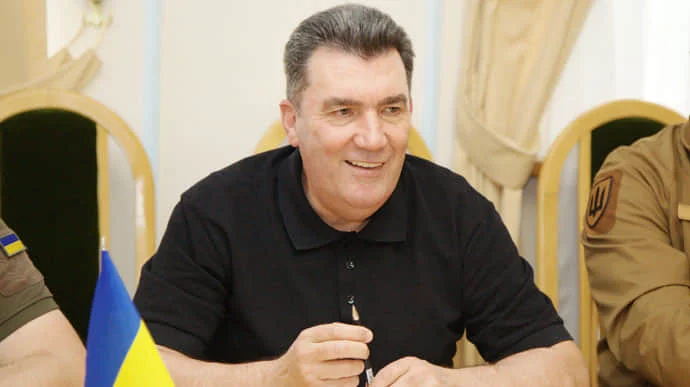
At least 14 Russian generals are said to support Yevgeny Prigozhin, the commander of the Wagner Group, instead of Russian President Vladimir Putin, according to Oleksii Danilov, Secretary of Ukraine's National Security and Defence Council. While the claim could not be independently verified, witnesses in Russia reported sympathies towards Prigozhin among some military personnel and residents. Prigozhin recently claimed that his mercenaries were heading towards Moscow to "restore justice" but later announced a change of plans. The situation highlights divisions within the Russian military and raises questions about loyalty to Putin.