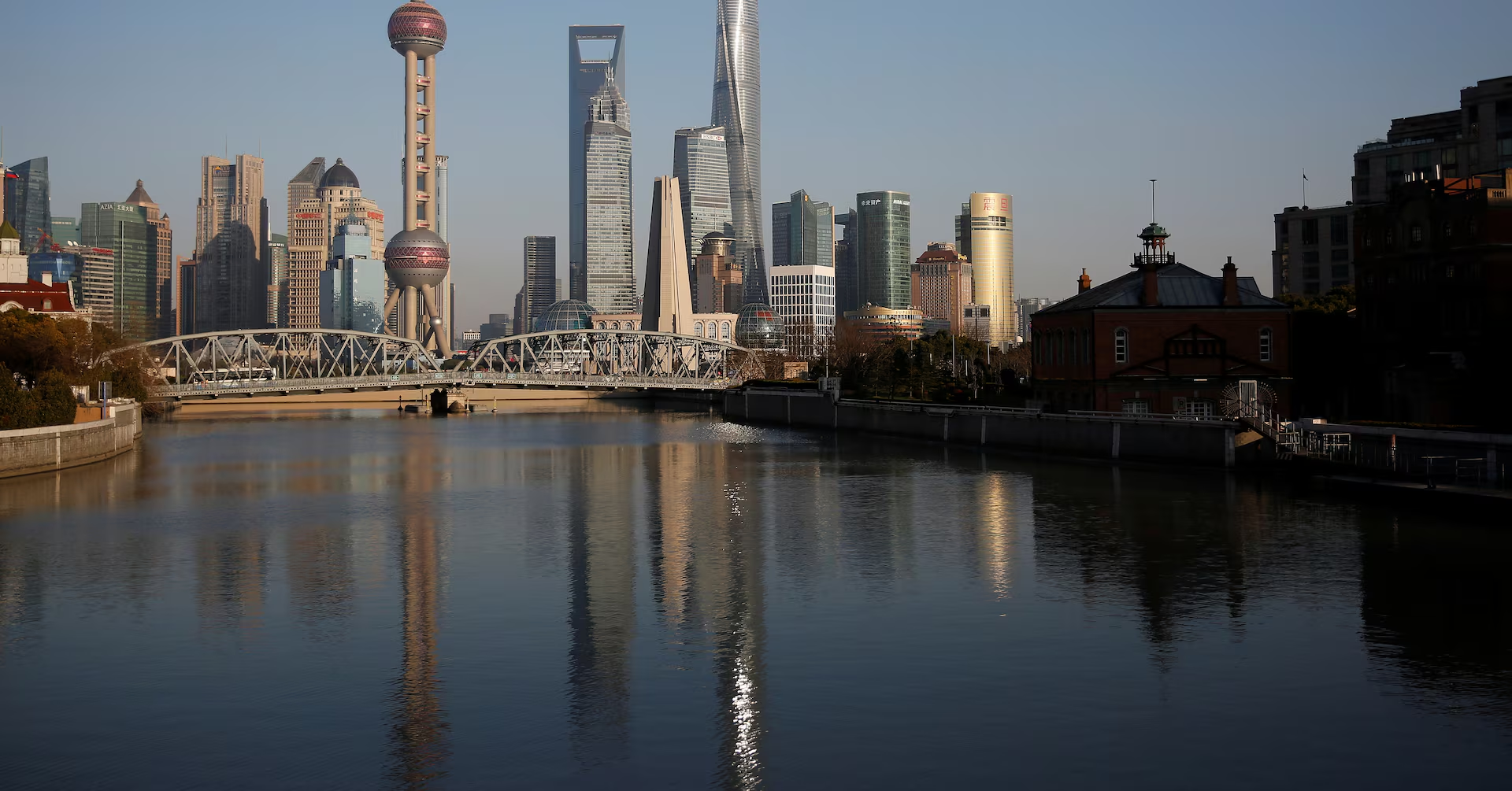
China is experiencing a trend called 'involution,' characterized by intense and often destructive price wars across sectors like electric vehicles, solar, and food delivery, driven by overcapacity and hyper-competition, which threaten economic stability and lead to diminishing returns and profits.
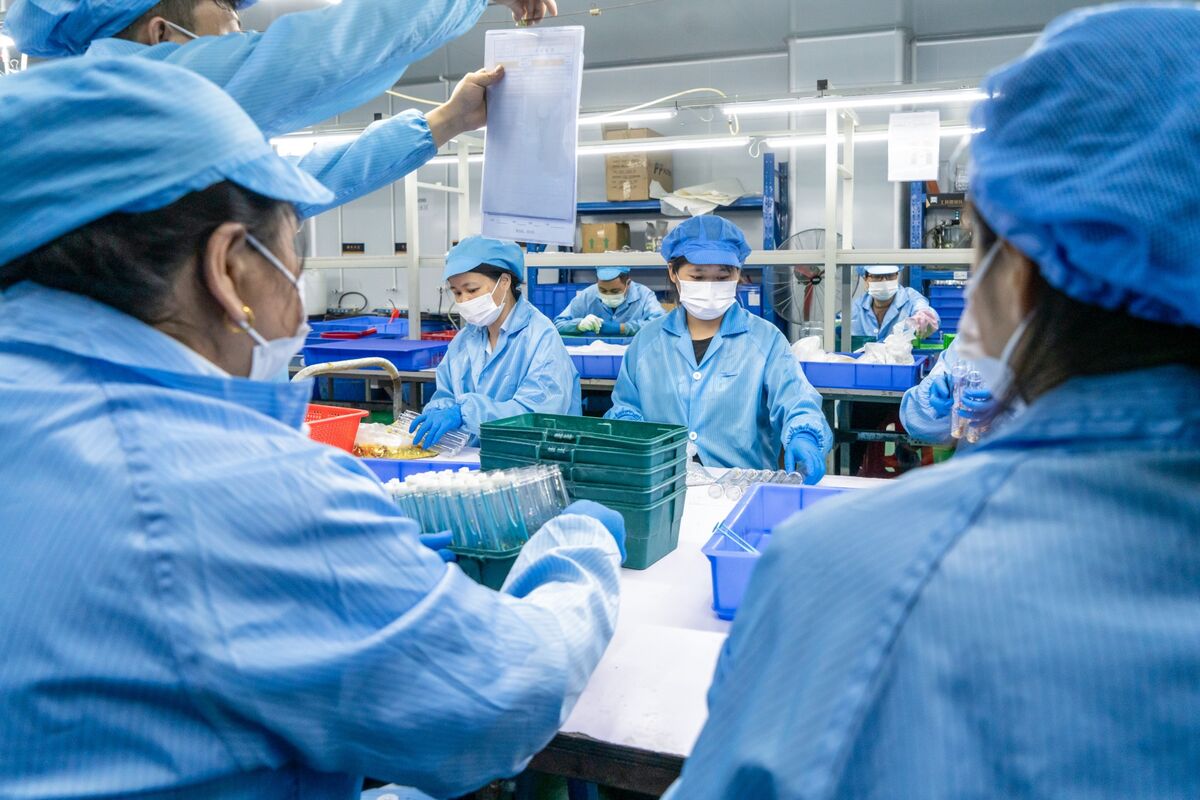
China's industrial profits declined for the second consecutive month, dropping 4.3% in June due to intense price competition and the impact of US tariffs, highlighting economic challenges and efforts to curb destructive competition to support domestic demand.
China's consumer deflation continues into its fourth month despite holiday spending boosts, with weak domestic demand, ongoing price wars, and global economic pressures contributing to persistent declines in consumer and producer prices, raising concerns about prolonged economic slowdown and the need for supportive policies.
Tesla and other auto makers in China, including BYD, have pledged to "enhance 'core socialist values'" and halt price wars after the Chinese government directed them to do so. Tesla has been cutting prices on its EVs, particularly the Model 3 and Model Y, multiple times since late last year. Despite this, Tesla shares have performed well, gaining over 6% this week and 127% year-to-date.
Bud Light sales continue to decline following a transgender controversy, and price wars may be on the horizon for Anheuser-Busch. The company's stock price has also taken a hit.
Charles Schwab's pricing tactics in the US brokerage industry are being tested as interest rates rise, leading to increased costs for the company. Schwab has been a leader in the industry's price wars, offering low-cost or free trades to attract customers. However, the company may need to adjust its strategy as rising rates make it more expensive to maintain these offers.