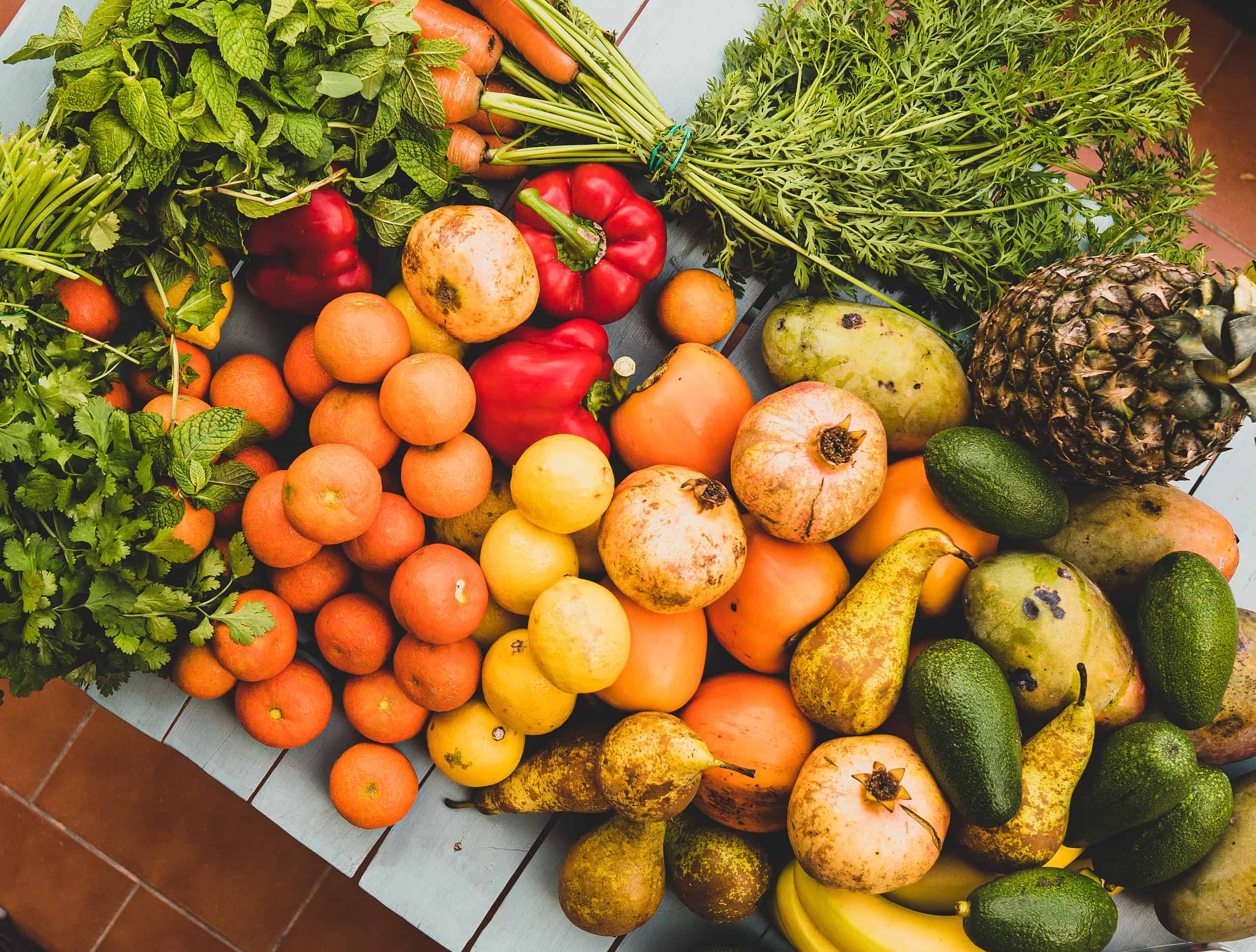
Recent studies highlight that prescribing fruits and vegetables can significantly improve health outcomes, such as lowering blood pressure and reducing the risk of heart attacks and strokes, emphasizing the role of diet as medicine.
Prescription programs that provide free or discounted fruits and vegetables have shown promising results in improving cardiovascular health. A recent analysis of 22 such programs in the US found that participants experienced better health status, decreased body mass index, increased fruit and vegetable intake, lower blood pressure, and reduced blood sugar levels. Additionally, participants were less likely to report food insecurity after completing the programs. These findings highlight the potential of produce prescription programs to address chronic diseases and improve overall health, although further research is needed to validate these benefits on a larger scale.