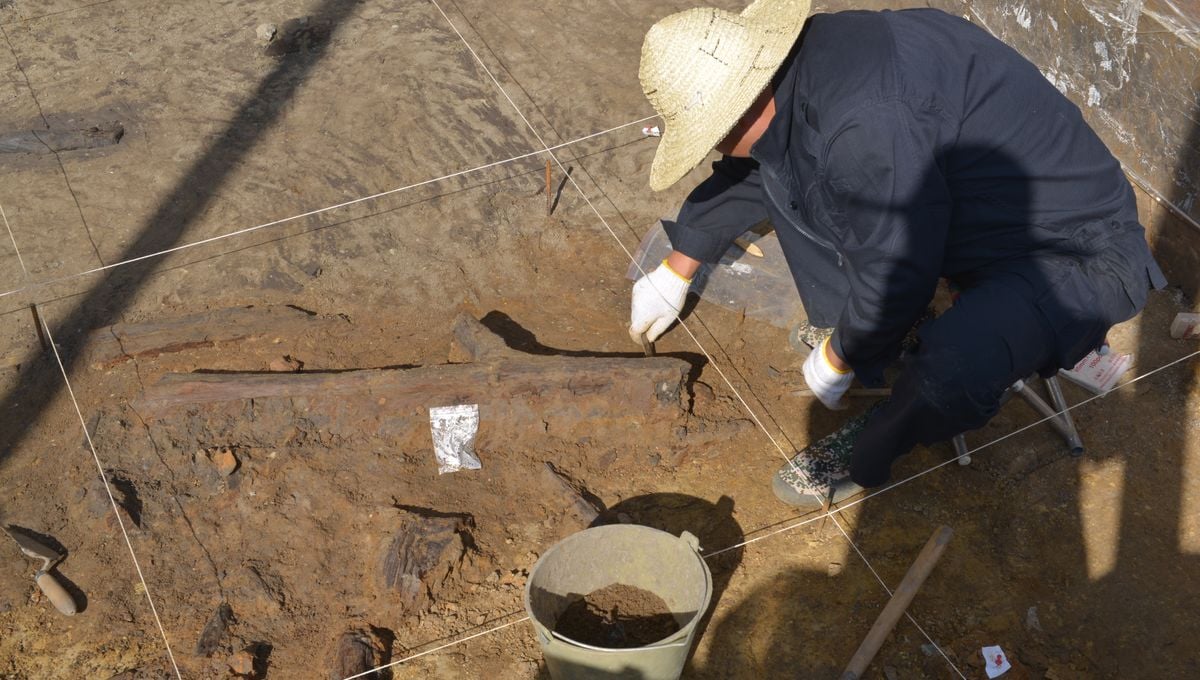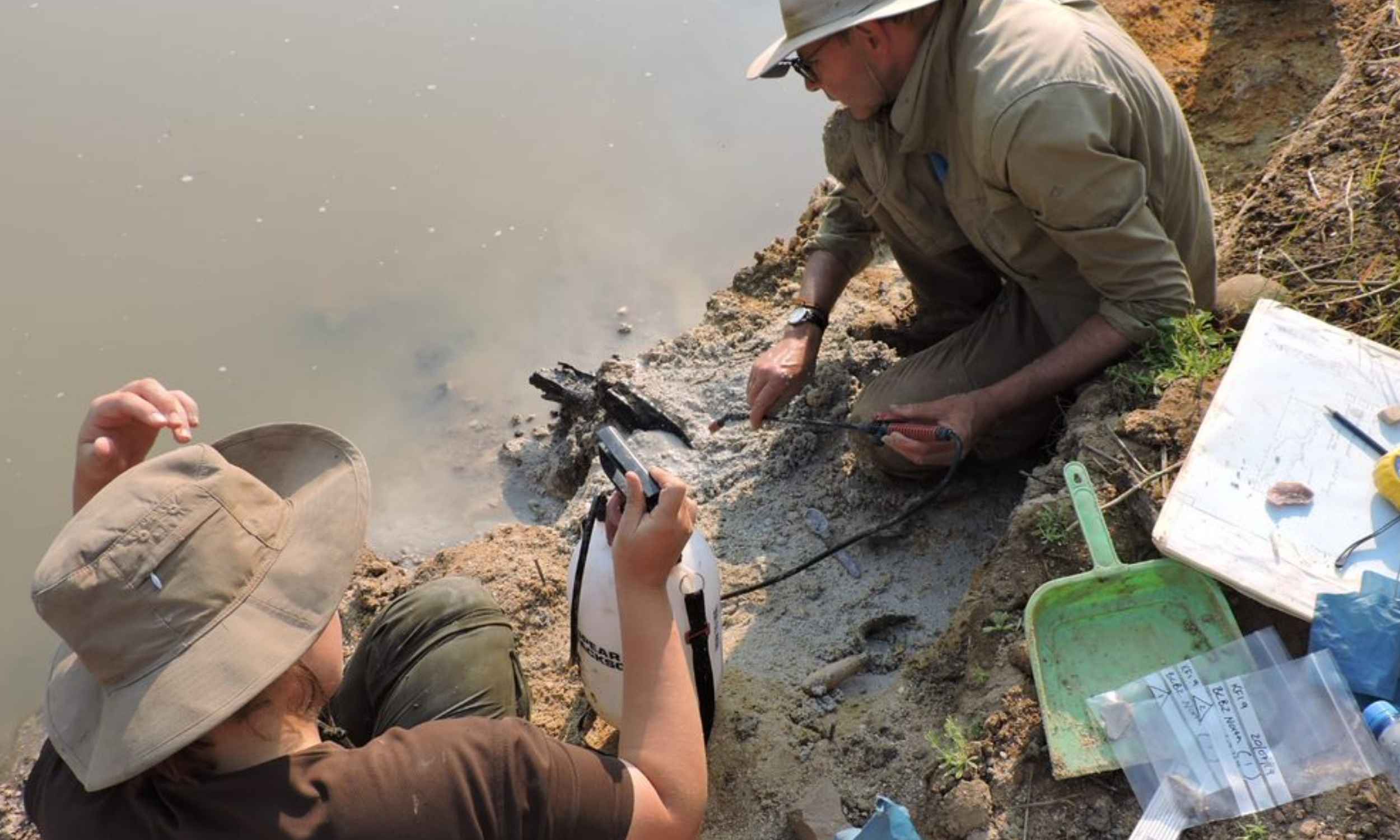
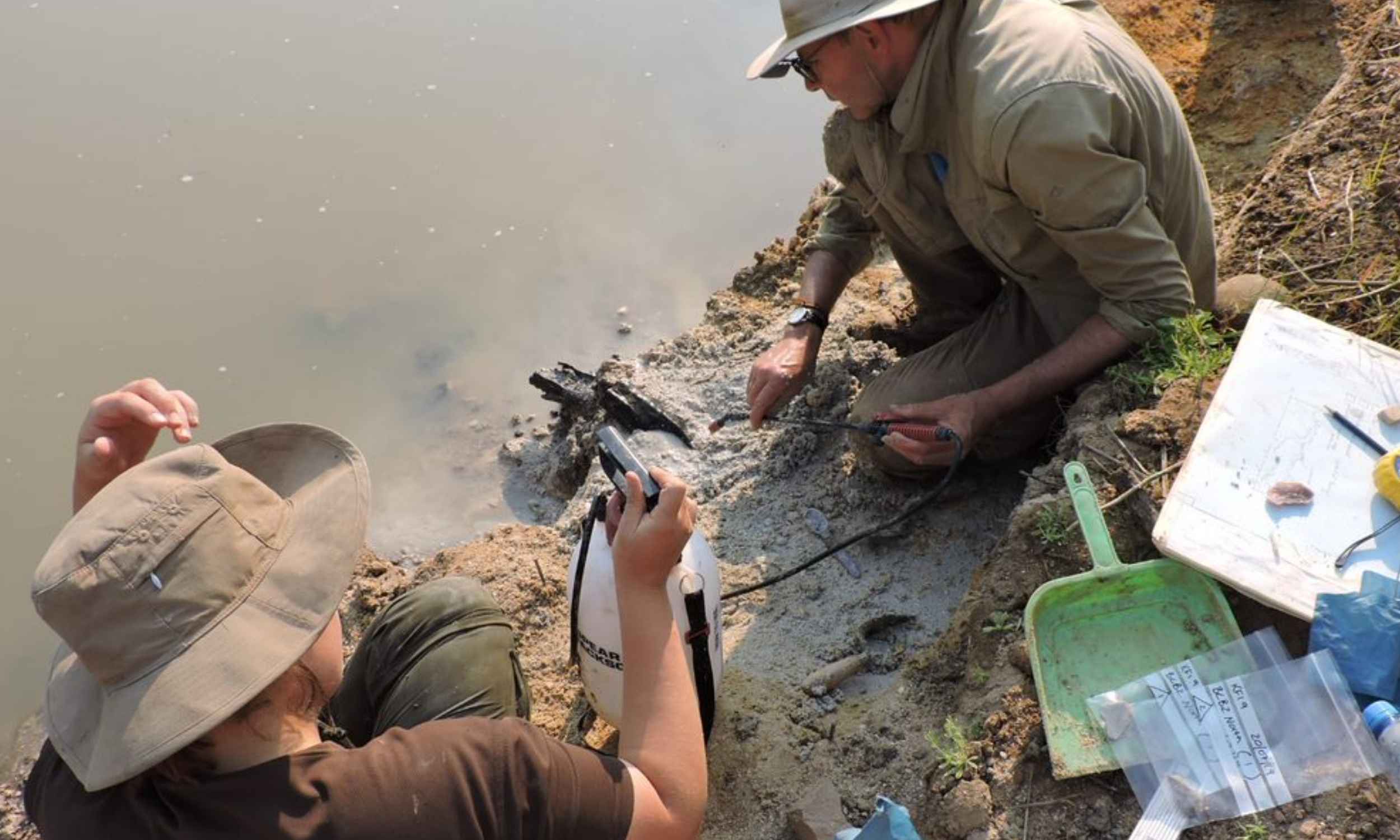
Archaeologists at Kalambo Falls in Zambia discovered a wooden structure dating back approximately 476,000 years, predating Homo sapiens, indicating early humans engaged in deliberate construction and environmental reshaping using timber, with implications for understanding prehistoric technology and behavior.

Neanderthals 125,000 years ago may have operated specialized 'factories' for rendering animal fat, challenging previous assumptions about their cognitive abilities and resource management skills, with evidence found at the Neumark-Nord site in Germany.
A discovery of 300,000-year-old wooden tools in southwest China suggests advanced plant-based foraging by Denisovans, challenging previous notions of technological lag in East Asia during the Paleolithic era.
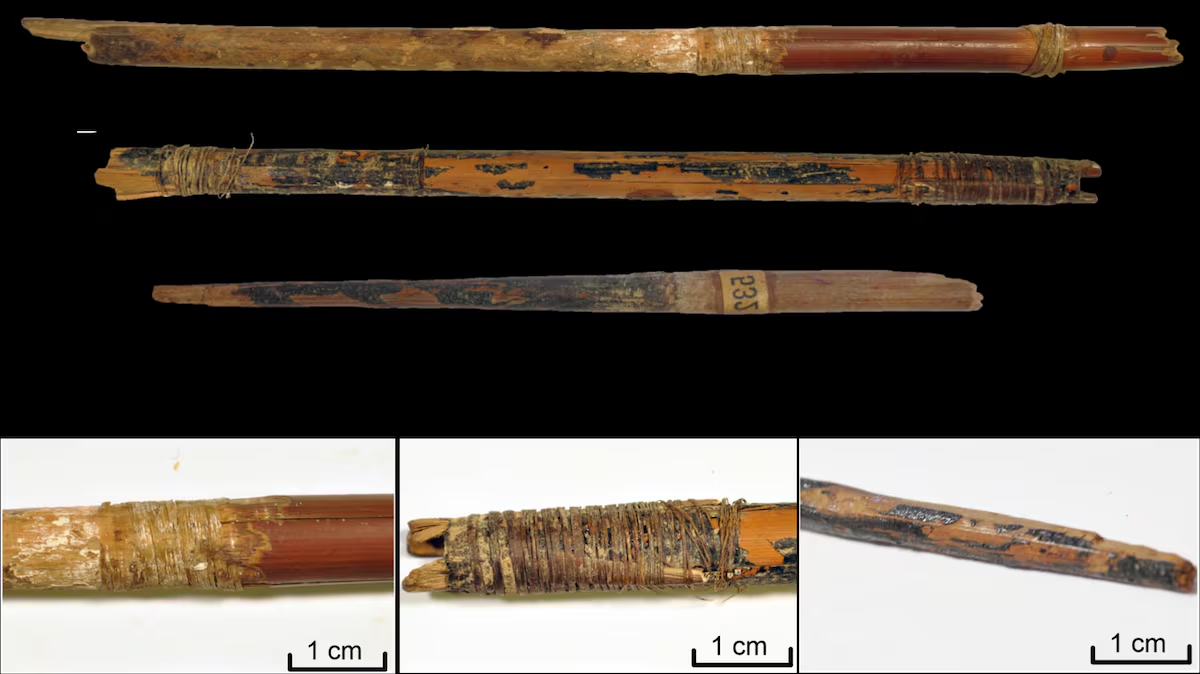
Archaeologists have discovered the oldest-known remnants of archery in Europe at Spain's Cueva de los Murciélagos, including arrows with feathered fletching and bowstrings made from animal tendons. These artifacts, dating back 7,200 to 6,900 years, reveal advanced prehistoric technology and continuity in manufacturing techniques. The findings suggest that Neolithic people in the region used archery for hunting and possibly warfare, while the cave served as a symbolic burial site for over 3,000 years.
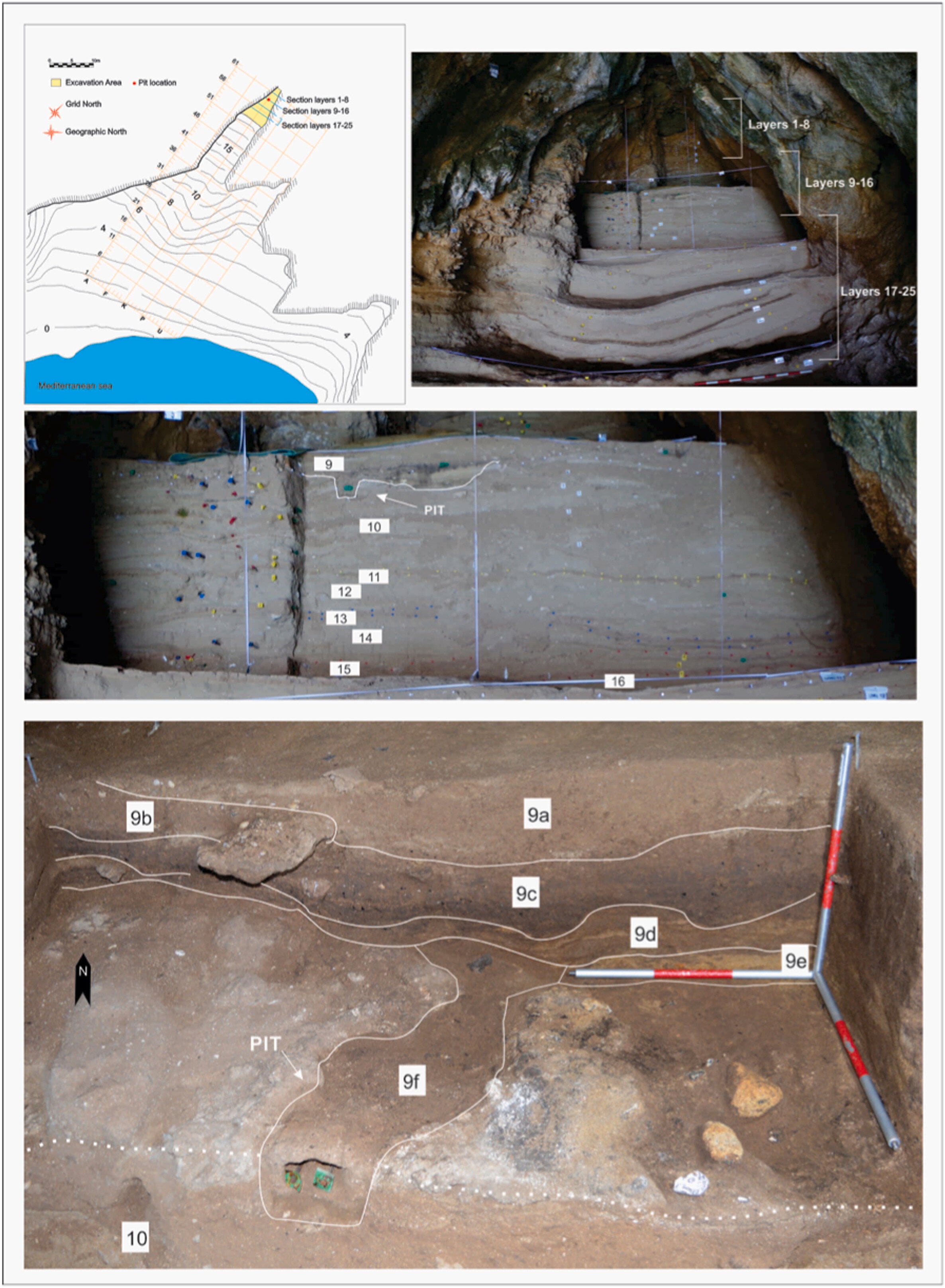
Researchers have discovered a Neanderthal tar distillation site in Vanguard Cave, Gibraltar, dating back 65,000 years. The site features a complex hearth structure used to produce tar from rockrose plants, demonstrating advanced fire management and technological skills. This discovery provides direct evidence of Neanderthals' ability to create adhesive tar for hafting stone tools, showcasing their cognitive complexity and cultural development.
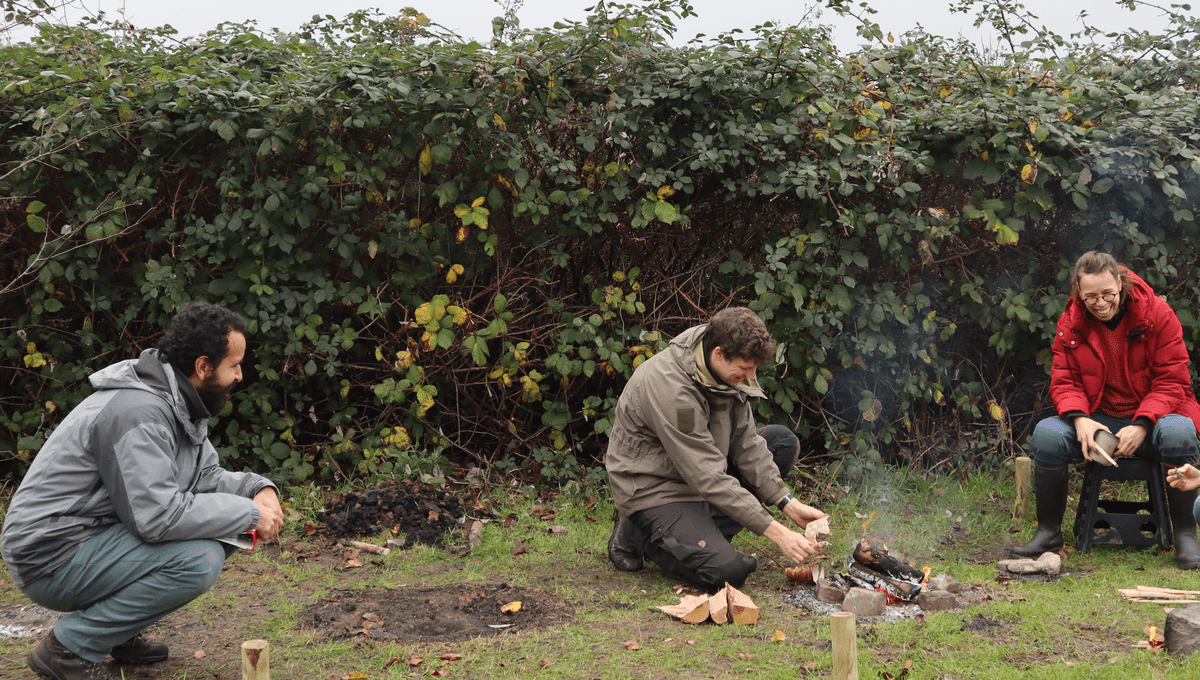
Archaeologists have discovered a 60,000-year-old structure in Vanguard Cave, Gibraltar, believed to be a Neanderthal oven used for making birch tar, a prehistoric glue. This finding challenges the stereotype of Neanderthals as unintelligent, suggesting they had advanced knowledge of combustion and chemistry. The structure's complexity and the successful recreation of birch tar in experiments indicate Neanderthals' sophisticated tool-making abilities and intelligence. The study is published in Quaternary Science Reviews.
Recent studies confirm that Neanderthals possessed the intelligence and cooperation skills necessary to make glue out of birch bark tar, challenging the notion that they lacked higher thinking abilities. The ability to create adhesive materials was crucial for early humans to survive and adapt to their environment. Neanderthals developed the capacity to produce sticky tar, even in areas with limited populations. The process of tar-making required complex information processing and likely involved teamwork. This discovery contradicts the belief that modern humans displaced Neanderthals due to superior technological innovation.