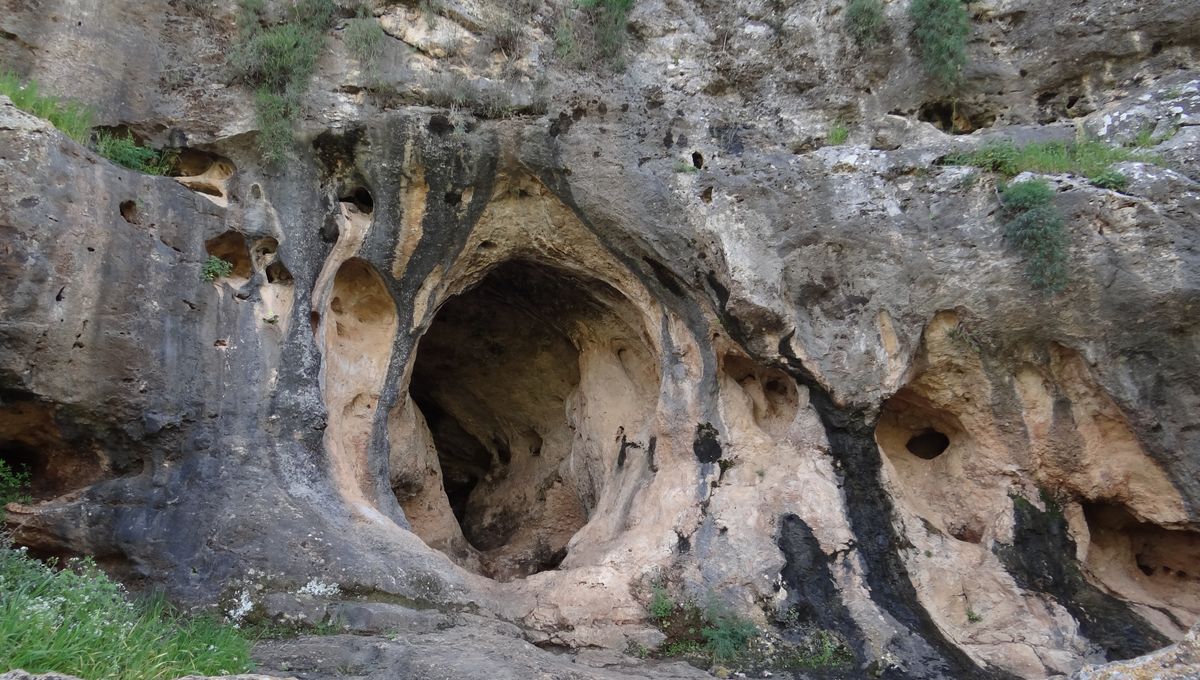
A 140,000-year-old child's remains from the Levant suggest a hybrid of Neanderthal and modern human features, challenging the idea that early burials were exclusive to Homo sapiens and indicating a complex, intermingled human population in prehistoric times.
A new study analyzing the DNA of almost 10,000 people from ancient and pre-modern societies has identified 6 cases of Down syndrome in past human populations, with one specimen dating back 5,500 years. The research aims to trace the origins of these individuals and understand how prehistoric societies treated people with Down syndrome and other rare conditions. The study, led by researchers at the Max Planck Institute for Evolutionary Anthropology, utilized a new statistical model to identify these cases and shed light on the treatment and integration of individuals with genetic conditions in ancient communities.