Tag

Precession

All articles tagged with #precession

astronomy2 years ago

"Confirmed: Astronomers Capture Direct Evidence of Spinning Black Hole"

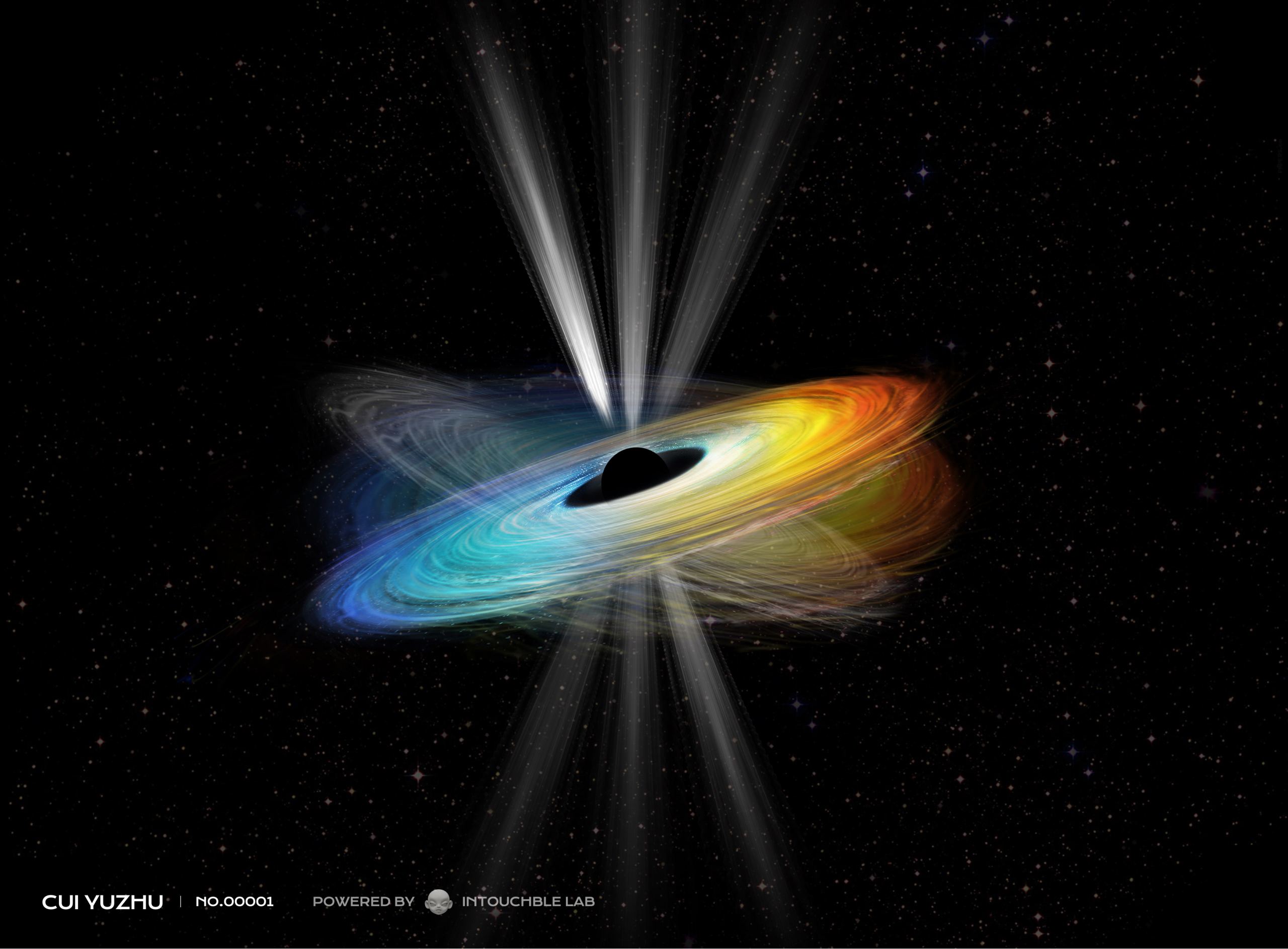
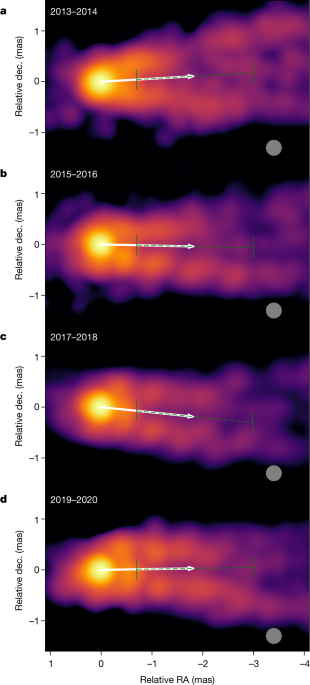
A new study published in Nature has provided further evidence that the supermassive black hole in the galaxy M87 is spinning. By analyzing more than 17 years of radio data on the black hole's jet, researchers found that its orientation shifted slightly over time, indicating precession. This precession confirms the rotation of the black hole, which was first directly imaged in 2019. The study also raises questions about the cause of the precession, suggesting that the Lense-Thirring effect, or frame dragging, may be responsible. This research provides valuable data on the dynamic behavior of black holes and helps improve our understanding of these cosmic phenomena and the galaxies they inhabit.

science-and-technology2 years ago

"Confirmed: M87's Spinning Black Hole Connected to Precessing Jet Nozzle"

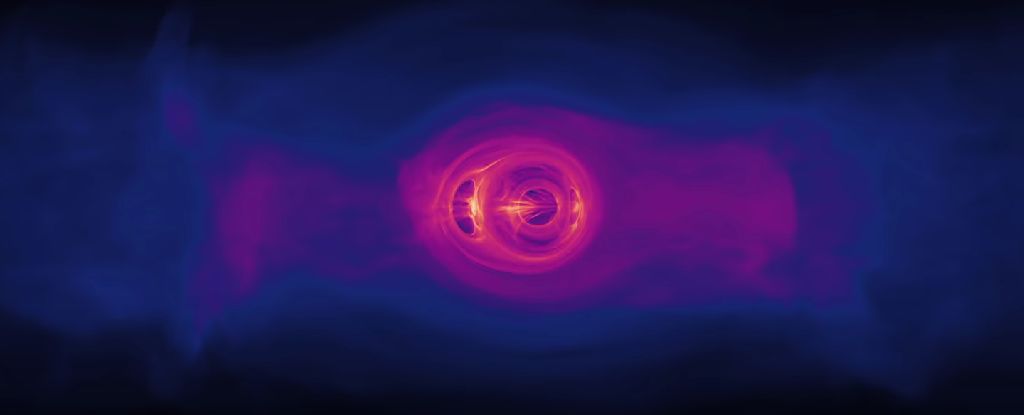
Researchers studying the M87 black hole have discovered a precessing jet nozzle connecting to the spinning black hole. The study utilized data from the Event Horizon Telescope and East Asian VLBI Network observations, along with simulations using public software. The findings provide insights into the dynamics of black hole accretion disks and the alignment of jets with spinning black holes. The raw data and simulation codes are available for further research.

astronomy2 years ago

"Black Hole Twins: Powering the Brightest Galaxies in Space"

Astronomers studying blazar galaxies, a type of quasar, have found evidence suggesting that fluctuations in their brightness may be caused by pairs of supermassive black holes in decaying orbits. This discovery could provide insights into how supermassive black holes grow to such enormous sizes. The researchers propose that the precession of the jet source, caused by a binary black hole or a warped accretion disk, is responsible for the observed variability. While the presence of binary black holes cannot be directly observed yet, continued monitoring of precession and long-term observation of other blazars could provide further evidence for their existence.

astronomy2 years ago

The Science of Zodiac Signs and Mercury Retrograde Explained.

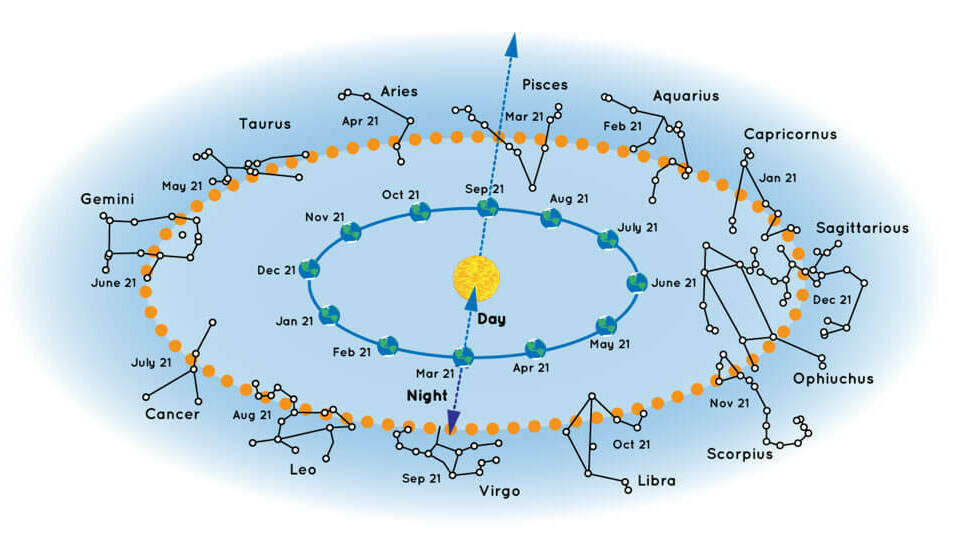
The positions of the stars in the zodiac have changed since the Babylonians mapped them over 2,000 years ago, not because the stars themselves have moved around, but because Earth's view of them has changed due to precession. This means that over time humans are seeing a shifted night sky, marching forward from our ancestors. Each age is associated with a specific constellation that the Earth's tilt is pointing toward at that time. Mercury retrograde is a real scientific thing and it's happening right now.