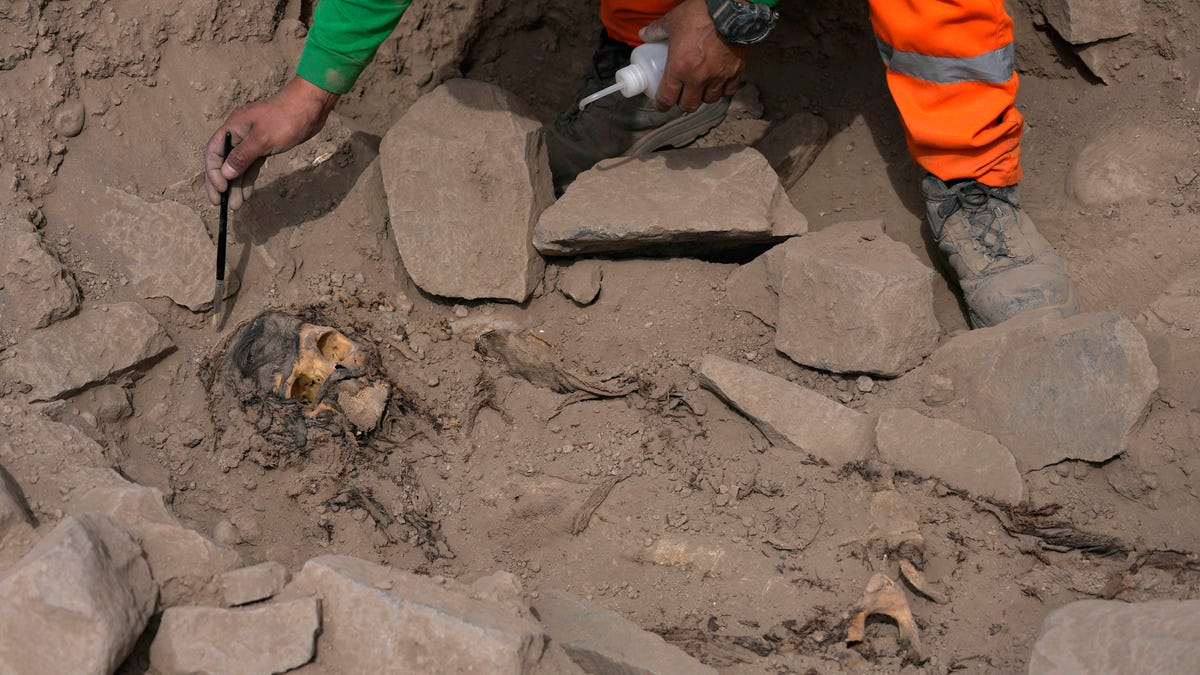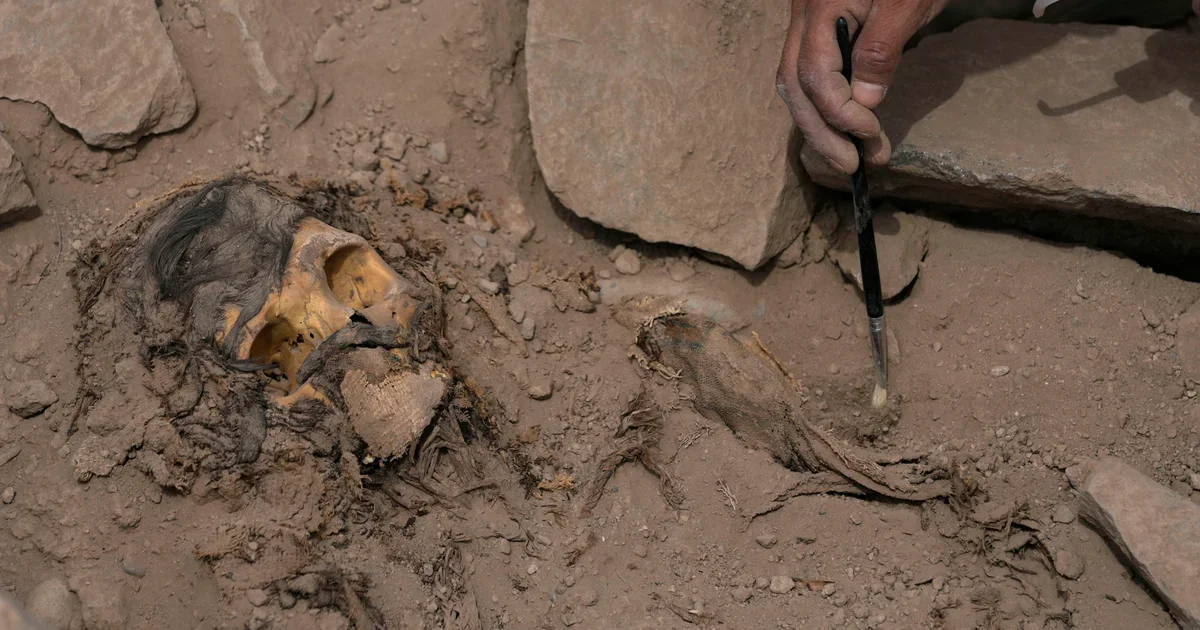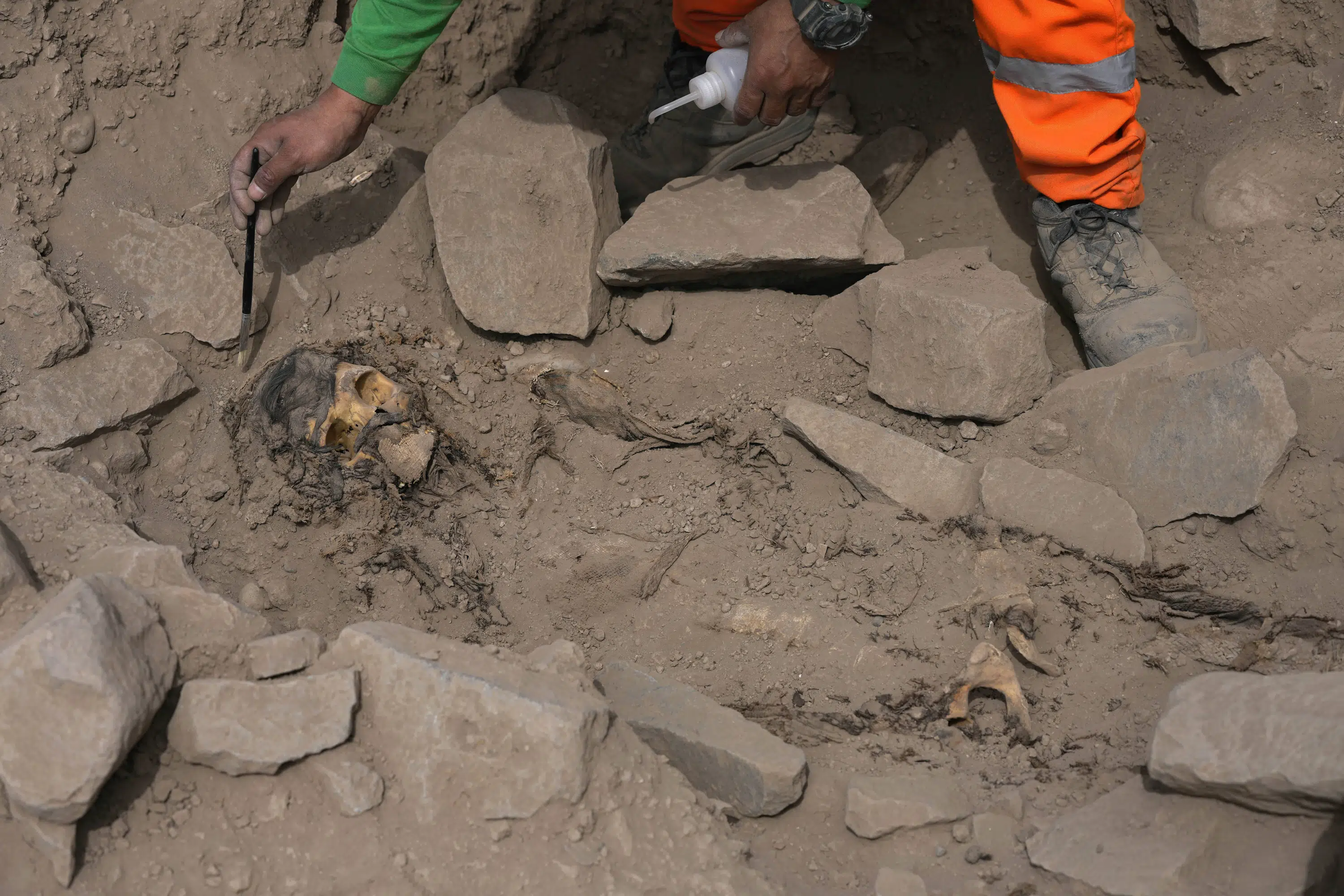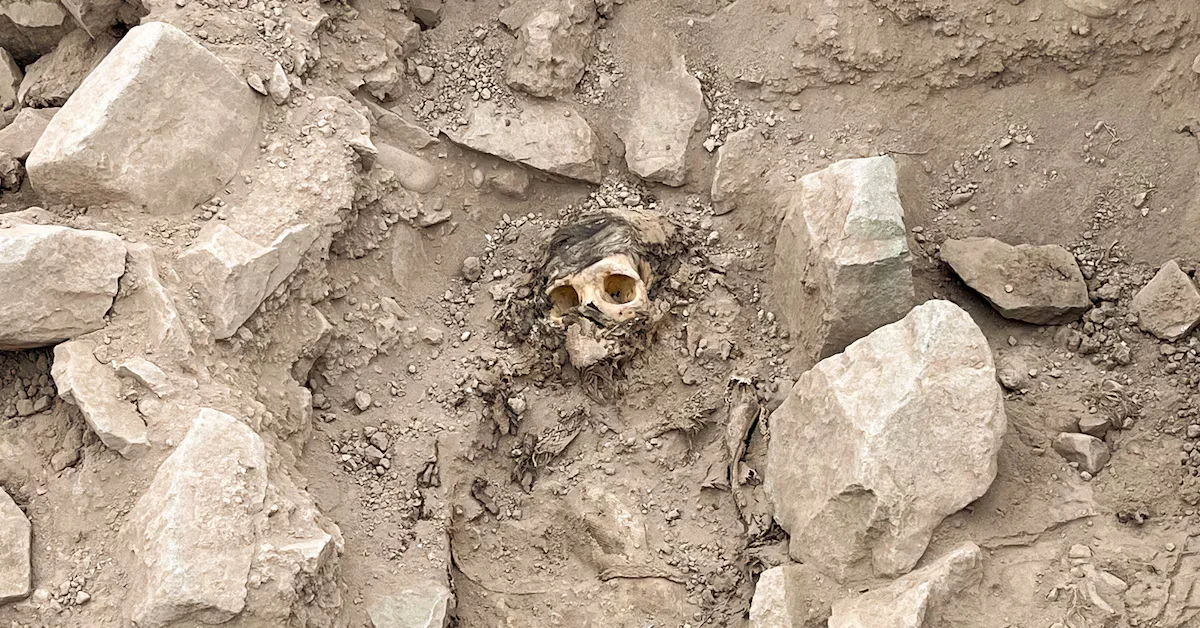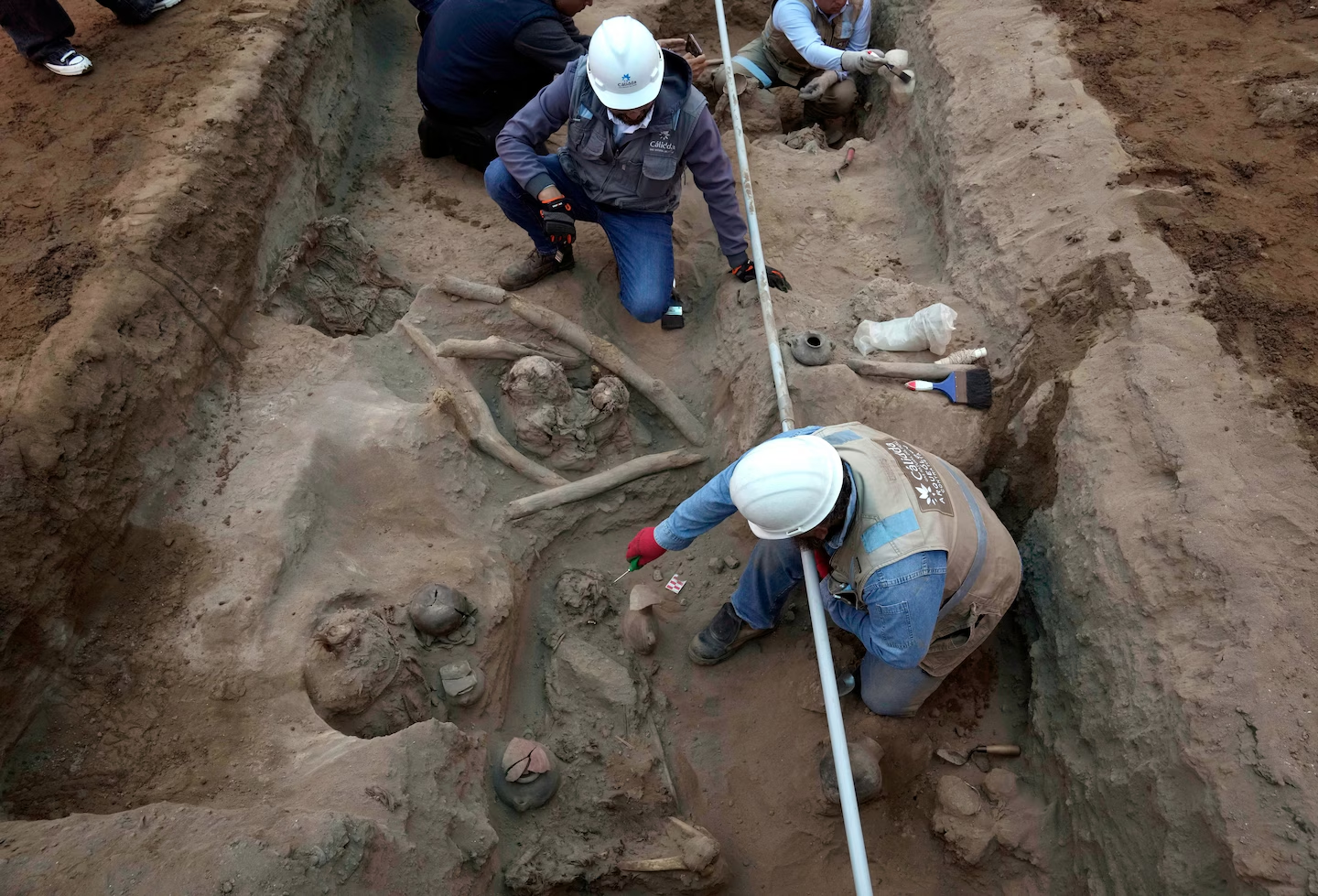
Gas workers in Peru uncovered a burial site believed to be up to 1,000 years old, containing eight bundles of funeral belongings, most of which belonged to children. The site, located in Lima's Carabayllo district, is thought to date back to the pre-Inca Ychsma culture. The remains, wrapped in cloth along with artifacts, will undergo further analysis to better understand the findings. This discovery adds to the growing number of archaeological sites in Lima that provide insights into the history and culture of Indigenous civilizations.
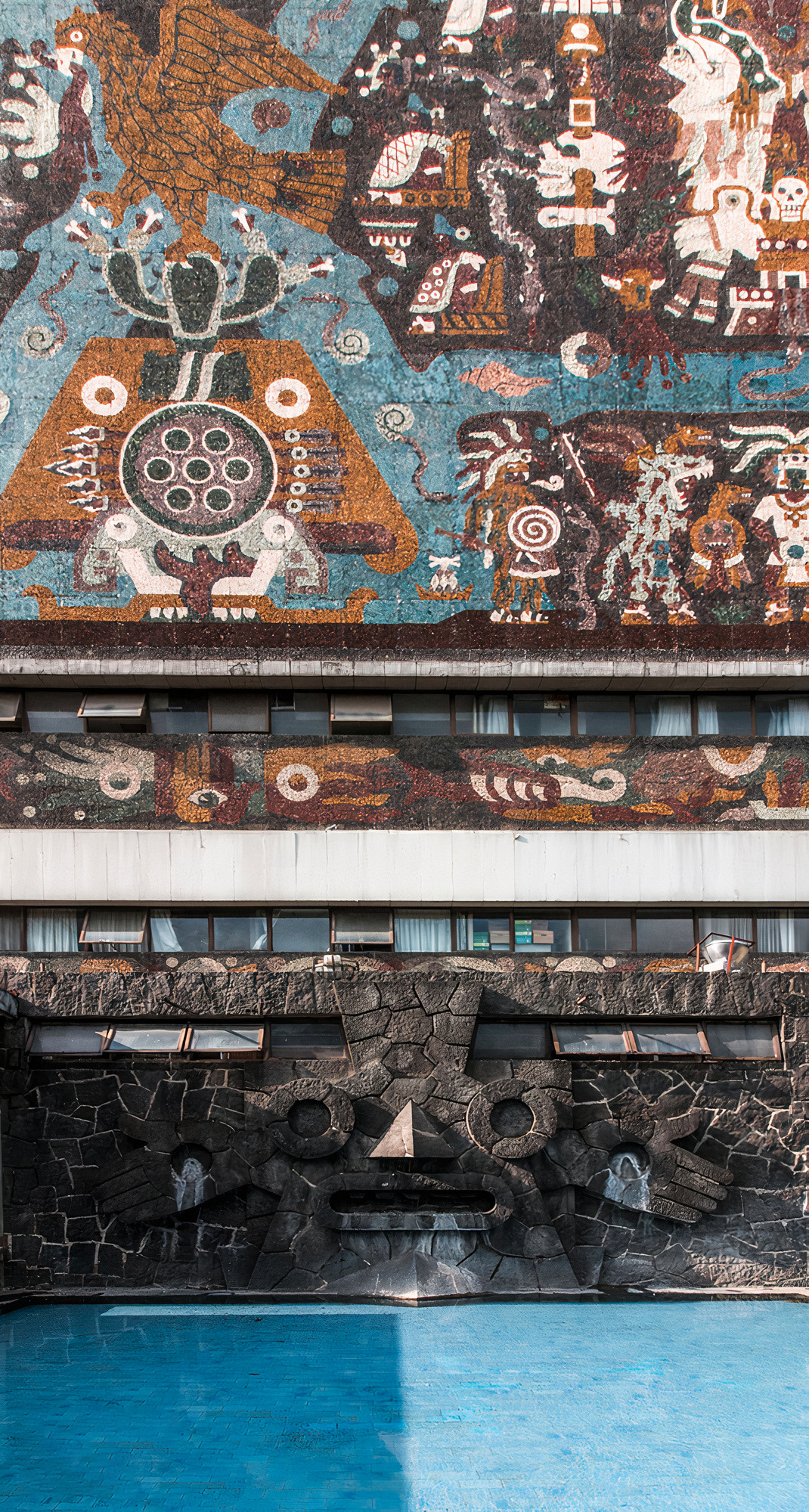
Mexican architecture showcases a unique aesthetic characterized by the use of materials such as stone, adobe, chukum, wood, and brick. These materials have been integral to the country's architectural history, from pre-Hispanic times to the present day. Architects have played a crucial role in shaping the distinctive Mexican architectural identity, which is deeply connected to the country's cultural heritage. The article highlights various contemporary projects that exemplify the use of these materials, demonstrating the ongoing evolution of Mexican architecture.
Archeologists in Peru have discovered a pre-Hispanic mummy buried in a ritual that included coca leaves and seashells. The mummy was found on top of a destroyed U-shaped clay temple, buried one meter down, and surrounded by stones. The body was tied with a rope braided from vines of vegetable origin, a pattern seen in ceremonies. The mummy has not yet been dated, but old fly eggs found next to the skeleton suggest the body was exposed for several days before being buried. The hill where the mummy was found is a "huaca," a Quechua word meaning oracle or sacred place.
Archaeologists in Peru have discovered a pre-Hispanic mummy buried in a ritual that included coca leaves and seashells on top of a hill in Lima next to a professional soccer club's practice field. The mummy, believed to be from the Manchay culture, was buried approximately 3,000 years ago and was found with its lower extremities tied with a rope braided from vines of vegetable origin. The hill was a "huaca," a Quechua word meaning oracle or sacred place, and has remains of ancient mud walls. Mummies and other pre-Hispanic remains have been found in unusual places in the city.
Archaeologists in Peru have discovered a pre-Hispanic mummy buried in a ritual that included coca leaves and seashells on top of a destroyed U-shaped clay temple. The mummy, which has not yet been dated, was found with its lower extremities tied with a rope braided from vines of vegetable origin. The burial site was on top of a hill in Lima, which was a "huaca," a Quechua word meaning oracle or sacred place. Mummies and other pre-Hispanic remains have been found in unusual places in the city.
Archaeologists in Peru have discovered a pre-Hispanic mummy buried in a ritual that included coca leaves and seashells on top of a destroyed U-shaped clay temple. The mummy was found on a hill in Lima next to the practice field of a professional soccer club. The body was tied with a rope braided from vines of vegetable origin and surrounded by stones. The mummy has not yet been dated, but old fly eggs found next to the skeleton suggest that the body was exposed for several days before being buried.
Archaeologists in Peru have discovered a 3,000-year-old mummy in Lima, believed to be from the Manchay culture which developed in the valleys of Lima between 1,500 and 1,000 BCE. The mummy was found with remains of hair and skull in a cotton bundle during excavation, and was associated with the construction of temples built in a U-shape that pointed toward the sunrise. Other items buried with the body, including corn, coca leaves and seeds, may have been part of an offering.