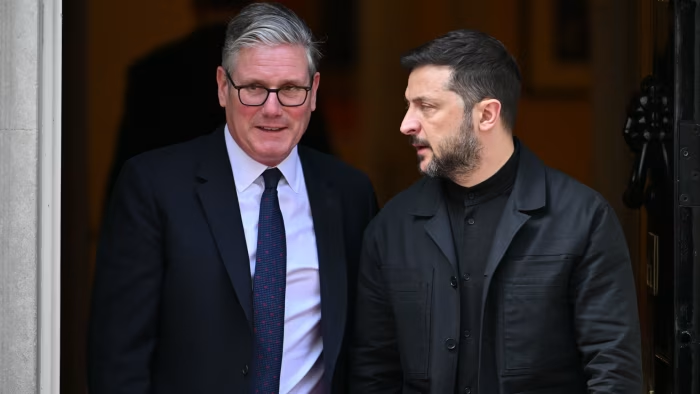
Ukrainian President Zelenskyy has softened his stance on controlling anti-corruption agencies after mass protests and international criticism, proposing a new bill to ensure their independence, amid a deepening political crisis and ongoing war with Russia.
The article criticizes the potential expansion of the NCAA men's basketball tournament from 68 to 72 or 76 teams, arguing that it is driven by financial and power motives rather than fan interest or tradition, and will dilute the quality of the tournament while benefiting top conferences and programs.
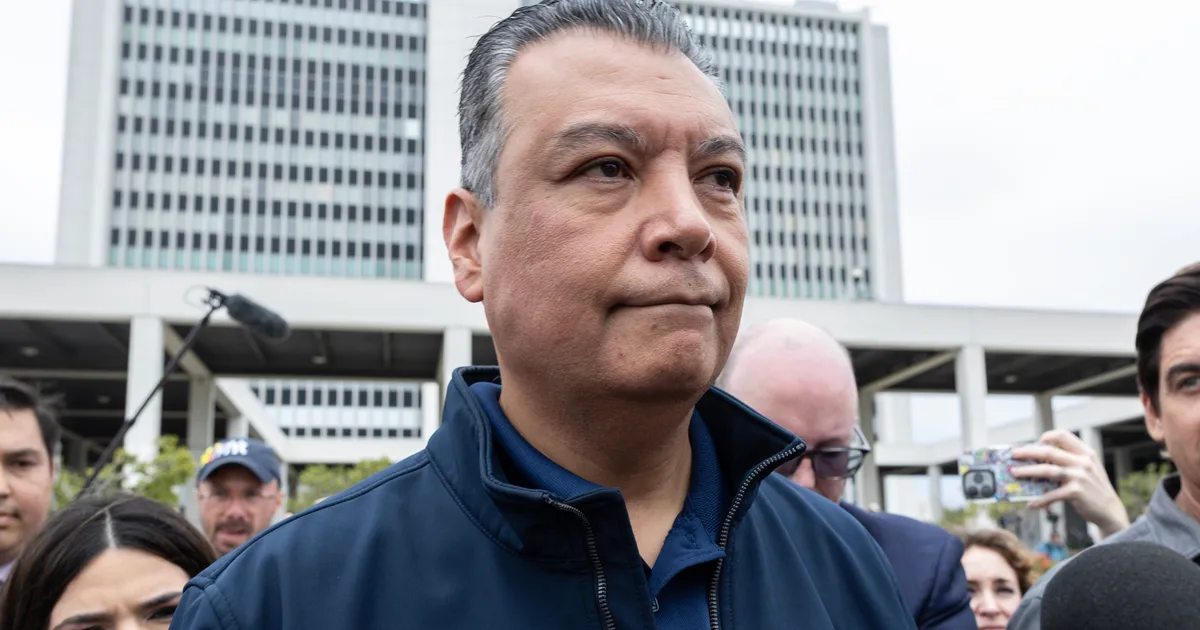
Senator Alex Padilla warns Americans that Trump's tactics, including scapegoating immigrants and asserting power through controversial actions like deploying the National Guard, threaten U.S. democracy, urging vigilance and action to prevent further overreach.
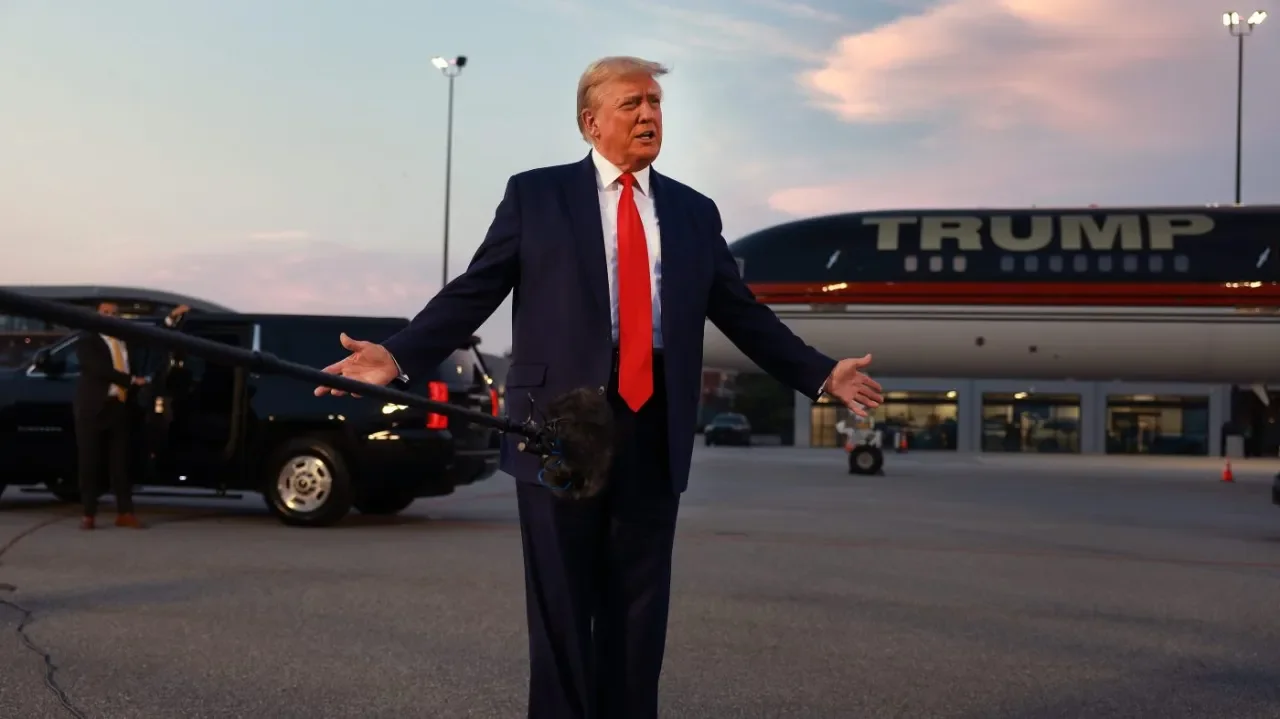
Leaked videos of defendants in the Georgia racketeering case involving former President Trump reveal his desperate grab for power after losing the 2020 presidential race. The videos show Trump at the top of efforts to subvert the election results in Georgia. The defendants' statements support the indictment's claim that Trump was driving the criminal enterprise to secure power. The videos provide insight into potential witness testimonies and undermine Trump's defense that he was following legal advice. The evidence could impact his other criminal cases, including the federal case over his election subversion efforts. A trial date has not been set in Georgia, but Trump's federal trial is scheduled to begin in March 2024.
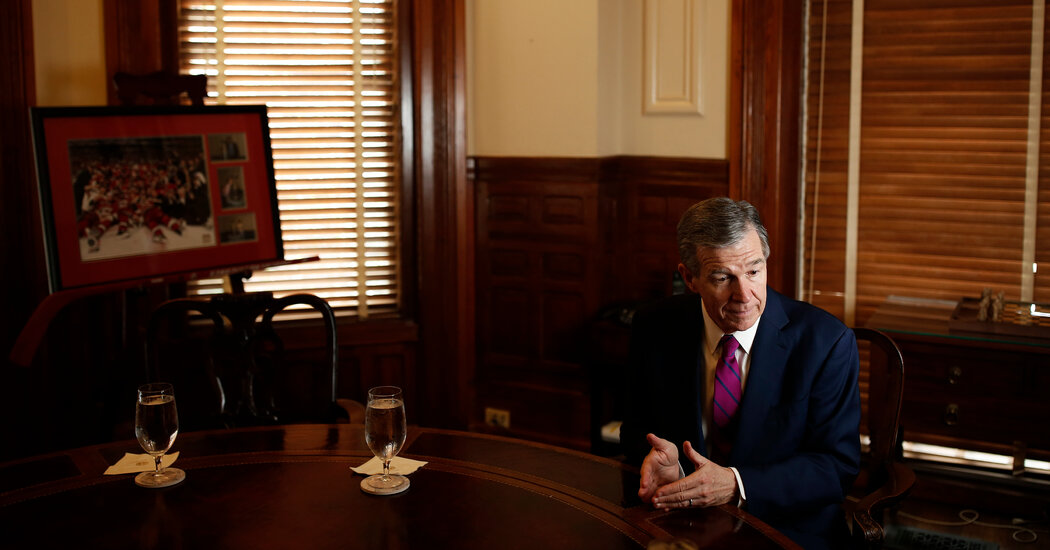
Republicans in North Carolina are seeking to gain more control over elections by passing legislation that would put the legislature in charge of all election board appointments and split seats equally between Republican and Democratic members. This move comes after previous attempts to strip the governor's authority were ruled illegal. Critics argue that the legislation would lead to gridlock and partisan interference in the election process, while Republicans claim it is a necessary step to remove party politics from election administration. The legislation still needs to be reconciled and override a veto by Governor Roy Cooper, but with a veto-proof majority in both houses of the legislature, it is likely to pass.
A Texas judge has ruled that House Bill 2127, which aimed to restrict cities' authority to make their own laws, is unconstitutional. The bill, dubbed the "Death Star Bill" by opponents, would have prevented cities from passing local rules without state authorization, including minimum wages and worker protections. The ruling was celebrated by cities and Democratic advocates who argued that the law was intended to shut down progressive policies. The measure, sponsored by Republican lawmakers, marked an expansive attempt to limit the authority of Texas's major metropolitan areas. The Texas attorney general's office is expected to appeal the ruling.
A Texas judge has ruled that a law championed by Republican Governor Greg Abbott, which prevented cities from passing certain local ordinances, is unconstitutional. The law, known as "the law that kills," limited the power of Democrat-led cities and even eliminated ordinances that mandated water breaks for construction workers. The judge's decision came in response to a lawsuit from the city of Houston, and the Office of the Attorney General has appealed the ruling. Critics argue that the law infringes on the rights of Texans and cities.
The technocratic elite is using AI as an excuse for a power grab, according to Gerry Baker, Editor at Large of The Wall Street Journal. He argues that the increasing use of AI in decision-making processes is leading to a concentration of power in the hands of a few, and that this trend must be resisted in order to preserve democratic values. Baker calls for greater transparency and accountability in the use of AI, and warns against the dangers of allowing a small group of experts to control the future of society.
Georgia Governor Brian Kemp signed a bill that allows for the removal of elected district attorneys if they are believed to not be adequately enforcing the law. The move is seen as a thinly veiled power grab to push out Democratic prosecutors, including some who said they would not prosecute abortion-related crimes. The new law sets up a statewide Prosecuting Attorneys Statewide Qualifications Commission with the power to investigate complaints against district attorneys and remove them if they have sufficient cause. The law is widely believed to target Democratic prosecutors who have adopted criminal justice reforms.
Georgia Governor Brian Kemp has signed a bill that creates a commission with the power to remove local prosecutors from office, which Democrats have criticized as a power grab. The bill would create an oversight panel that could recall any of the state’s elected district attorneys or solicitors general for several reasons, including “willful misconduct” or “persistent failure to perform his or her duties.” Atlanta-area prosecutor Fani Willis, who is considering bringing charges against former President Donald Trump and his allies over 2020 election interference, has been one of the most outspoken opponents of the legislation.