Tag

Post Exertional Malaise

All articles tagged with #post exertional malaise

health7 months ago

Understanding and Overcoming the Hidden Symptoms of ME/CFS and Fatigue

ME/CFS is a complex neurological disorder characterized by severe fatigue, post-exertional malaise, and a range of other symptoms, affecting multiple body systems. It is often misunderstood as a psychological condition, but scientific evidence confirms its biological basis. Diagnosis is challenging due to varying criteria, and current treatments like graded exercise therapy are controversial. Emerging guidelines aim to improve diagnosis and management, emphasizing pacing and rest to manage symptoms effectively.
health1 year ago

"Uncovering the Link Between COVID-19 and Chronic Fatigue: Insights from Recent Studies"

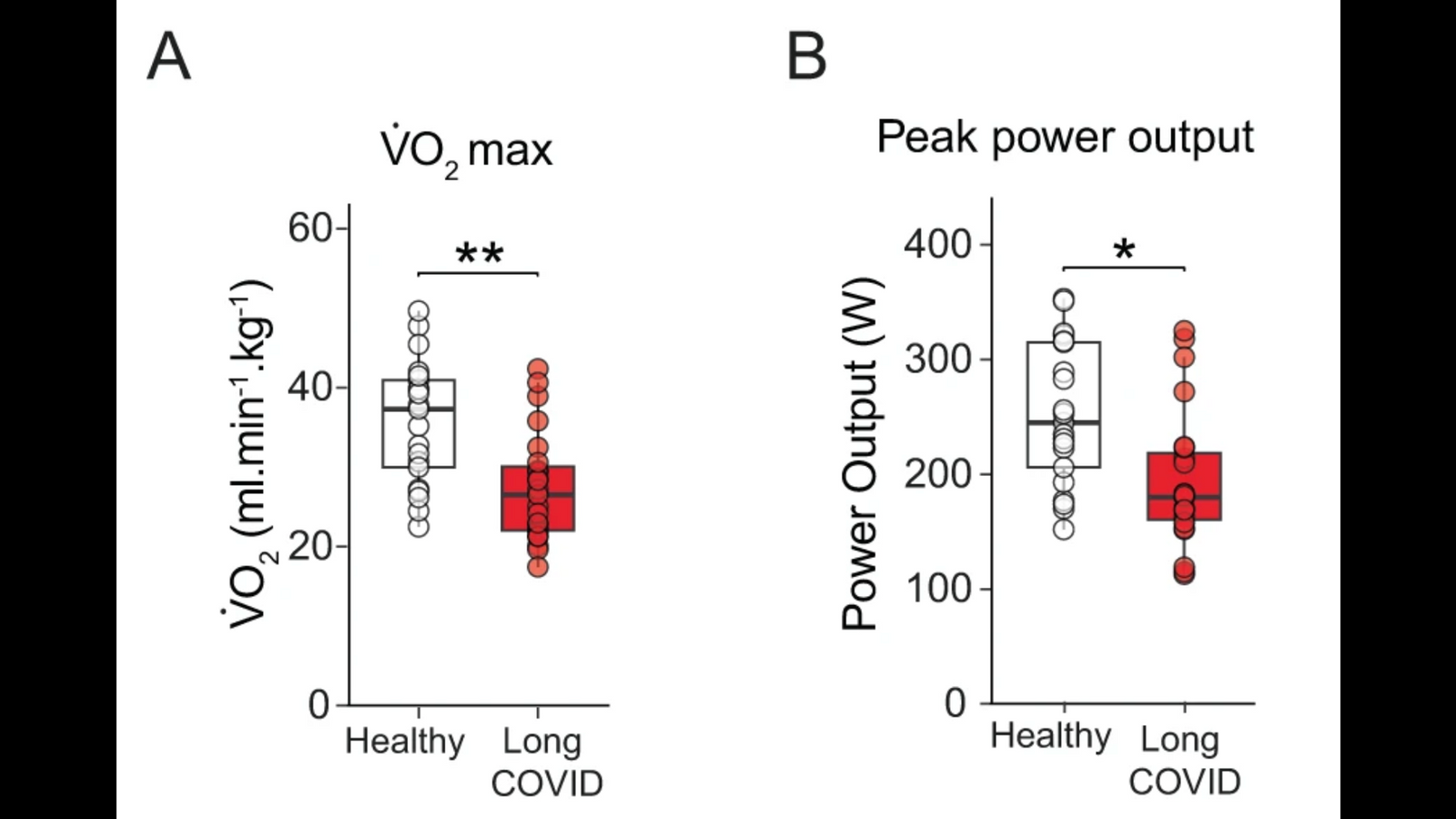
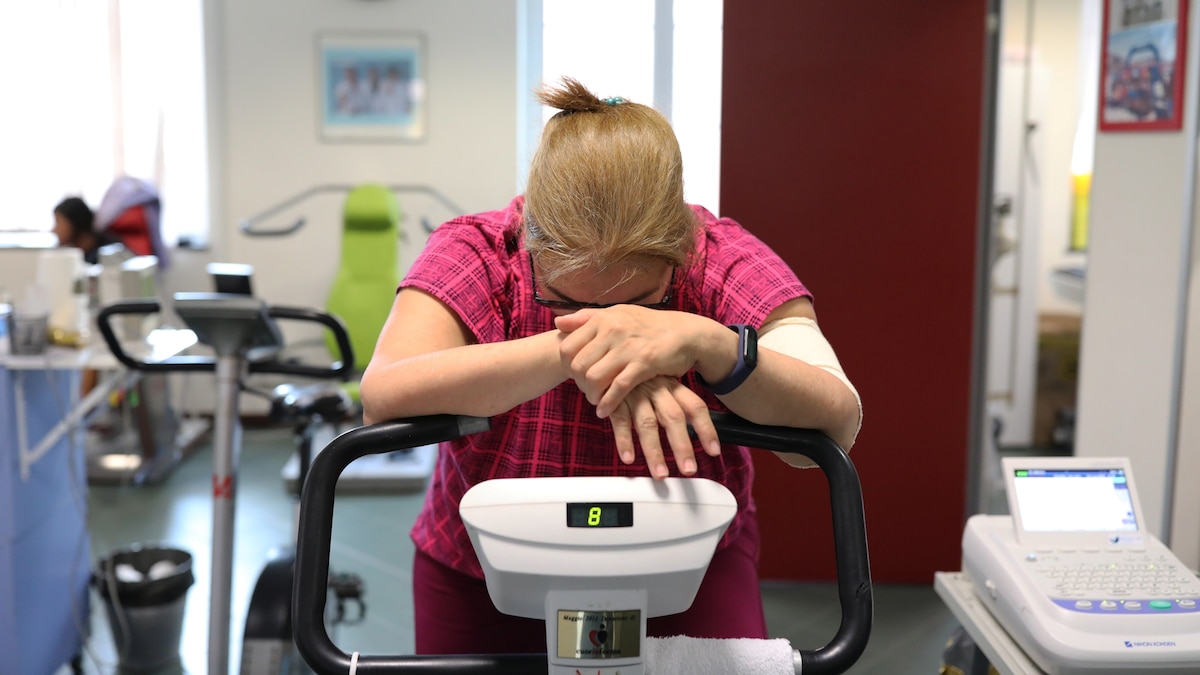
A new study on Long COVID sheds light on post-exertional malaise (PEM), a debilitating symptom where patients experience worsening of other symptoms after minor activity. The study provides evidence for various hypotheses on how SARS-CoV-2 infection causes PEM, including reduced mitochondrial function, muscle abnormalities, and immune disturbances. Long COVID patients showed lower exercise capacity, reduced mitochondrial function, and increased amyloid deposition in muscle. The study highlights the need for further research to understand the molecular pathways contributing to PEM and develop treatments for this persistent condition.

health-science1 year ago

"Long COVID Linked to 4-Fold Increase in Chronic Fatigue Risk, CDC Study Shows"

A new study published in Nature Communications explains the impact of post-exertional malaise (PEM) on long COVID patients, revealing widespread muscle damage, changes in muscle composition, and disrupted energy metabolism after exercise. Long COVID patients experience a unique phenomenon where their ability to generate energy is impaired, leading to a rapid decline in mitochondrial function and metabolism. Additionally, they exhibit changes in muscle fiber composition and an impaired ability to recover from exercise, resulting in muscle damage, scarring, inflammation, and blood clots. The study emphasizes the importance of pacing to minimize the severity and duration of post-exertional malaise for long COVID patients.

health2 years ago

"The Impact of Long COVID on Exercise: Understanding Post-Exertional Malaise"

New research on long COVID patients shows that exercise can lead to worsening symptoms due to widespread abnormalities in muscle tissue, including compromised mitochondria, severe muscle damage, altered immune response, and microclots. The study compared long COVID patients to healthy controls and found evidence of cellular energy system dysfunction, muscle atrophy, immune cell infiltration, and elevated microclots. Experts caution against the traditional approach of prescribing exercise for these patients and recommend alternative strategies such as "autonomic rehabilitation" to manage symptoms.

health2 years ago

"Uncovering the Impact of Long COVID on Exercise Tolerance and Fatigue"

A study from the Netherlands suggests that strenuous exercise could lead to severe muscle tissue damage for some individuals with long Covid, particularly those experiencing post-exertional malaise. The research indicates that pushing through arduous exercise may worsen symptoms, highlighting the potential harm of intense physical activity for certain long Covid sufferers.

health2 years ago

Long-COVID Patients Resist Exercise Trial for Recovery.

A proposed exercise trial for long covid is being criticized by some of the patients the government-funded researchers want to study. Some ME/CFS patients say that, over time, continuously pushing past their limits has caused them to permanently worsen. Advocates now worry that long-covid patients with ME/CFS could be similarly harmed if they take part in any exercise study. The study is voluntary, and an independent committee has reviewed the study to ensure its safety.

health2 years ago

NIH's proposal for long COVID exercise trials sparks concern.

Patient advocates are urging the US National Institutes of Health (NIH) to reconsider its decision to include exercise trials in its RECOVER initiative, which aims to study and find treatments for long COVID. Advocates argue that a large proportion of people with long COVID have reported experiencing post-exertional malaise (PEM) and worry that putting certain RECOVER participants through exercise trials could cause them harm. The NIH has stated that the exercise trial would use “inclusion and exclusion criteria to make sure that people who could be harmed by exercise will not be included in that platform trial”.