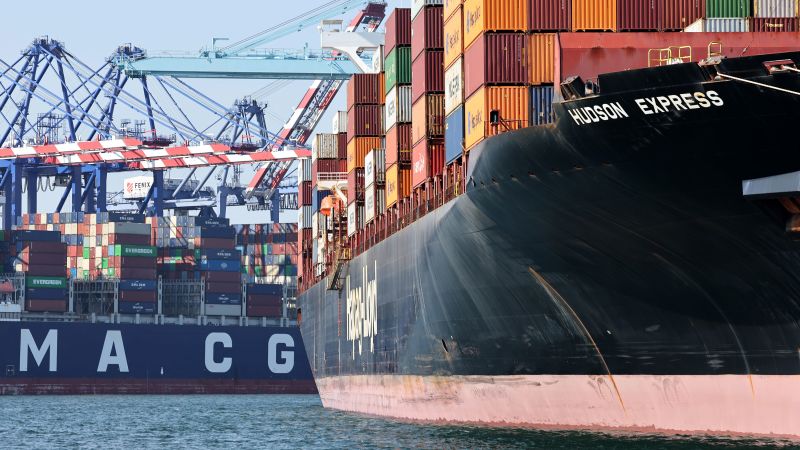
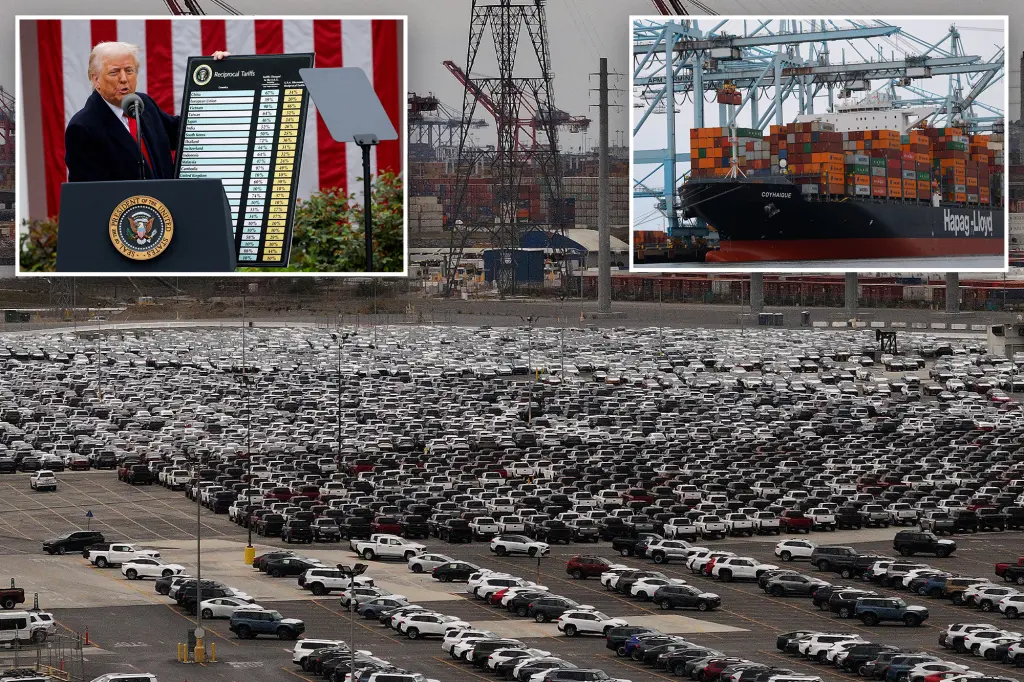
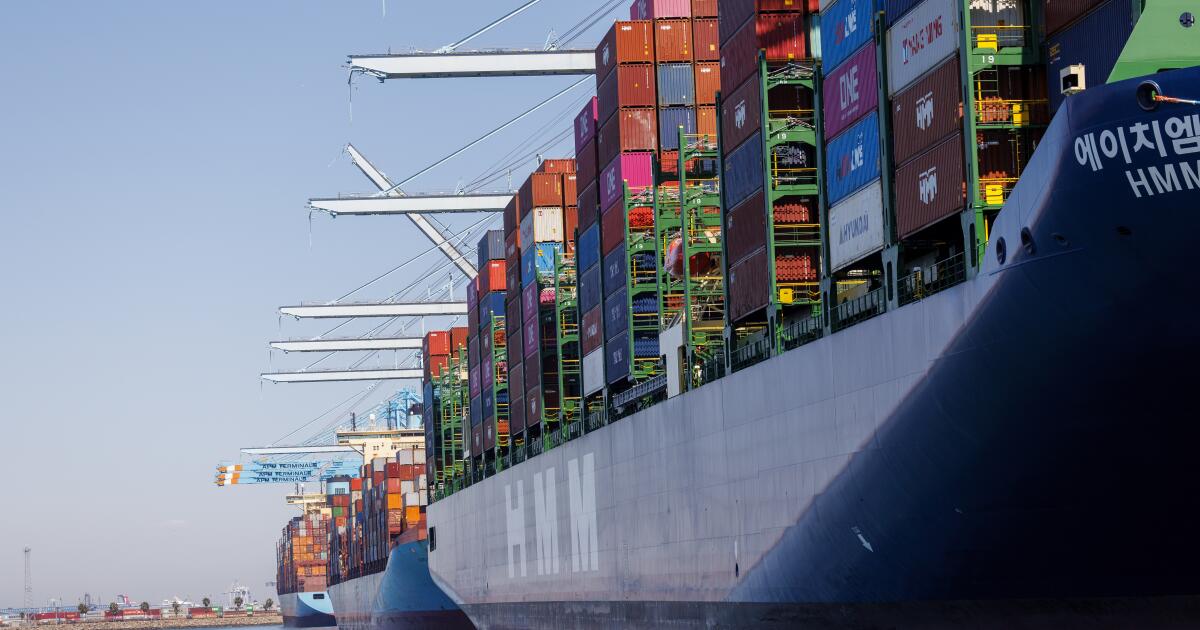
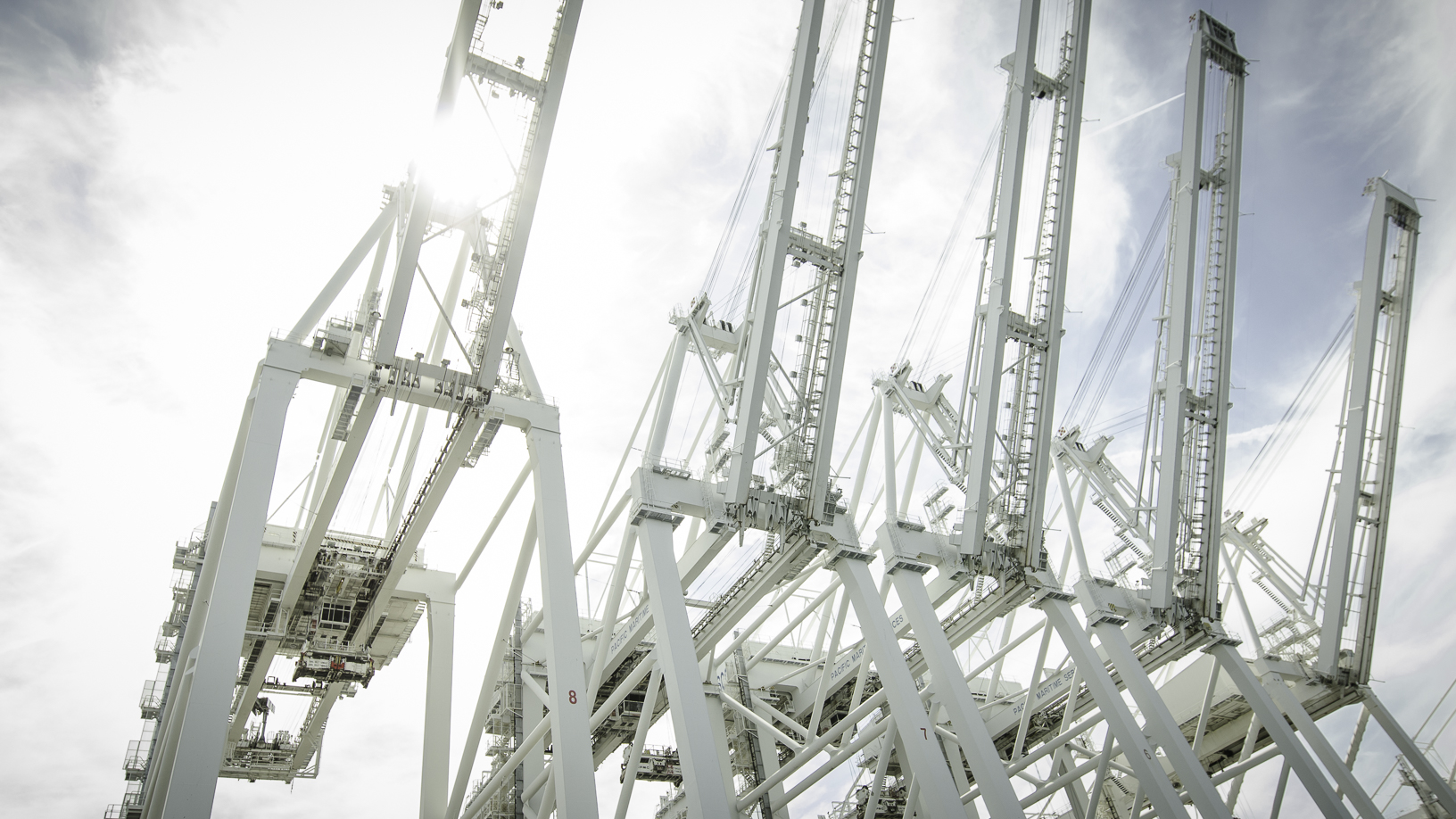
The Port of Los Angeles experienced strong import activity in August despite ongoing tariff uncertainties, with expectations of a slowdown in September as companies stock up for the holidays. Tariff policies, including recent reductions and legal challenges, continue to impact costs for importers and manufacturers, with some sectors already facing significant losses. The Supreme Court is set to hear a key tariff case in November, adding to the economic uncertainty.
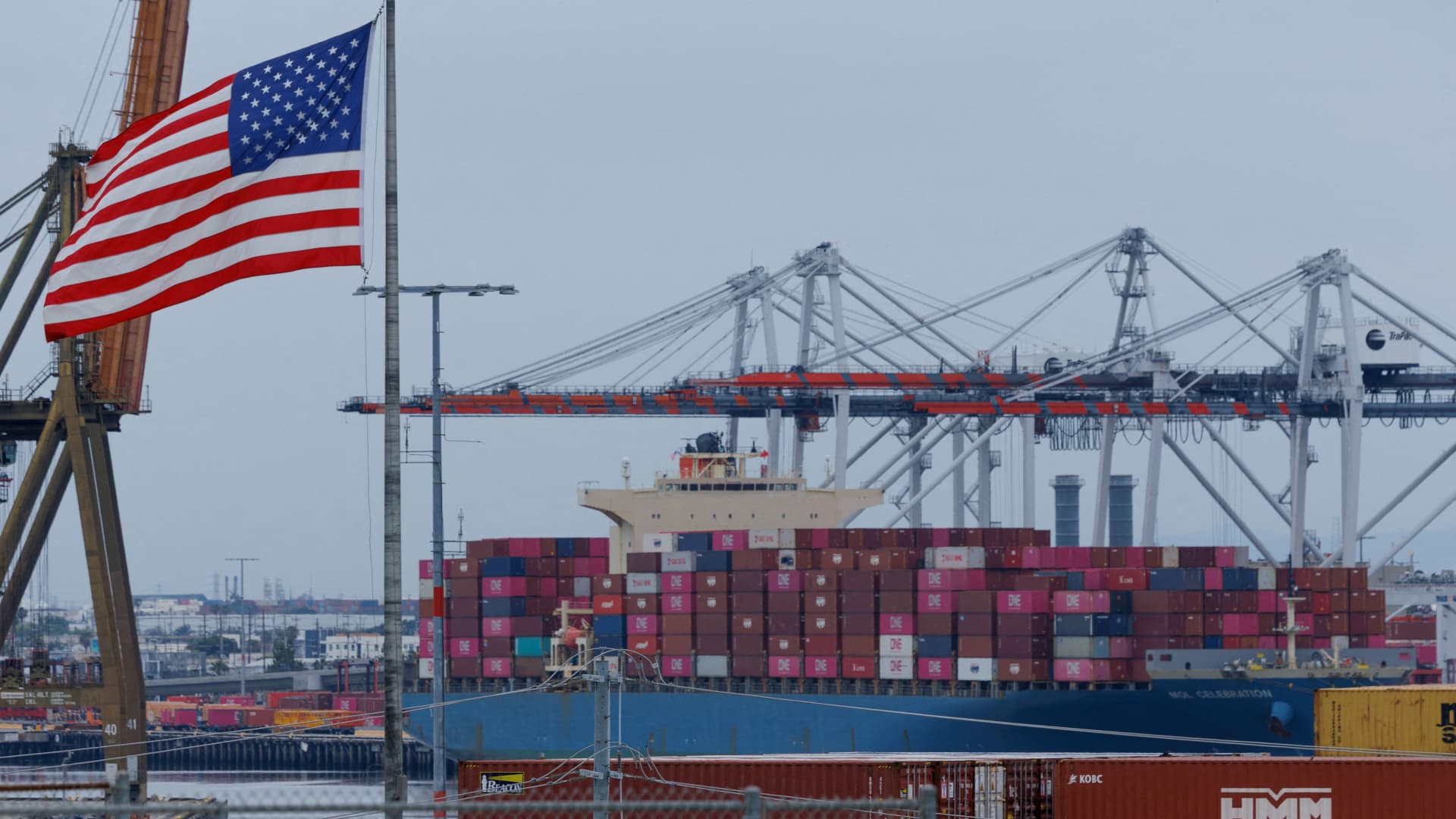
The Port of Los Angeles experienced a record-breaking July with over 1 million TEUs processed, driven by shippers frontloading Chinese goods ahead of tariffs, which caused an early and intense peak season. However, the surge has since declined as tariffs remain in effect, impacting retail and small importers, with a forecast of decreasing container ship arrivals in the coming weeks.
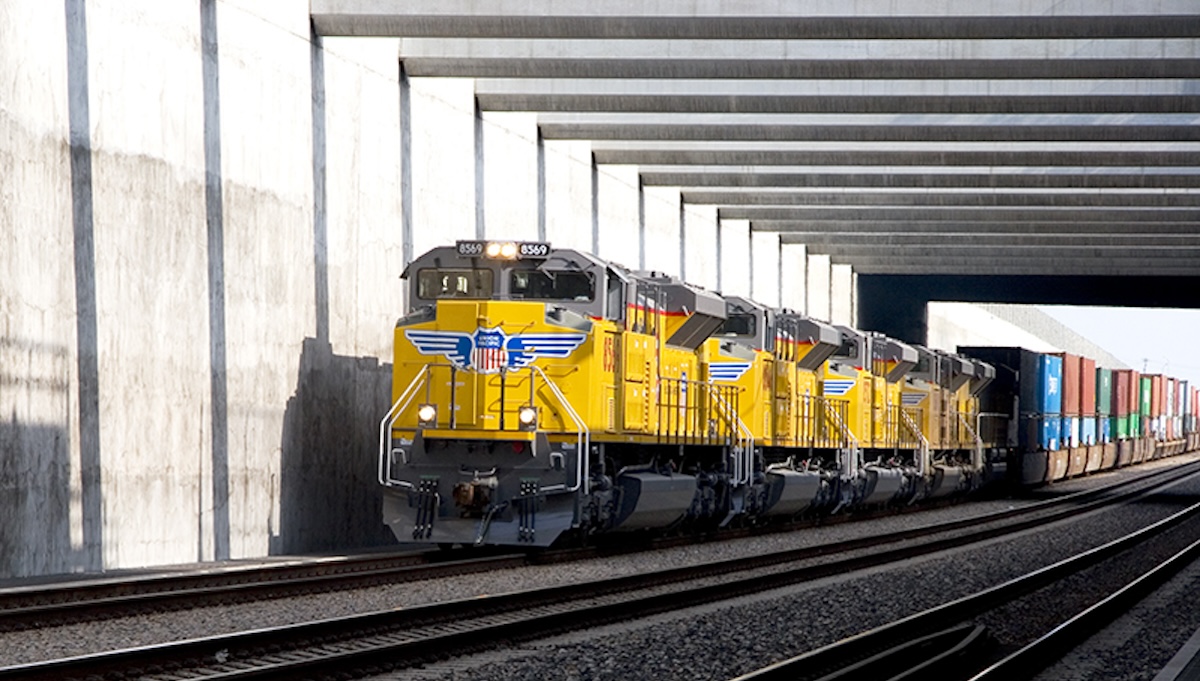
The Port of Los Angeles is set for growth following Union Pacific's acquisition of Norfolk Southern, creating the first transcontinental freight railroad, which will enhance cargo flow, expand market reach, and improve efficiency in transportation from Los Angeles to key U.S. markets.
The Port of Los Angeles experienced its best June on record with an 8% increase in cargo, driven by importers rushing to beat upcoming tariff deadlines, including a pushback to August 1. Despite tariff-induced slowdowns earlier in the year, a second surge is expected in July, with volume likely to dip in August as retailers adjust their inventories for the holiday season. Overall, U.S. imports are tracking slightly ahead of last year, but tariffs are expected to increase prices for consumers.
The Port of Los Angeles experienced its best June on record with an 8% increase in cargo, driven by importers rushing to beat tariff deadlines, especially before the August 1 extension. Despite tariff-induced slowdowns earlier in the year, a second surge is expected in July, with volume likely to dip in August as retailers adjust their inventories for the holiday season. Overall, U.S. imports are tracking slightly ahead of last year, but tariffs are expected to increase prices for consumers.
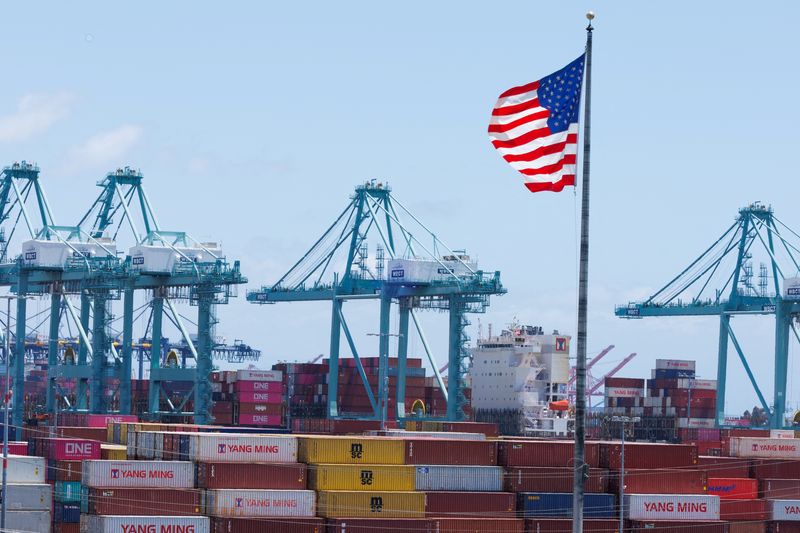
U.S. seaborne imports from China fell by 28.5% in May due to the impact of tariffs, with overall imports dropping 7.2%, marking the sharpest decline since the pandemic, as trade tensions and tariffs continue to influence trade flows, especially at West Coast ports.
Shipping activity at the Port of Los Angeles has sharply declined due to the US-China trade war, with fewer ships arriving and dockworker jobs falling by nearly 50%, reflecting broader economic impacts on West Coast ports and local economies.
Job opportunities at the Port of Los Angeles have halved due to reduced cargo volume caused by President Trump's tariffs, leading to fewer work shifts for longshoremen, decreased port activity, and broader economic ripple effects in the region.
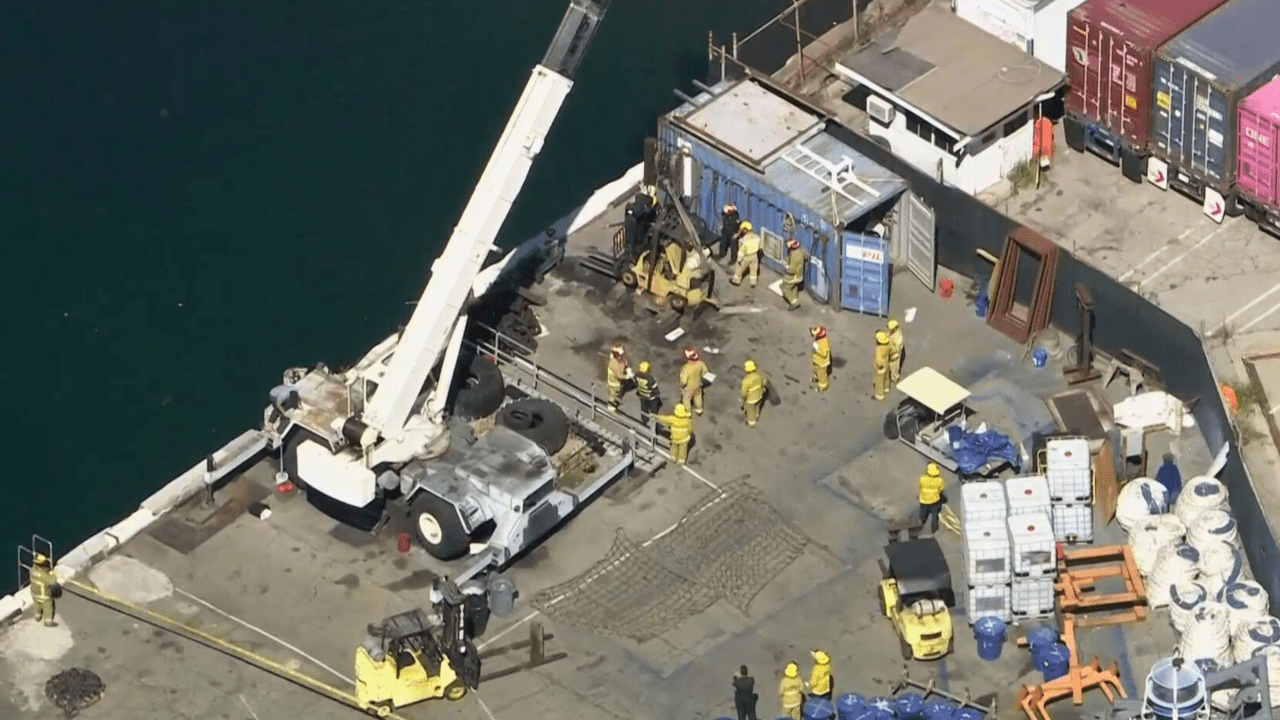
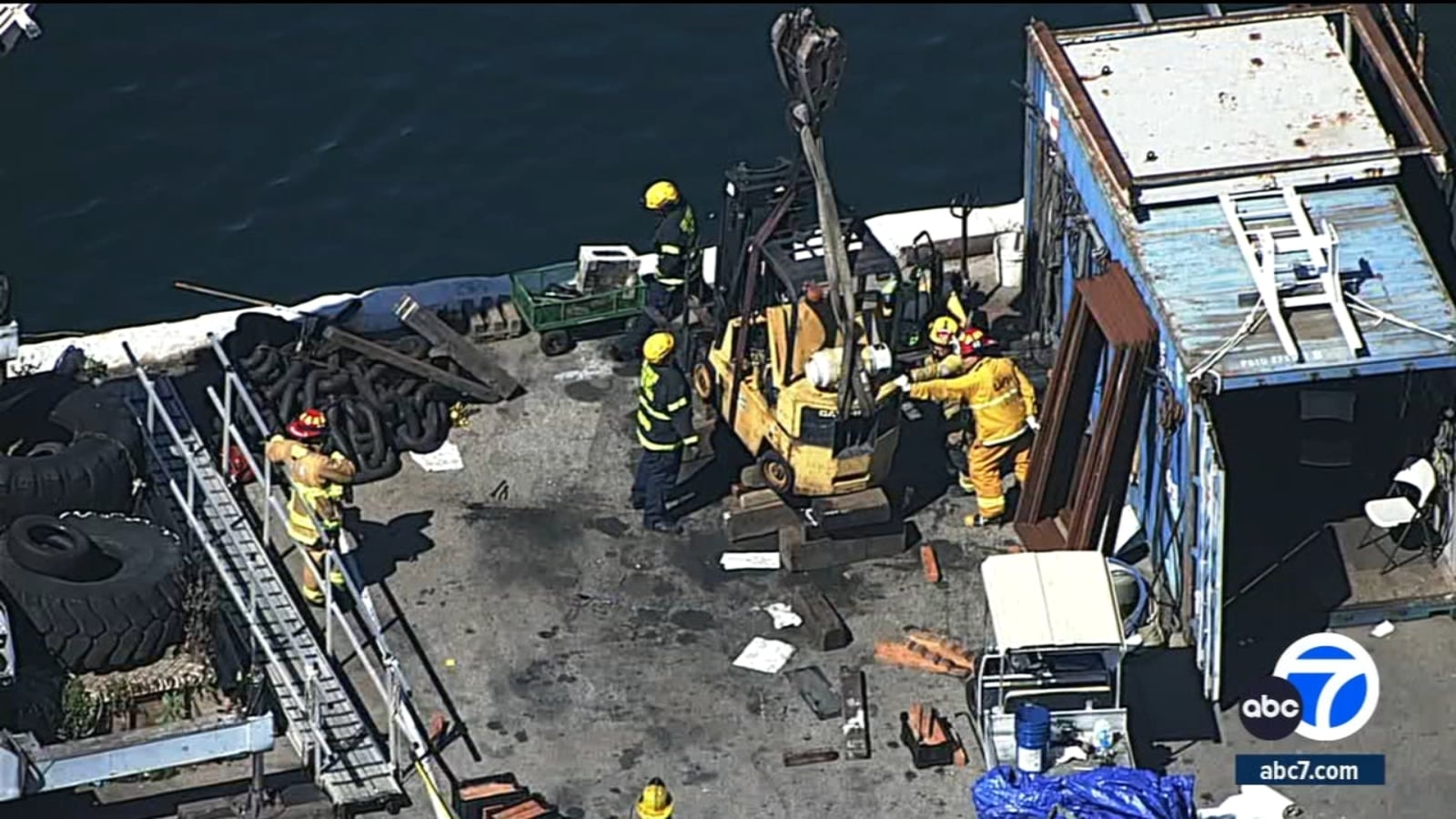
A worker was killed in a forklift accident at the Port of Los Angeles when they became pinned under the forklift at Berth 270. The Los Angeles Fire Department confirmed the worker's death and stated that no details about the cause of the accident or the victim's identity were immediately available. Urban search and rescue crews were on the scene to facilitate the investigation by other agencies, and no other injuries were reported.
A worker tragically died after becoming trapped under a forklift at the Port of Los Angeles in San Pedro. The incident occurred at Berth 270, and the individual, a man in his 30s, was pronounced dead at the scene. An investigation is underway, and further details about the incident are pending.
The Port of Los Angeles and Long Beach were closed for 24 hours due to labor unrest, causing disruptions for exporters of agricultural goods. The incident highlights the risks of bringing volumes back to the West Coast, which has been losing market share to East and Gulf Coast ports due to inventory overhang and concerns over labor disruptions. The container shipping industry is building more tonnage for the East Coast route, and there is growing sentiment that the gains of East and Gulf Coast ports are permanent.