
Tag

Polypharmacy

All articles tagged with #polypharmacy

Multiple Medications in Seniors May Lead to Unexpected Health Risks

Originally Published 17 days ago — by AOL.com

Featured image for Multiple Medications in Seniors May Lead to Unexpected Health Risks
Source: AOL.com

A Japanese study found that seniors discharged on six or more medications, especially those over 80 or recovering from stroke, are less likely to regain independence during rehabilitation, highlighting the risks of polypharmacy and the importance of reviewing and reducing unnecessary medications to improve recovery outcomes.
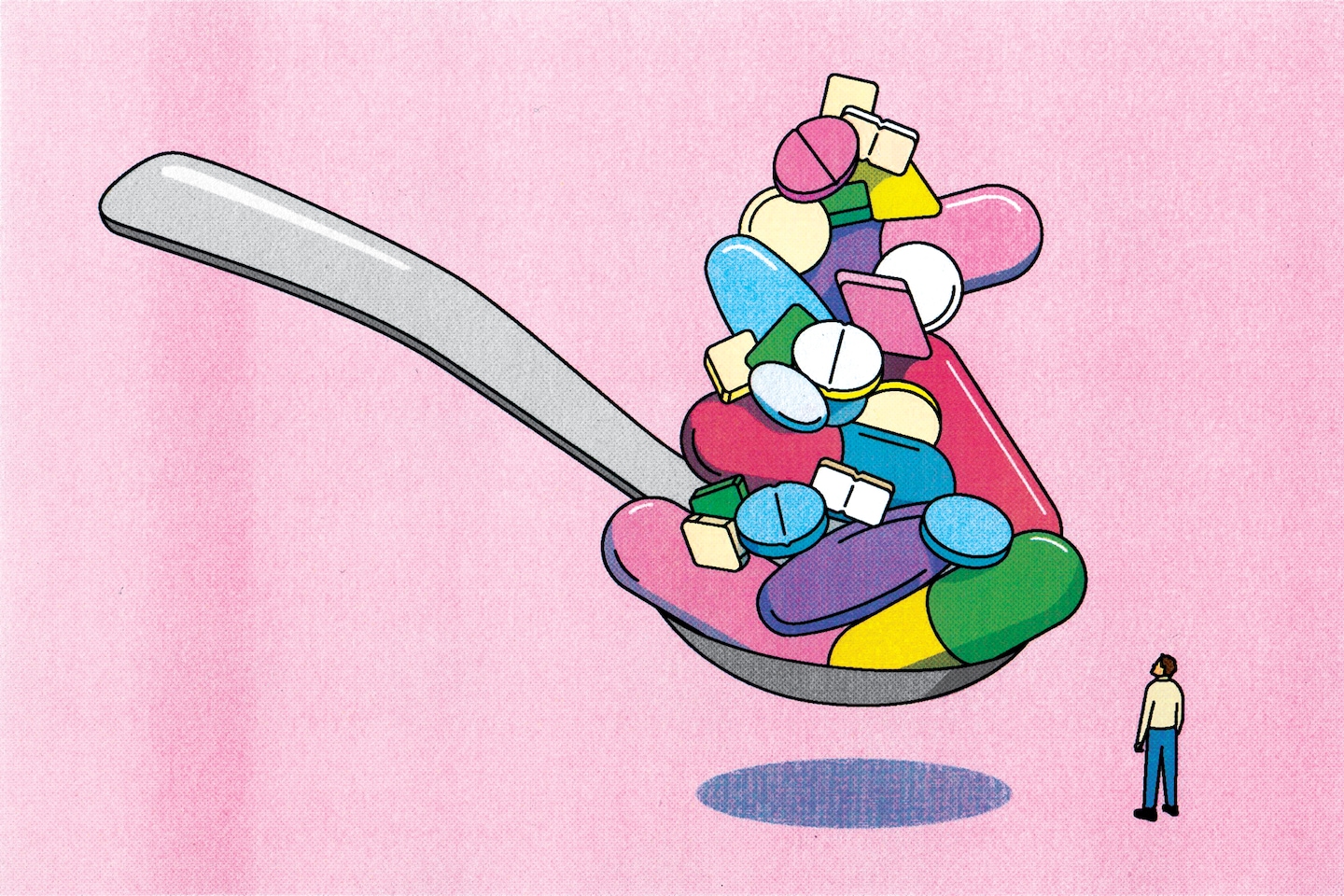

"Understanding the Process of De-Prescribing Psychiatric Medications"

Originally Published 1 year ago — by The Washington Post

Featured image for "Understanding the Process of De-Prescribing Psychiatric Medications"
Source: The Washington Post

De-prescribing psychiatric drugs is an important consideration, as many psychiatric illnesses can be intermittent and highly variable. For those with a history of only one episode of depression, it may be safe to consider stopping treatment after a period of recovery, typically six months to a year. De-prescribing is also crucial for popular anti-anxiety medications like benzodiazepines, which can be habit forming and have serious potential adverse effects over time. Additionally, rational de-prescribing is essential in cases of polypharmacy, where multiple medications are used simultaneously, to avoid a "psychotropic drug soup" and simplify complex treatments without loss of benefit.

Rising Trend: Youth Taking Multiple Psychiatric Medications

Originally Published 1 year ago — by The New York Times

Featured image for Rising Trend: Youth Taking Multiple Psychiatric Medications
Source: The New York Times

A study in Maryland found that an increasing number of children and adolescents enrolled in Medicaid are being prescribed multiple psychiatric drugs simultaneously, despite the lack of safety testing and research on the impact of these combinations on the developing brain. The prevalence of "polypharmacy" among this group, defined as taking three or more different classes of psychiatric medications, has risen by 9.5 percent from 2015 to 2020. Concerns have been raised about the long-term effects of simultaneous use of multiple psychotropic medications, especially among vulnerable populations such as youths with disabilities or in foster care.

"Dementia risks: Deprescribing, hormone therapy, and acid reflux drugs under scrutiny"

Originally Published 2 years ago — by Medical Xpress

Featured image for "Dementia risks: Deprescribing, hormone therapy, and acid reflux drugs under scrutiny"
Source: Medical Xpress

A study led by researchers at the Beth Israel Deaconess Medical Center reveals that efforts to deprescribe medications for dementia patients are failing, as there is an increase in overall medication use following a dementia diagnosis. Despite the importance of simplifying medication regimens and reducing adverse drug events, deprescribing guidelines and efforts are not effectively implemented. The study highlights a potential gap in clinical practice and raises concerns about the increased use of central nervous system-active medications, which can adversely affect cognitive function. The findings suggest missed opportunities to reduce burdensome polypharmacy and deprescribe medications with high safety risks or limited likelihood of benefit.

"Deprescribing": Reconsidering Medication Use in Older Adults.

Originally Published 2 years ago — by WebMD

Featured image for "Deprescribing": Reconsidering Medication Use in Older Adults.
Source: WebMD

Many older adults may be on too many medications and could benefit from a medication review with their primary care doctor. About 57% of people age 65 years or older take five or more medications regularly – a concept known as polypharmacy. Patients and caregivers can ask for an honest conversation with their doctor. By reevaluating their medications, older adults can actually lower their chances of potentially harmful side effects, and avoid the spiral of being prescribed even more medications.

"Guidelines for Safer Medication Use in Elderly Patients"

Originally Published 2 years ago — by First10EM

Featured image for "Guidelines for Safer Medication Use in Elderly Patients"
Source: First10EM

The Beers criteria is a guideline to help guide safe prescribing practices in the geriatric population. Adverse events and drug interactions should almost always be on our differential diagnosis with elderly patients. Emergency physicians should be familiar with the Beers criteria, which includes recommendations to avoid certain medications due to potential harm, such as antipsychotics, benzodiazepines, and nonselective NSAIDs. However, the guidelines lack clear citations and discussion of absolute risk, making it difficult to incorporate into evidence-based practice.