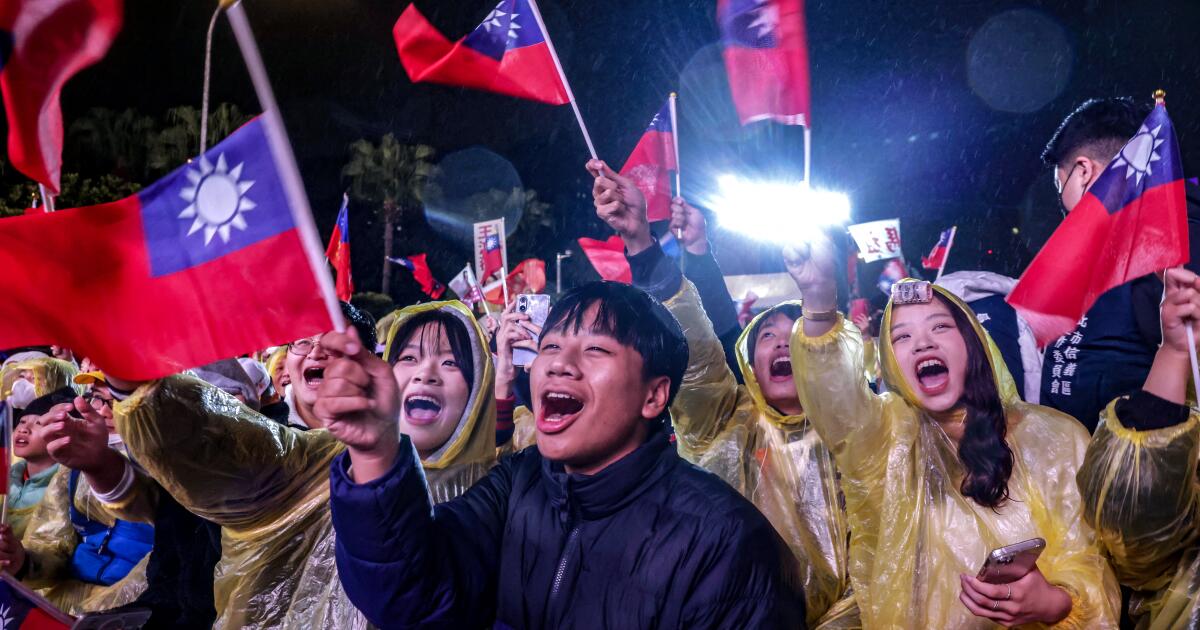
Taiwanese Americans are closely following the presidential election in Taiwan, with many planning to travel back to vote on January 13. The election has been dramatic, with a failed attempt to unify opposition parties and intense debates over China policies. China's increasing aggression and the potential impact on Taiwan's democracy are key concerns. The Taiwanese diaspora in Southern California is particularly engaged, with some fearing that the wrong leadership could lead to war or erode Taiwan's democracy. The election has also sparked passionate discussions and divisions within the Taiwanese American community, reflecting the deep political and cultural ties that persist across the Pacific.
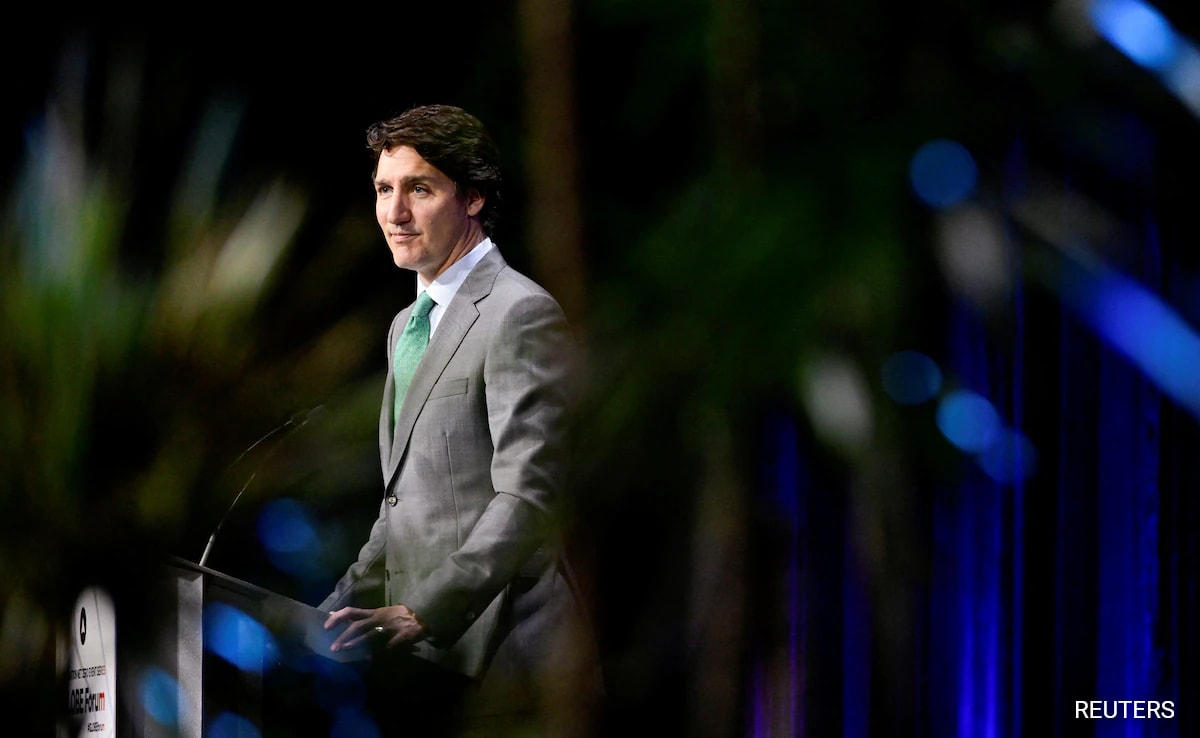
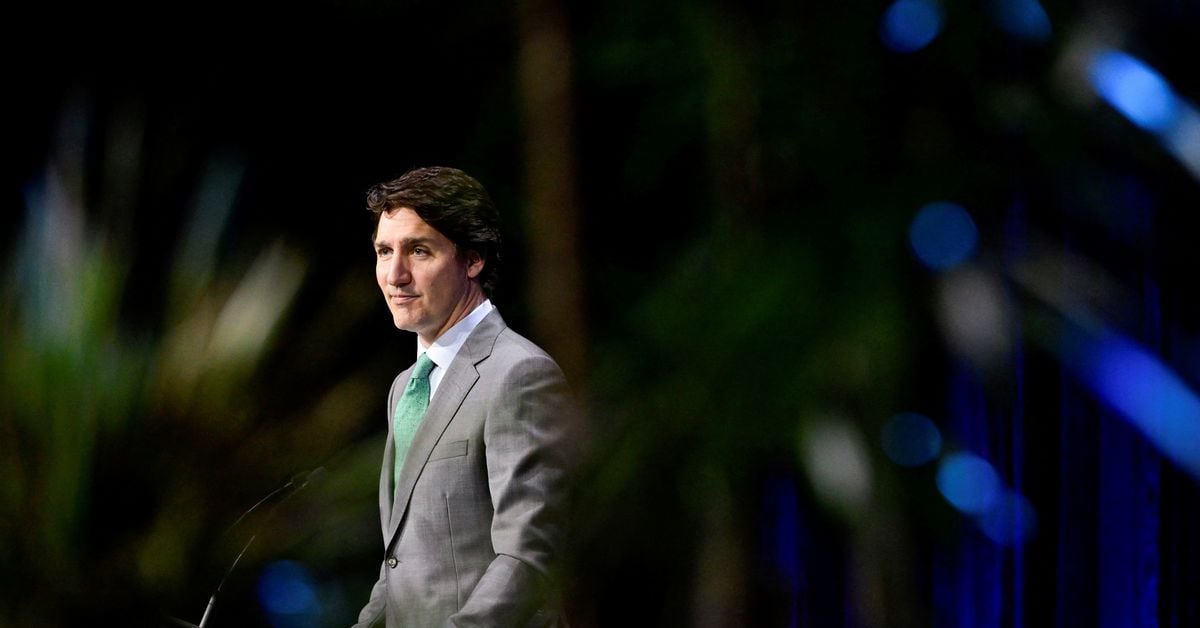
Canadian Prime Minister Justin Trudeau experienced a second aircraft malfunction since the G20 Summit in India, this time during a family holiday in the Caribbean. A repair team was dispatched on a second plane to fix the glitch, and despite the issue, Trudeau's travel schedule remained unaffected, with his return on January 4 proceeding without further delays. The aircraft involved were both CC-144 Challengers, which have been recently acquired by the Canadian Armed Forces. This incident adds to a series of travel mishaps for Trudeau in recent years.
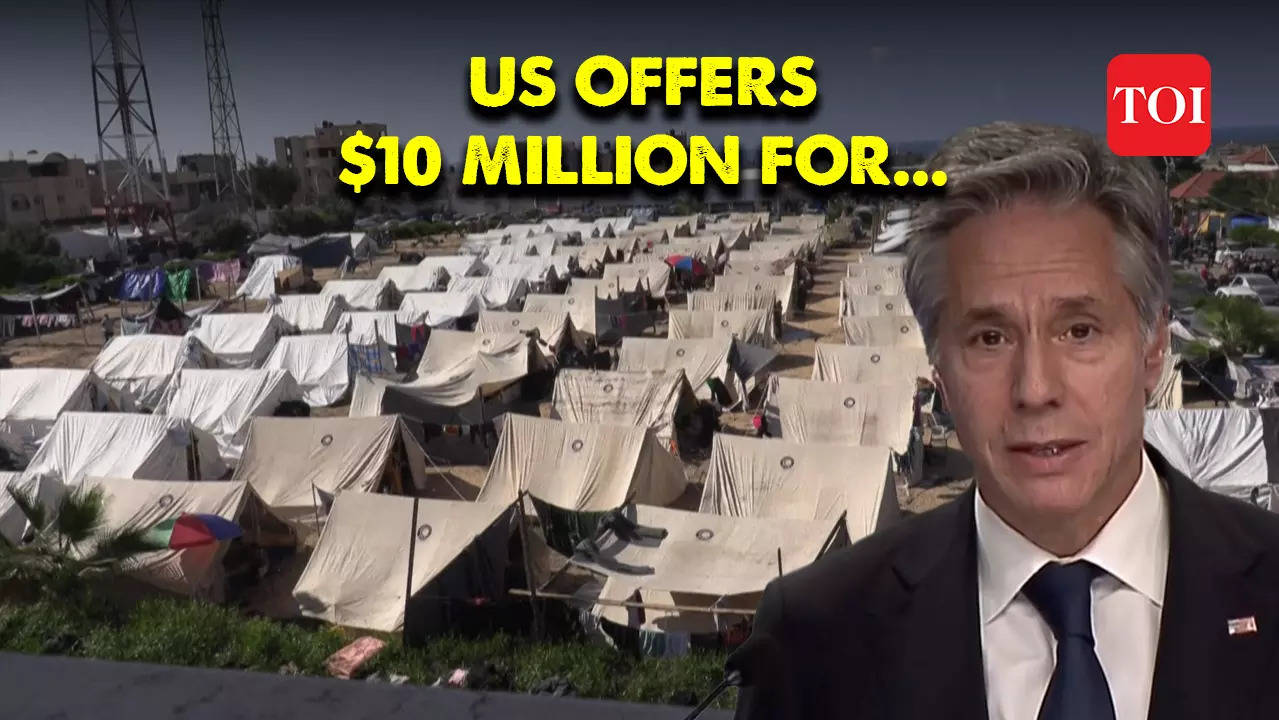
The US State Department is offering a reward of up to $10 million for information that can help disrupt the financial network of Hamas, a group designated as a terrorist organization by the US. The focus is on identifying financial facilitators and operatives, including those involved in significant money transfers to Hamas from Sudan and Iran. The department encourages confidential reporting through secure messaging platforms.
Canadian Prime Minister Justin Trudeau experienced a maintenance issue with his aircraft during a visit to Jamaica, which required a second plane to be sent for repairs. This incident marks the second recent aircraft glitch for Trudeau, following a delay in India in September 2023. The issue was identified before the scheduled departure, and Trudeau was able to return home on the original plane after the maintenance team resolved the problem.
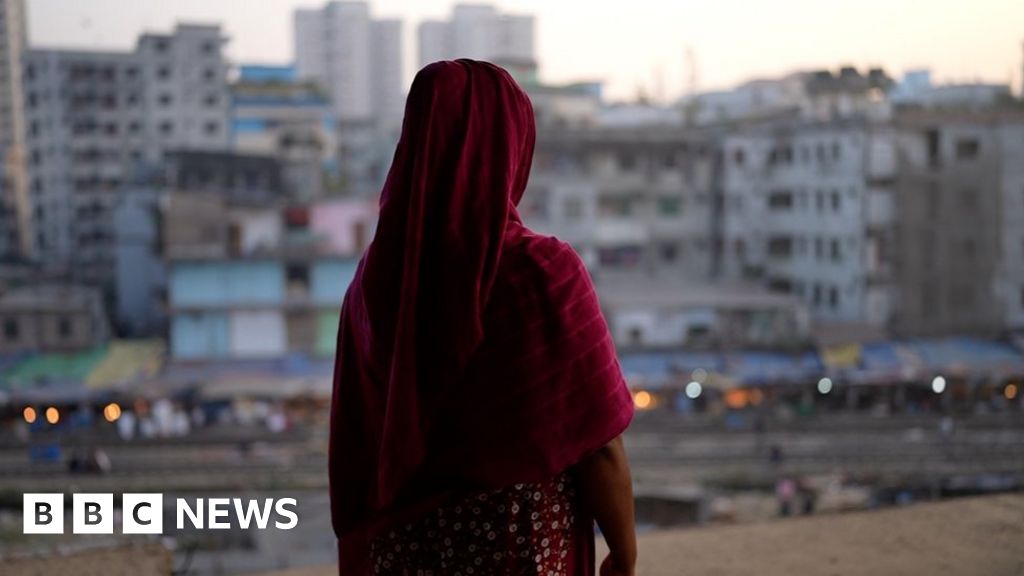
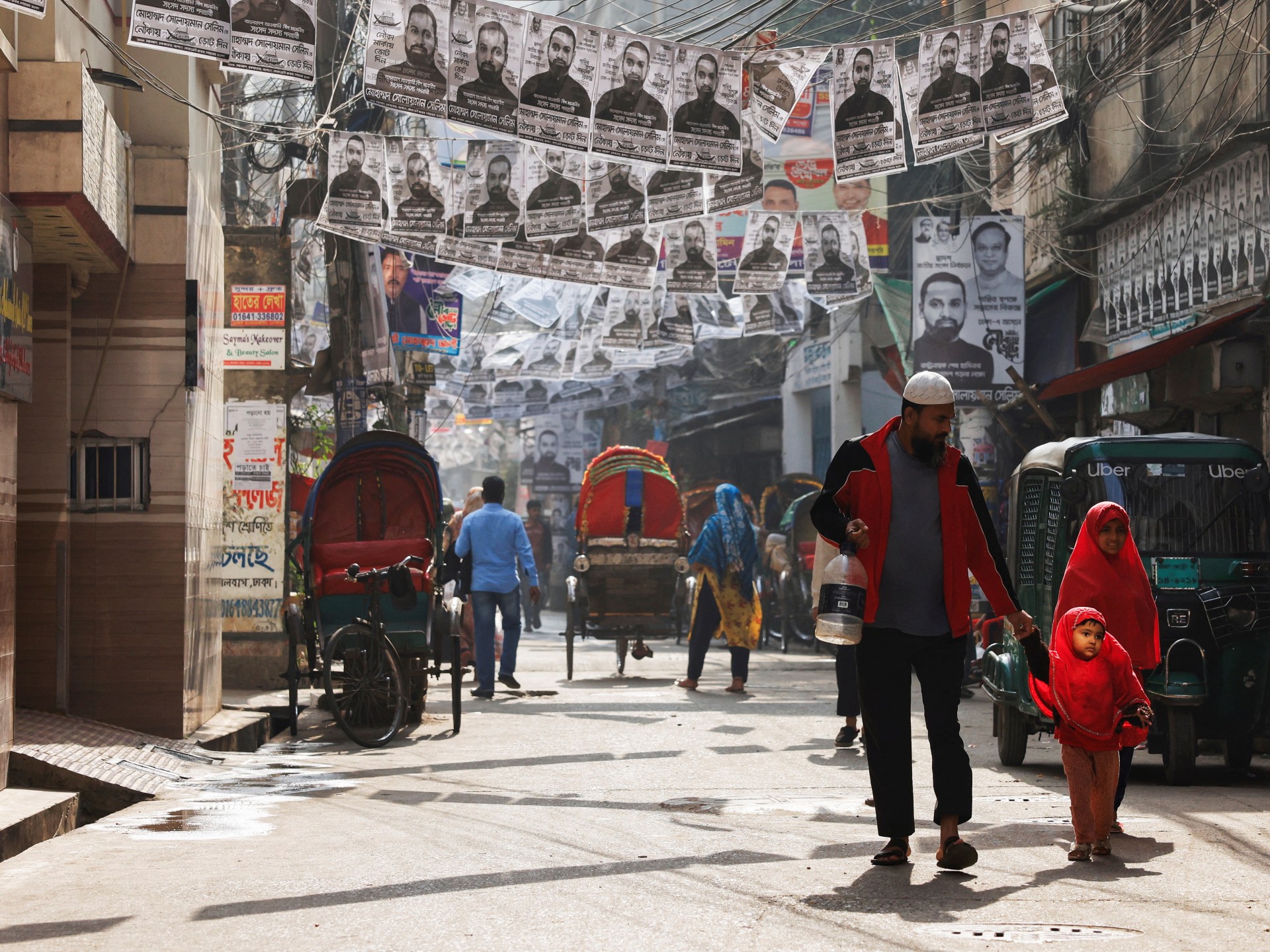
In Bangladesh, ahead of the elections, a widow recounts her husband's death in jail, alleging he was tortured due to his involvement with the opposition party BNP. Human rights organizations report a rise in abuses under Prime Minister Sheikh Hasina's government, with the BNP boycotting the elections due to a crackdown on dissent. The government denies silencing critics, but with thousands of BNP supporters detained, the legitimacy of the elections is under scrutiny.
The U.S. Department of State is offering up to $10 million for information that disrupts the financial networks of Hamas, a designated Foreign Terrorist Organization. The Rewards for Justice Program targets five individuals involved in Hamas's financial operations, including those with ties to al-Qa’ida and Iranian entities, and those operating within Hamas's investment network in Türkiye. The program has been successful since 1984, paying out over $250 million for information aiding U.S. national security.
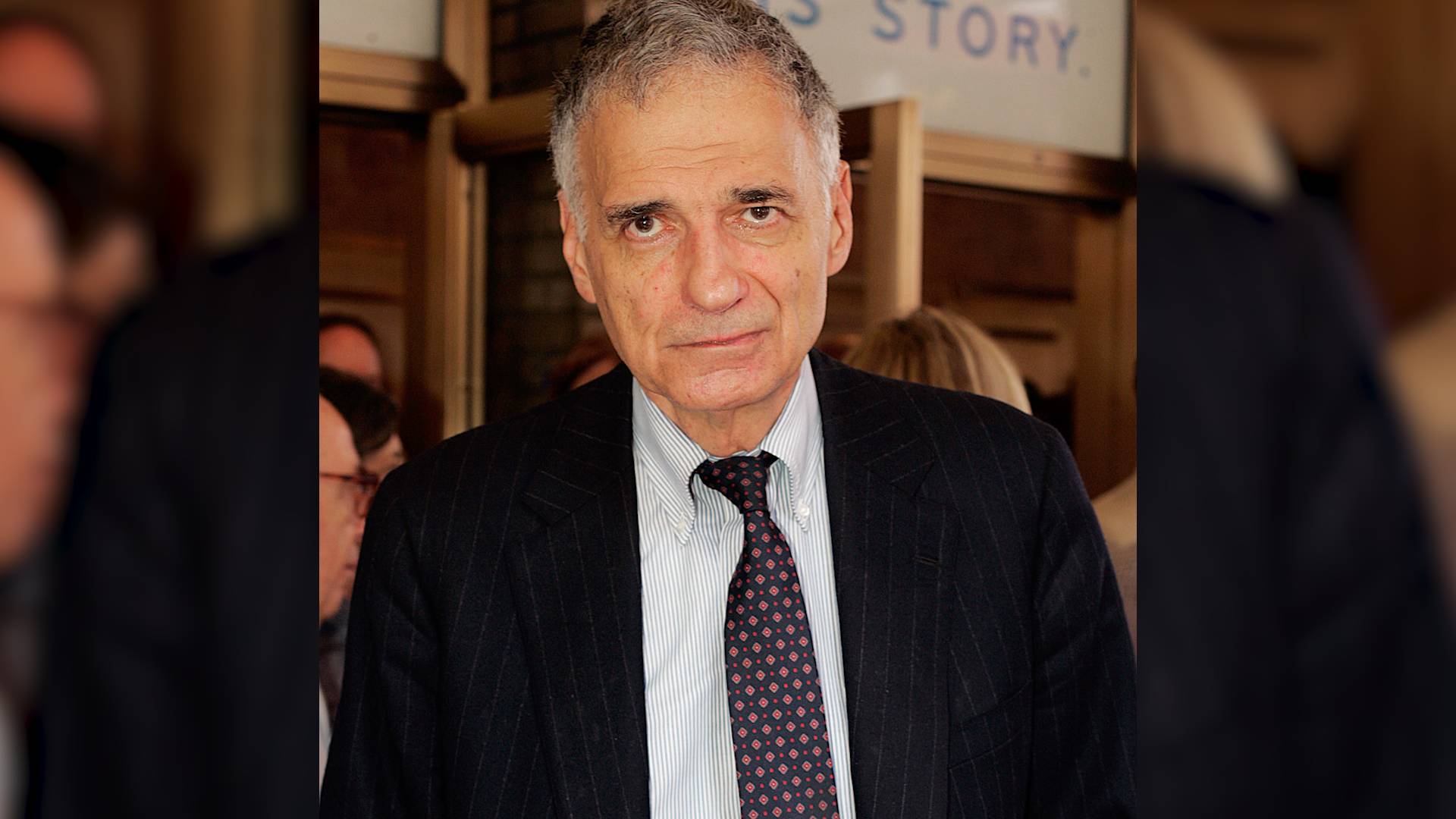
Ralph Nader criticized U.S. policy in Gaza, highlighting the Congress and White House's role in the conflict and the significant financial support provided to Israel. He called out the hypocrisy in the Biden administration's approach to the ceasefire and the need for humanitarian aid in Gaza. Nader also addressed the influence of major donors on university policies, referencing recent controversies at Harvard and UPenn. Additionally, he discussed his new book, "The Rebellious CEO," which profiles corporate leaders who prioritize ethical practices.
Israeli Defense Minister Yoav Gallant has advocated for the absence of Israeli civilians in Gaza following recent hostilities. This stance underscores the ongoing security concerns and the complexities of civilian presence in conflict zones. Gallant's call reflects Israel's strategic approach to safeguarding its citizens amidst the persistent tensions with Gaza.
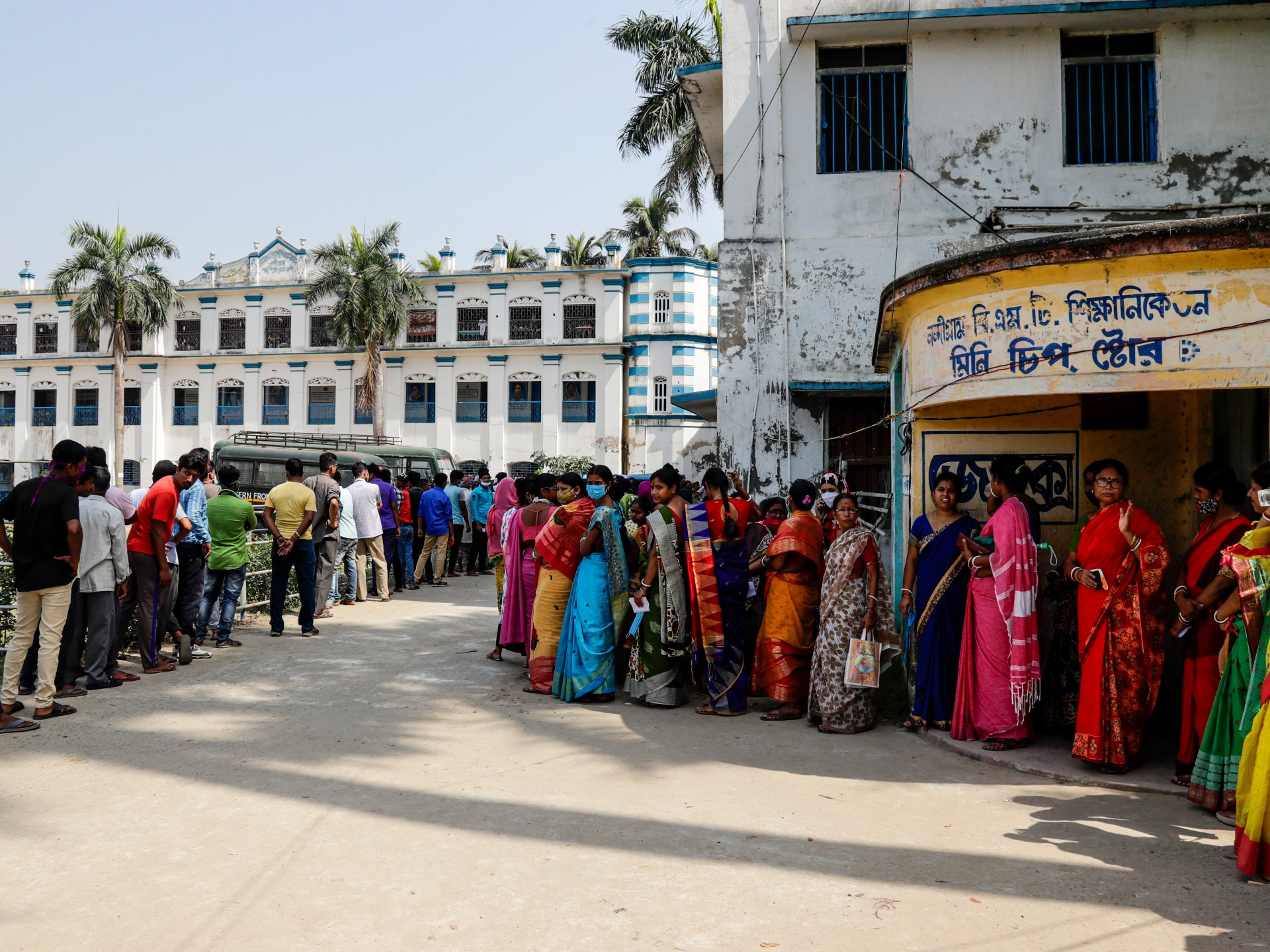
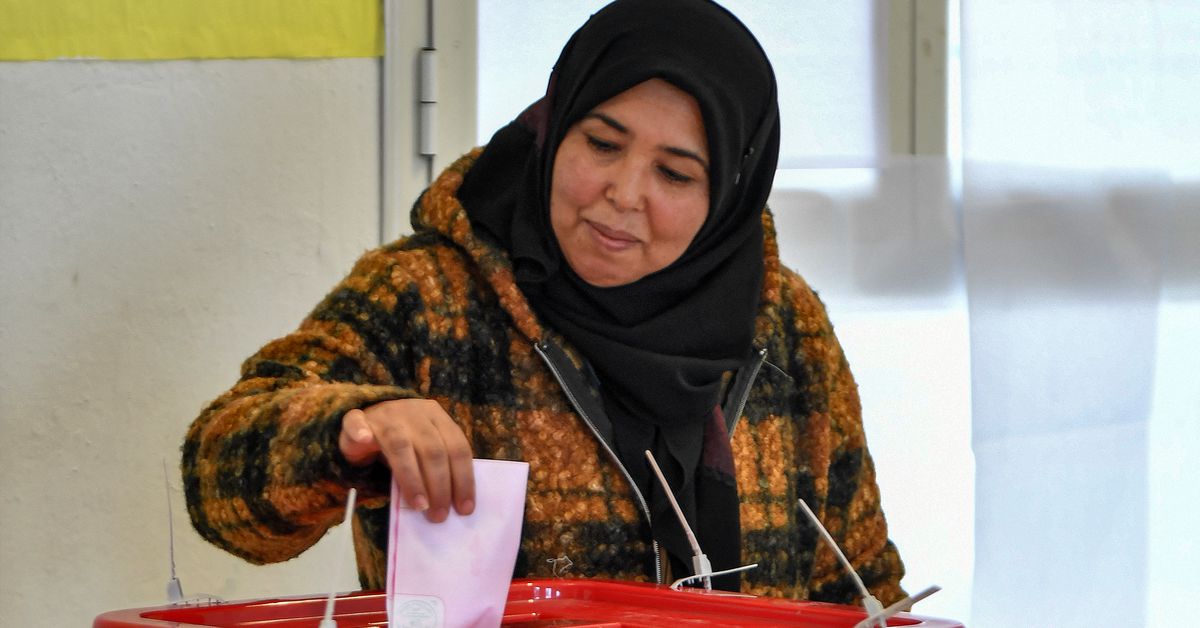
The year 2024 is set to be a pivotal year for global democracy, with nearly half of the world's population voting in national elections, including seven of the ten most populous countries. These elections come at a time when democracy is perceived to be backsliding, and the outcomes could significantly shape the future of democratic governance worldwide. Key elections in Bangladesh, Taiwan, Pakistan, Indonesia, India, South Africa, Mexico, the European Union, the United States, and Ghana will not only determine domestic political landscapes but also have broader implications for international relations, economic policies, and the global commitment to democratic values.
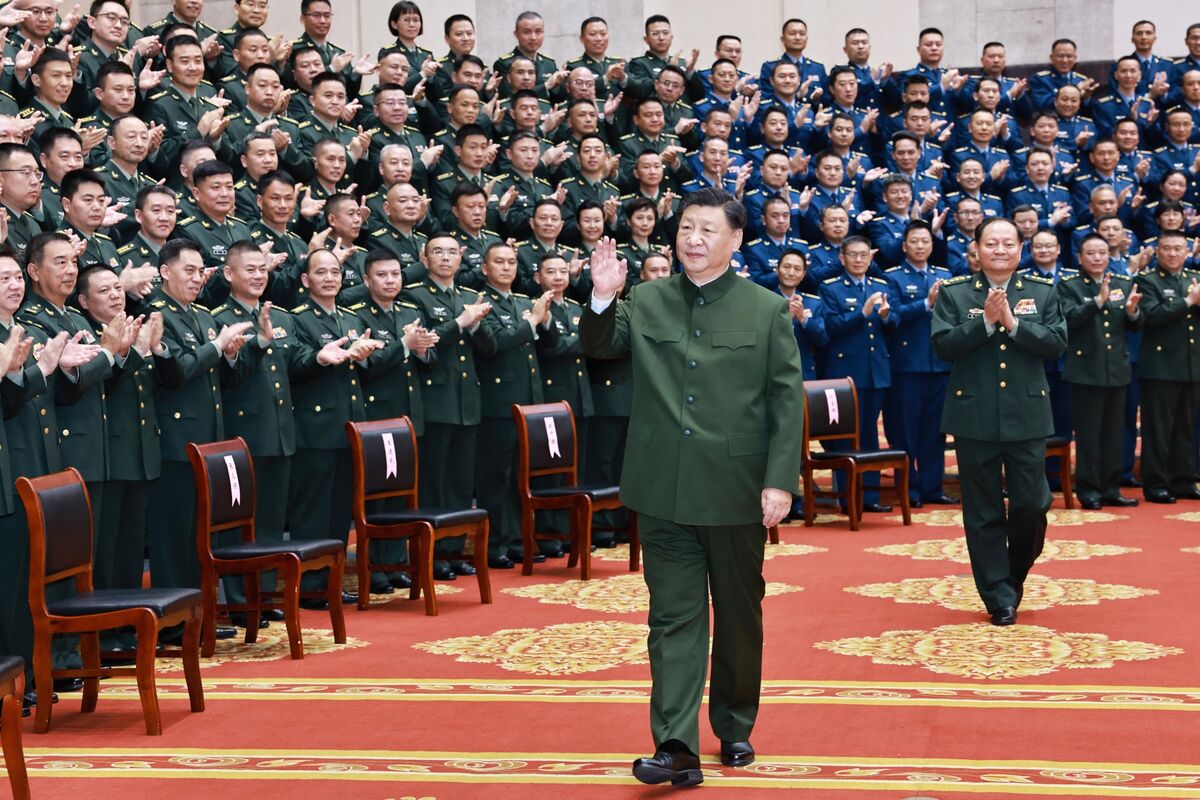
Chinese President Xi Jinping's efforts to reform the military and eliminate corruption have led to a significant purge within the defense sector, with at least 15 high-ranking military officials, including the most senior defense figure since 2017, being removed from their positions over the past six months. The exact reasons for their ousting remain undisclosed, but it coincides with reports of ongoing corruption investigations within the People’s Liberation Army.
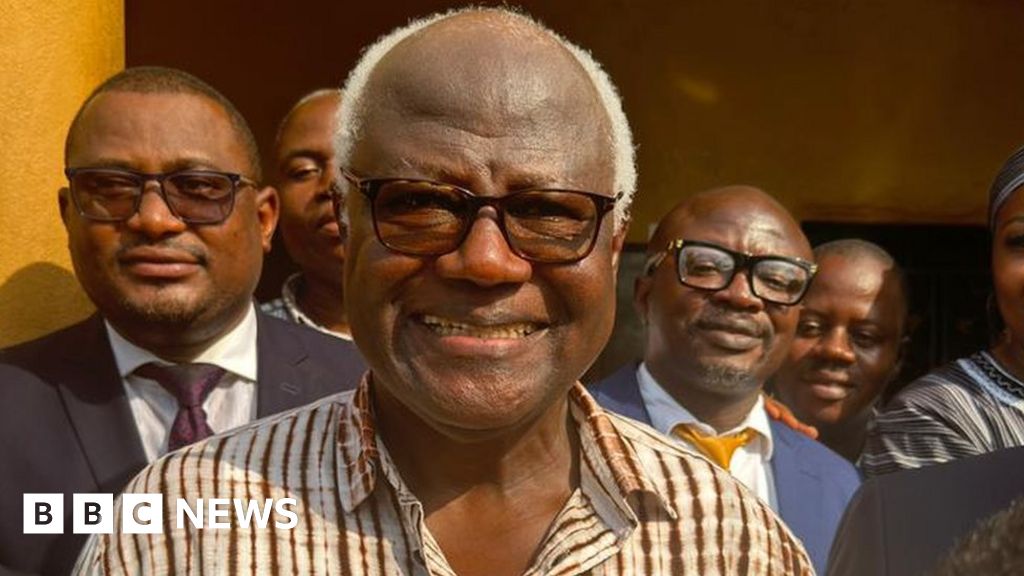
Former Sierra Leone President Ernest Bai Koroma has been charged with treason related to an attempted coup in November, where gunmen attacked a military armoury and freed prisoners. Despite a proposed exile deal by Ecowas, which the Sierra Leone government did not support, Koroma denies involvement. His lawyer criticizes the charges as politically motivated. Koroma, who was president for 11 years until 2018, has been under house arrest since the coup investigation began.
The year 2024 is set to be the largest global election year in history, with over 60 countries, representing half of the world's population, holding elections. This includes major events like India's legislative elections and Indonesia's presidential poll, as well as smaller ones like North Macedonia's presidential election. The state of democracy is a central concern, as some elections will be free and fair, while others, like in North Korea, will be far less so. The US presidential election will also be closely watched, with potential candidates like Donald Trump and Joe Biden possibly facing off again. Despite the increase in voter participation, democracy appears vulnerable, with declines in democratic indicators in half of all countries over the past five years. The article emphasizes the novelty of widespread democracy and the importance of preserving it amidst concerns of democratic backsliding.
Bangladesh's national election is under scrutiny for being a "charade" with allegations of the ruling Awami League party fielding "dummy" candidates and using intimidation tactics to ensure a win for Prime Minister Sheikh Hasina, who seeks a fourth term. The main opposition, the Bangladesh Nationalist Party (BNP), has boycotted the vote, citing a lack of confidence in a free and fair election under Hasina's rule. The BNP's boycott, arrests of its members, and international concerns cast doubt on the election's legitimacy, while the government aims to secure a "reasonable" voter turnout through alleged coercion.
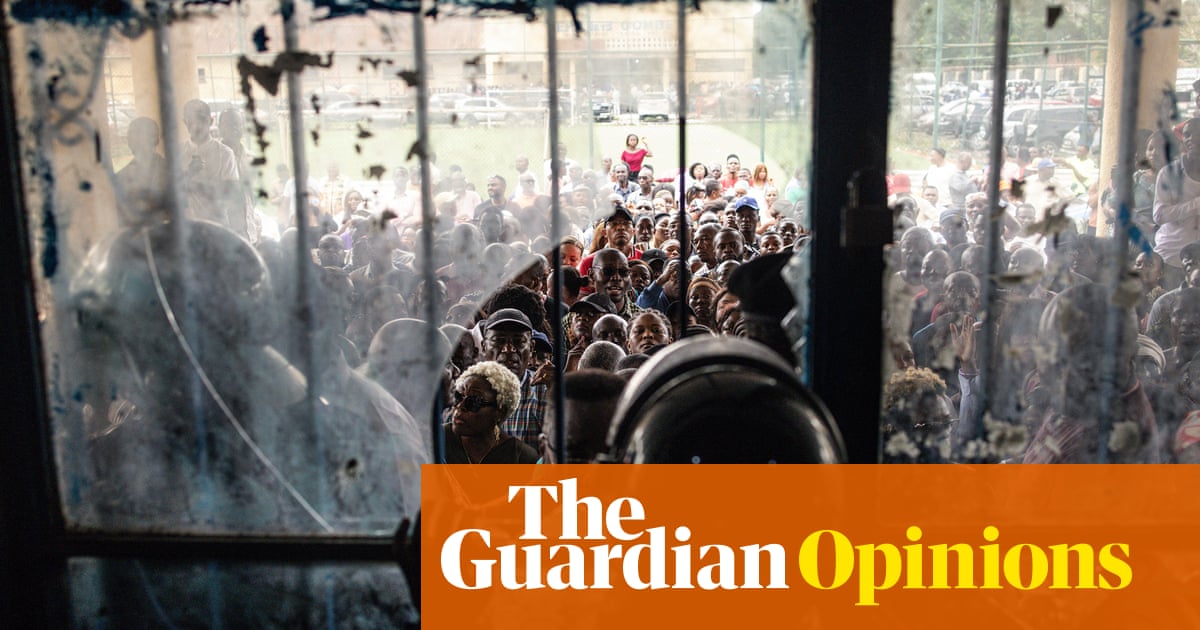
Félix Tshisekedi has been declared the winner of the DRC presidential election amid allegations of fraud and irregularities, with the West's support of his regime being scrutinized. Despite international financial aid, the Congolese population faces extreme poverty and a humanitarian crisis, with millions suffering from malnutrition and displacement. Tshisekedi's government is accused of suppressing dissent, manipulating the electoral system, and maintaining power through questionable appointments and military promotions. The legitimacy of the election results is disputed by opposition leaders and observers, highlighting the ongoing struggle for democracy and stability in the DRC.
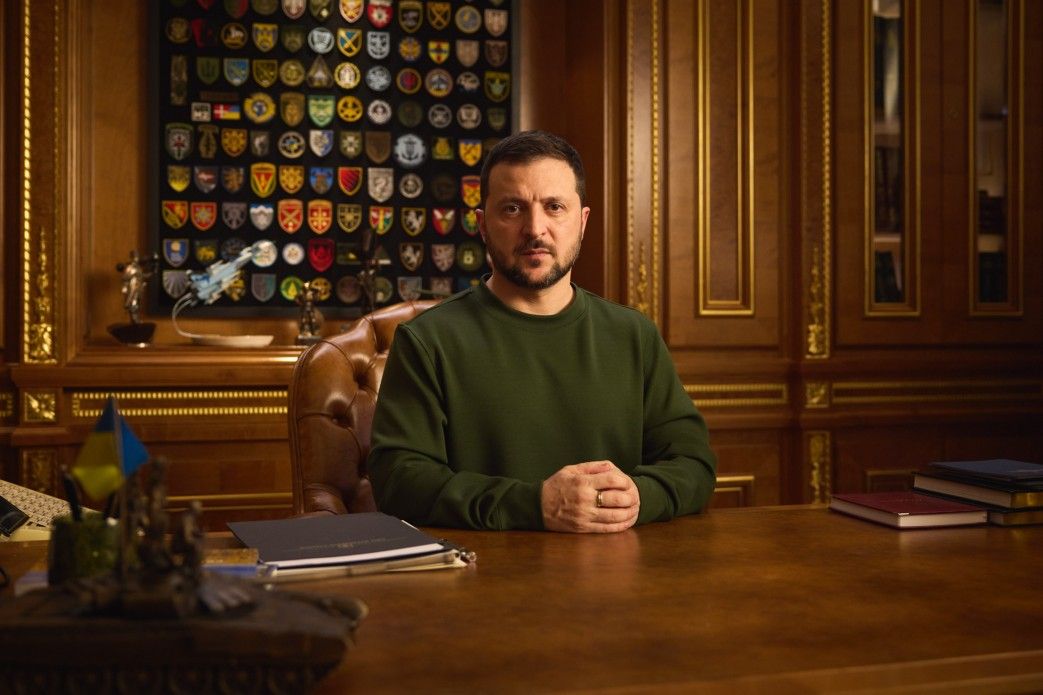
Ukrainian President Volodymyr Zelensky delivered a New Year's address, thanking the country's troops and civil society for their resilience and strength in the face of the Russian invasion. He highlighted Ukraine's achievements, including the support from international partners, the progress towards EU membership, and the country's determination to fight back. Zelensky honored the sacrifices made and expressed hope for victory and peace, while acknowledging the challenges faced in 2023, including Russia's continued attacks on civilian infrastructure.