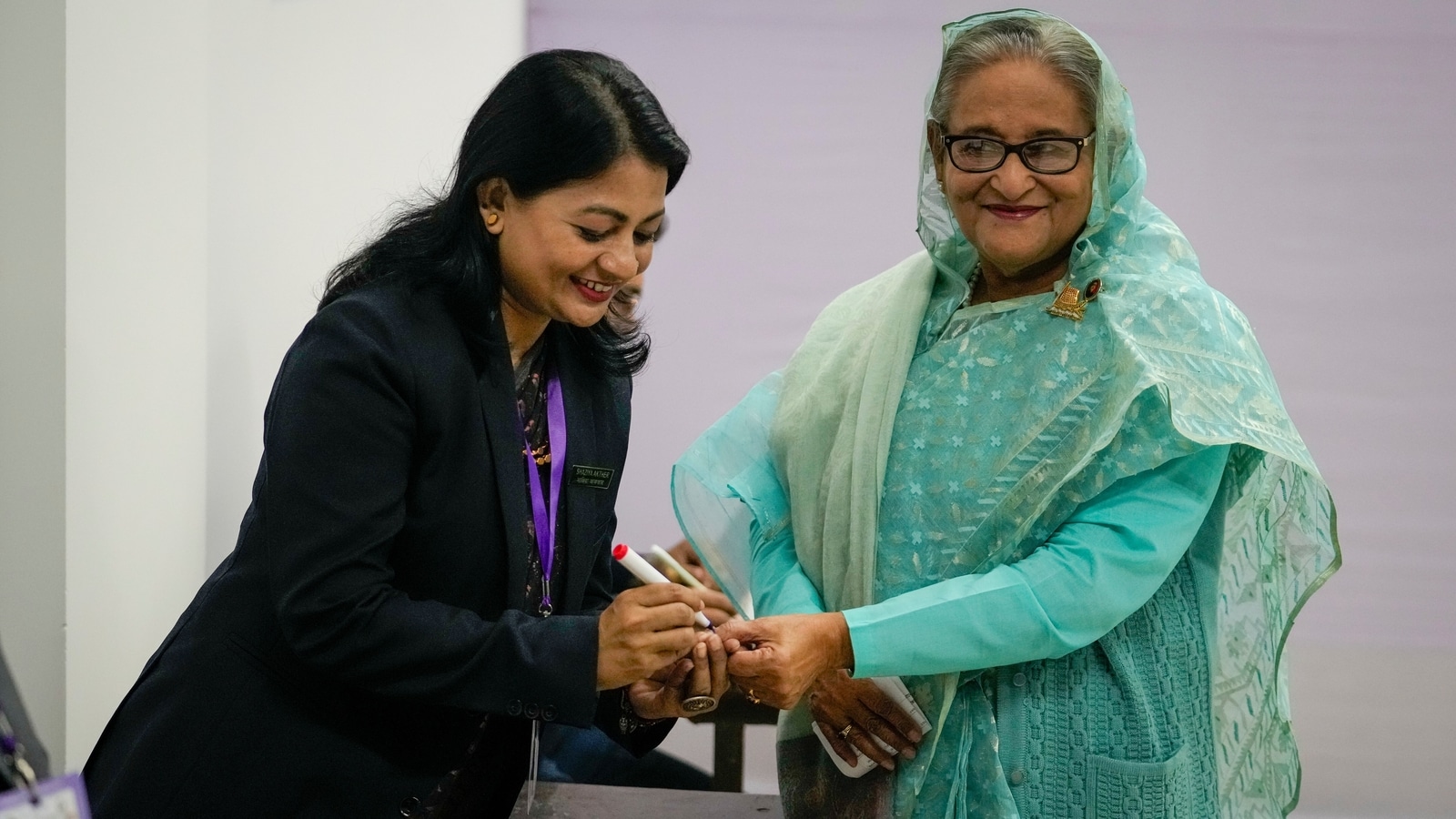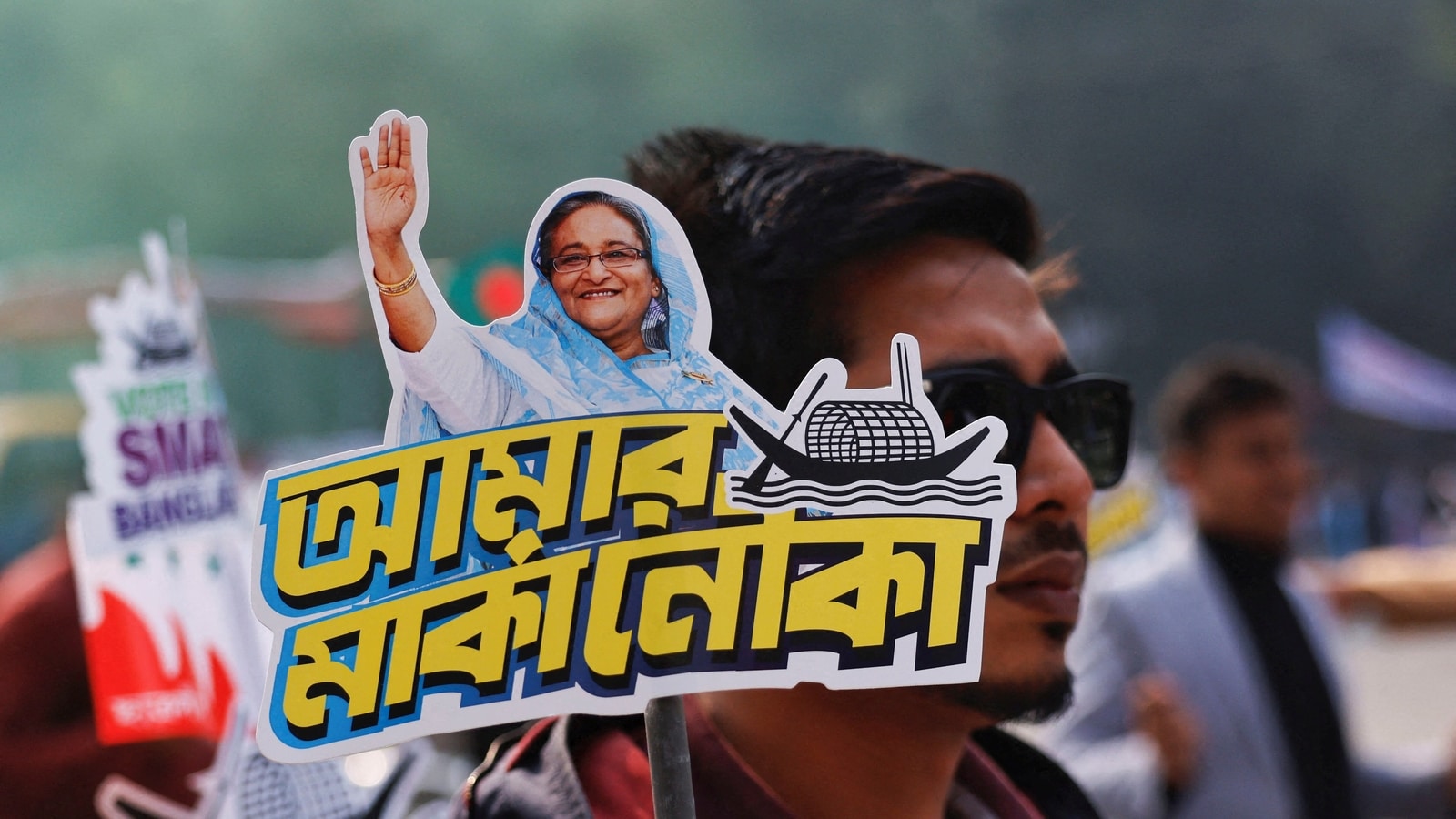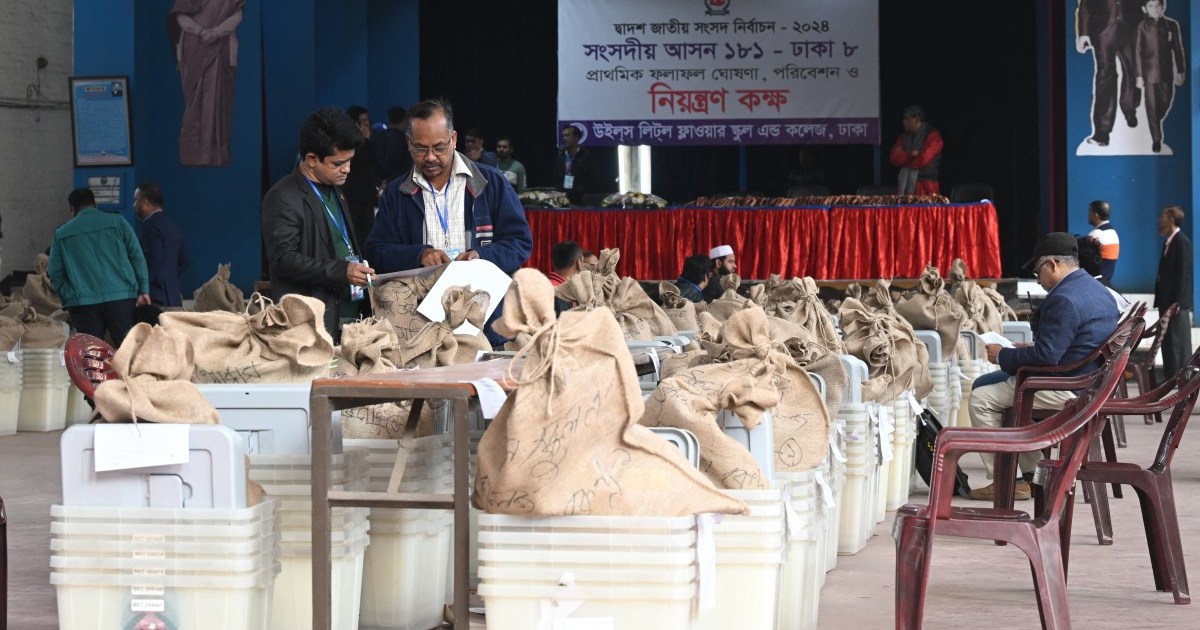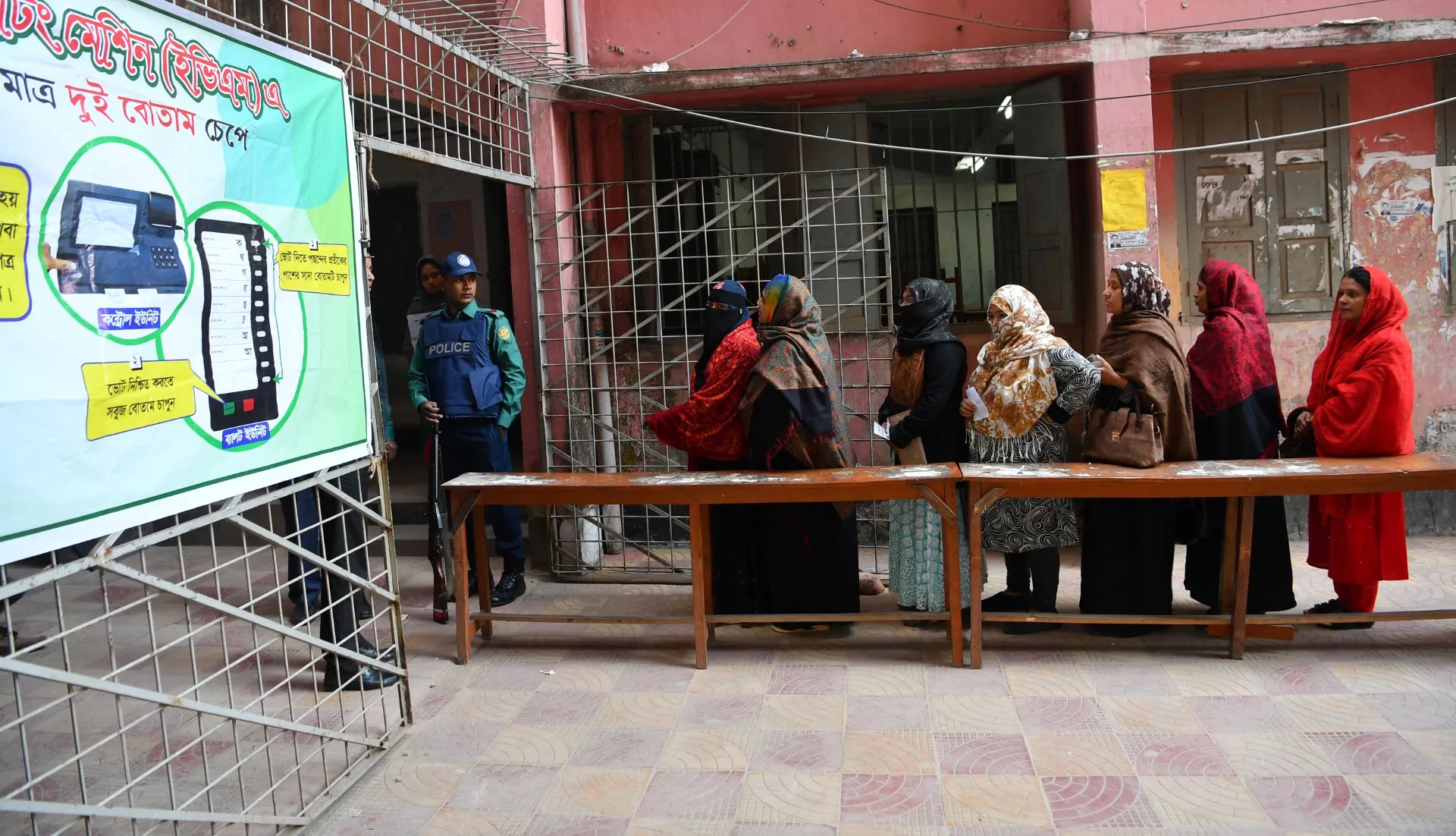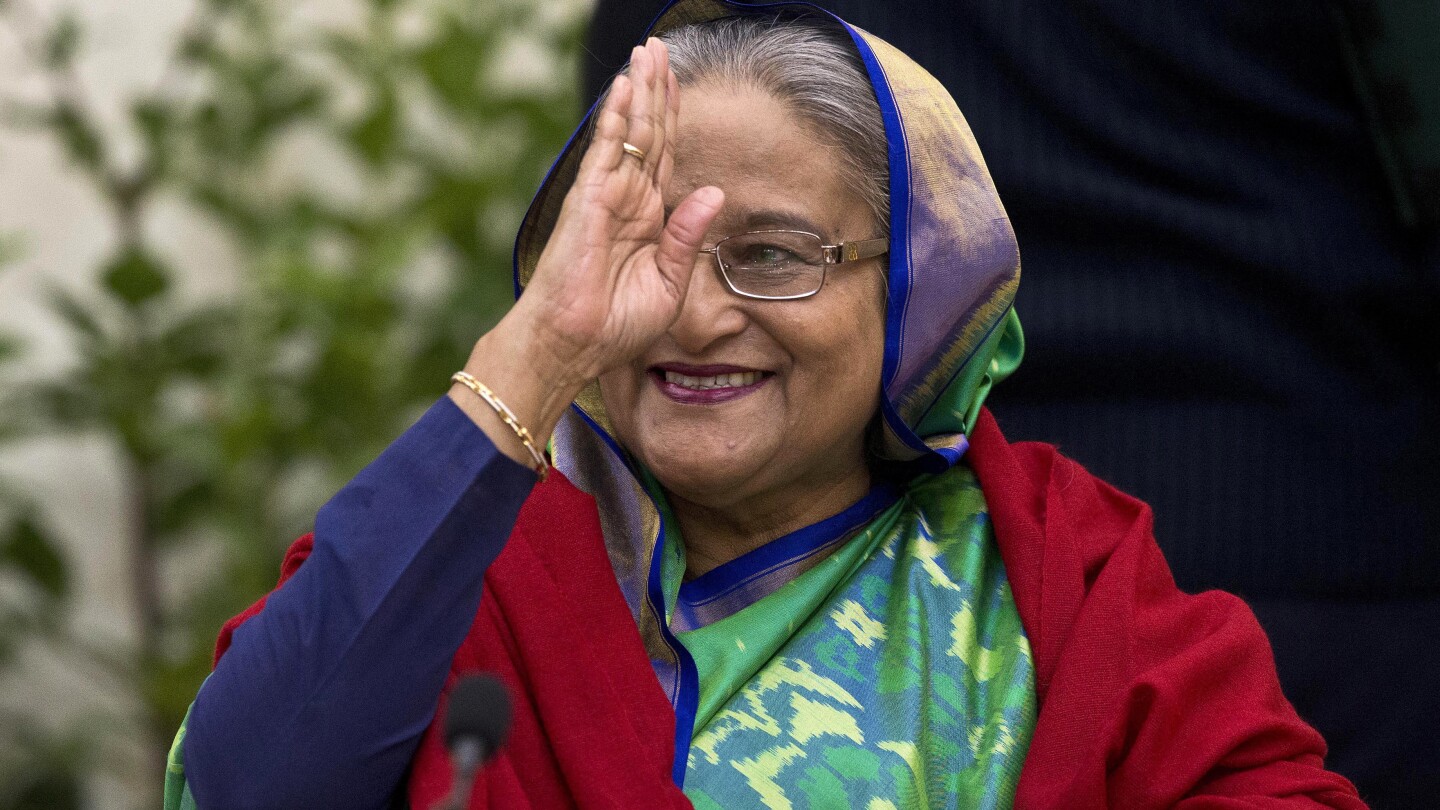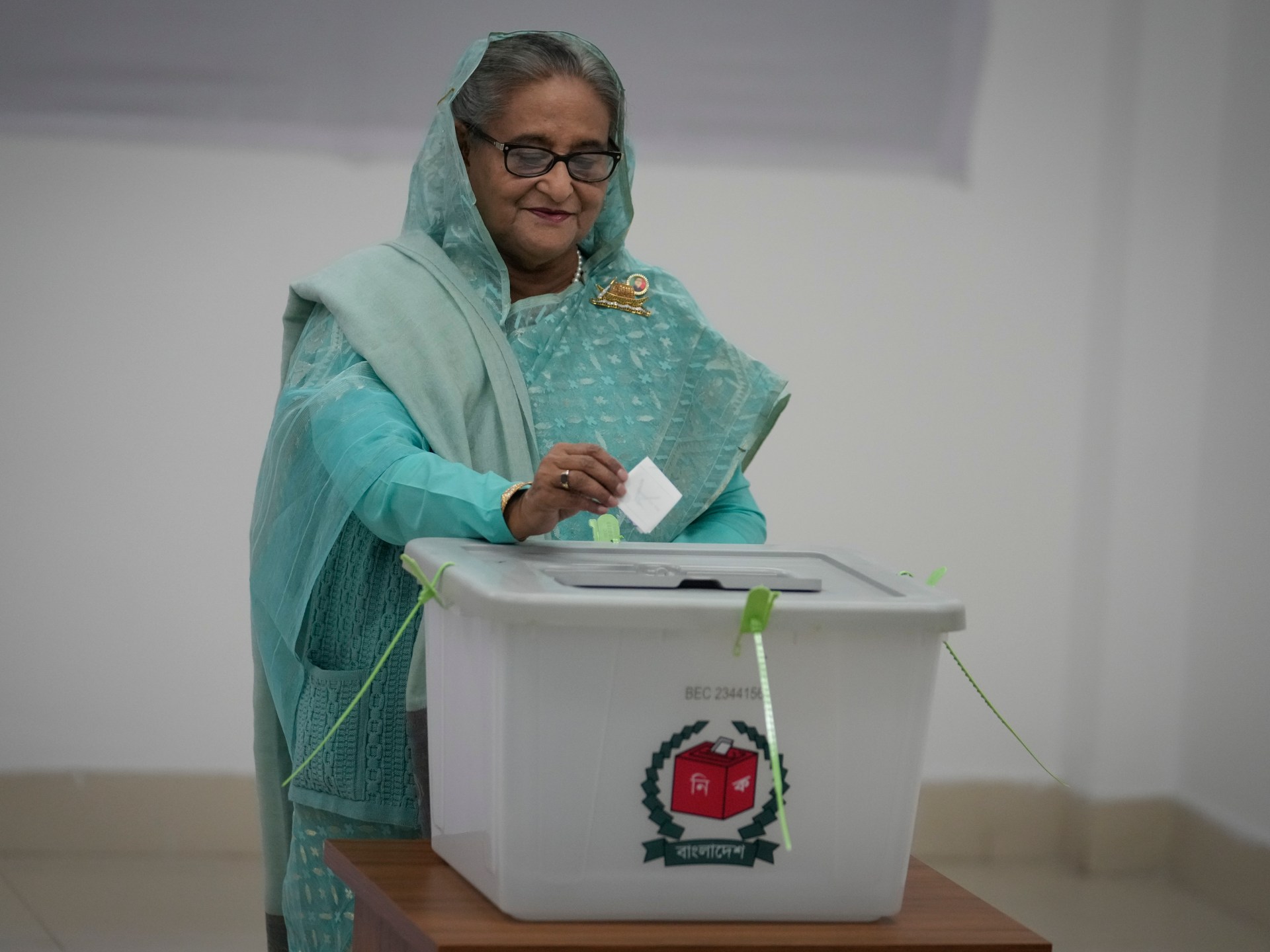
Bangladesh's recent elections, marked by a significant boycott from the opposition and low voter turnout, are set to extend Prime Minister Sheikh Hasina's rule amidst allegations of violence and vote manipulation. The opposition Bangladesh Nationalist Party (BNP), with many leaders jailed or in exile, labeled the elections a "sham" and called for a nationwide strike. Despite reports of inducements to vote and election-related violence, including deaths, the ruling Awami League is expected to maintain power, raising concerns about the state of democracy in Bangladesh. Results are anticipated as early as Monday morning, with the election commission reporting a turnout of just over 27% before polls closed.
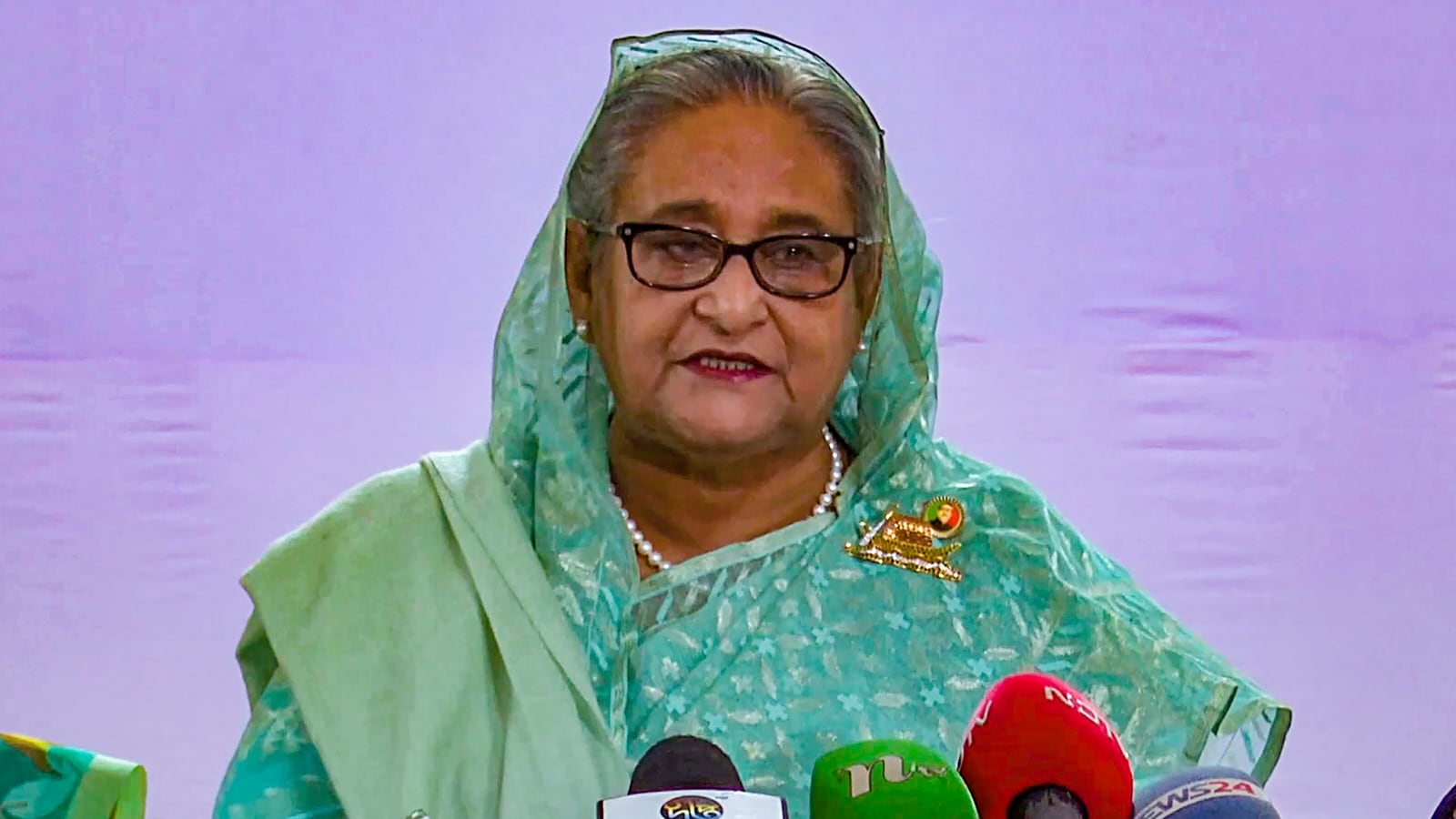
On the day of Bangladesh's general elections, Prime Minister Sheikh Hasina labeled the boycotting opposition party, the Bangladesh Nationalist Party (BNP), as a "terrorist organisation." She emphasized her commitment to democracy and development in the country. The BNP, led by former PM Khalida Zia, called for a nationwide strike and refused to participate in the elections, claiming they would not be free or fair. With the BNP's absence, Hasina is expected to secure a fourth consecutive term. Over 119 million voters are eligible to vote, with women and first-time voters representing significant portions of the electorate.
As Bangladesh holds its general elections, Prime Minister Sheikh Hasina, poised to win a fourth term, expressed gratitude to India for its support during the 1971 liberation war and for providing refuge to her family after the assassination of her family members in 1975. The legitimacy of the elections is under scrutiny as the main opposition party boycotted the vote, alleging authoritarian practices by Hasina's government. Despite controversies, including the jailing of opposition figures and social media videos pressuring voters, Hasina's achievements in economic growth and poverty reduction remain significant. Results are expected following the close of polls and ballot counting.
Bangladesh holds its general election with Prime Minister Sheikh Hasina seeking a fifth term amid a boycott by the main opposition party, the Bangladesh Nationalist Party (BNP). The election is overshadowed by violence and claims of authoritarianism against Hasina, with a two-day strike called by the BNP and incidents of arson leading to deaths. International calls for a free and fair election contrast with the BNP's allegations of "dummy" independent candidates and a move towards one-party rule. The election results are expected soon after voting ends, with a heavy security presence due to the unrest.
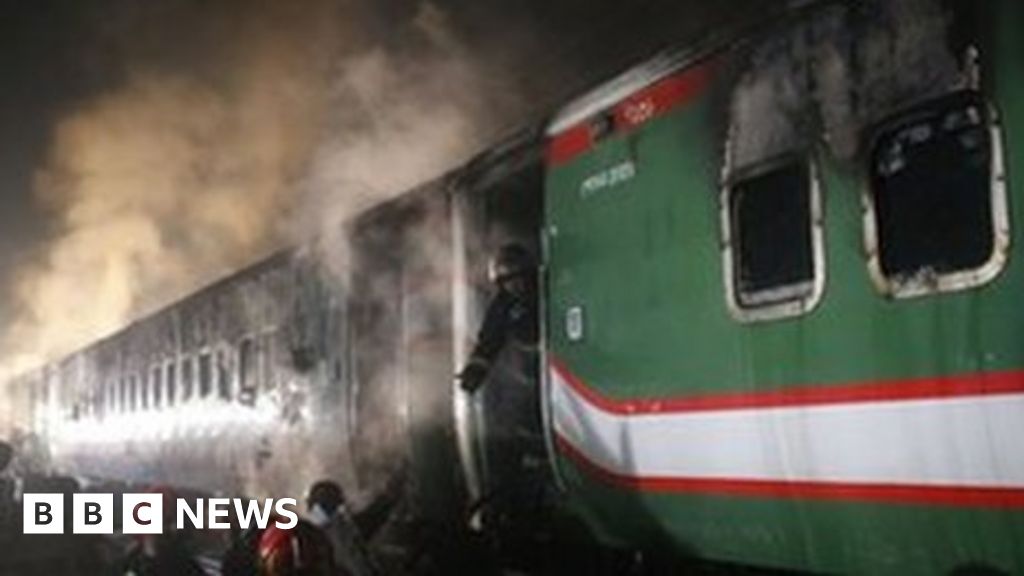
In Bangladesh, at least 14 polling stations were set ablaze a day before the national elections, amidst a series of violent incidents including a train fire that resulted in four deaths. The opposition, led by the Bangladesh Nationalist Party (BNP), is boycotting the election, alleging that the ruling Awami League is seeking to maintain power through a rigged process. The BNP has called for a nationwide strike, while the government accuses them of creating a climate of fear. The UN has expressed concern over the oppressive conditions surrounding the election.
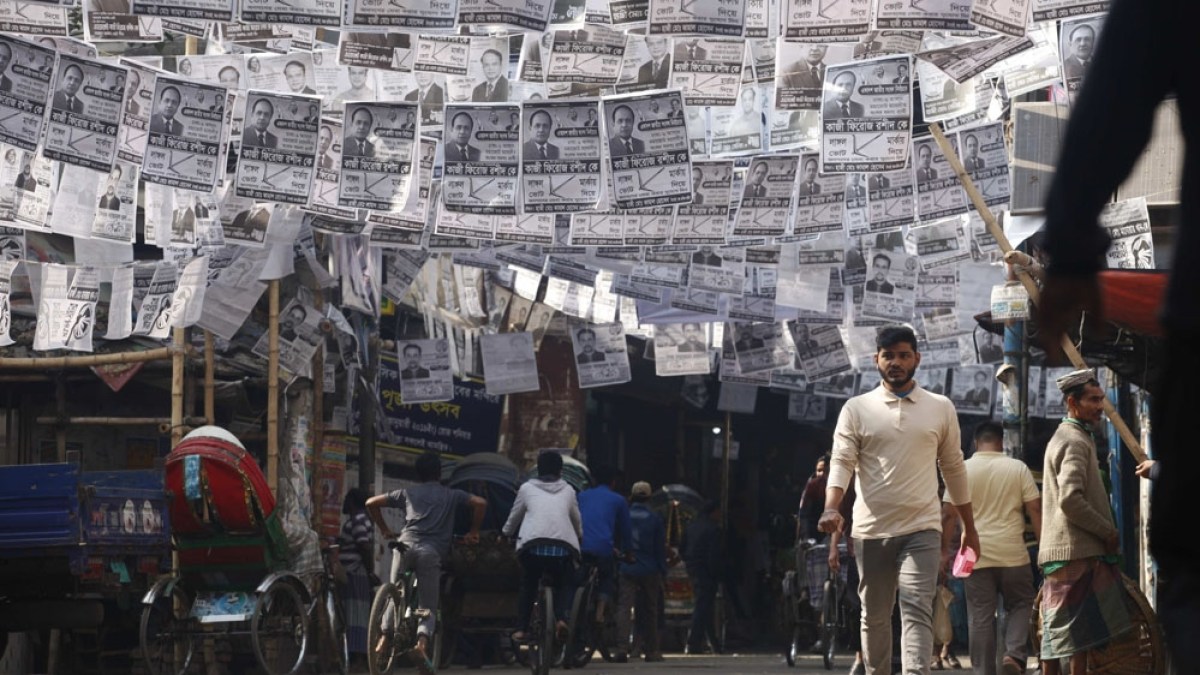
Bangladesh is set to conduct general elections with Prime Minister Sheikh Hasina expected to secure a fourth consecutive term, despite economic challenges and an opposition boycott led by the Bangladesh Nationalist Party (BNP). The BNP has accused the ruling Awami League of fielding "dummy" candidates to legitimize the election, while rights groups have raised concerns over the suppression of opposition activities. Security is heightened with a substantial deployment of forces, and international observers are present to monitor the election's integrity. The elections come amid economic turmoil and allegations of government targeting of opposition figures.
In Bangladesh, several polling stations were set ablaze by arsonists ahead of the general elections, amidst a 48-hour strike called by the main opposition party, the Bangladesh Nationalist Party (BNP), which is boycotting the vote. The government has been accused of not ensuring fair elections, while the opposition faces allegations of orchestrating a deadly train fire. Prime Minister Sheikh Hasina is expected to win a fourth term in what has been criticized as a one-sided election. Security has been increased around polling stations in response to the unrest.
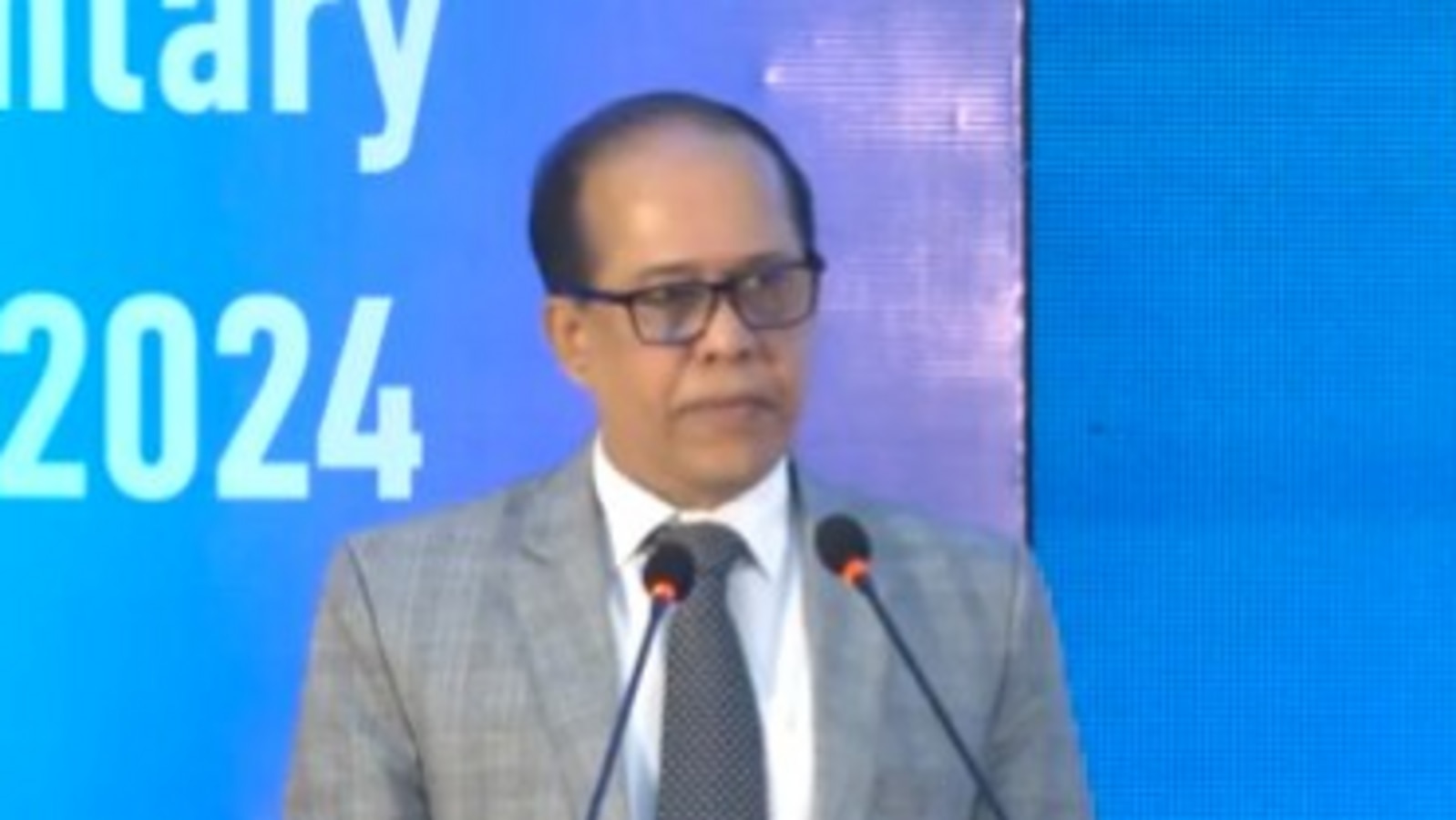
Bangladesh is preparing for its 12th Parliamentary elections, with Chief Election Commissioner Kazi Habibul Awal emphasizing the desire for international observation to ensure credibility. The elections are scheduled for January 7, with over 100 foreign observers present, including three from India. Despite the boycott by the opposition Bangladesh Nationalist Party (BNP), 27 political parties are participating. The ruling Awami League, led by Prime Minister Sheikh Hasina, is anticipated to win for the fourth consecutive term. The BNP has called for a 48-hour strike around the election period, citing unfair conditions, while the government has deployed the Army to maintain order.
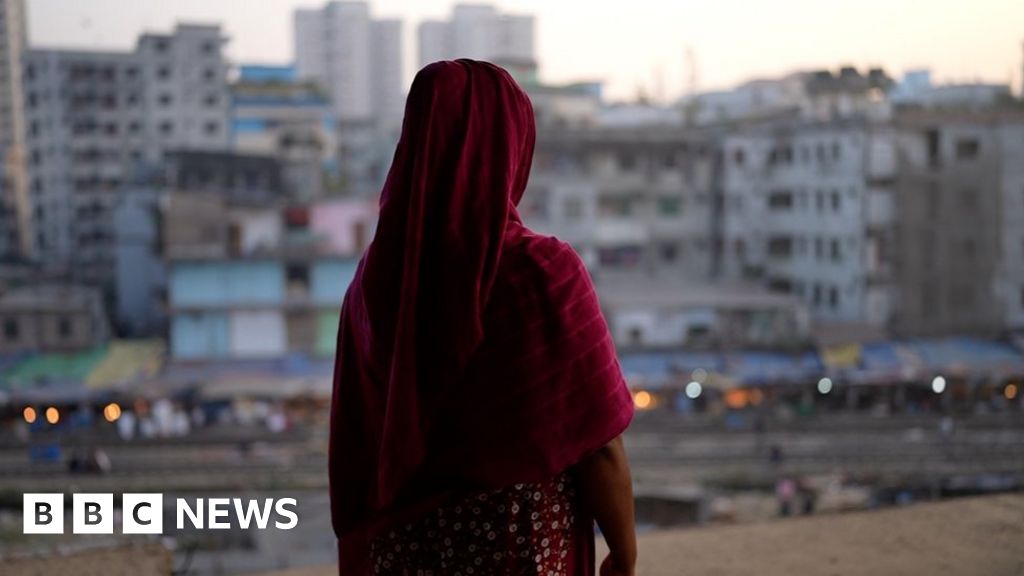
In Bangladesh, ahead of the elections, a widow recounts her husband's death in jail, alleging he was tortured due to his involvement with the opposition party BNP. Human rights organizations report a rise in abuses under Prime Minister Sheikh Hasina's government, with the BNP boycotting the elections due to a crackdown on dissent. The government denies silencing critics, but with thousands of BNP supporters detained, the legitimacy of the elections is under scrutiny.
Bangladesh is preparing for its 12th general election amidst a history of controversial polls, boycotts, and violence. Since its independence in 1971, only four elections have been deemed free and fair. The opposition Bangladesh National Party (BNP) is boycotting the upcoming election, citing the government's refusal to establish a neutral caretaker government to oversee the polls. The European Union has declined to send a full observer team due to concerns over the election's conduct, and the military has been deployed to maintain order. Prime Minister Sheikh Hasina's Awami League is expected to win, which would mark her fifth term in office, amid widespread allegations of vote tampering and political manipulation.
Prime Minister Sheikh Hasina, once a champion of democracy in Bangladesh, is facing criticism for allegedly undermining the very system she fought for as she seeks her fourth consecutive term in office. The Bangladesh Nationalist Party is boycotting the upcoming election, citing concerns over fairness, which virtually guarantees Hasina's victory. While her tenure has seen significant economic and infrastructure development, accusations of vote-rigging, suppression of dissent, and human rights violations have marred her government's reputation. The international community, including the United States, has expressed concerns over the electoral process and human rights in Bangladesh.