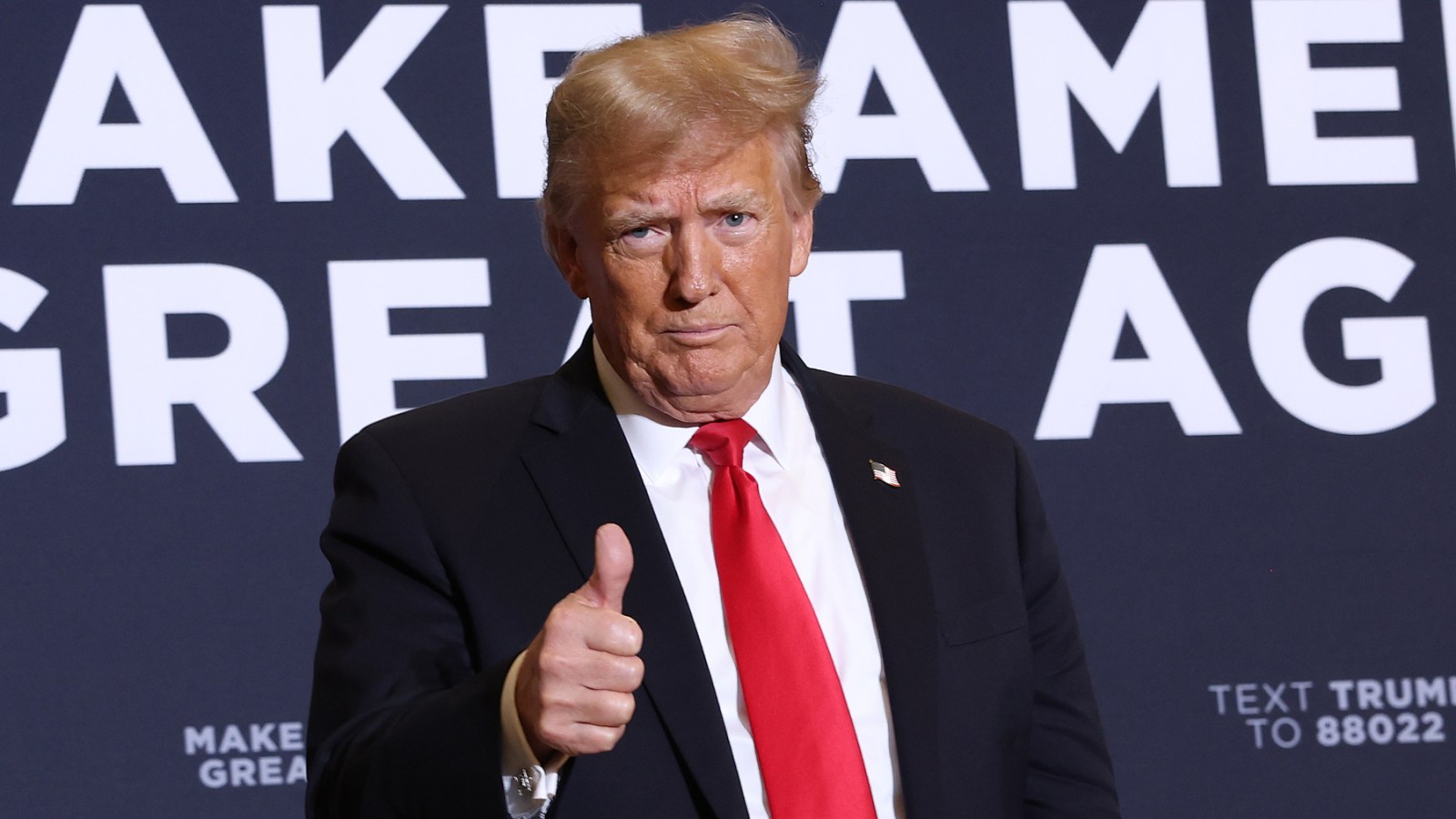
In North Carolina, Trump supporters express readiness for potential unrest if the 2024 election results are not in Trump's favor, fueled by beliefs of a stolen 2020 election and fears of repeat fraud. At a rally, Trump has been intensifying rhetoric, claiming a lead in polls and alleging Democratic voter fraud, while supporters echo these sentiments, dismissing the January 6 insurrection as a setup. The atmosphere is tense, with some fearing violence if Trump loses.
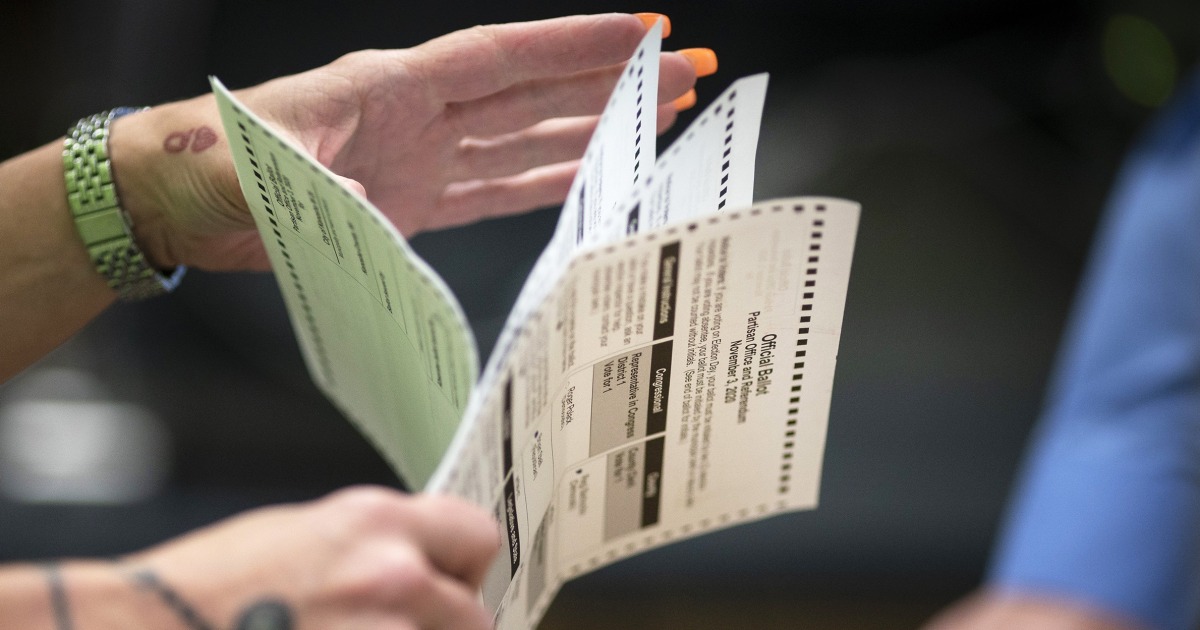
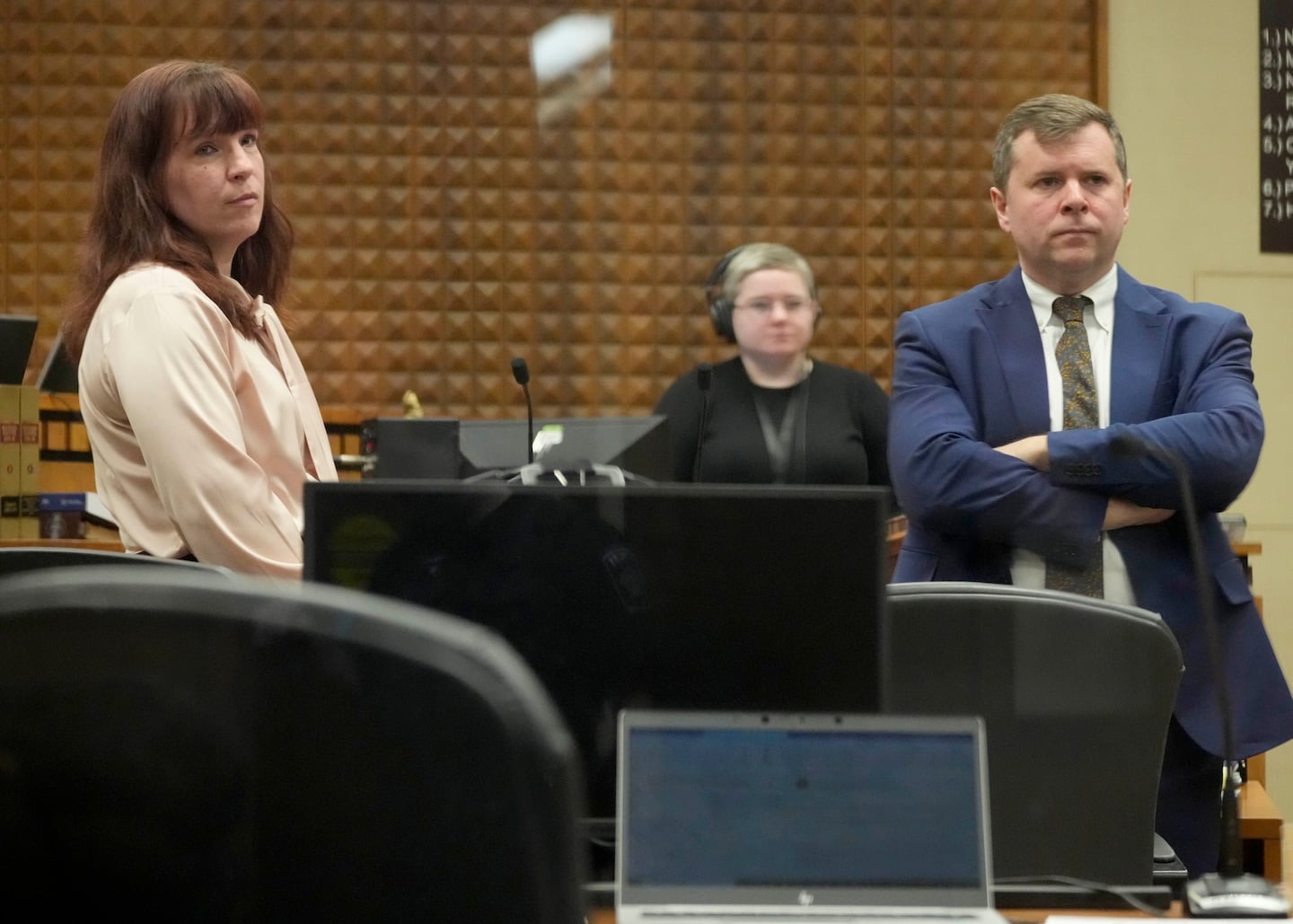
A former Milwaukee election official, Kimberly Zapata, was found guilty of misconduct in office and fraud for obtaining fake absentee ballots, claiming she was trying to expose vulnerabilities in the state’s election system. She faces up to five years in prison and will be sentenced on May 2. Zapata used her work-issued laptop to obtain three military absentee ballots using fake names and Social Security numbers, sending them to a Republican state representative who has advocated for election conspiracy theories. The case reflects ongoing concerns about election integrity in Wisconsin, with another individual facing similar charges for attempting to expose vulnerabilities in the state’s election system.
Kimberly Zapata, a former Milwaukee election official, was convicted of absentee ballot fraud and misconduct in office after generating three ballots under fictitious military members' names and sending them to a leading election denier in the state legislature. Zapata claimed she did it to highlight a vulnerability in Wisconsin's voting system amid frustration with false election claims and threats. The incident occurred in the aftermath of baseless election conspiracy theories and concerns about the state's online absentee ballot request system.
Michigan lawyer Stefanie Lambert, representing former Overstock CEO Patrick Byrne, was arrested after defending her dissemination of internal documents from Dominion Voting Systems in an attempt to revive debunked claims about the 2020 election. Lambert faces a bench warrant in Michigan for allegedly participating in a conspiracy to tamper with voting machines. Dominion is suing Byrne for defamation over related falsehoods. Lambert's actions have led to threats against Dominion employees, and she is facing criminal trial next month.
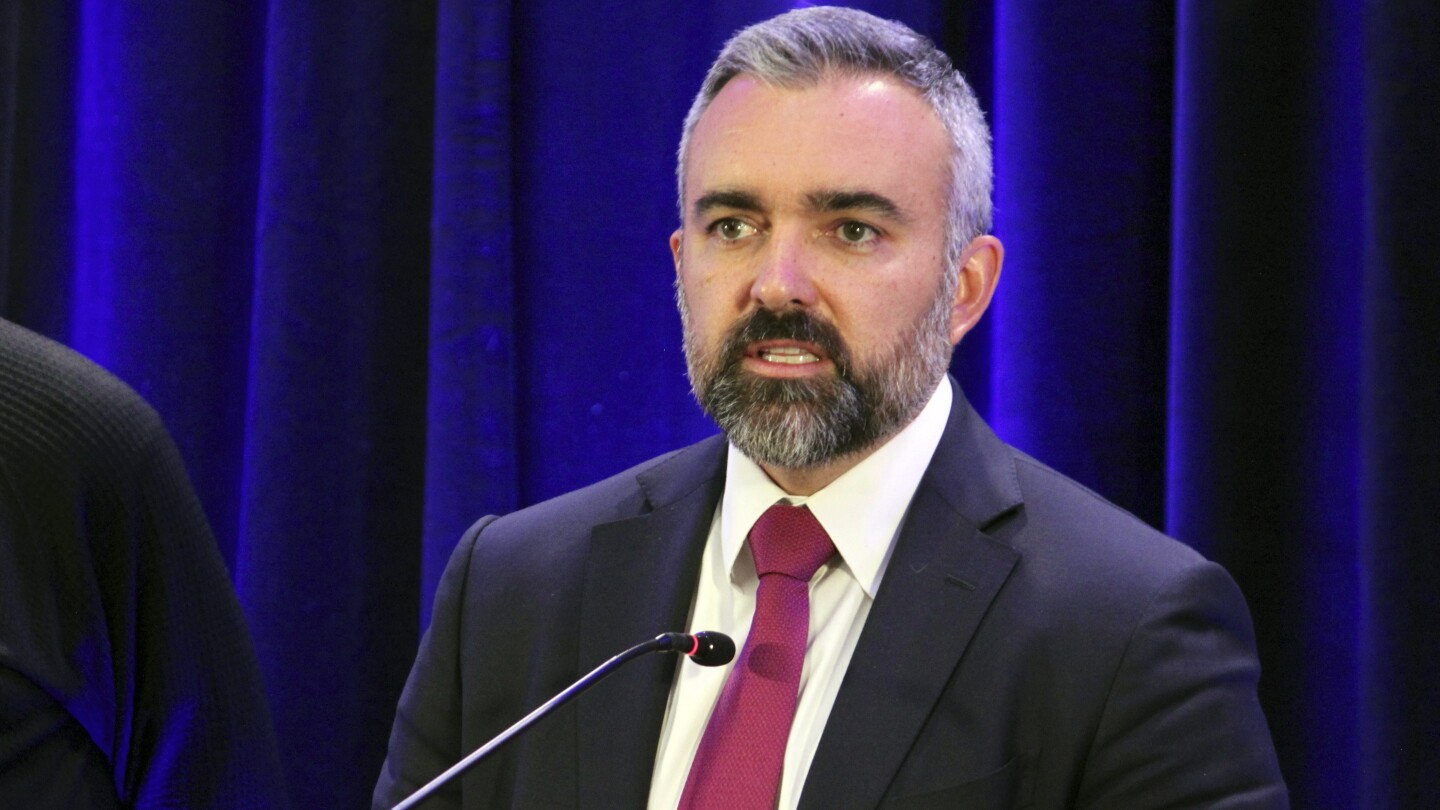
New Mexico Attorney General Raúl Torrez stated that under current law, the state's Republican electors who submitted false election certificates in 2020 cannot be prosecuted. However, he is recommending legislative changes to prevent and penalize such actions in the future. This comes amidst broader investigations and indictments in other states where GOP electors have faced charges for similar actions. Torrez's proposals aim to enhance electoral security, but GOP critics argue that these efforts are unnecessary political maneuvers.
Former President Donald Trump's campaign has distributed mailers accusing Florida Governor Ron DeSantis and his wife of attempting to rig the Iowa Caucuses, scheduled for January 15. The accusation follows comments by Casey DeSantis, who misspoke about non-residents participating in the caucuses, though she later clarified her statement to mean volunteering, not voting. This incident echoes past controversies in the Iowa Caucuses, including Ted Cruz's contentious mailers in 2016, which Trump also criticized after losing to Cruz. Trump's history of alleging election fraud continues as he targets potential 2024 presidential rival DeSantis.
Recent polls reveal a significant portion of Republican voters and Trump supporters harbor beliefs that the FBI orchestrated the January 6 Capitol attack, with a third of GOP voters suspecting FBI involvement. Concurrently, two-thirds of Trump supporters doubt the legitimacy of President Biden's election victory. These beliefs persist despite numerous court rejections of election fraud claims and the FBI's dismissal of the conspiracy theories. As President Biden gears up for his first 2024 campaign speech with a focus on democracy, former President Trump continues to promise pardons for January 6 defendants and to criticize Biden's administration on various issues. The contrasting views set the stage for a potential heated rematch in the upcoming presidential election.
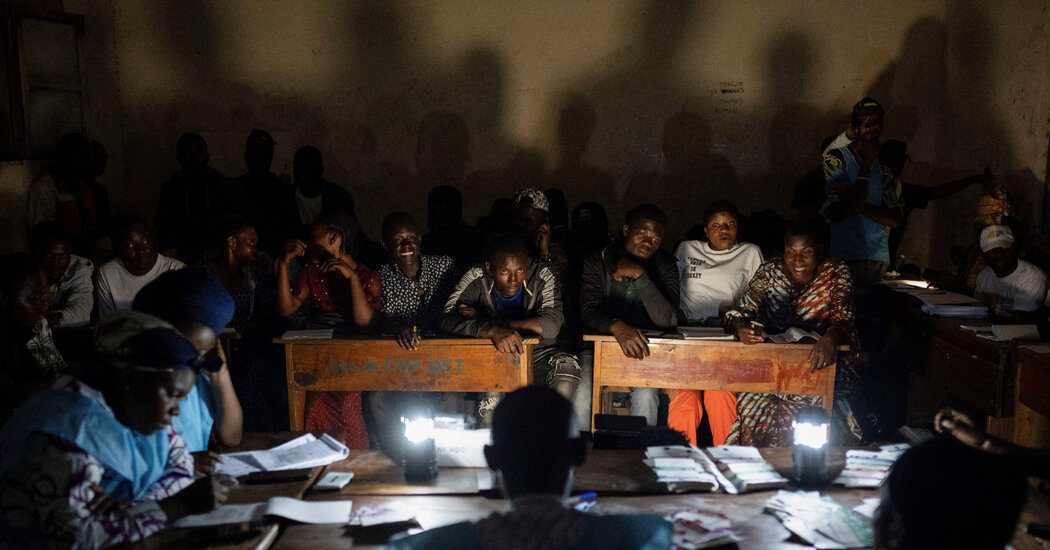
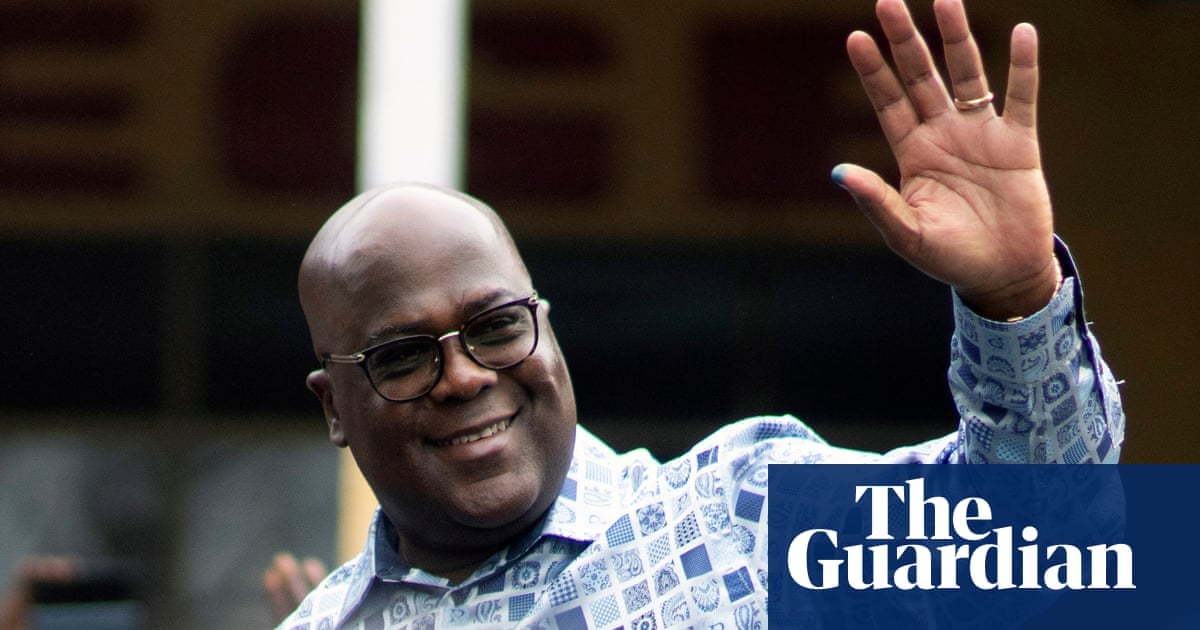
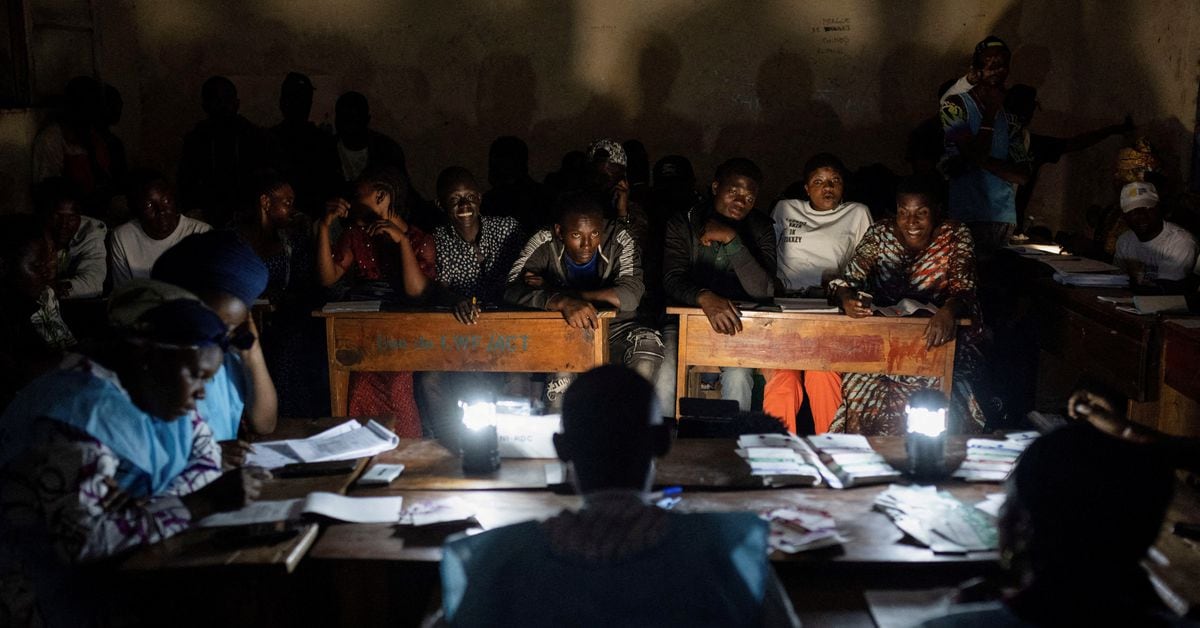
Félix Tshisekedi has been declared the winner of the DRC presidential election amid allegations of fraud and irregularities, with the West's support of his regime being scrutinized. Despite international financial aid, the Congolese population faces extreme poverty and a humanitarian crisis, with millions suffering from malnutrition and displacement. Tshisekedi's government is accused of suppressing dissent, manipulating the electoral system, and maintaining power through questionable appointments and military promotions. The legitimacy of the election results is disputed by opposition leaders and observers, highlighting the ongoing struggle for democracy and stability in the DRC.
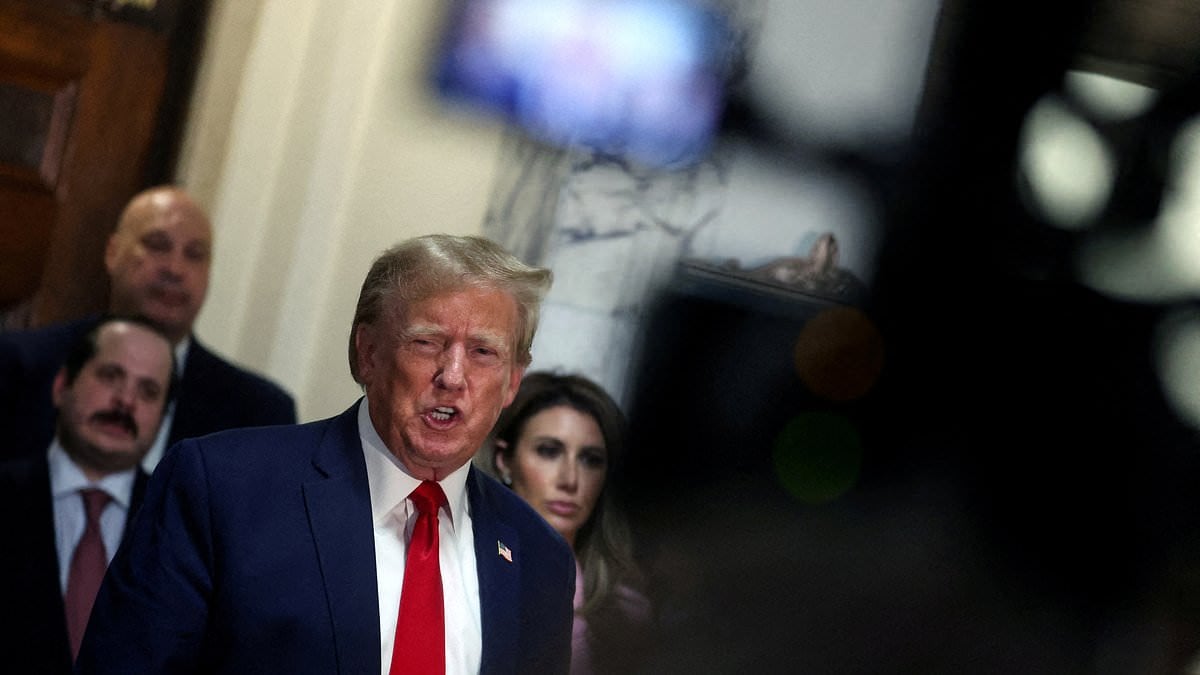
Donald Trump has accused President Joe Biden of allowing illegal migrants into the U.S. to boost Democratic votes for the 2024 election. Trump's New Year's message included claims of Biden's group attempting to "rig elections" through various means. Despite federal law prohibiting non-citizens from voting, Trump continues to allege electoral fraud, similar to his claims following the 2020 election. These accusations come amidst ongoing legal challenges against Trump, including racketeering charges in Georgia and a trial in Washington D.C. over election interference. The issue of border security is a focal point in early Republican campaigns, with Texas sending migrants to New York City in defiance of an executive order, highlighting Biden's poor polling on immigration issues.
President Felix Tshisekedi has been declared the winner of the Democratic Republic of Congo's presidential election, amidst accusations of fraud and significant logistical issues. The election, critical for a country rich in natural resources vital for green energy, saw only 18 million of 44 million registered voters cast their ballots. Opposition leaders, including Moïse Katumbi, have denounced the results and promised further protests, while the election commission insists the process was legitimate despite the challenges. The provisional results are pending confirmation by the Constitutional Court.
Felix Tshisekedi has been re-elected as the president of the Democratic Republic of the Congo amid allegations of election fraud by opposition candidates. The election commission announced Tshisekedi's victory with 73.34% of the vote, but opposition leaders have rejected the results, calling the elections a sham and urging supporters to protest. They demand new elections with a revised electoral body, while the government has dismissed the idea of a rerun.
Opposition presidential candidates in the Democratic Republic of Congo are calling for street protests and a rerun of the December 20 presidential election, citing widespread irregularities and alleged fraud. The government and the electoral commission (CENI) have rejected these allegations. Despite a commanding lead for President Felix Tshisekedi in the provisional results, the opposition, including candidate Moise Katumbi, refuses to accept the outcome and is not planning to challenge the results legally due to concerns over the independence of state institutions. Instead, they are urging supporters to protest after the full provisional results are announced.
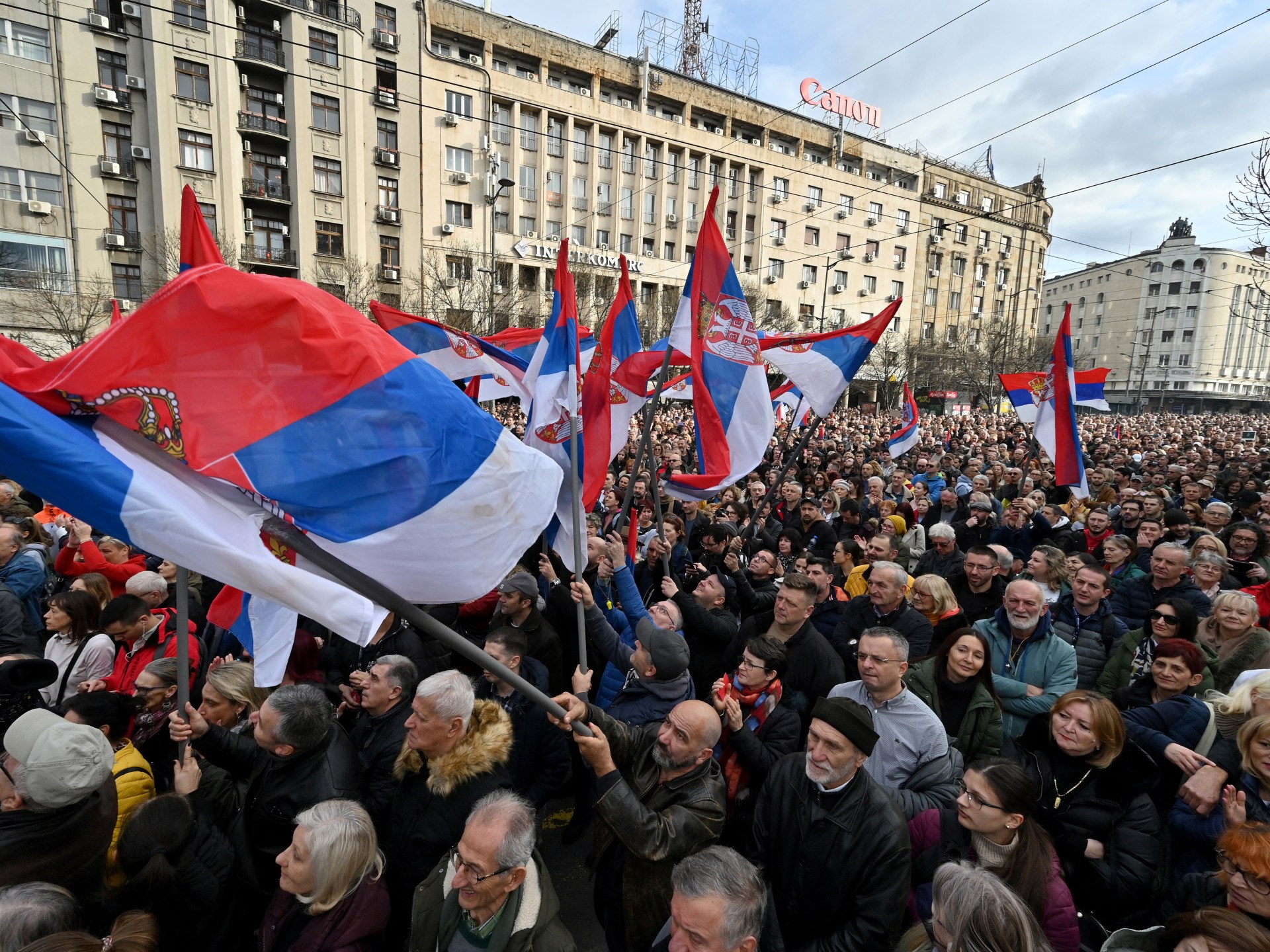
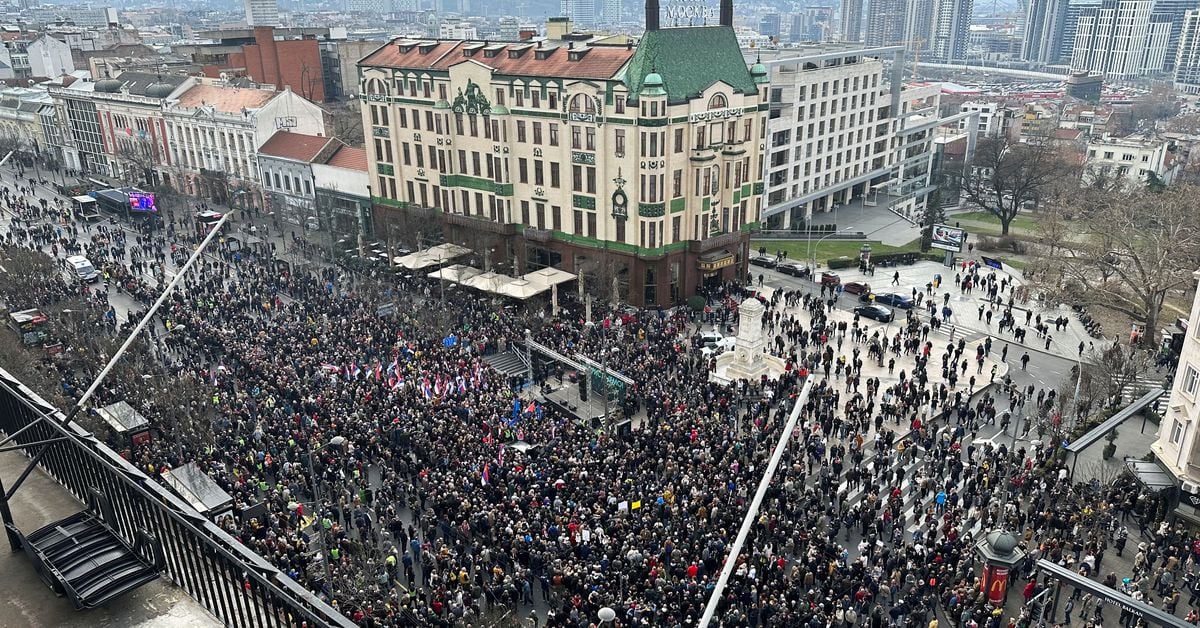
Thousands of protesters have taken to the streets in Belgrade, Serbia, accusing President Aleksandar Vucic and his ruling party of election fraud following the December 17 parliamentary and municipal elections. The opposition, led by the Serbia Against Violence alliance, is demanding the annulment of the election results, citing widespread irregularities. Opposition leader Marinika Tepic, who has been on a hunger strike, addressed the crowd, and international observers have noted multiple instances of vote-buying and ballot box stuffing. The ruling party has denied these allegations, while the opposition seeks international scrutiny and a fair rerun of the elections.
In Belgrade, Serbia, thousands of protesters led by the opposition movement Serbia Against Violence have demanded the annulment of the December 17 parliamentary and municipal election results, citing major election law violations. The ruling party, SNS, won with 46.72% of the votes amidst accusations of vote fraud, media bias, and voting irregularities. The opposition, which came in second, has been staging daily protests since the election, with the largest gathering occurring on December 30, supported by students and public figures.