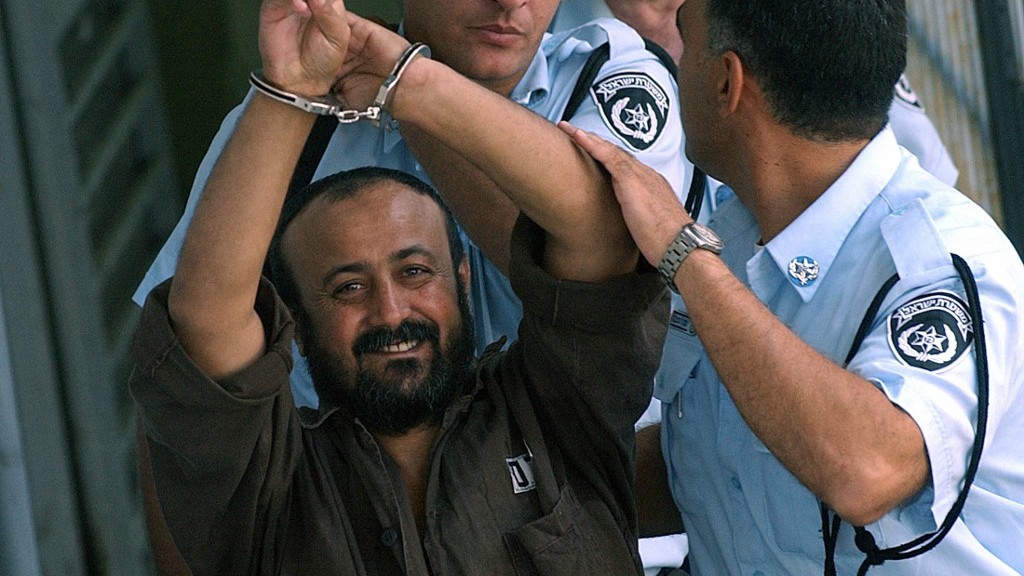
Marwan Barghouti, a key Palestinian figure, was secretly removed from Israel's prisoner exchange list at the last minute, jeopardizing the Gaza ceasefire deal, amid political tensions and negotiations involving Israel, Hamas, and regional actors.
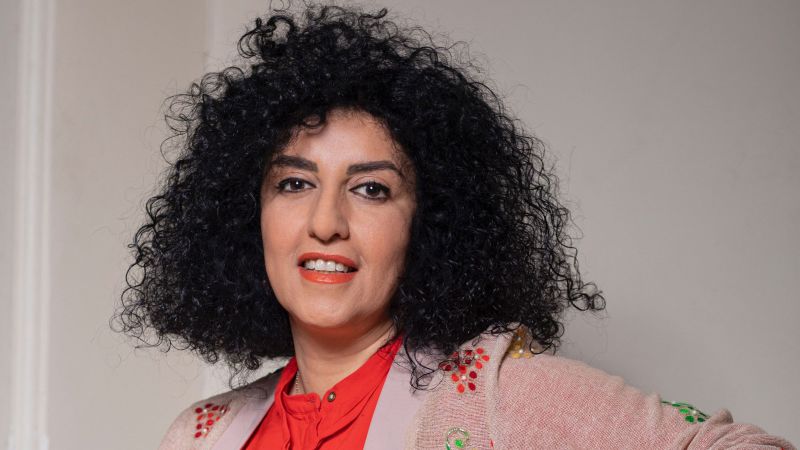
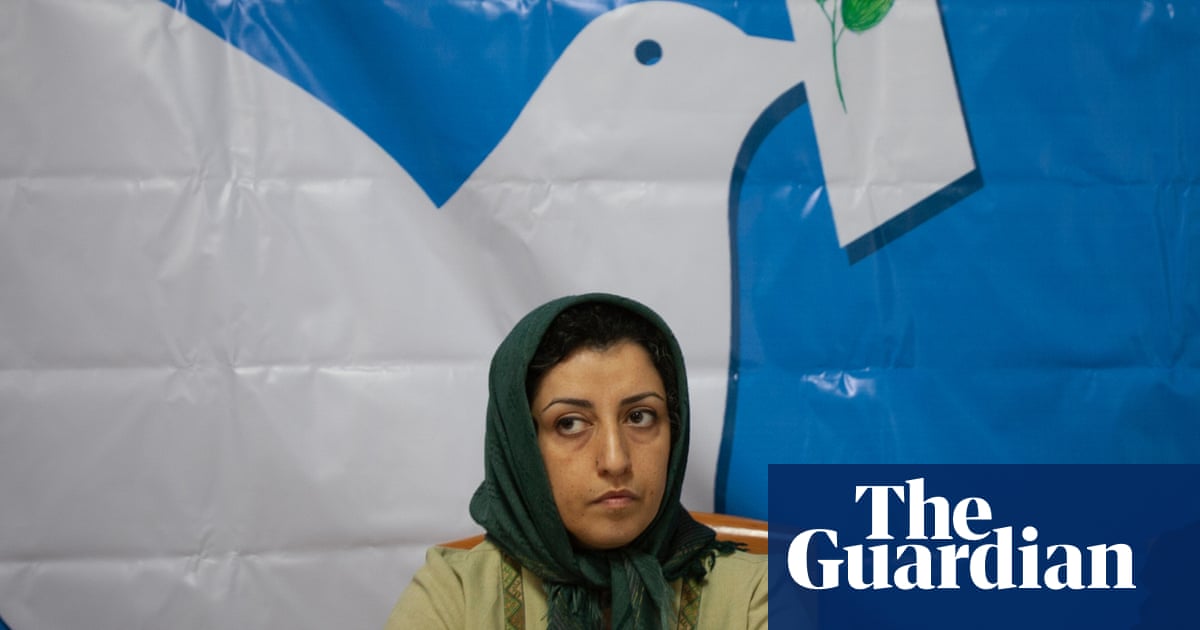
Iranian authorities have temporarily released Nobel Peace Prize laureate Narges Mohammadi from prison for 21 days to recover from surgery for suspected cancer, a decision criticized by her family as insufficient. Mohammadi, a prominent human rights activist, has been imprisoned for over a decade, accused of acting against national security. Her family and supporters argue she is a political prisoner targeted for her advocacy for women's rights and democracy. The temporary release is a suspension of her sentence, not a medical furlough, meaning she will serve additional time upon return.
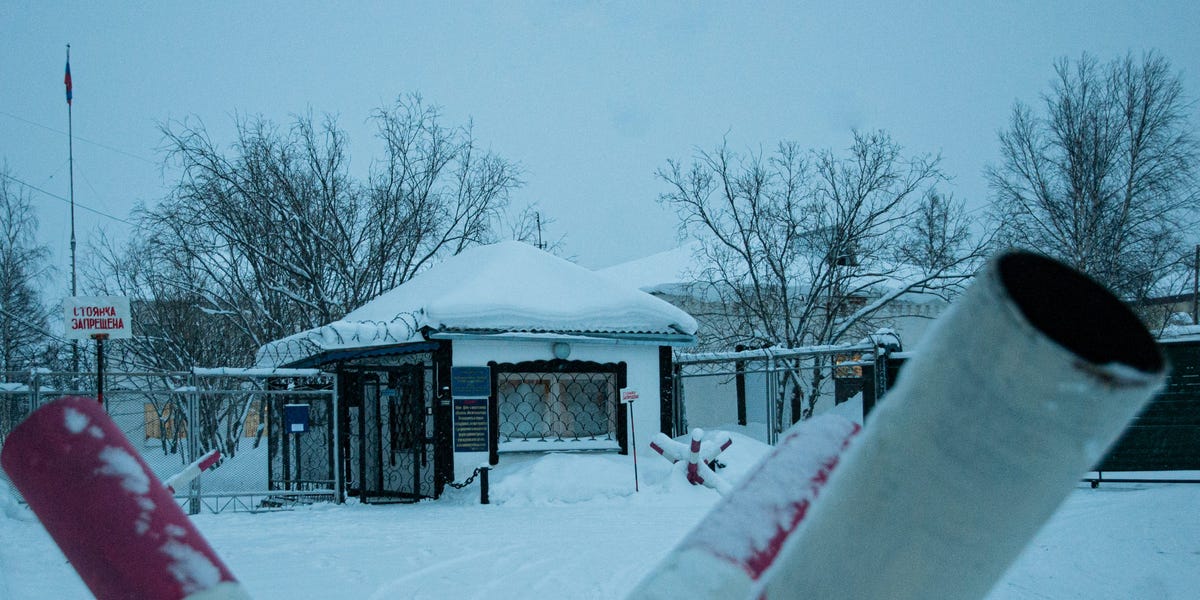
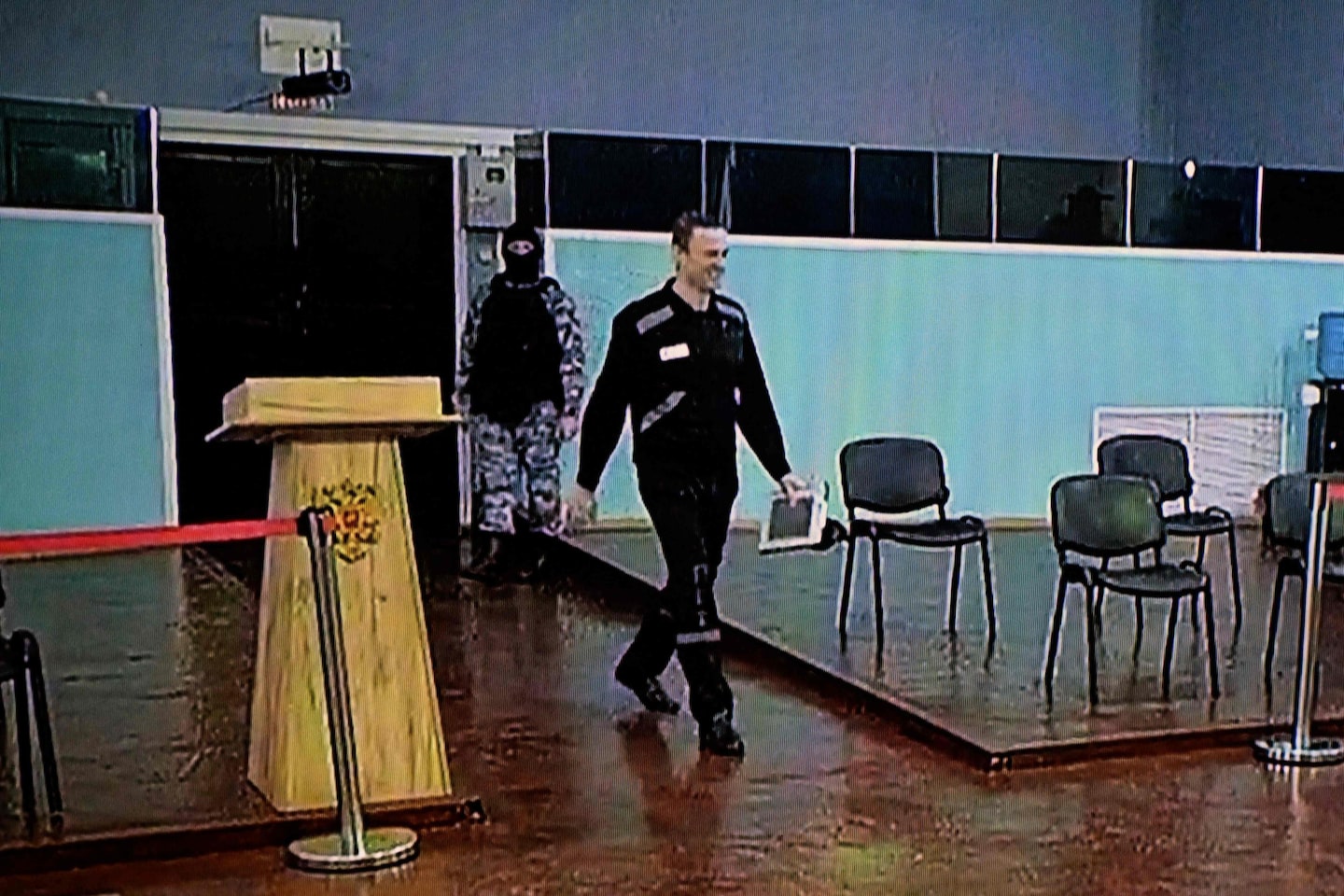
Russian opposition politician Alexey Navalny spent his final days in a harsh prison colony in the Russian Arctic, where he faced brutal living conditions. Navalny, a prominent critic of Russian leader Vladimir Putin, was sentenced to almost three years in prison in February 2021, with his sentence later extended. He died in prison, with the cause of death yet to be established. The prison, known as IK-3 or Polar Wolf, is notorious for its austere conditions and collective punishment culture. President Joe Biden and NATO secretary-general Jens Stoltenberg have both blamed the Russian government for Navalny's death.
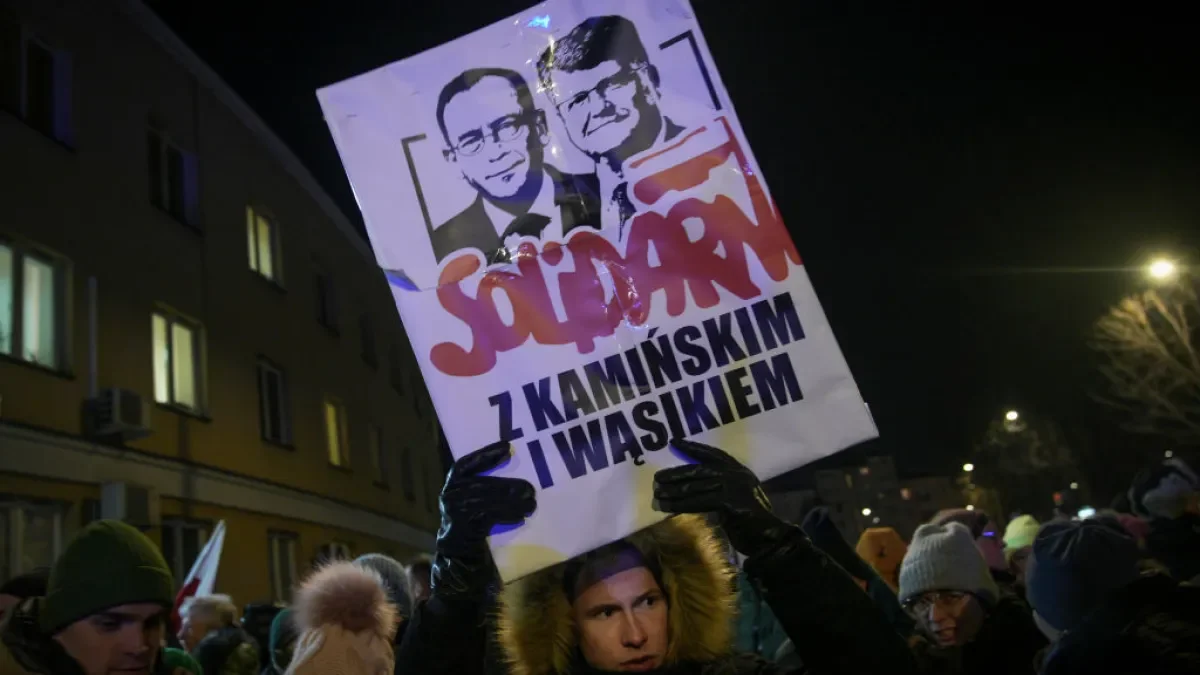
Former Polish Interior Minister Mariusz Kaminski has begun a hunger strike after being arrested on abuse of power charges, declaring himself a "political prisoner" in a move that deepens the power struggle between the new Prime Minister Donald Tusk and President Andrzej Duda, who is closely aligned with the nationalist Law and Justice (PiS) party. The arrests have sparked protests and promises of legal action from Duda, while Tusk aims to undo the policies of his predecessors and reposition Poland as a leader in the European Union.
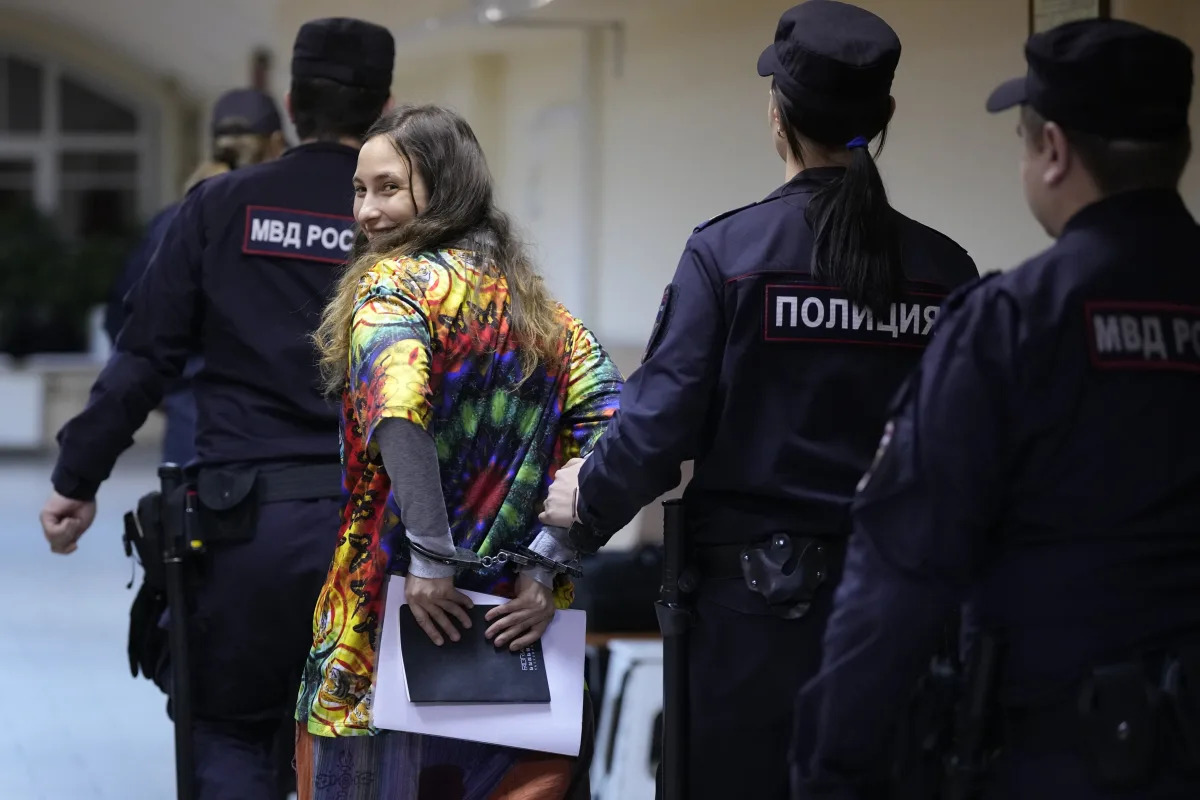
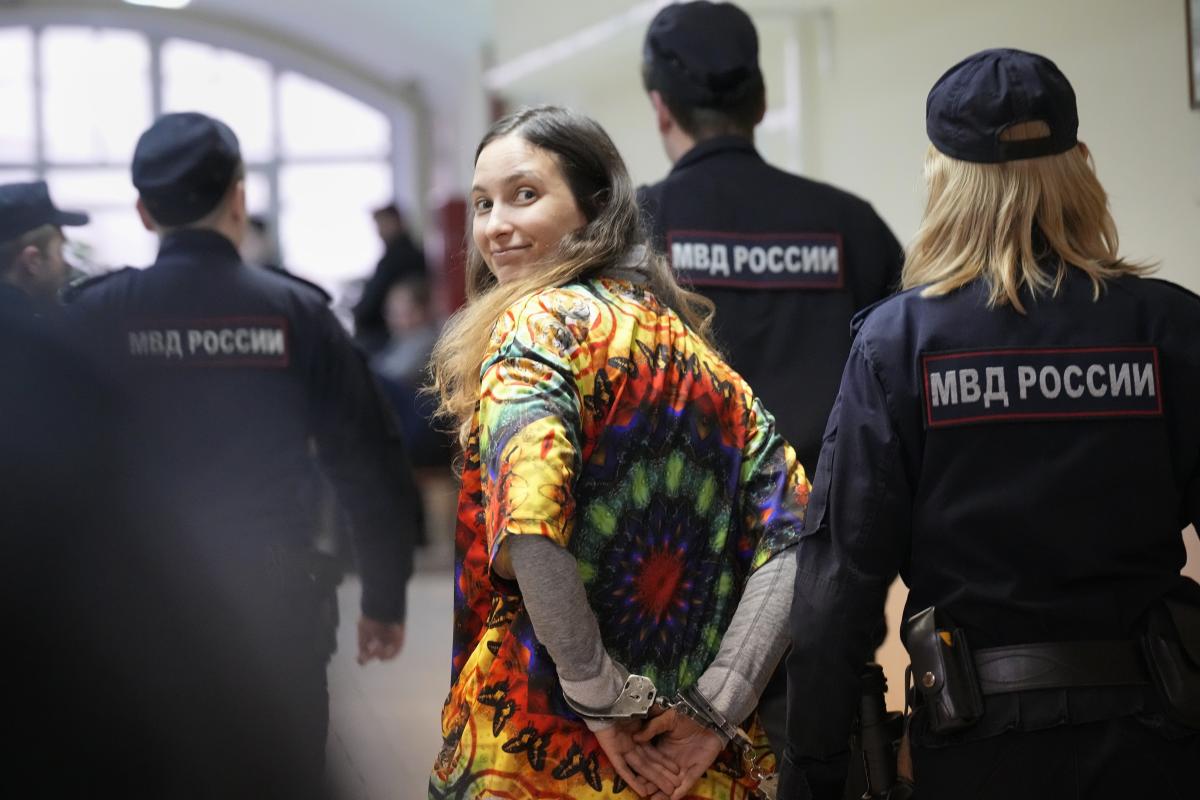
Over 100 Russian doctors have signed an open letter calling for the immediate release of artist and musician Sasha Skochilenko, who was sentenced to seven years in prison for replacing supermarket price tags with antiwar messages. The letter, addressed to Russian President Vladimir Putin, highlights Skochilenko's deteriorating health and the injustice of the verdict. Skochilenko's arrest came after a law criminalizing public expression about the war in Ukraine was adopted, leading to a widespread crackdown on opposition figures and citizens critical of the Kremlin. Human rights groups have declared Skochilenko a political prisoner, and thousands of Russians have been arrested for speaking out against the war.
Russian authorities are seeking an eight-year prison term for artist and musician Sasha Skochilenko, who was arrested for protesting against Moscow's war in Ukraine. Skochilenko was charged with spreading false information about the military after replacing supermarket price tags with antiwar slogans. Her arrest came after a law was passed criminalizing public expression deviating from the Kremlin's official line on the war. Skochilenko, who has been held in pre-trial detention for 19 months, has faced health problems and difficult conditions during court hearings. Human rights groups have declared her a political prisoner, and thousands of Russians have been arrested for speaking out against the war.
Narges Mohammadi, a prominent Iranian human rights activist and Nobel peace prize winner, has endured multiple prison sentences and continues to speak out from behind bars. Her family has been banned from direct communication with her, and she believes she will not be released. Mohammadi has faced solitary confinement, torture, and psychological pressure during her imprisonment. Despite the hardships, she remains resilient and dedicated to fighting for the rights of the Iranian people.
Narges Mohammadi, an Iranian human rights campaigner, has spent much of the past two decades in and out of prison for her activism, including opposing capital punishment and the obligatory hijab. Despite being incarcerated and separated from her family, she remains defiant and believes that the protest movement that erupted in Iran one year ago against the Islamic republic is still alive. Mohammadi, who is serving a combined sentence of 10 years and nine months, is described as a prisoner of conscience by Amnesty International. She continues to fight for democracy, equality, and freedom, even in the face of personal sacrifice.
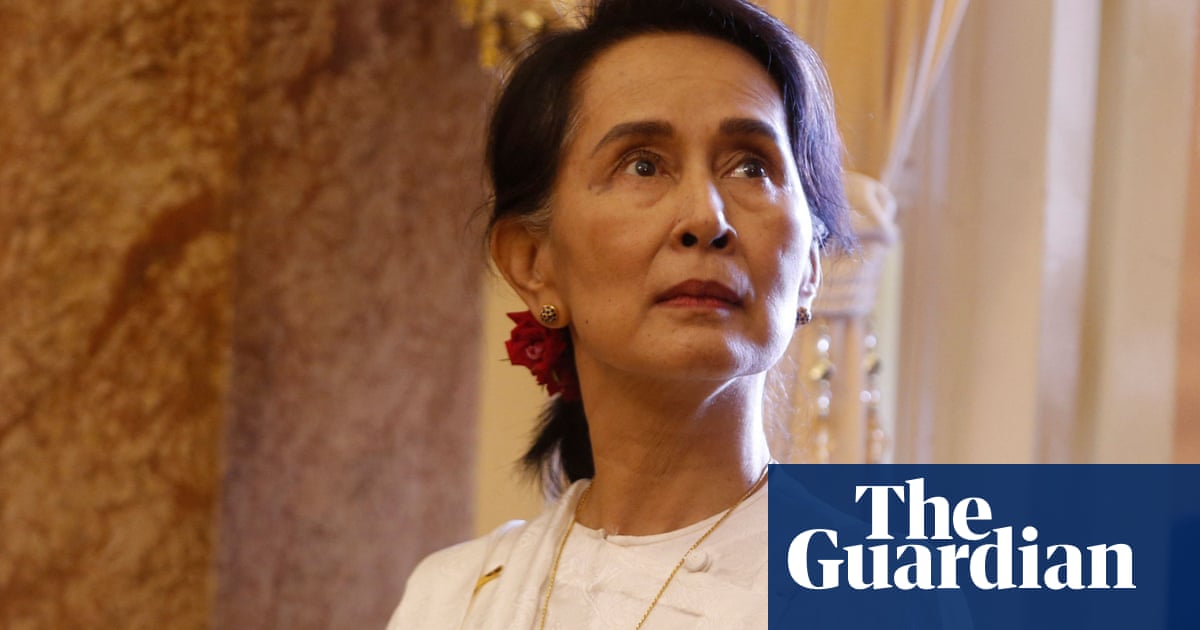
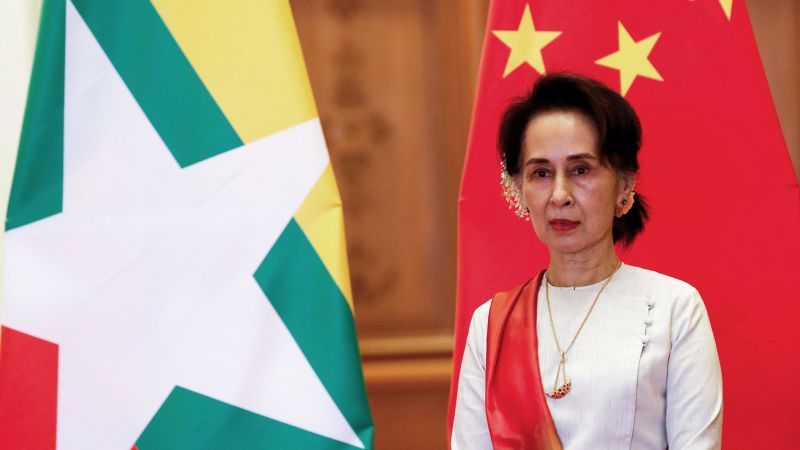
Aung San Suu Kyi's life may be at risk due to serious gum disease and other health problems, according to her son Kim Aris. She has been unable to eat and has experienced vomiting and dizziness while being denied access to medical care. Aris expressed concern for her well-being, especially considering the brutal treatment of political prisoners in Myanmar. He has been unable to contact her since her detention in February 2021, and previous periods of detention allowed for communication and visits. Aris dismissed reports of her being moved to house arrest and called for her release or urgent medical treatment.
Russian opposition leader Alexei Navalny has been sentenced to 19 years in a "special regime" prison colony on "extremism" charges, in addition to his existing sentences, in a move widely seen as political retribution. The harsh conditions of the prison, which include constant lights and restricted communication, have shocked even pro-Kremlin figures. Navalny's conviction and the banning of his organizations have effectively crushed dissent in Russia. Despite the brutal sentence, Navalny urges Russians not to lose the will to resist and fight for freedom in the country.
Myanmar's military junta has pardoned Aung San Suu Kyi on five charges, reducing her lengthy sentences but leaving her still facing decades in detention. The charges include defamation, natural disaster laws, export and import laws, and the country's telecommunication law. Suu Kyi's jail sentence has been reduced by six years, but it remains unclear how many years she will serve. The 78-year-old former leader of Myanmar still faces sentences for 14 other offenses and continues to deny all charges, which rights groups and international observers believe are politically motivated. The announcement comes ahead of Suu Kyi's appeals against multiple convictions, which are set to be heard by Myanmar's Supreme Court in the next two weeks.
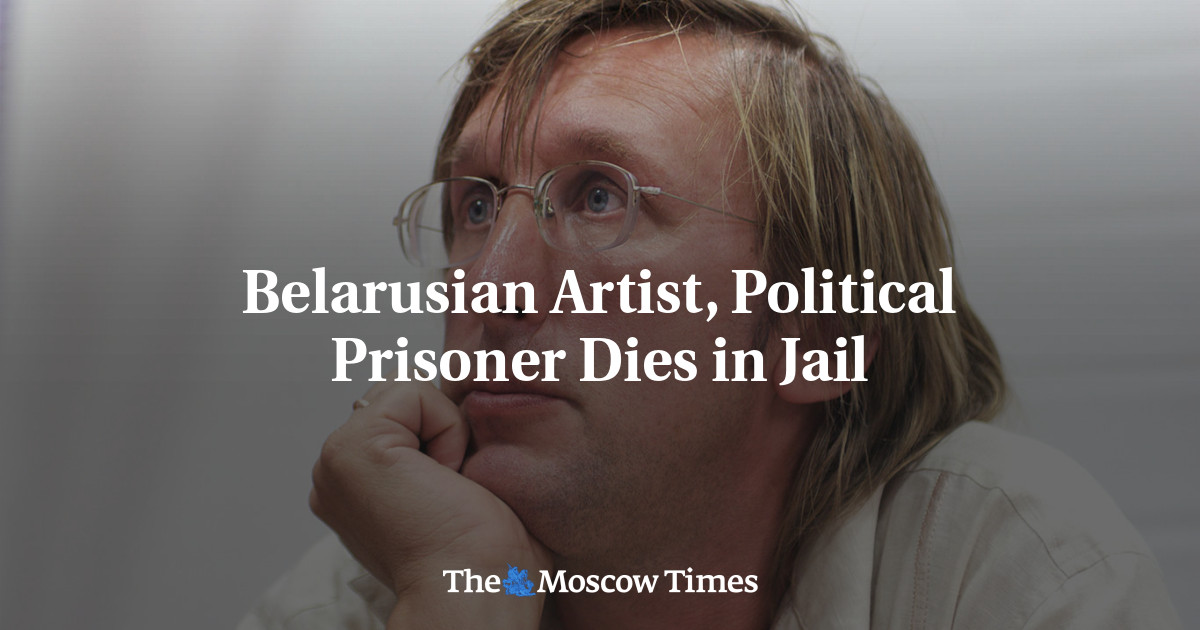
Belarusian artist and political prisoner Ales Pushkin has died in jail after being urgently transferred to a hospital from a prison facility. The reasons for his hospitalization and the circumstances surrounding his death are unclear. Pushkin, known for his anti-government performances, actively participated in the protests against President Alexander Lukashenko. He was arrested in March 2021 and sentenced to five years in a penal colony for desecrating state symbols and justifying Nazism.
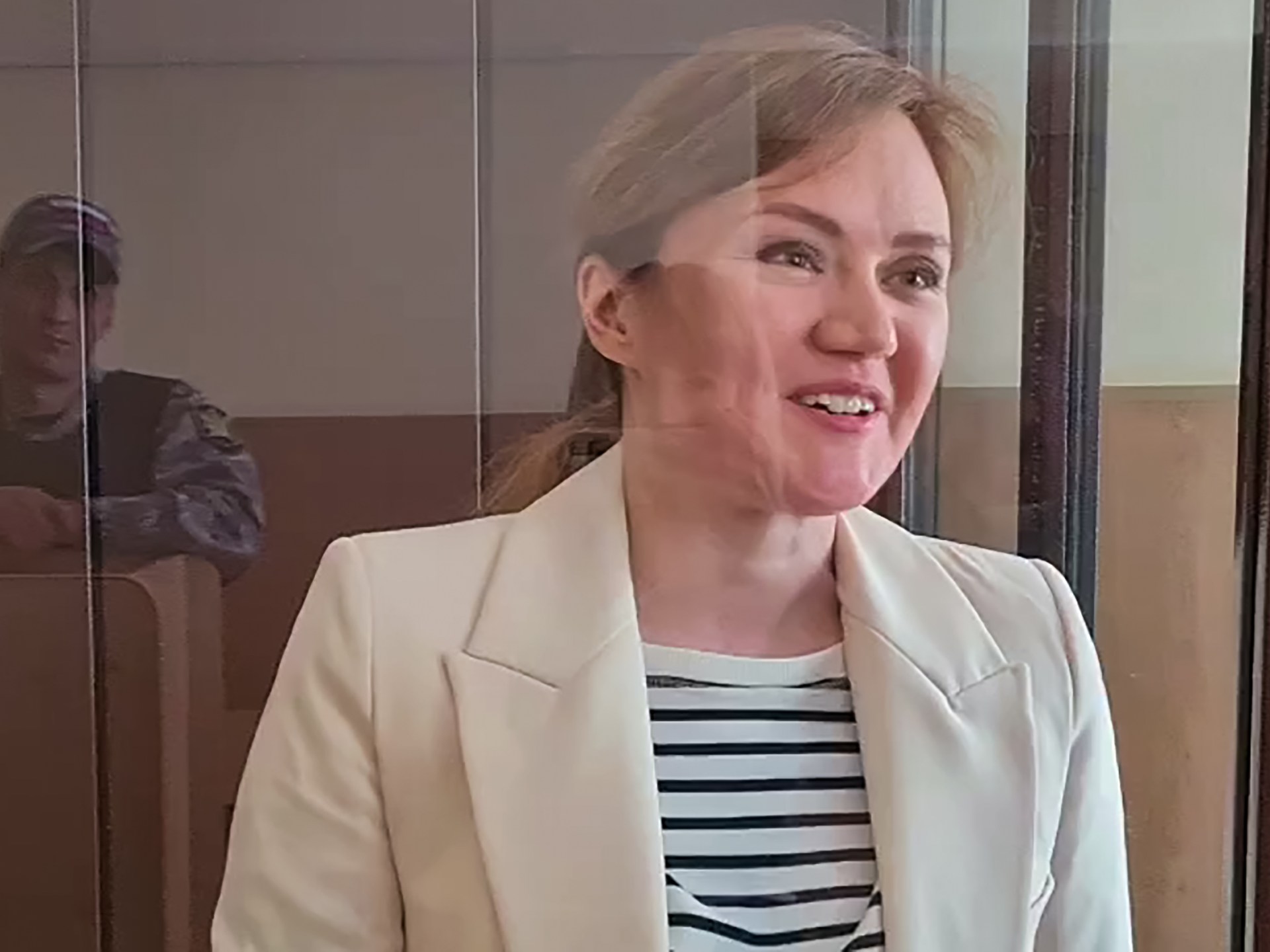
Lilia Chanysheva, the former campaign chief for jailed Russian opposition leader Alexey Navalny in Ufa, has been sentenced to seven and a half years in prison for "creating an extremist organization." Chanysheva called the charges politically motivated, and prosecutors had requested a 12-year prison sentence. Navalny himself is already serving sentences totalling eleven and a half years in a penal colony on fraud and other charges. Human rights groups and Western governments view Navalny as a political prisoner, but the Kremlin denies trying to kill him and often declines to comment on the imprisonment of Navalny and his supporters.
Oath Keepers founder Stewart Rhodes was sentenced to 18 years in prison for his role in the Jan. 6, 2021, riot. Rhodes claimed that being convicted of seditious conspiracy makes him a "political prisoner," but U.S. District Judge Amit Mehta rejected this assertion, stating that Rhodes is a threat to the country and the fabric of democracy. Rhodes directed members of his far-right extremist group via walkie-talkie as they made their way into the Capitol in a military-style "stack" formation.
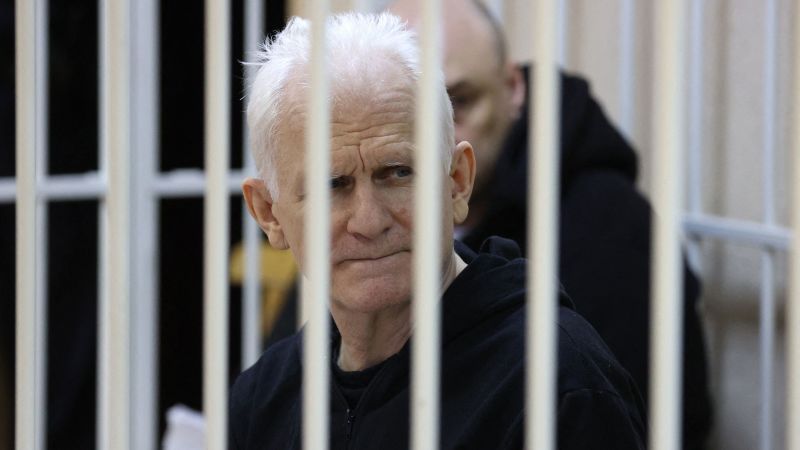
Concerns have been raised over the safety of Nobel Peace Prize laureate Ales Bialiatski, who has not been heard from in over a month, according to a friend. Bialiatski is currently serving a 10-year prison sentence in Belarus, where he was jailed in 2021 amid mass protests against President Alexander Lukashenko’s government. His wife reported that he has been in “an information blackout” since he was moved to a “colony for repeat offenders” in Gorki. The international community, including over 100 Nobel laureates, have called for his release.