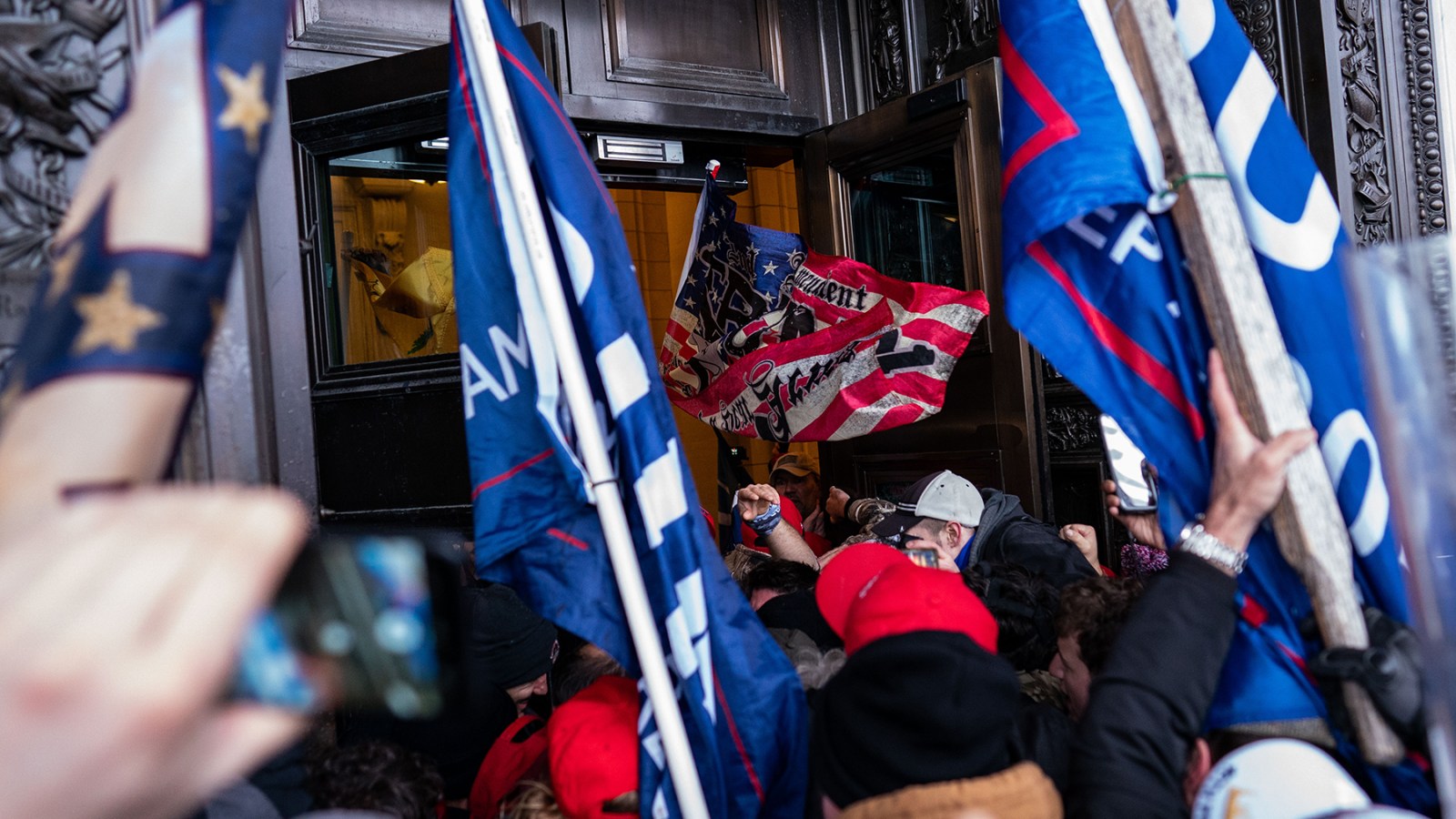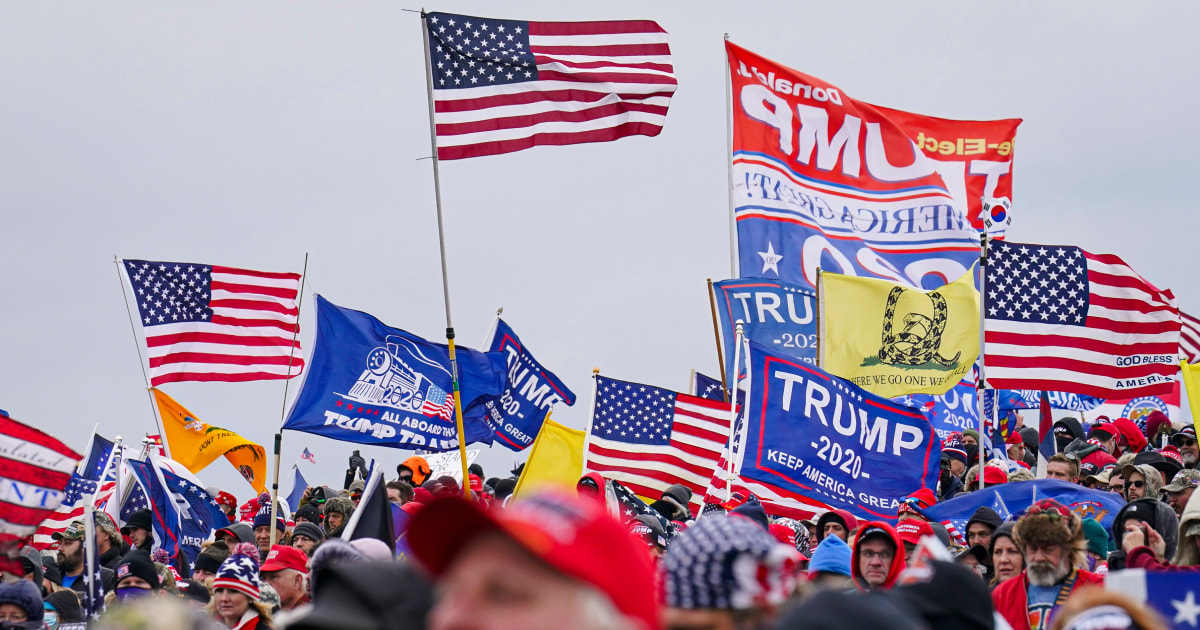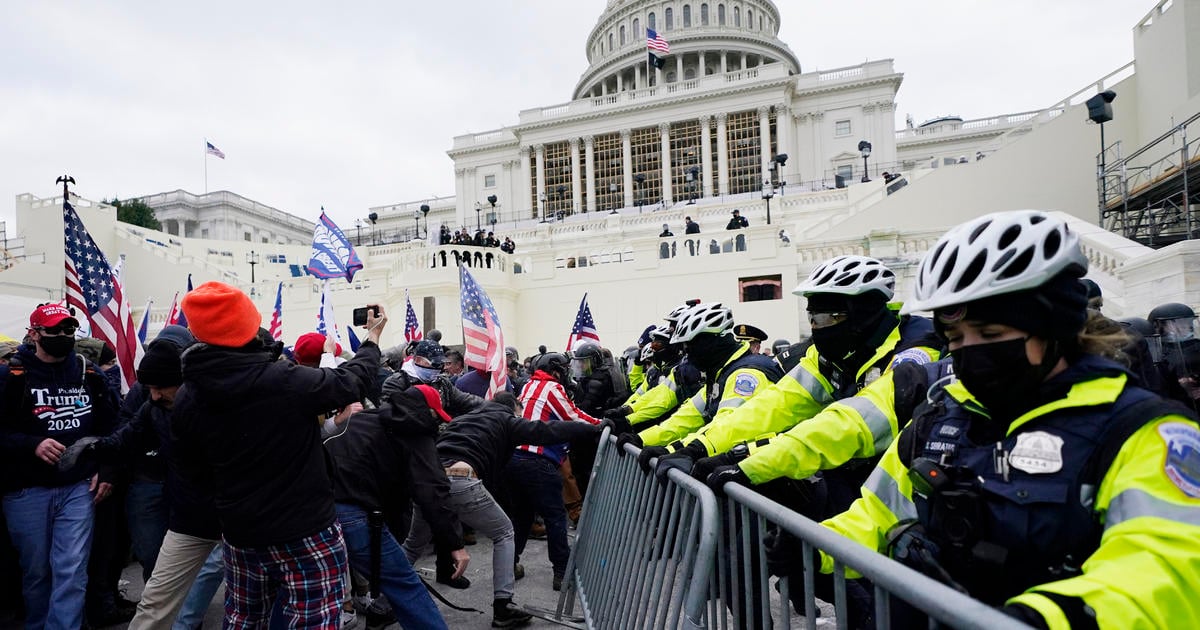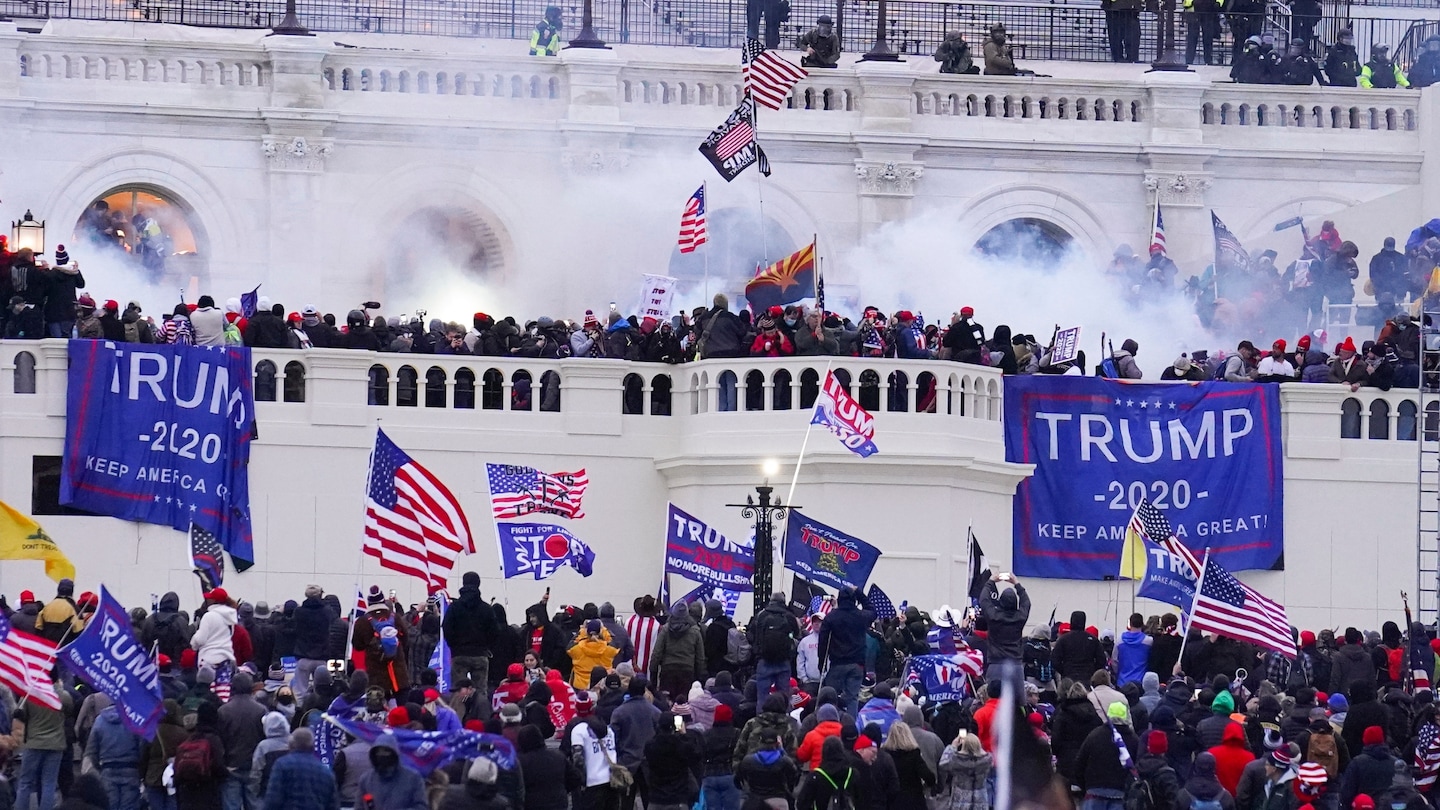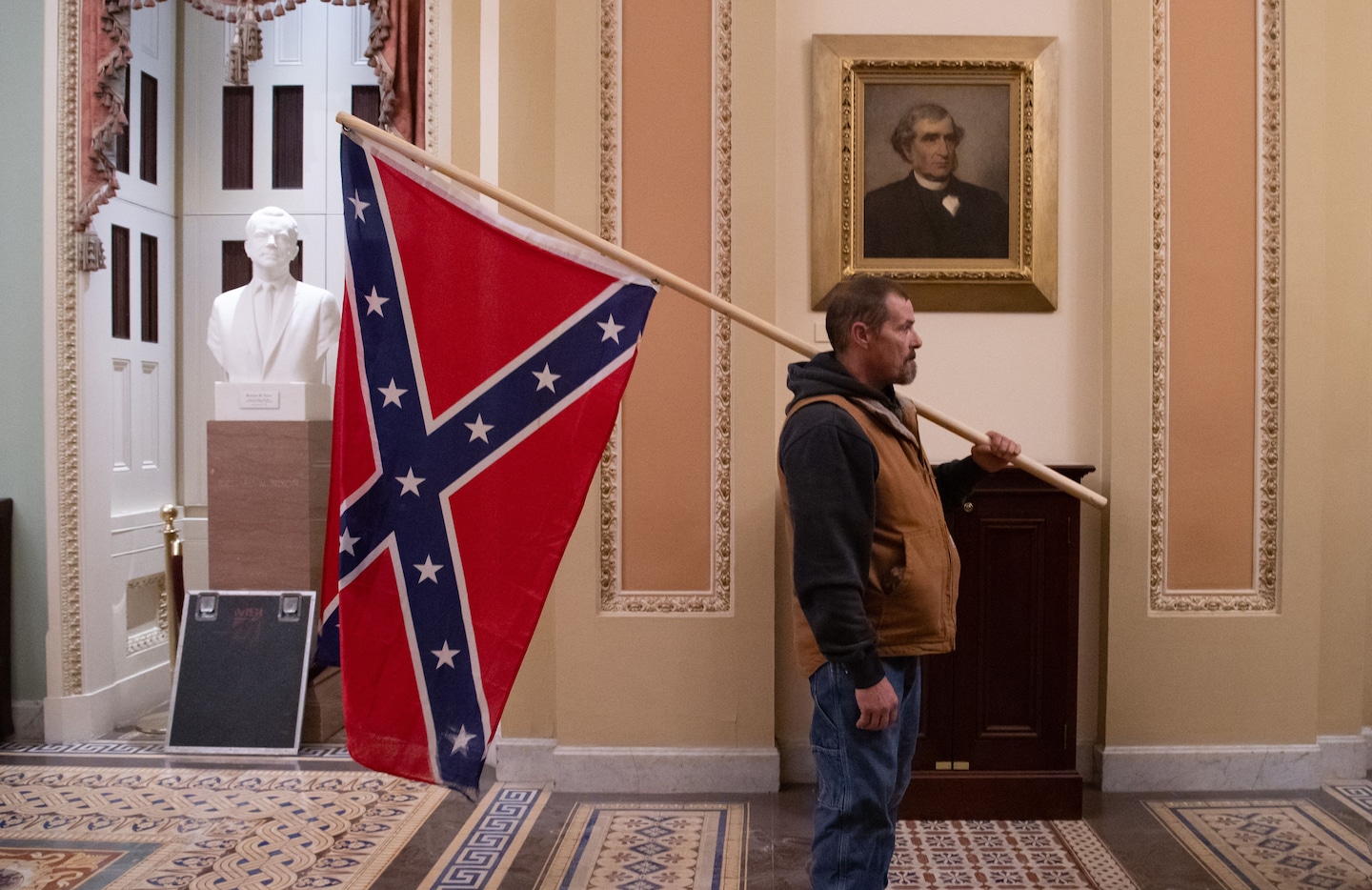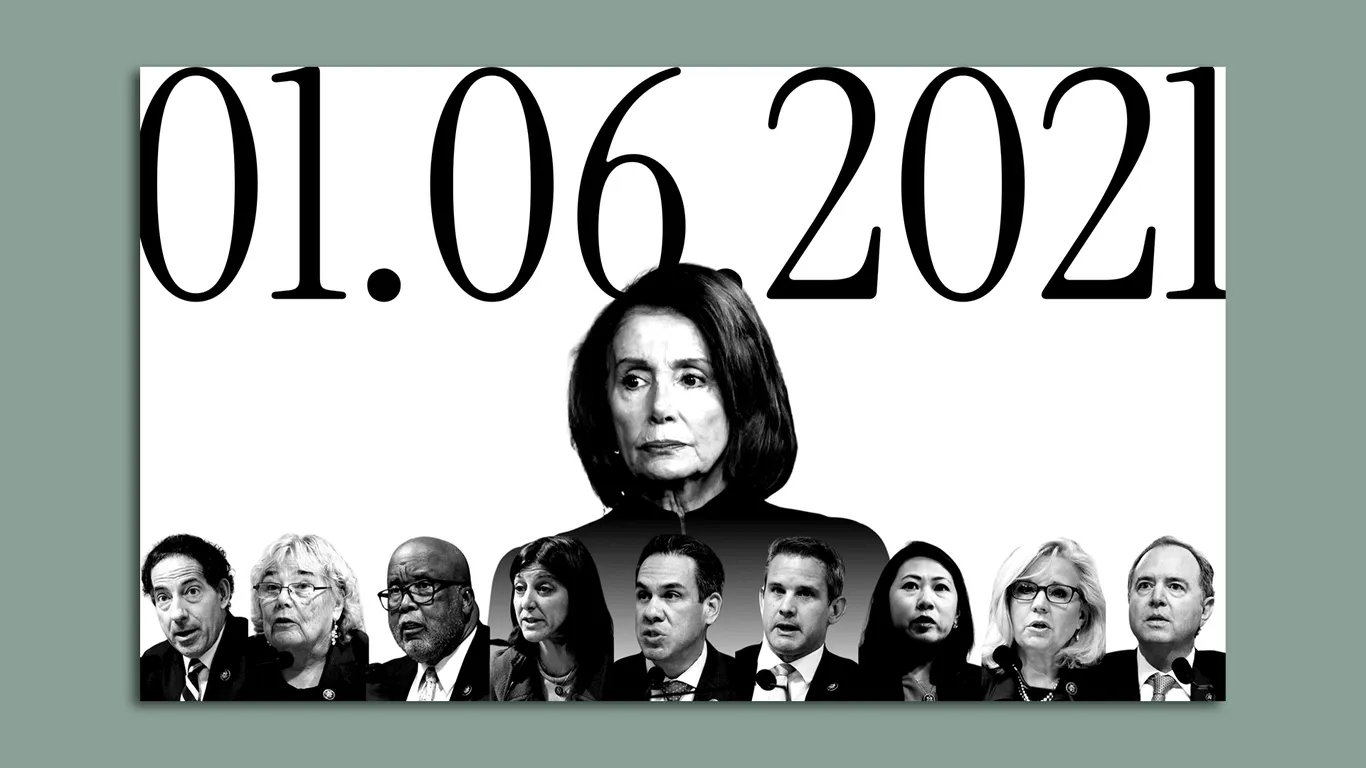
The White House released a webpage marking the fifth anniversary of the Jan. 6 Capitol riot, accusing Democrats of staging the 'real insurrection' and blaming police for escalating tensions, while also criticizing Pence for his role in certifying the 2020 election. The page reflects a highly partisan perspective, denying law enforcement casualties and emphasizing narratives that challenge the mainstream account of the events.
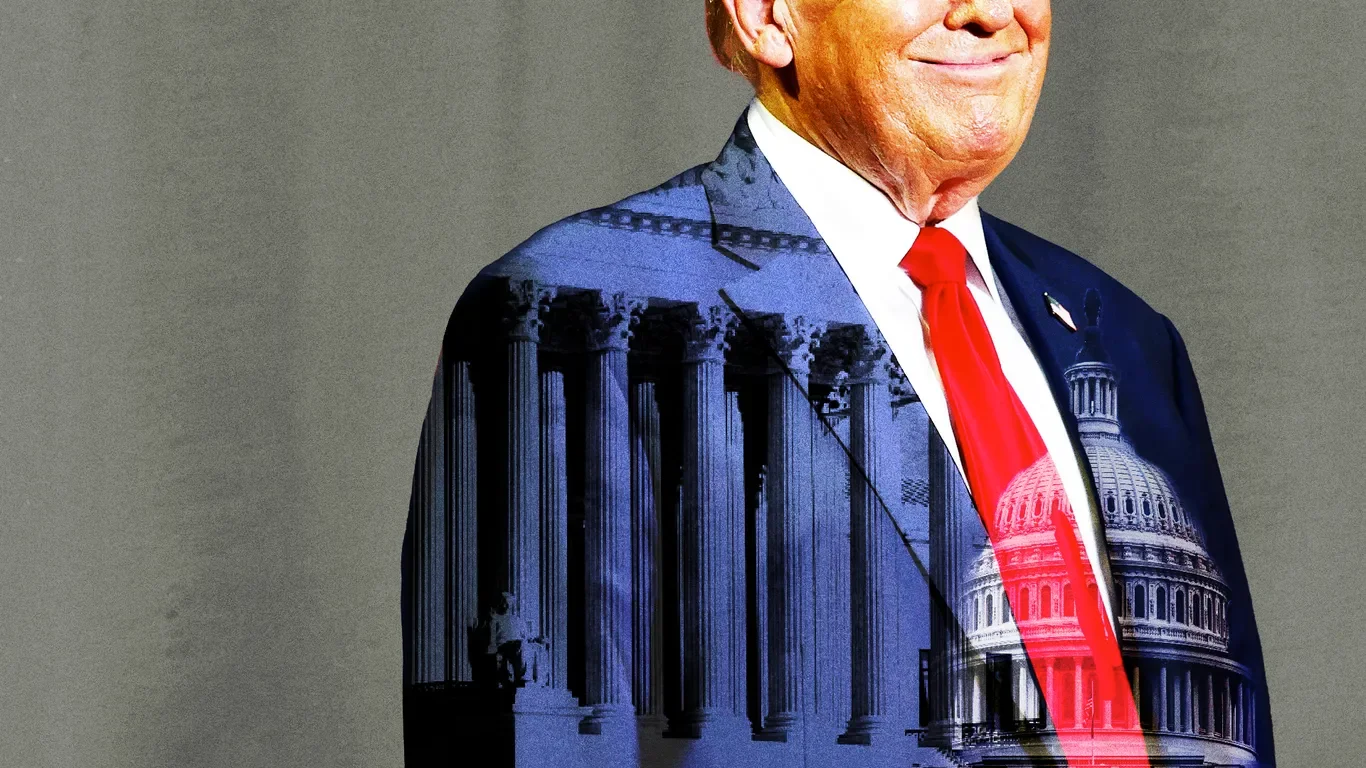
Five years after the Capitol riot, legal repercussions have largely faded due to presidential pardons, and the event's historical narrative remains contested, fueling ongoing political division and concerns about future violence, with debates about accountability and remembrance continuing in Congress.
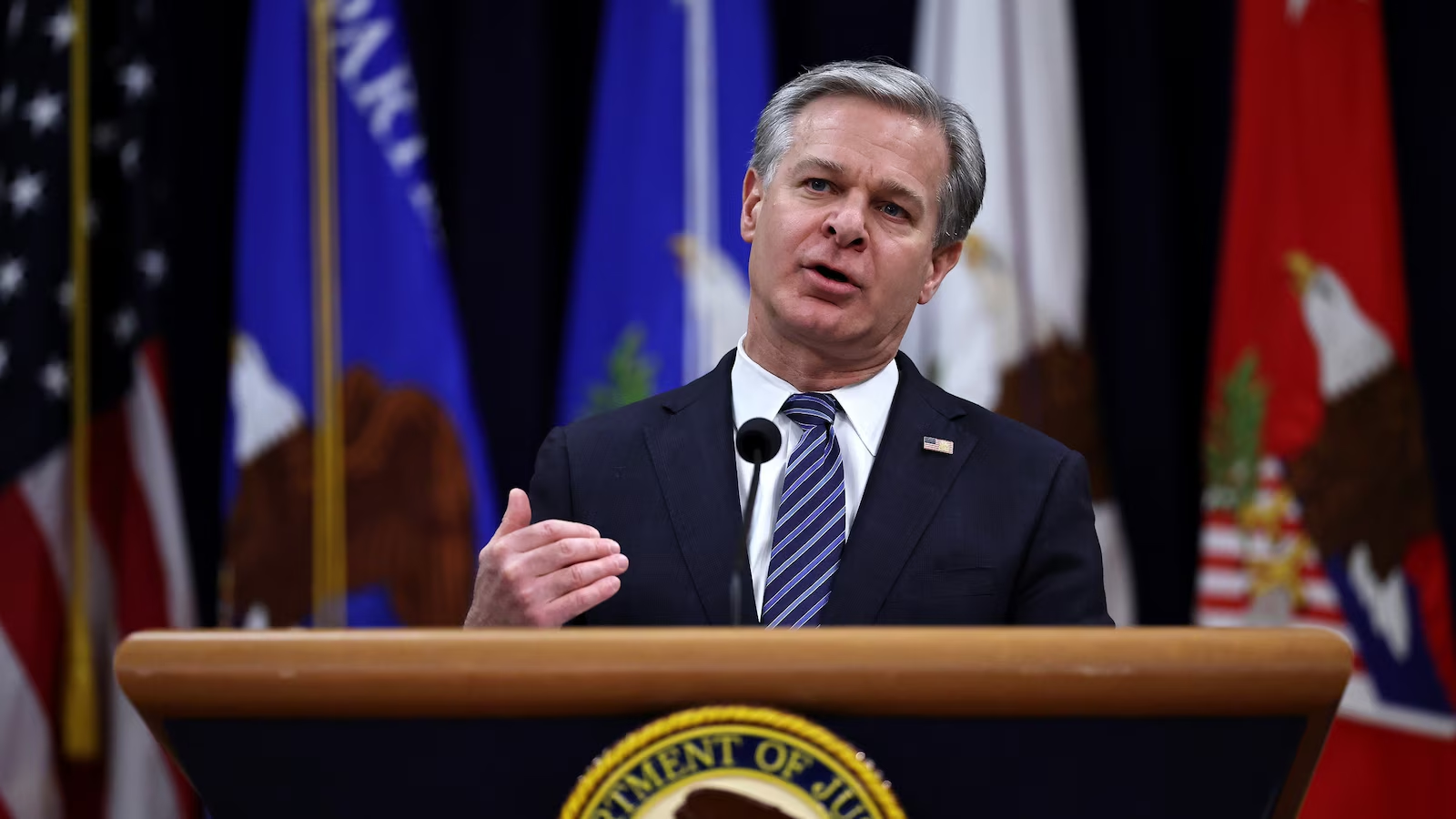
President Trump falsely claimed that FBI agents were involved in the Jan. 6 Capitol riot and suggested investigating FBI Director Christopher Wray, despite official reports finding no evidence of FBI agents participating in or encouraging the attack. Trump promoted unsubstantiated claims on social media and in interviews, amid ongoing political tensions and investigations into the FBI's actions during the riot.
A military veteran involved in the Jan. 6 Capitol riot was sentenced to life in prison for plotting to attack an FBI office and law enforcement officers in Tennessee, with prosecutors emphasizing his remorselessness and intent to commit violence, despite his prior pardon from President Trump for Jan. 6 convictions.
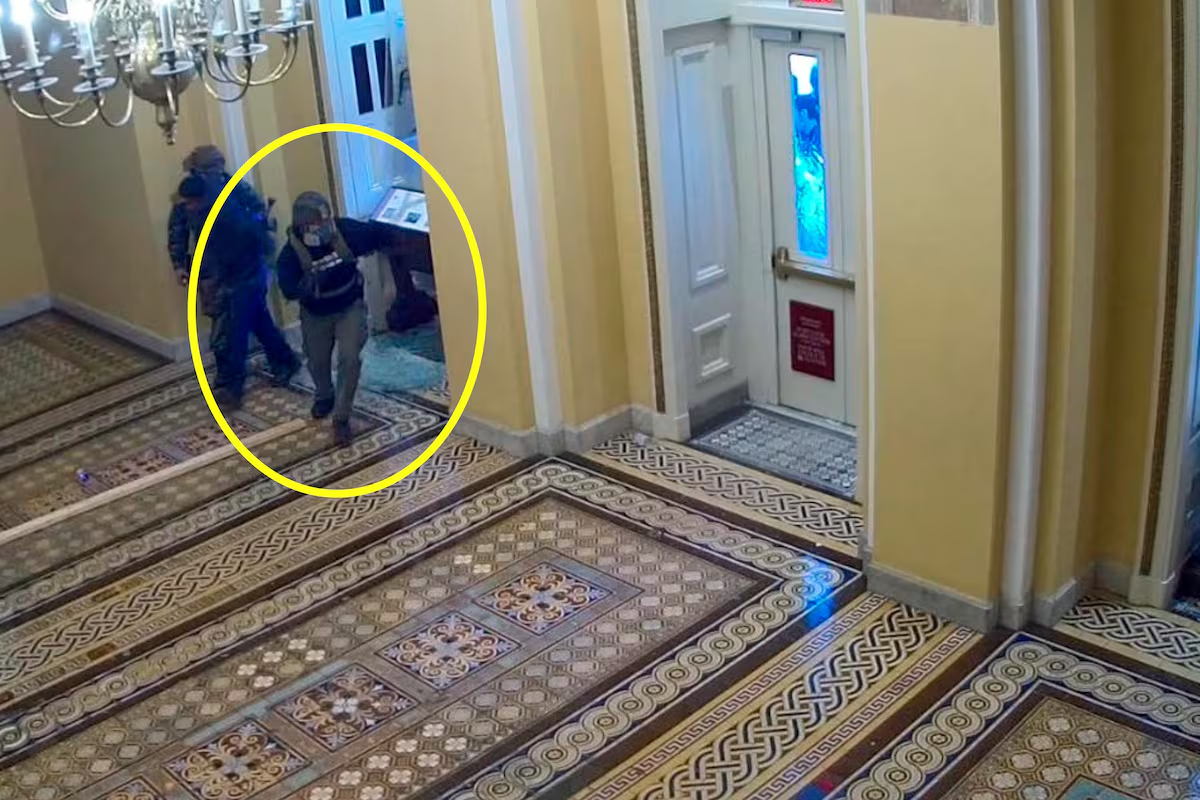
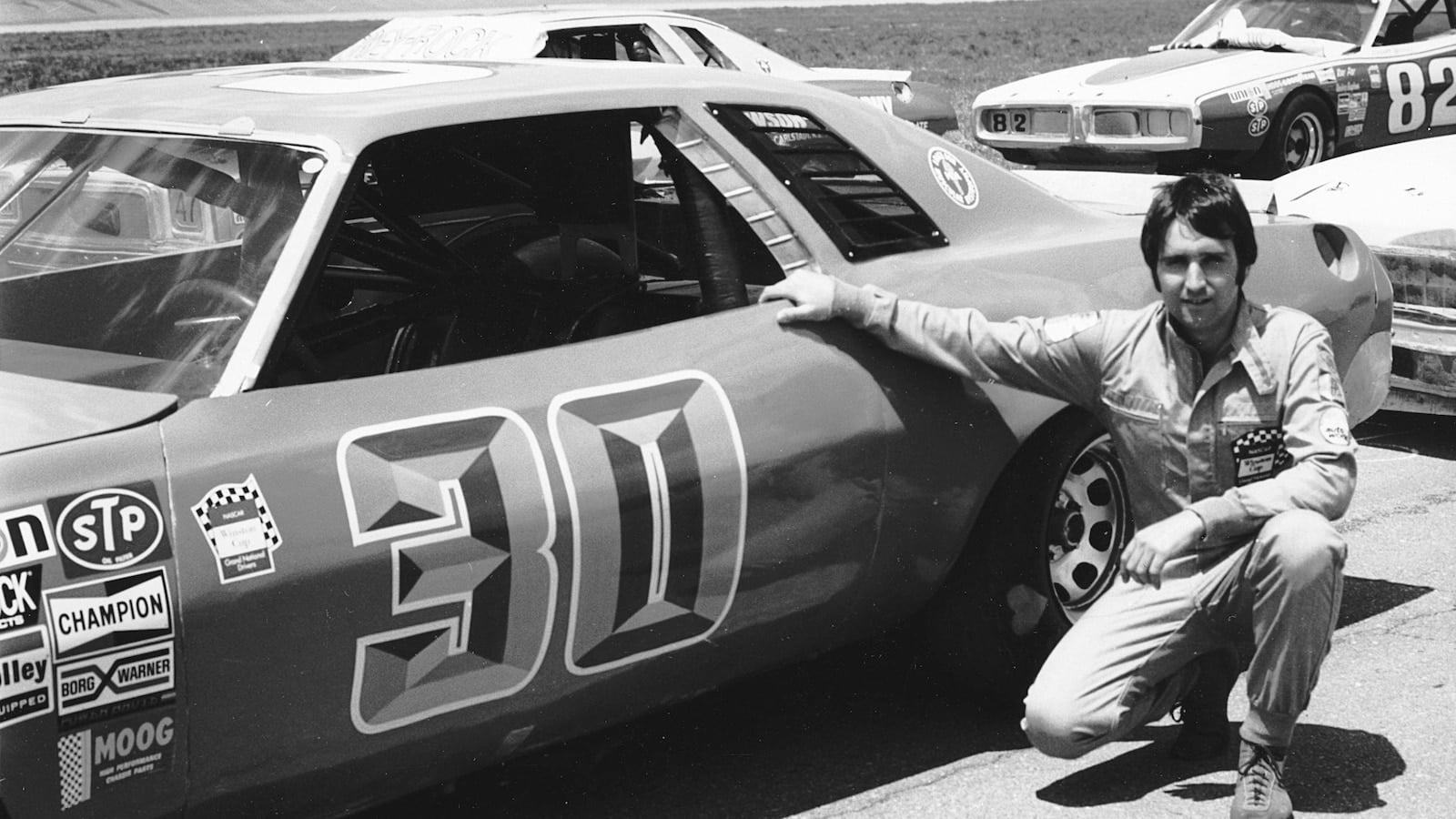
Retired NASCAR driver Tighe Scott and his son Jarret Scott were arrested and charged with multiple offenses, including assaulting police during the Jan. 6 Capitol riot. They, along with two other Pennsylvania men, allegedly used objects like flagpoles and golf clubs to harass law enforcement. The Scotts face two felony charges each and several misdemeanors.
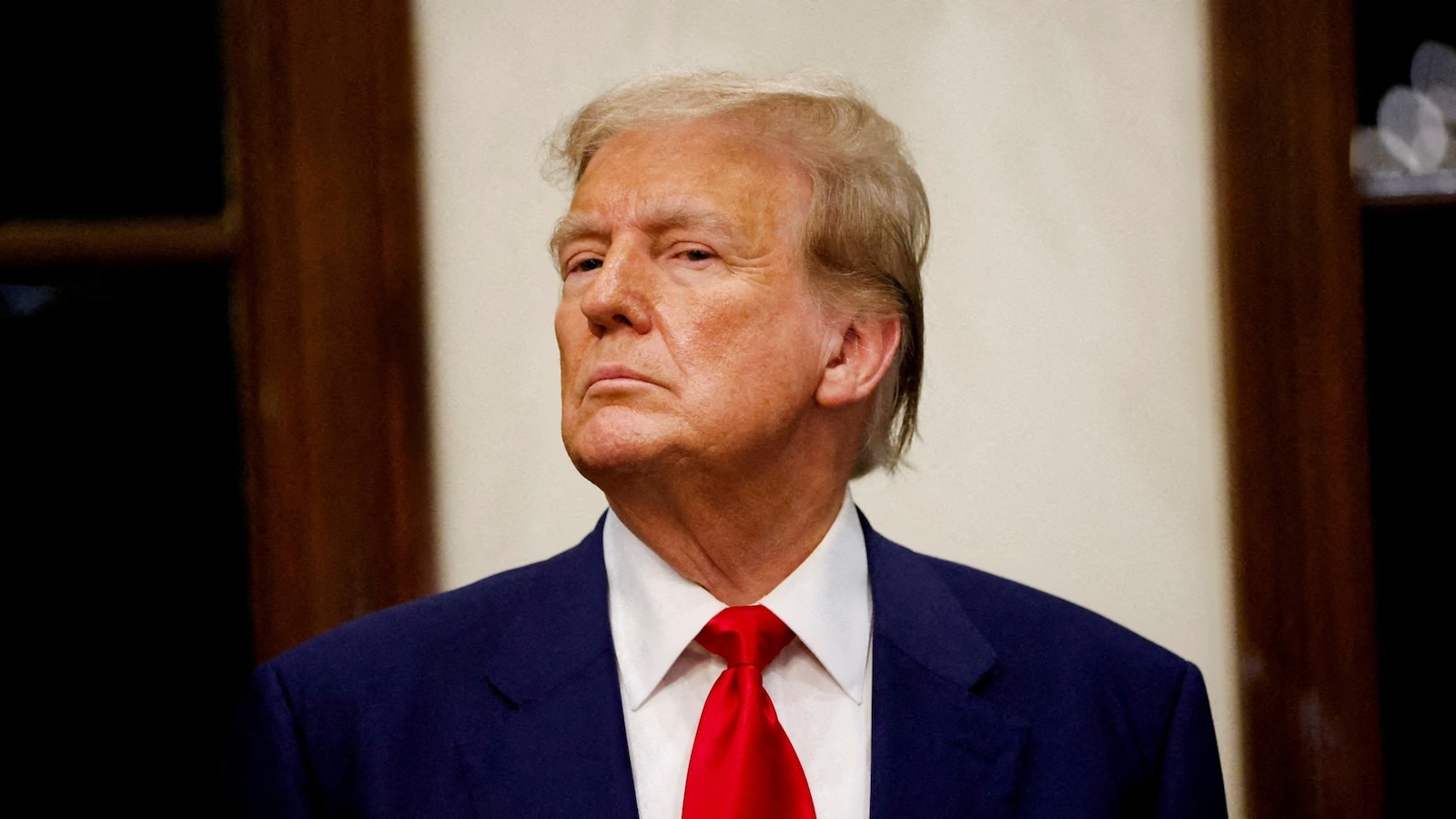
A federal judge has rejected former President Donald Trump's request to pause several civil lawsuits filed against him related to the Jan. 6 riot, stating that defending himself in the civil cases would not unduly impact his defense strategy in his ongoing federal criminal case. The civil lawsuits seek to hold Trump accountable for his actions leading up to the riot, while he faces four felony charges in the criminal case brought by Special Counsel Jack Smith.
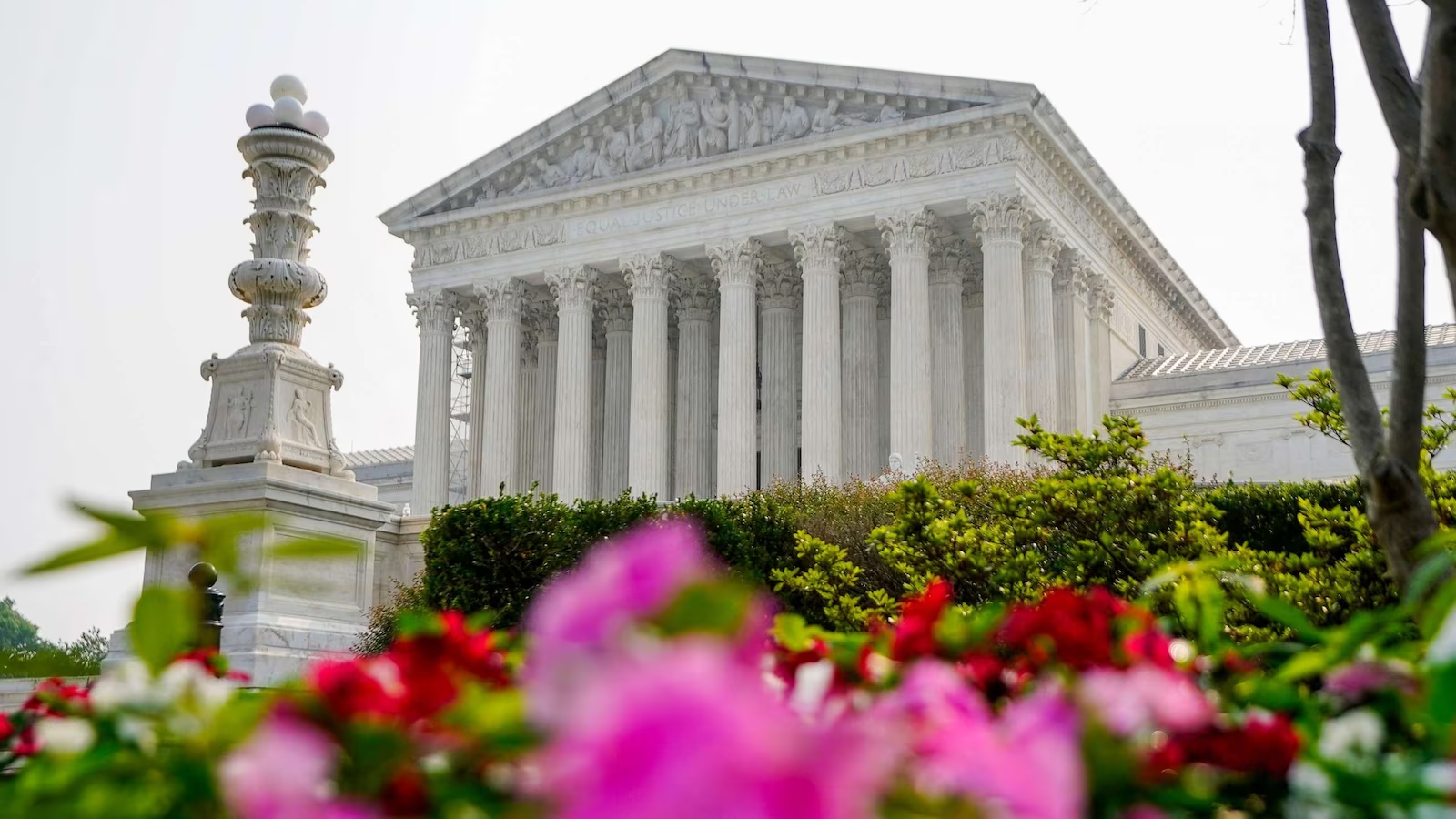
The Supreme Court is considering vacating charges against Jan. 6 rioters and potentially benefiting former President Donald Trump in his federal election subversion case, as conservative justices expressed skepticism about the Justice Department's interpretation of obstruction of an official proceeding laws. The case in question, Fischer v. United States, could have significant implications for Trump, with the court's conservative justices raising concerns about potential First Amendment violations and the broad application of the law.
The Supreme Court is considering whether participants in the Jan. 6 Capitol attack can be charged with obstructing an official proceeding, a case that may impact former President Donald Trump's election interference prosecution. Defendant Joseph Fischer, a former police officer, is seeking to dismiss the charge against him, arguing that the law does not apply to his alleged conduct. A ruling in his favor could potentially benefit Trump, who also faces charges under the same law. The outcome of this case may have significant implications for the prosecution of individuals involved in the Capitol riot and for Trump's legal challenges.
The Supreme Court will hear arguments in a case that could invalidate felony obstruction charges for over 300 individuals, including former President Donald Trump, connected to the Jan. 6 Capitol attack. The case questions whether the Sarbanes-Oxley Act, aimed at preventing the cover-up of financial crimes, can be used to prosecute Jan. 6 defendants. A ruling in favor of the defendant could impact Jan. 6 prosecutions and potentially undermine the prosecution of Trump for alleged election interference.
The Supreme Court is set to examine the federal obstruction law used to prosecute individuals involved in the Jan. 6 Capitol attack, including former President Donald Trump. The case, known as Fischer v. U.S., will determine whether the law can be applied to those who breached the Capitol building. The outcome could impact the charges against Trump and numerous Jan. 6 defendants, as well as the scope of the obstruction law itself. The case raises questions about the law's application and potential ramifications for future prosecutions.
The Supreme Court is set to hear arguments on whether the federal charge of obstruction, carrying a 20-year maximum penalty, was improperly applied to Jan. 6 rioters. The decision could impact the convictions and pending charges of over 100 rioters, as well as potentially affect Donald Trump's trial. The case revolves around the interpretation of a statute enacted after the Enron scandal, with defense lawyers arguing that prosecutors overreached. The court's ruling, expected in late June, may have political implications and could limit prosecutorial discretion.
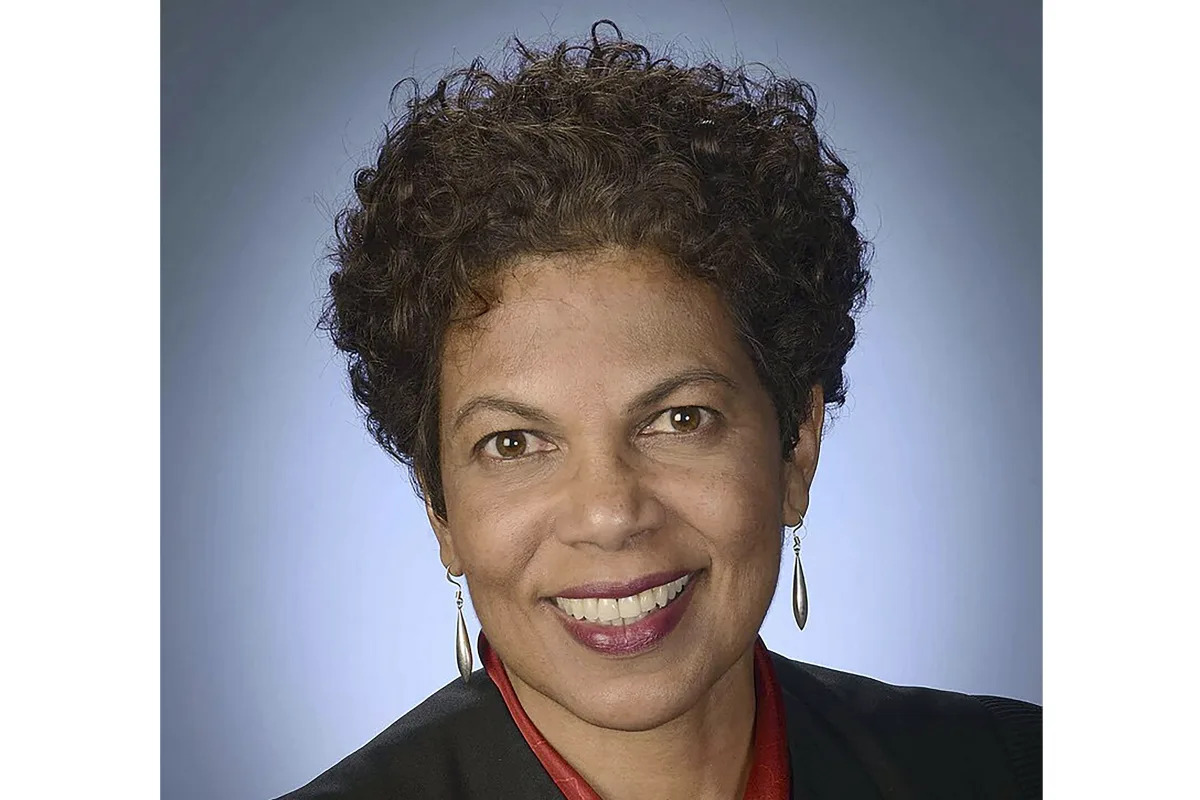
Judge Tanya Chutkan overseeing former President Donald Trump's election interference case rejected the "hostages" label for jailed Capitol riot defendants, emphasizing that they are being held because they are dangerous. She sentenced Antony Vo, a rioter, to nine months in prison, noting his lack of remorse. Chutkan has been known for handing down harsher sentences to Capitol rioters and has placed Trump's trial on hold while he pursues claims of immunity from prosecution.
Federal judges have started granting early release pending appeal to some Jan. 6 riot defendants who challenged their sentences, even as the Supreme Court prepares to hear arguments on the legality of a key charge brought against them. The charge in question is whether obstructing Congress’s election certification vote is legally sound. If the Supreme Court rules against the charge, it could impact over 100 cases and have implications for the election interference case against Trump. Some defendants have already been released early, and the Supreme Court is set to hear oral arguments next week.
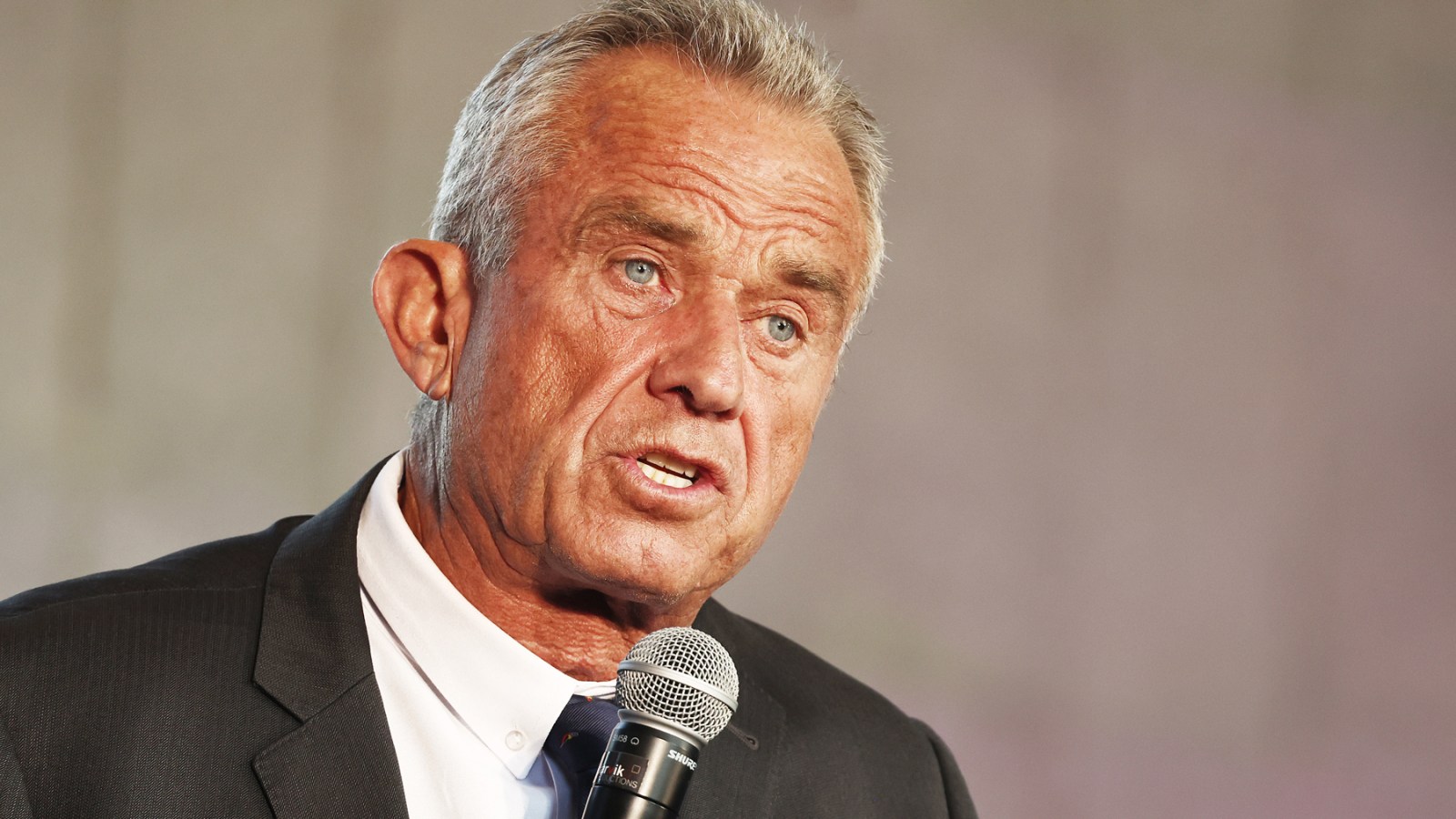
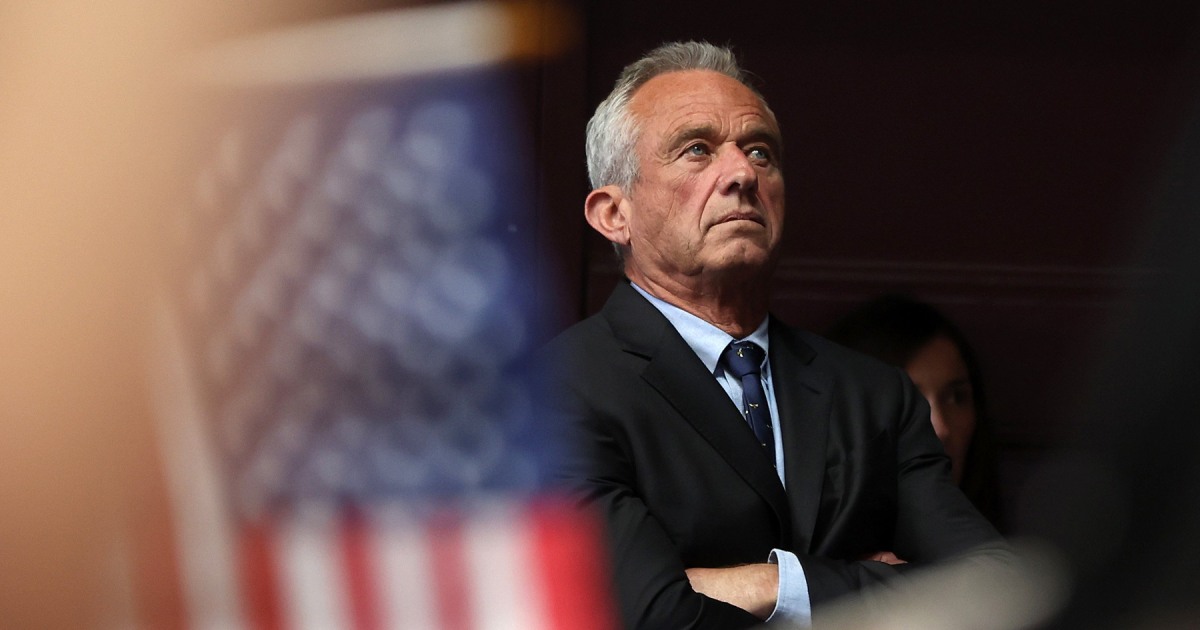
Independent presidential candidate Robert F. Kennedy Jr. has stated that he cannot take a stance on the Jan. 6 Capitol riot, citing a lack of examination of evidence and diverse viewpoints. Despite attempts to clarify his views, he failed to provide clarity and instead raised concerns about the prosecution of Jan. 6 defendants and the weaponization of government agencies. Kennedy's statements align with right-wing narratives and focus on his disaffection with the Biden administration, while avoiding unequivocal condemnation of the attack.
Independent presidential candidate Robert F. Kennedy Jr. stated that he would appoint a special counsel to investigate the treatment of Jan. 6 defendants if elected president, expressing doubts about the incident being an "insurrection" and alleging abuse of power by federal law enforcement agencies. His comments have been criticized for containing falsehoods, including the claim that protesters carried no weapons, despite evidence to the contrary. Kennedy's stance aligns with his long-standing views on downplaying the severity of the Capitol attack, echoing sentiments expressed by former President Donald Trump.