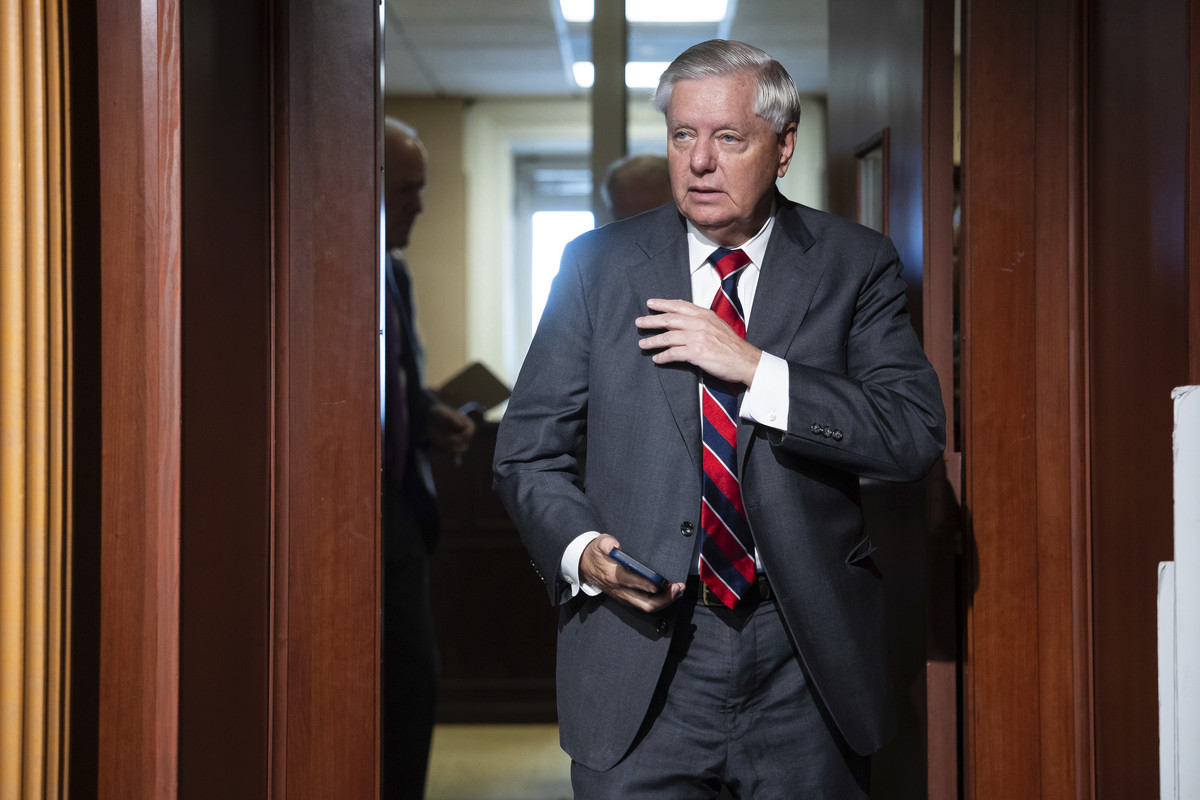
The Senate GOP has reached an impasse on foreign aid, failing to make progress on the budget and leaving the issue in political gridlock, ultimately ending up where it started in the debate over international relations.
The article discusses the current state of the United States Congress, highlighting the gridlock and partisanship that has led to a "do-harm" mentality. It emphasizes the lack of legislative productivity and the focus on obstructing the opposing party's agenda rather than working towards bipartisan solutions.
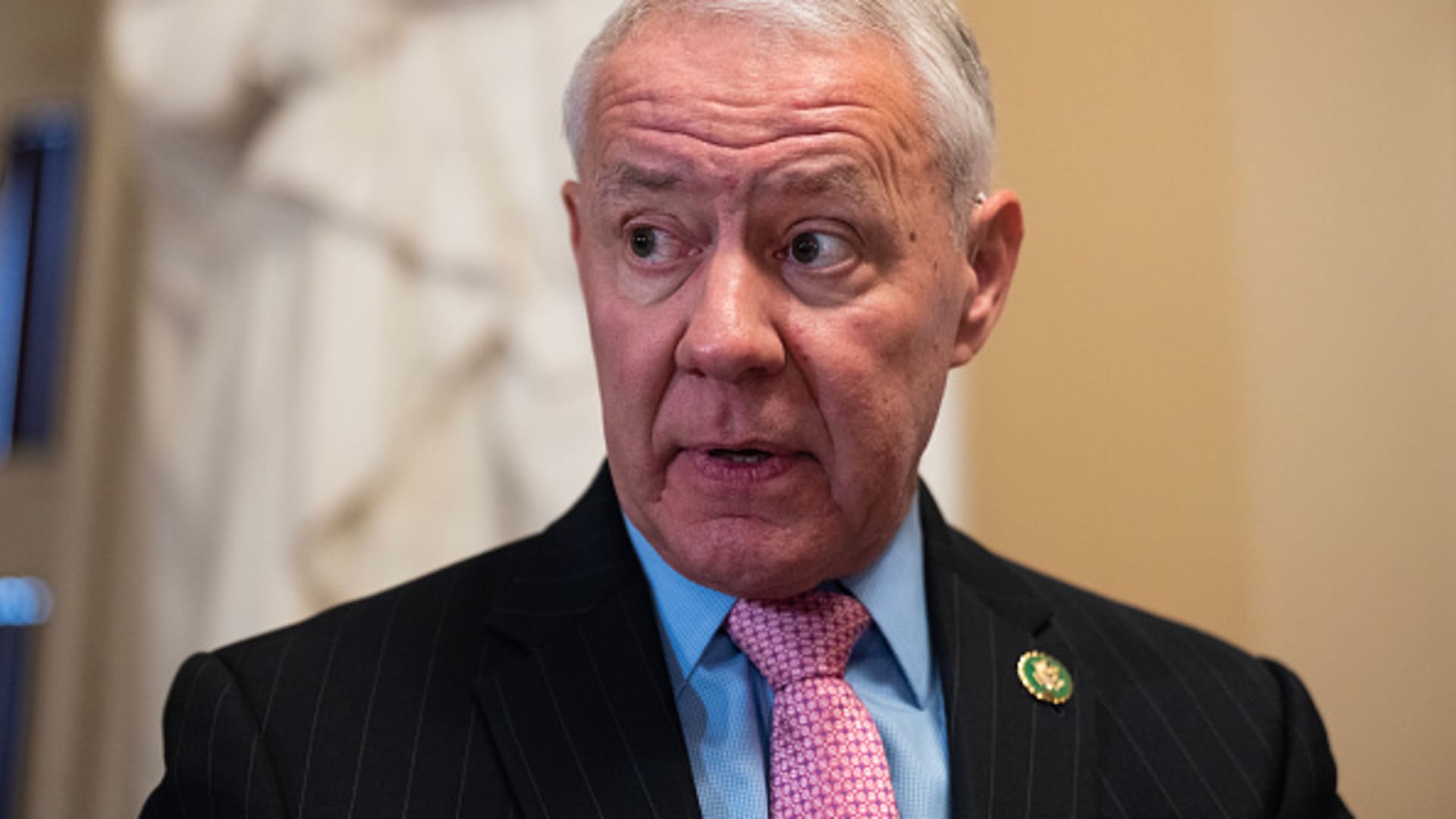
Republican Representatives Kay Granger of Texas and Ken Buck of Colorado have announced that they will not seek reelection next year. Granger, the chair of the House Appropriations Committee, did not provide a specific reason for her retirement but expressed confidence in the next generation of leaders in her district. Buck cited his disappointment in the Republican Party and political gridlock in Congress as reasons for his decision. Both announcements come after a divisive battle for House speaker that left Republicans divided. Buck predicted that more centrist Republicans would announce their retirements in the near future.
Radical Republicans are willing to shut down Washington in order to advance their political agenda, causing political gridlock and disrupting government operations.
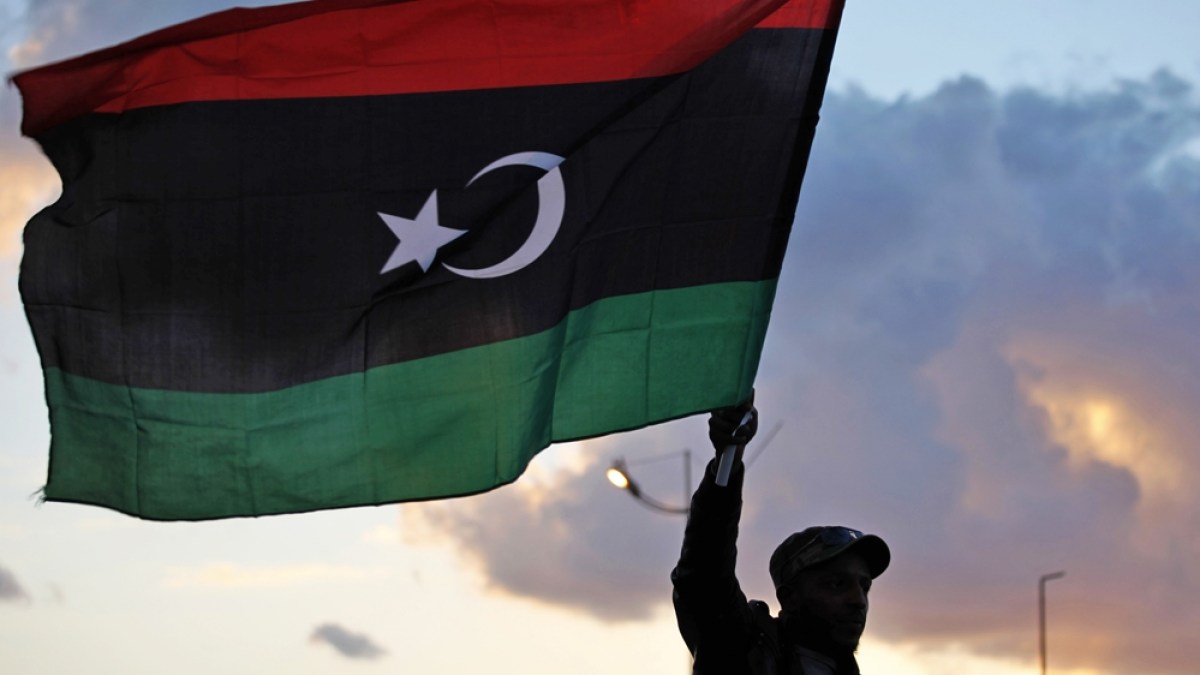
The Tripoli-based High State Council (HSC) in Libya has elected Mohammed Takala as its new leader, replacing former head Khaled al-Mishri. This development adds further uncertainty to the country's already divided politics. The HSC holds significant influence in political matters and has been negotiating a path to elections with the House of Representatives (HoR). However, the impact of Takala's victory on the HSC's talks with the HoR remains unclear. The international community and the United Nations have emphasized the importance of nationwide elections to end Libya's power vacuum, but rival leaders have failed to agree on election laws. Prime Minister Abdul Hamid Dbeibah, a rival of both al-Mishri and the HoR speaker, congratulated Takala and expressed hope for adherence to the will of the Libyans to hold elections.
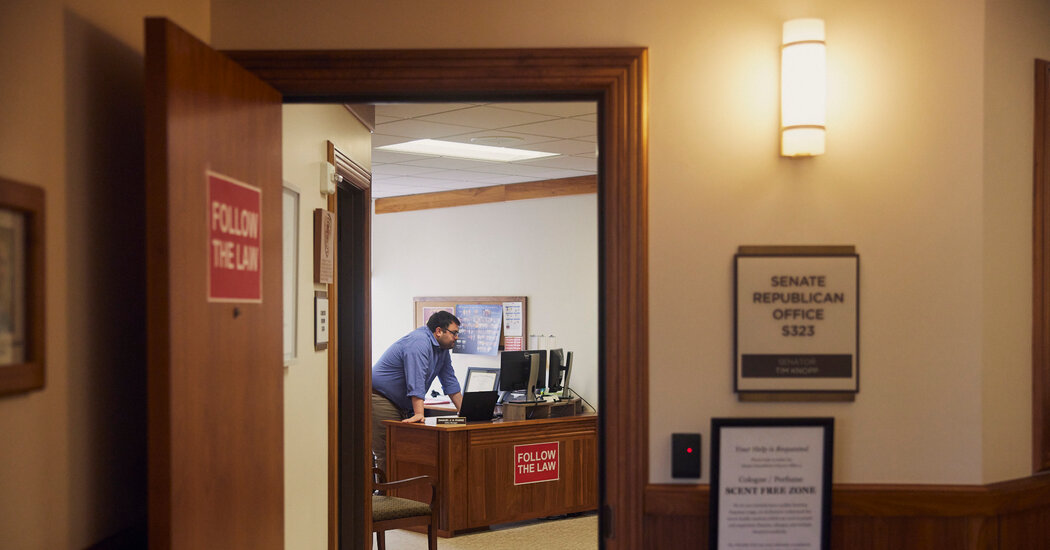
The Oregon Senate has been unable to summon a quorum to vote on any legislation due to a political boycott by Republicans, who have vowed to derail almost all legislation unless Democrats agree to a new direction. The boycott has gridlocked the Senate since May 3, and signals the degree to which bipartisanship has taken a back seat to strategic dysfunction. The discord shows no sign of abating, as red and blue states race in opposite directions on social issues and posture to combat one another’s policies across state lines.