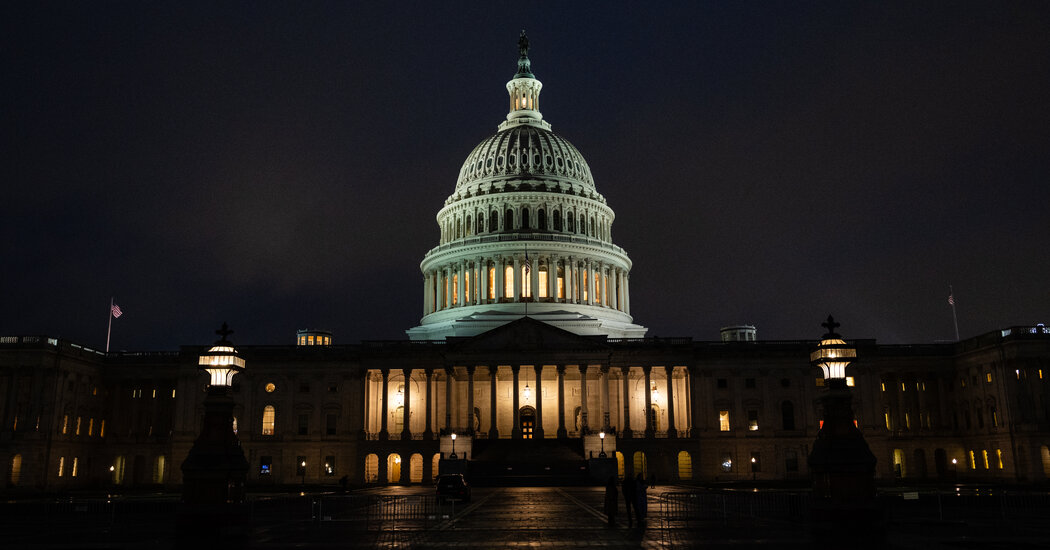
Despite criticisms of dysfunction within the Republican-led House of Representatives, voters chose to re-elect many of the same representatives, indicating a level of voter tolerance or indifference towards the perceived inefficiencies.
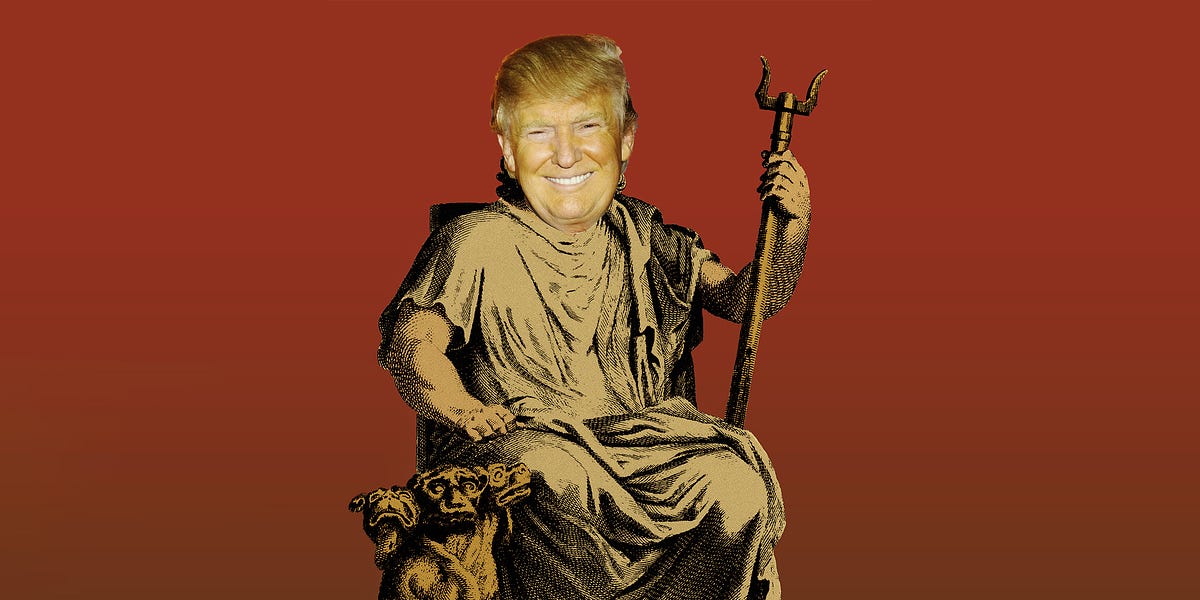
Iowa Senator Chuck Grassley's recent remarks about a bipartisan tax cut bill, suggesting that it would make President Biden "look good" and hinder Donald Trump's chances of regaining the White House, reflect the current dynamic of the GOP prioritizing Trump over legislative action. This pattern of prioritizing Trump's interests over governance has been evident in various GOP decisions, leading to criticism of political dysfunction within the party.
Moody's has lowered its assessment of the U.S. credit outlook from "stable" to "negative," indicating America's worsening fiscal standing and the implications of political dysfunction. This comes after Fitch downgraded the U.S. credit rating in August. The rating suggests lower confidence in the government's ability to pay its debt obligations and raises concerns about potential defaults. The ongoing political issues, including infighting among House Republicans and the increasing debt load, threaten the U.S.' ability to address these challenges. The news could impact the economy, potentially leading to stock market losses and increased interest rates on loans. A U.S. default on its debts would have catastrophic consequences, damaging the government's reputation and causing economic turmoil. The White House blames Republican extremism and dysfunction, while Republicans point to the failure of President Biden and Democrats' spending agenda.
The US narrowly avoided a government shutdown, but the recent events have highlighted the dysfunction within the House Republican caucus and the broader political landscape in Washington. The decision by Republican House Speaker Kevin McCarthy to seek support from Democrats to pass a short-term funding bill has raised concerns about Congress' ability to function effectively. The near-shutdown is just the latest example of congressional malfunction, with hardline conservatives causing delays and infighting. The partisan divisions and polarization threaten the US financial outlook and hinder policy achievements. The lack of trust and personal rivalries within the Republican Party further complicate matters.