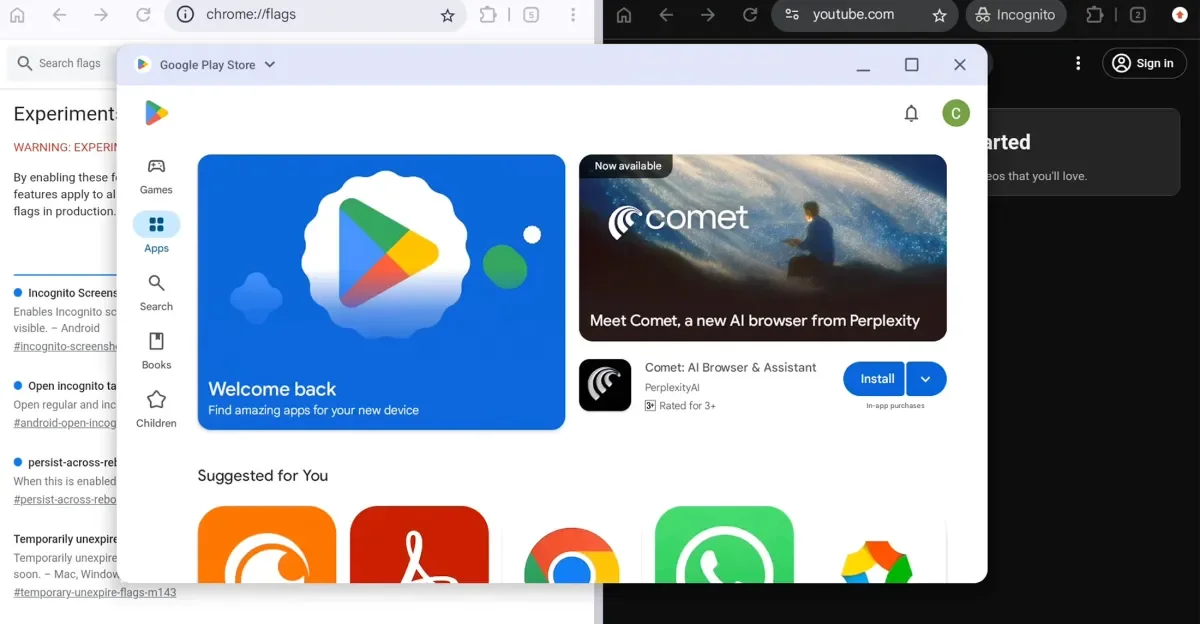
A Google leak reveals Aluminium OS, a ChromeOS/Android hybrid for PCs, shown via Incognito bug-tracker videos on an HP Elite Dragonfly Chromebook, featuring a ChromeOS-like taskbar with a centered Start button, an Android-style status bar, and access to the Play Store with split-screen multitasking.
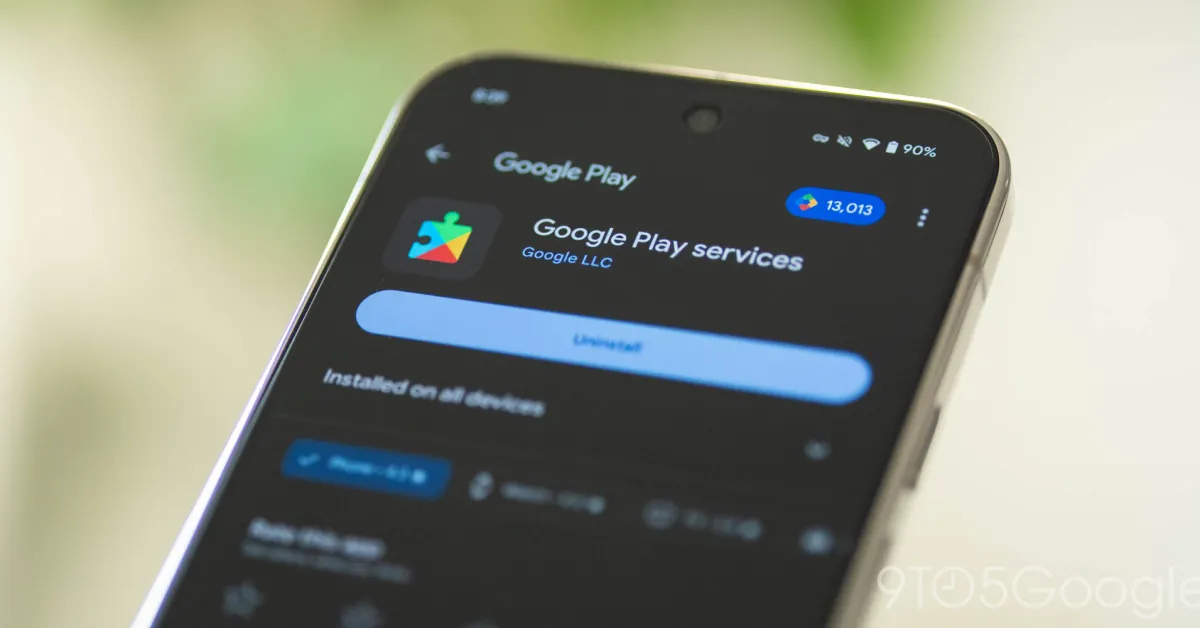
The December 2025 Google System Updates introduce new features and improvements across Android devices, including updates to Play Store, Play Services, and various system apps, with enhancements in account management, security, developer tools, and user experience, alongside wider rollout of previously announced features like QR code scanner redesign and document scanner.
The Supreme Court declined Google's request to block court-mandated changes to the Google Play Store following a legal victory by Epic Games, requiring Google to allow third-party app stores, share app catalogs, and permit alternative payment methods, with some provisions set to take effect soon. Google plans to continue its legal appeal, while Epic Games celebrates the decision that could increase competition and user choice in app payments.
Google released its August 2025 system updates for Android and related devices, introducing new features such as improved account management, Wi-Fi sync, enhanced autofill security, and updates to the Play Store and Play Services, aimed at both end users and developers.
After losing a court case to Epic, Google is seeking an emergency stay to delay implementing court-mandated changes to its Play Store and Android ecosystem, which include allowing third-party payment systems, app links outside the Play Store, and supporting third-party app stores, with a potential rollout not before 2026.
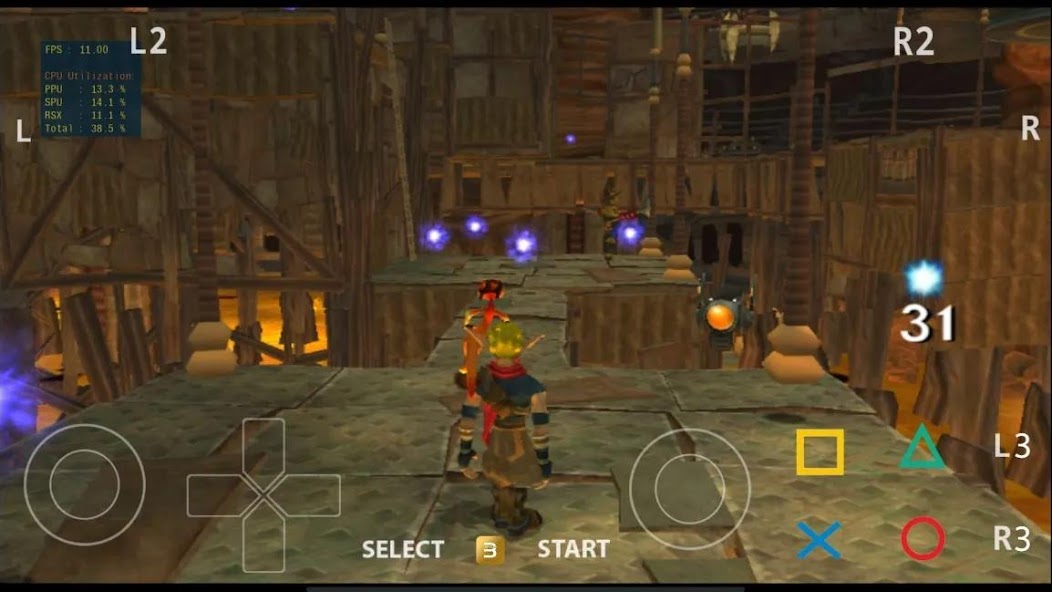
A native PS3 emulator called aPS3e has been released on the Google Play Store, allowing Android users to run PS3 games, though it currently faces issues like crashes and performance bugs, and is recommended for high-end devices; it is free with a paid premium option and is open-source.
Microsoft and Google are embroiled in a legal and regulatory battle over Microsoft's attempt to launch a new Xbox game store for Android. The store's launch is contingent on a court ruling that would alter Google's Play Store policies, allowing Microsoft to bypass Google's 30% cut on in-app purchases. However, a temporary administrative stay has blocked these changes, delaying Microsoft's plans to sell and stream games directly through its Xbox app on Android. The dispute highlights ongoing tensions between the two tech giants over cloud gaming and app store policies.
Google has paused its global experiment to expand real-money games on the Play Store due to regulatory challenges, particularly in regions without a central authority to approve such apps. The company will continue to support apps from existing pilot programs in India and is working on a suitable framework and service fee structure for these games.
A judge has ordered Google to calculate the costs of complying with Epic Games' demands to allow the Epic Games Store to operate within the Google Play Store and access its entire app catalog. Google must provide detailed tech and economic cost estimates by June 24, 2024, with a final hearing set for August 14th.
Google is updating the Play Store's biometric verification feature, eliminating the need to enter your account password when setting it up for the first time, making it more convenient for users. This change will take place in the "coming weeks," allowing users to quickly enable biometric verification for app store purchases without the hassle of entering their Google account password.
Google is prompting Android users to switch to biometric authentication for purchase verification in the Play Store, eliminating the need for entering a Google Account password. The company is simplifying the biometric set-up process and offering options for verification frequency. Users will soon be able to use their fingerprint or face to confirm purchases, and Google advises caution in storing biometrics on devices and sharing passwords.
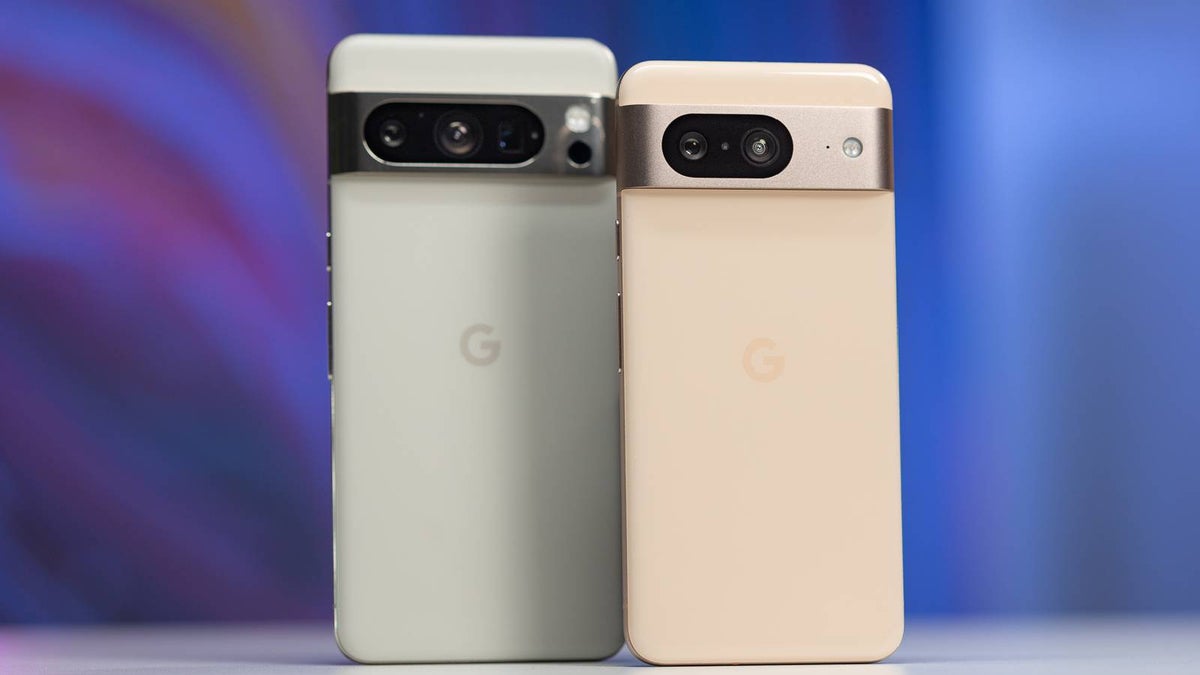
Google is offering a Super Weekly Prize giveaway for 200 Play Store users on the Gold, Platinum, or Diamond level of the Play Points rewards program, with a chance to win a Pixel 8 or 8 Pro, along with Google Play Points. The giveaway runs from March 29 to April 4, and winners are chosen at random. No one has claimed a Pixel 8 or 8 Pro yet, making it a generous opportunity for those interested in the new phones.
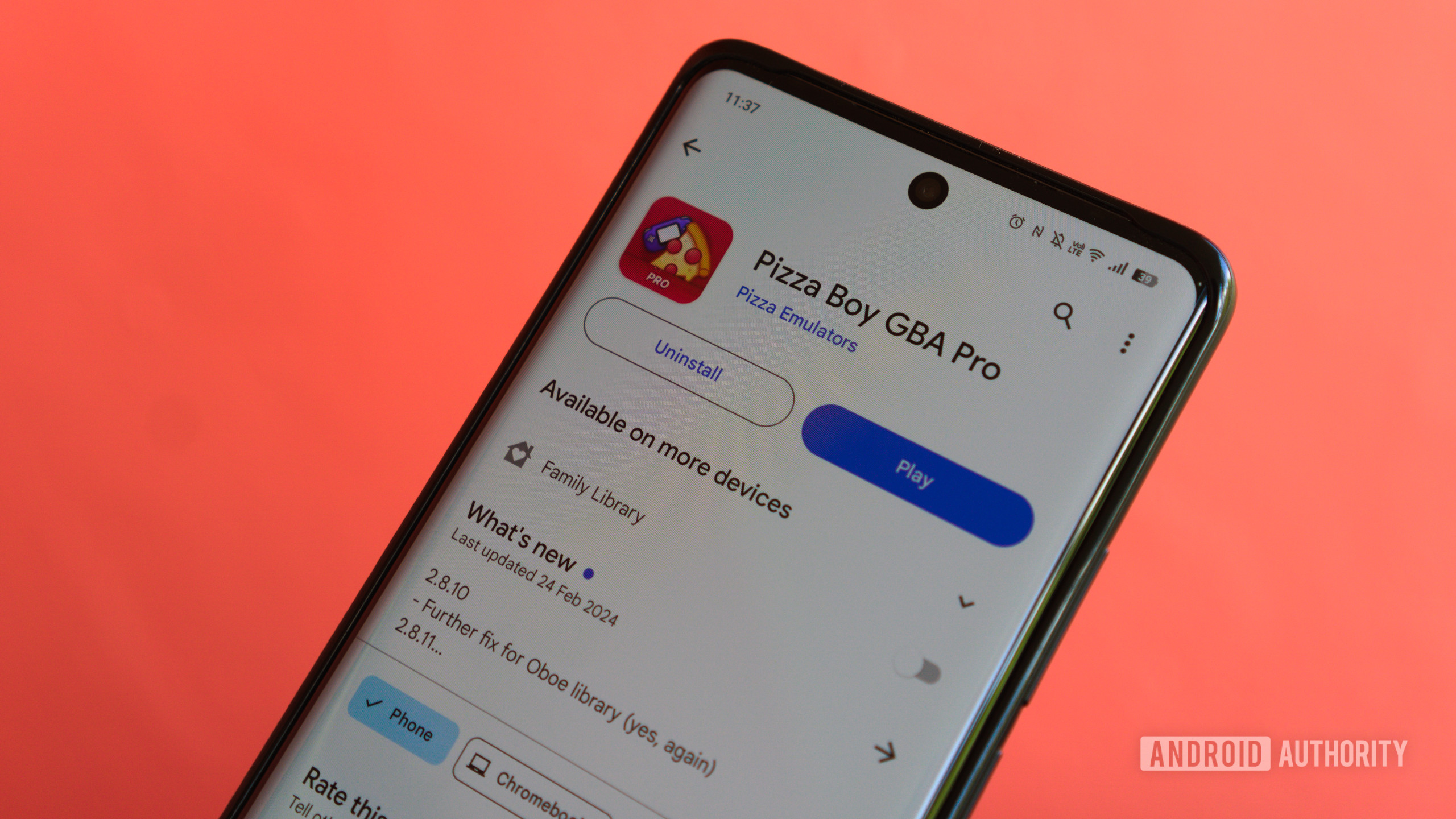
Following Nintendo's crackdown on the Yuzu emulator, several other emulators for Android have been pulled from the Play Store or shut down entirely. Developers of popular emulators for Game Boy, Game Boy Color, Game Boy Advance, Nintendo DS, and Nintendo Switch have announced their removal from the Play Store, with some attributing the decisions to Nintendo's actions. Additionally, emulators for PlayStation One and PlayStation 2 have also faced issues, with one being pulled from the Play Store and another developer expressing frustration with Google's real name policy. The Android emulator ecosystem is currently facing turmoil due to these developments, but there is hope with the upcoming launch of the Cassia emulator for running PC games on Android in the second half of 2024.
Google has revealed new fees for its External Offers program as part of its compliance with Europe's Digital Markets Act, including an initial acquisition fee of 10% for in-app purchases or 5% for subscriptions and an ongoing services fee of 17% for in-app purchases or 7% for subscriptions. Developers can opt out of the ongoing services after two years with user consent, but will still be responsible for reporting transactions involving those users. Google also launched two other programs to allow alternative billing systems for in-app purchases, expanding them to all developers reaching EEA users.
India's Information Technology Minister Ashwini Vaishnaw criticized Google's removal of several Indian apps from its Play Store due to non-compliance with in-app payment guidelines, stating that such de-listing cannot be permitted. The dispute stems from Indian startups' efforts to resist Google's imposition of a fee on in-app payments, despite court decisions allowing the fee or app removal. The removal has sparked criticism from affected startups, including Matrimony.com and Info Edge, with concerns about revenue impact. This ongoing conflict reflects the broader tensions between tech giants and Indian startups over app store policies and fees.