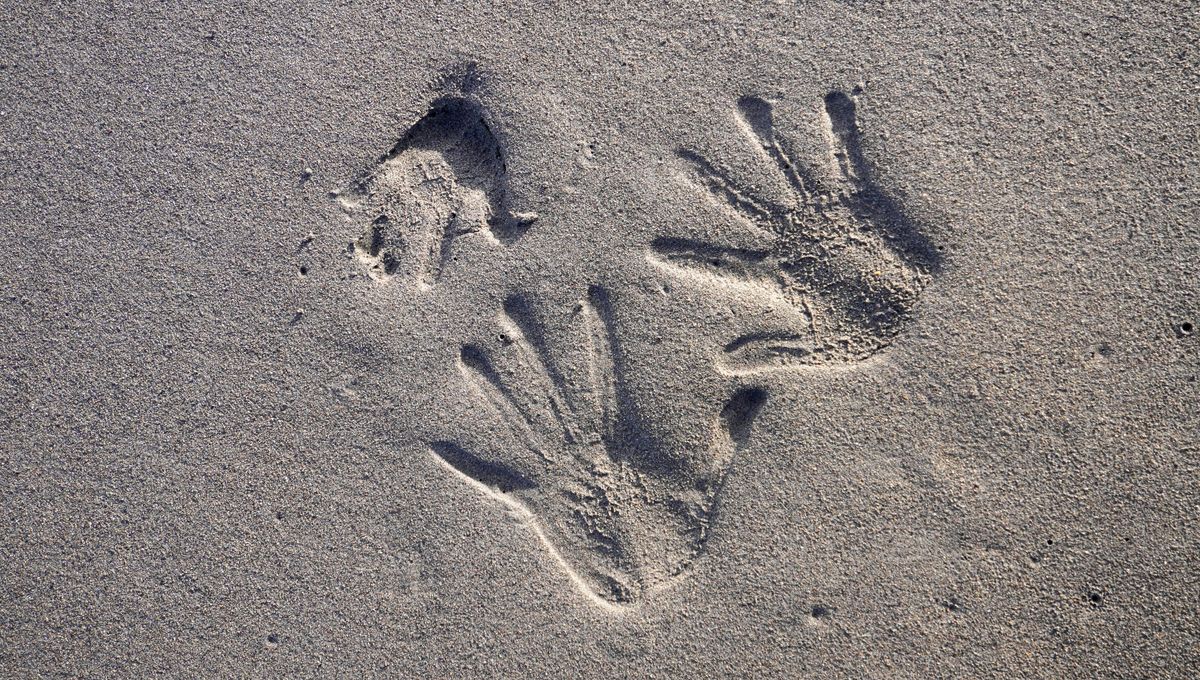
Scientists have discovered that humans possess a 'remote touch' sense, allowing them to detect buried objects in loose materials like sand with about 70% accuracy, outperforming robots in the same task, which opens new possibilities for fields like archaeology, forensics, and planetary science.
Scientists have discovered a new 'seventh sense' in humans called remote touch, which allows people to detect objects buried in granular materials like sand with high precision, similar to shorebirds. Experiments showed humans can sense objects up to nearly 7 cm away, and robotic sensors trained with AI could replicate this ability, opening new possibilities for exploration and technology development. This discovery broadens our understanding of human perception and has potential applications in archaeology, space exploration, and robotics.
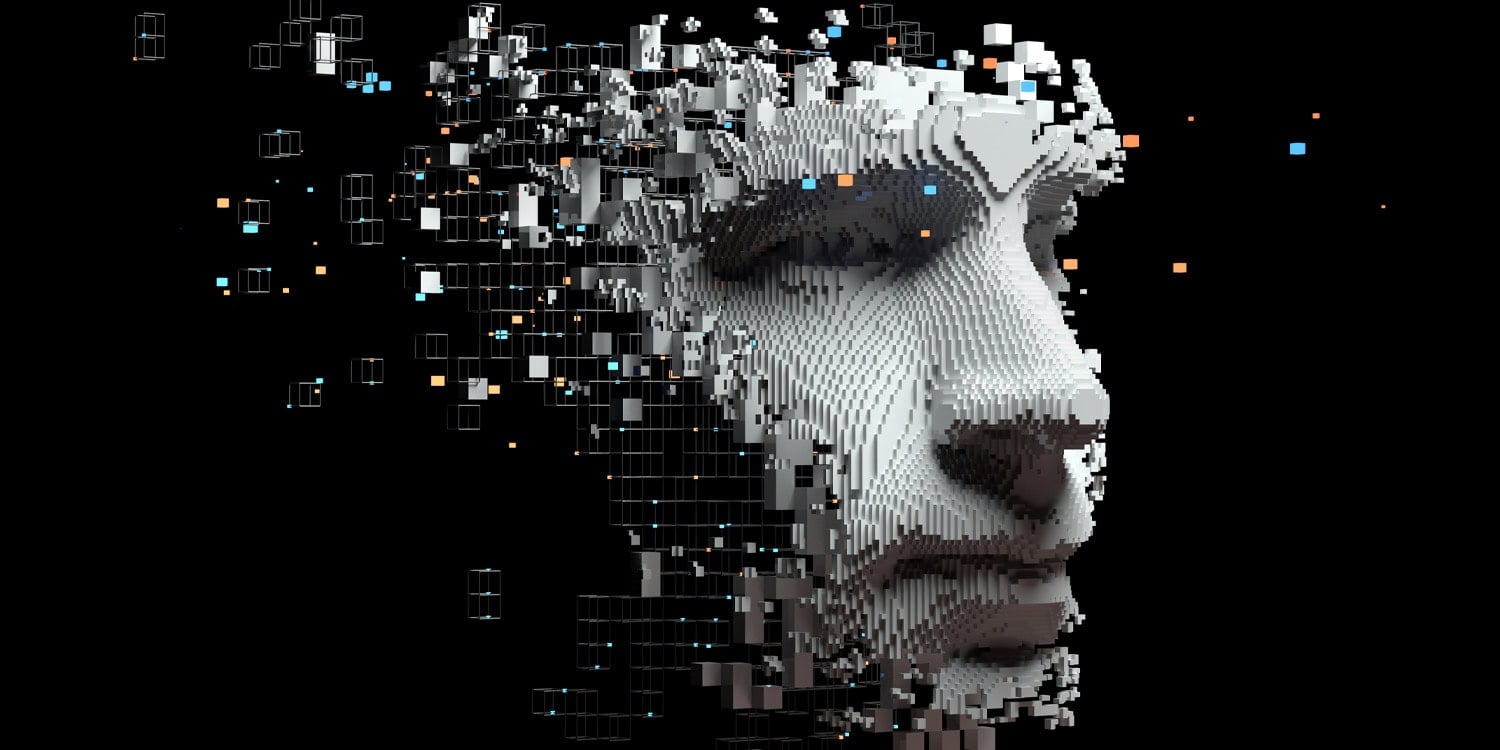
Research shows that interacting with emotionally intelligent AI can lead people to perceive humans as less human, increasing the risk of mistreatment; this phenomenon, called assimilation-induced dehumanization, occurs when AI's humanlike qualities blur the line between humans and machines, especially when AI displays moderate emotional skills, but reverses when AI capabilities are extreme or purely cognitive.
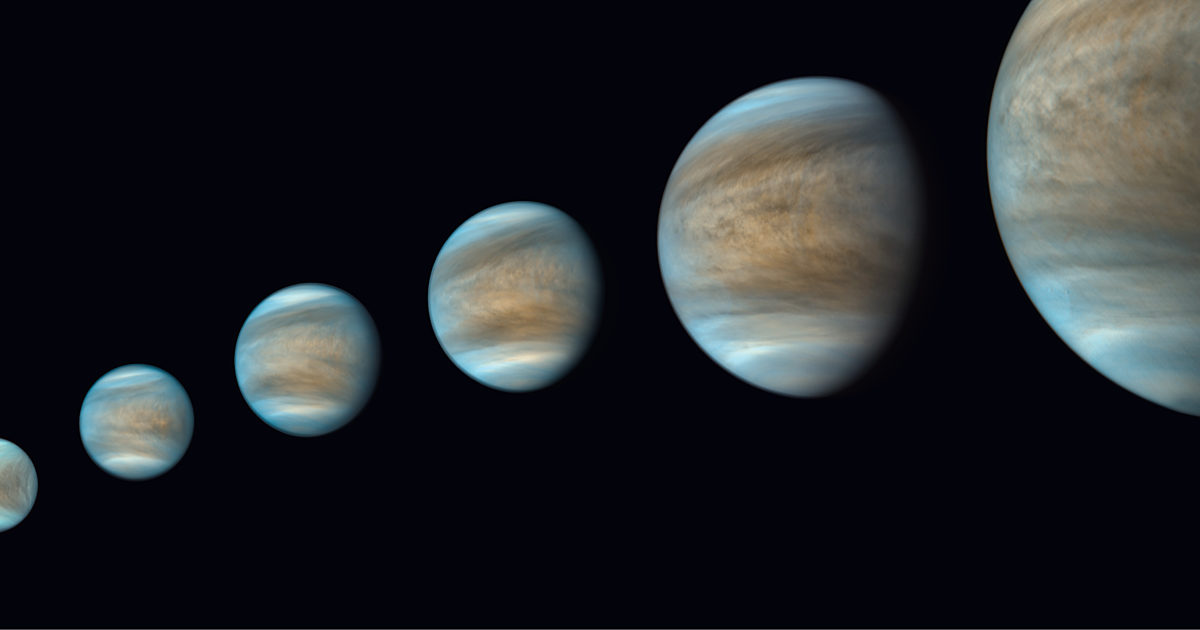
The colors we perceive in images of planets from space probes are not necessarily what our eyes would see, as space cameras capture images using specific wavelengths of light. Mercury appears gray and slightly brownish, Venus is bright white with yellow-beige hues, Earth is captured fairly accurately by color cameras, Mars varies in color due to its changing distance from the Sun, Jupiter displays brilliant cloud bands and spots, Saturn appears pale yellow-beige with pastel cloud bands, Uranus is pale greenish-blue, and Neptune is pale blue with a hint of green. The true colors of these planets are subjective and can be affected by factors such as distance from the Sun and image processing.
The idea that machines allow us to see true has long been outmoded. The interpretive flexibility that pervades data collection has been especially well described in the sciences. The problem lies with our continued reliance on two-cultures dichotomies, in which objectivity and subjectivity can be neatly separated and human messiness can somehow be avoided in data collection performed by humans. When we imagine that datasets of properties like step counts speak for themselves, we negate the responsibility we hold for determining which properties will be expressed as data, in what form, and with what parameters.