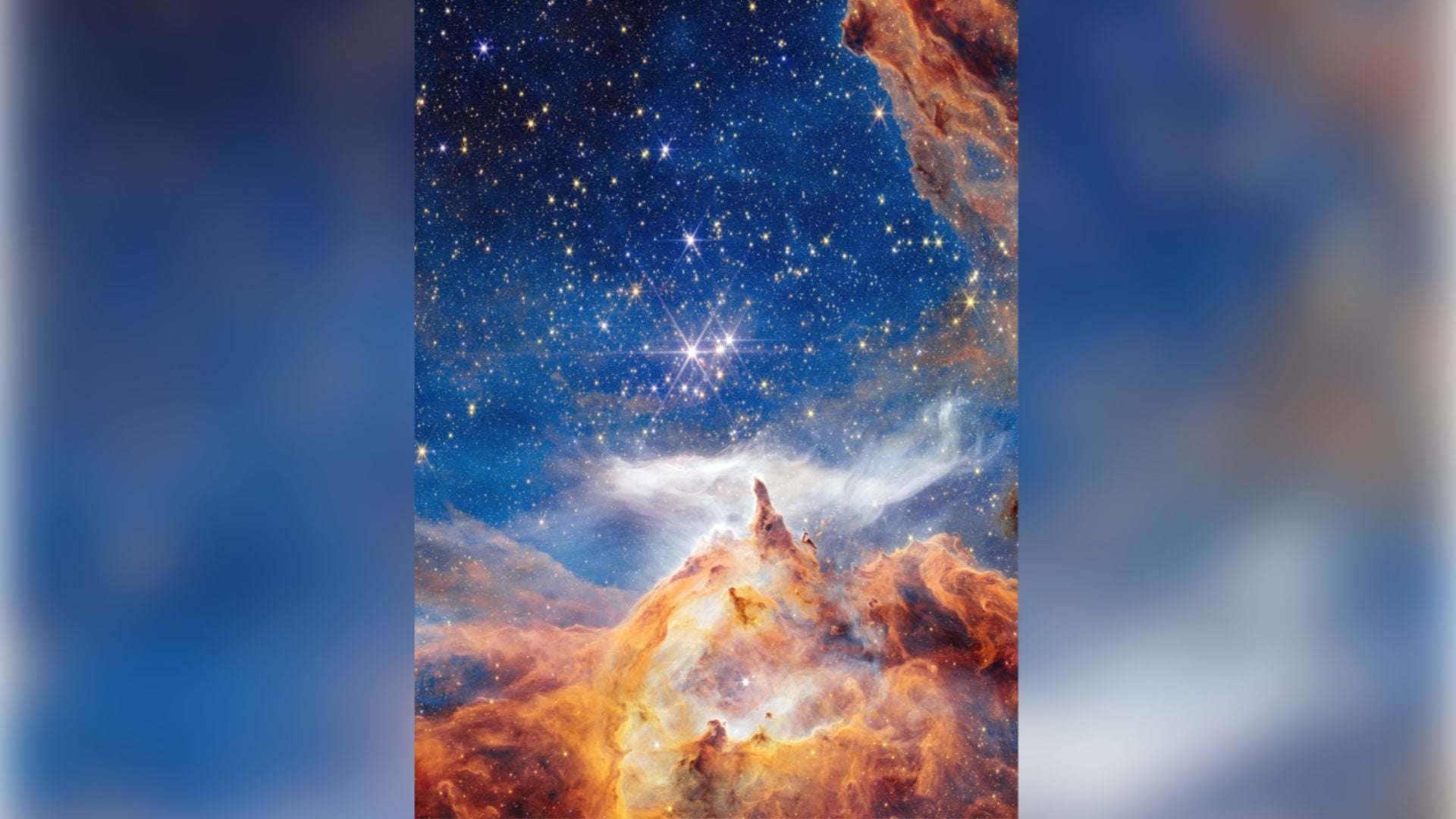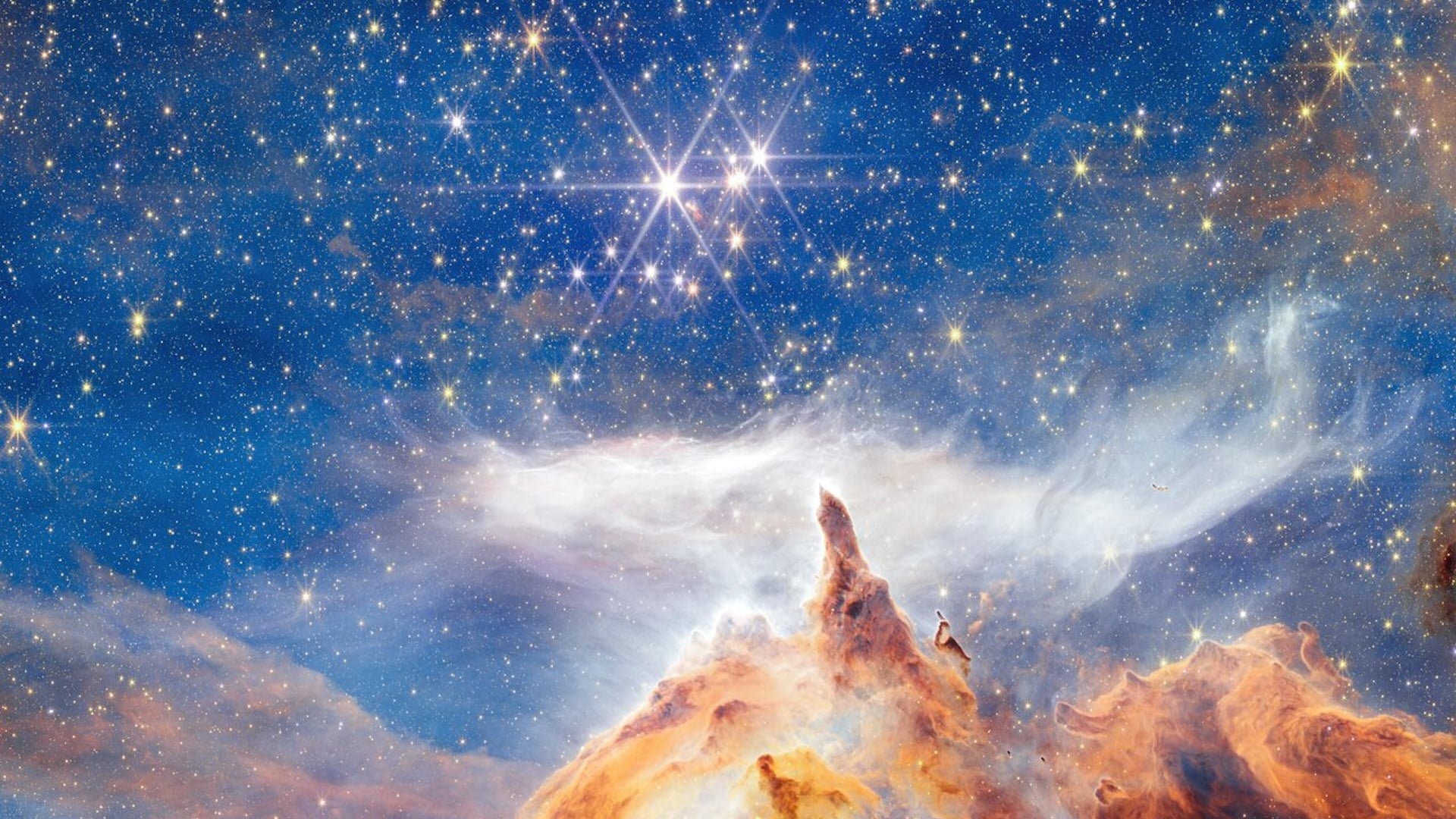
The James Webb Space Telescope captured a stunning infrared image of Pismis 24, a young star cluster in the Lobster Nebula, revealing massive stars and intricate gas and dust structures, highlighting star formation processes in our galaxy.
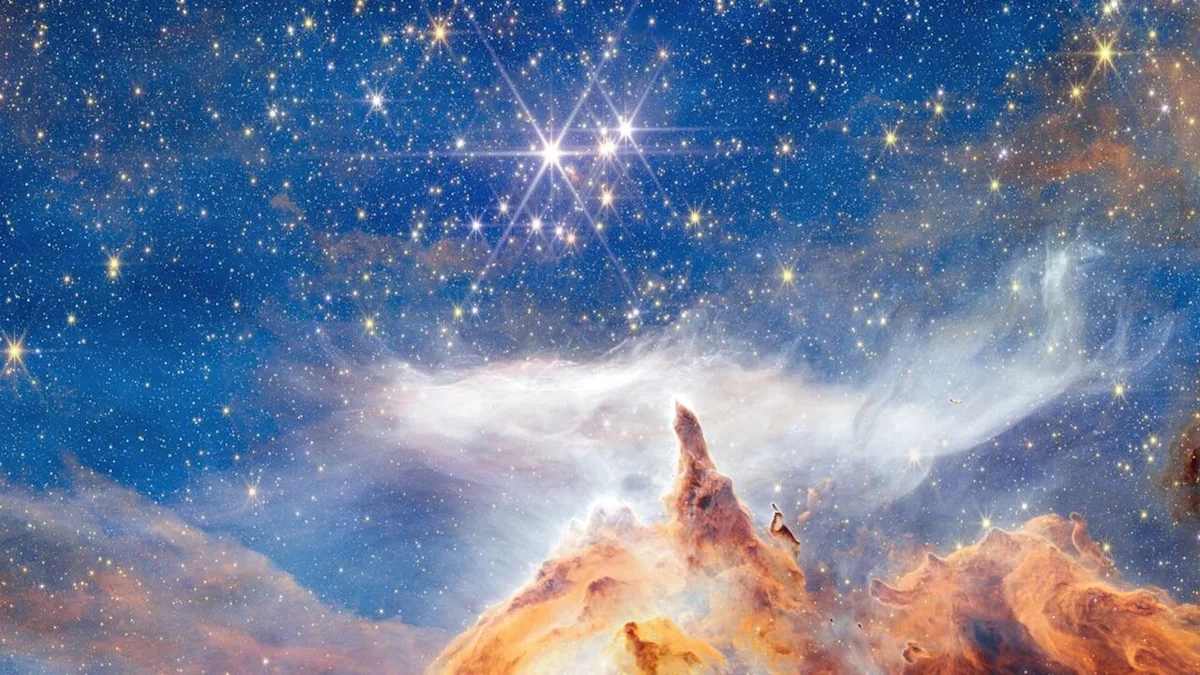
The James Webb Space Telescope captured a stunning infrared image of Pismis 24, a young star cluster in the Lobster Nebula, revealing massive stars and intricate gas and dust structures, showcasing the dynamic star formation process in our galaxy.
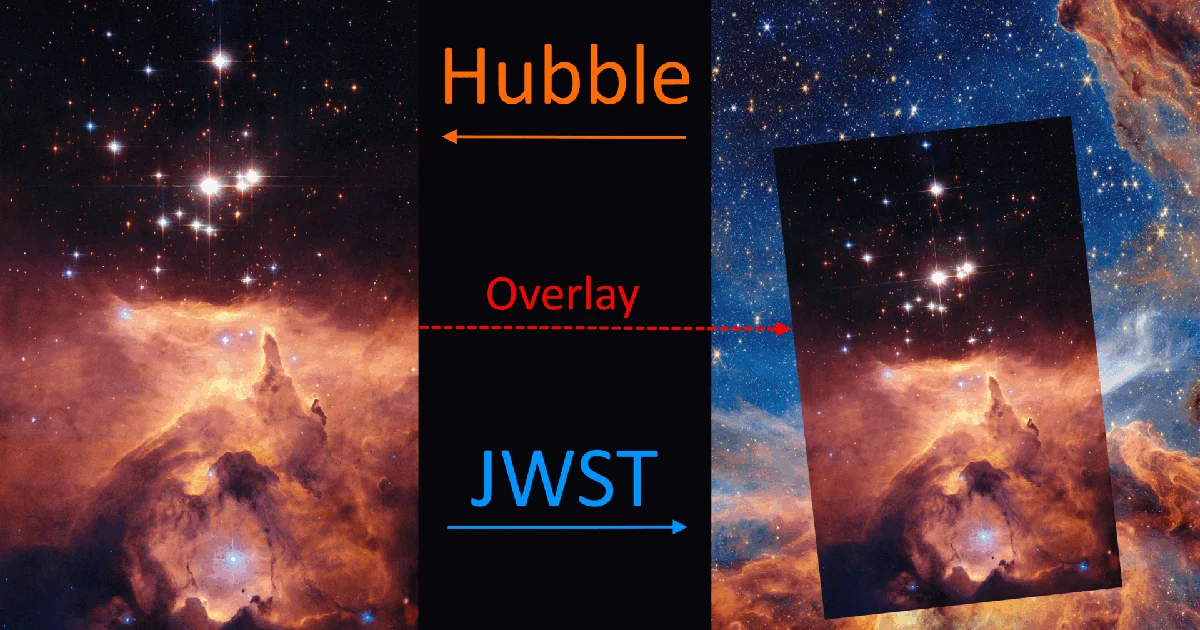
The James Webb Space Telescope (JWST) has provided a groundbreaking infrared view of the star cluster Pismis 24, surpassing Hubble's capabilities by revealing many more stars and features hidden by dust, thanks to its ability to peer through dense gas and dust clouds. This allows for a deeper understanding of star formation processes in the Milky Way.
NASA's Webb Space Telescope captured a stunning image of a star-forming region 5,500 light-years away, showcasing thousands of newborn stars and a massive cloud of dust and gas called the Lobster Nebula, highlighting the ongoing process of star formation in our universe.
NASA's Webb Space Telescope captured a stunning image of a star-forming region 5,500 light-years away in the constellation Scorpius, showcasing thousands of newborn stars amidst a massive cloud of dust and gas called the Lobster Nebula.
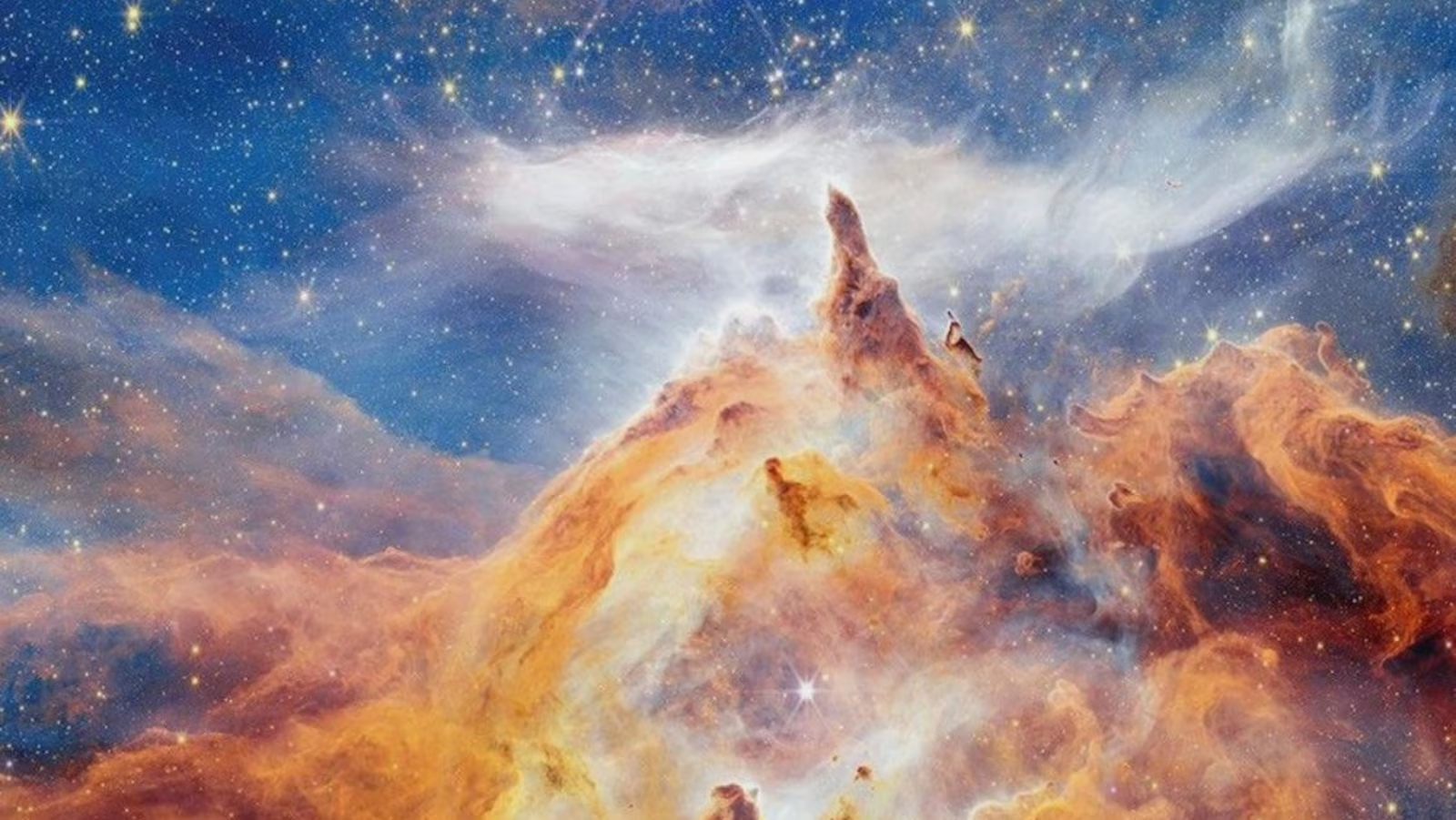
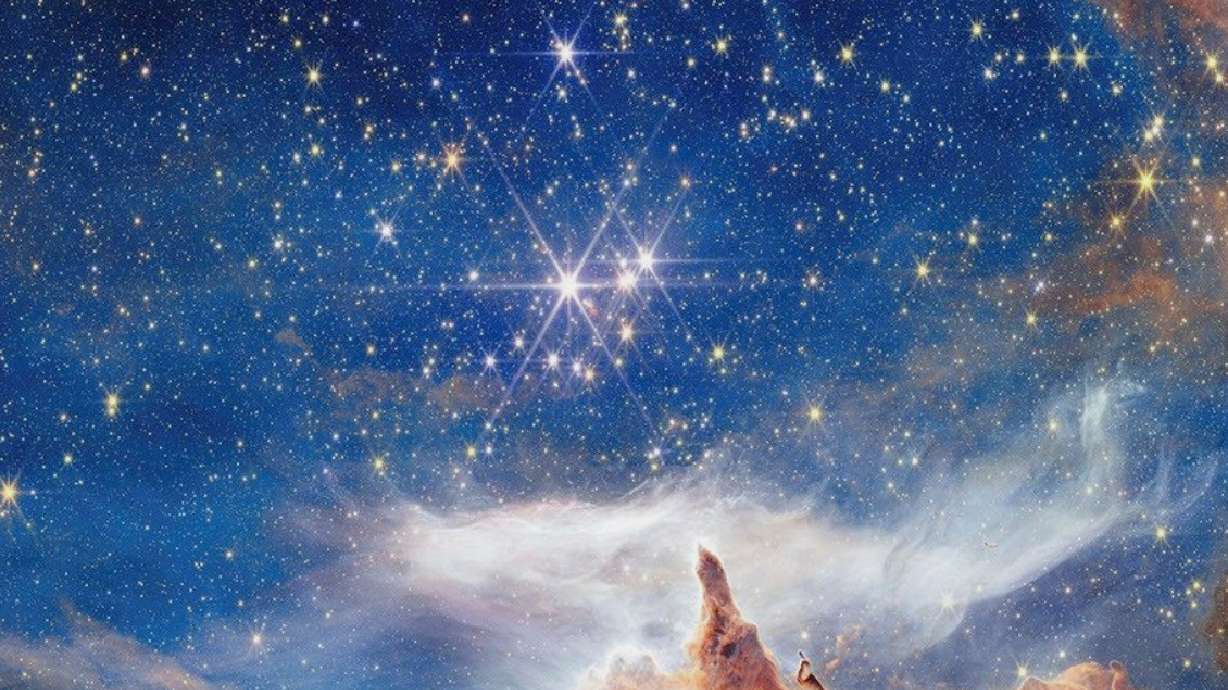
The James Webb Space Telescope captured a detailed near-infrared image of the Lobster Nebula (NGC 6357) about 5,500 light-years away, revealing a complex scene of massive stars, molecular gas spikes, and star formation processes within a vast stellar nursery, including a triple star system in the Pismis 24 cluster.
NASA's James Webb Space Telescope captured a detailed infrared image of the star-forming region Pismis 24 in the Lobster Nebula, revealing thousands of stars, massive young stars, and sculpted gas and dust structures, providing new insights into the process of star birth and the properties of massive stars.