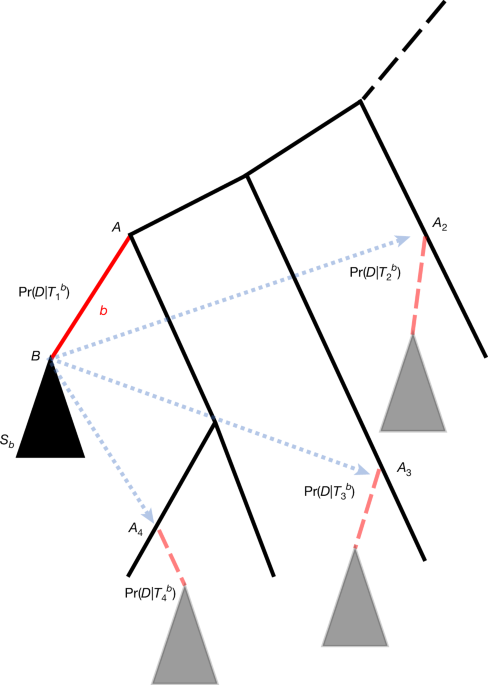
The article introduces SPRTA, a new computational method for assessing confidence in phylogenetic trees at pandemic scales, addressing limitations of existing support measures by focusing on mutational origins rather than topology, and demonstrating its efficiency and accuracy in large SARS-CoV-2 datasets.

Recent research challenges traditional views on the rate of evolution by demonstrating that measurement errors and statistical noise, rather than biological factors, may explain the apparent rapid early evolution and subsequent slowdown, urging scientists to adopt more rigorous statistical methods to better understand true evolutionary patterns.
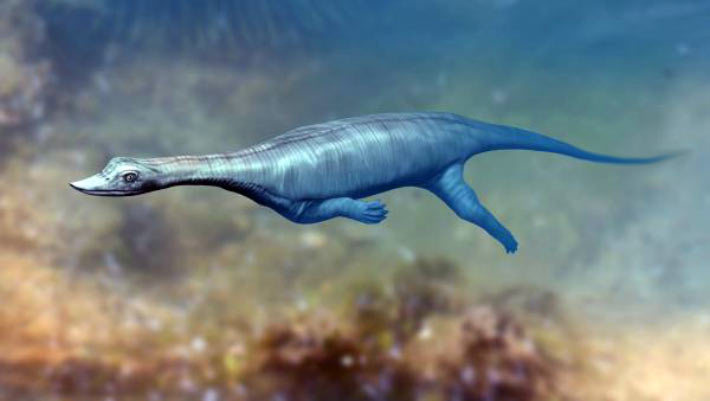
Paleontologists have discovered a new species of pachypleurosaur, Dianmeisaurus mutaensis, from the Middle Triassic period in southwestern China. This ancient marine reptile, resembling an aquatic lizard, was found in the Guanling Formation and is related to Dianmeisaurus gracilis. The discovery provides insights into the phylogenetic relationships and biogeographic origins of eosauropterygians, challenging previous views on their monophyly. The findings were published in the Swiss Journal of Palaeontology.
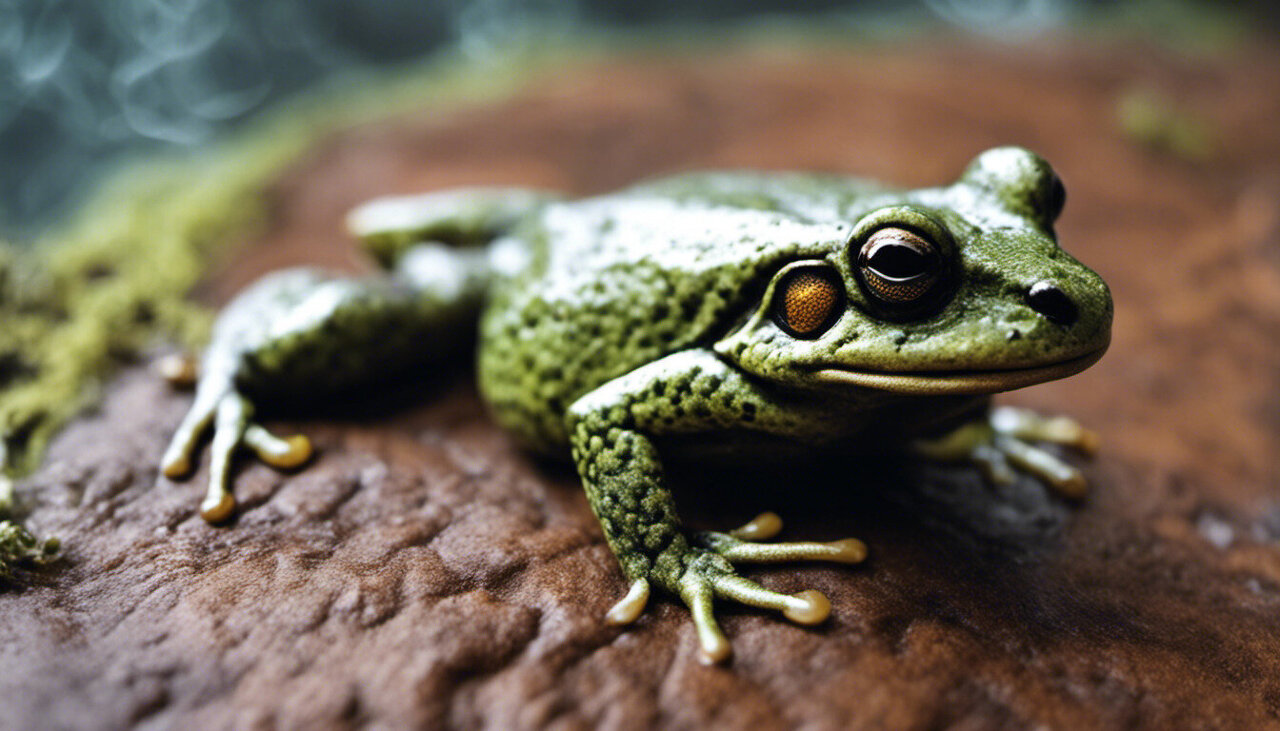
Researchers have unveiled a comprehensive evolutionary tree of frogs, based on genetic data from 5,242 frog species. The study suggests that frogs began evolving into the thousands of species we see today around 180 million years ago, tens of millions of years later than previously thought. The research provides a valuable resource for understanding frog evolution and opens up new avenues for studying anuran amphibians.