Merck is in negotiations to acquire biotech firm Revolution Medicines, with the deal not yet finalized and other bidders potentially involved, causing Revolution's shares to rise.
Novo Nordisk's stock, after a significant decline in 2025 due to competition and market pressures, could rebound strongly in 2026 with the FDA approval of its oral Wegovy pill, a major development in obesity treatment. The new pill is expected to boost the company's growth prospects, potentially leading to a substantial stock price increase and making it an attractive investment opportunity, especially if the company maintains or exceeds its current growth rate.
BioMarin is acquiring Amicus Therapeutics for $4.8 billion to expand its portfolio in rare disease treatments, including marketed products Galafold and Pombiliti + Opfolda, which generated $599 million in revenue over the past four quarters. The deal aims to accelerate revenue growth, diversify BioMarin's product offerings, and create shareholder value, with the transaction expected to close in Q2 2026 and be immediately accretive to earnings.
The FDA's top drug regulator, Dr. George Tidmarsh, resigned amid federal investigations into his personal conduct and a lawsuit from Aurinia Pharmaceuticals alleging false statements and misconduct related to his previous business associations, highlighting ongoing leadership turmoil at the agency.
President Donald Trump is set to announce a deal with AstraZeneca to sell its drugs to Medicaid at a discount, marking the second company to agree to the administration's efforts to lower drug prices.
Novo Nordisk's shares declined 2.4% after announcing a $4.7 billion acquisition of U.S. biotech firm Akero Therapeutics, which saw its shares rise 19.6% pre-market; the deal includes a contingent value right that could add $500 million. The market also responded to HSBC's privatization bid for Hang Seng Bank, European tariff changes, political developments in France, and significant moves in Asian and U.S. markets.
AstraZeneca has signed a $555 million deal to utilize artificial intelligence for identifying targets in immunology research, aiming to enhance drug discovery and development in this field.
Pfizer is nearing a $7.3 billion acquisition of Metsera, a company specializing in anti-obesity drugs, as part of its strategic expansion in the pharmaceutical sector.
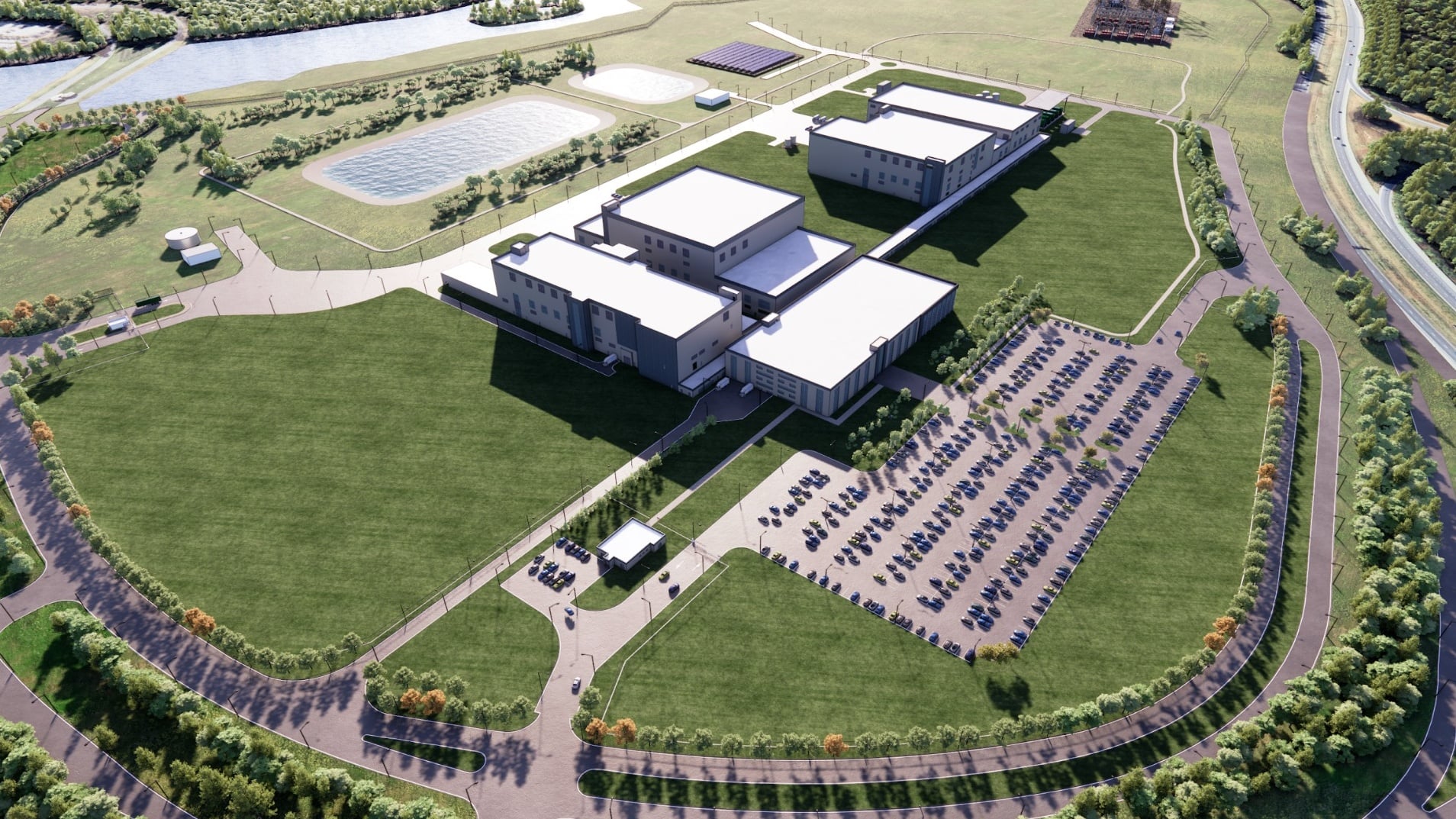
Eli Lilly plans to invest $5 billion to build a new pharmaceutical manufacturing facility in Goochland County, Virginia, as part of a $50 billion U.S. expansion, creating 650 permanent jobs and 1,800 temporary construction jobs, with the facility focusing on cancer and autoimmune treatments.
The CEO of Kenvue, maker of Tylenol, reportedly urged RFK Jr. not to link the drug to autism, amid plans by his agency to release a report suggesting a connection between acetaminophen and autism risk, despite inconclusive scientific evidence and potential legal and reputational repercussions for the company.
AbbVie stock surged after securing a patent extension for Rinvoq until April 2037, protecting its revenue from generic competition and supporting its long-term growth prospects, with the drug's sales and potential new indications expected to further boost the company's performance.
Eli Lilly's obesity drug underperformed in clinical trials, leading to a 14% drop in its shares, disappointing investors and raising concerns about its future prospects.
AstraZeneca has chosen Virginia for its largest global manufacturing facility, part of a $50 billion U.S. investment plan, aiming to create highly skilled jobs and strengthen the domestic pharmaceutical supply chain, leveraging advanced technologies in biopharmaceutical production.
Sandoz has expanded a nationwide recall of one lot of Cefazolin for Injection after discovering some vials were mislabeled as Penicillin G Potassium, which could pose serious health risks if administered. No adverse events have been reported, but the company is urging healthcare providers and customers to stop using the affected product and return it.