Tag

Phaethon

All articles tagged with #phaethon

Get Ready for the Spectacular Geminid Meteor Shower of 2023
astronomy2 years ago

Get Ready for the Spectacular Geminid Meteor Shower of 2023

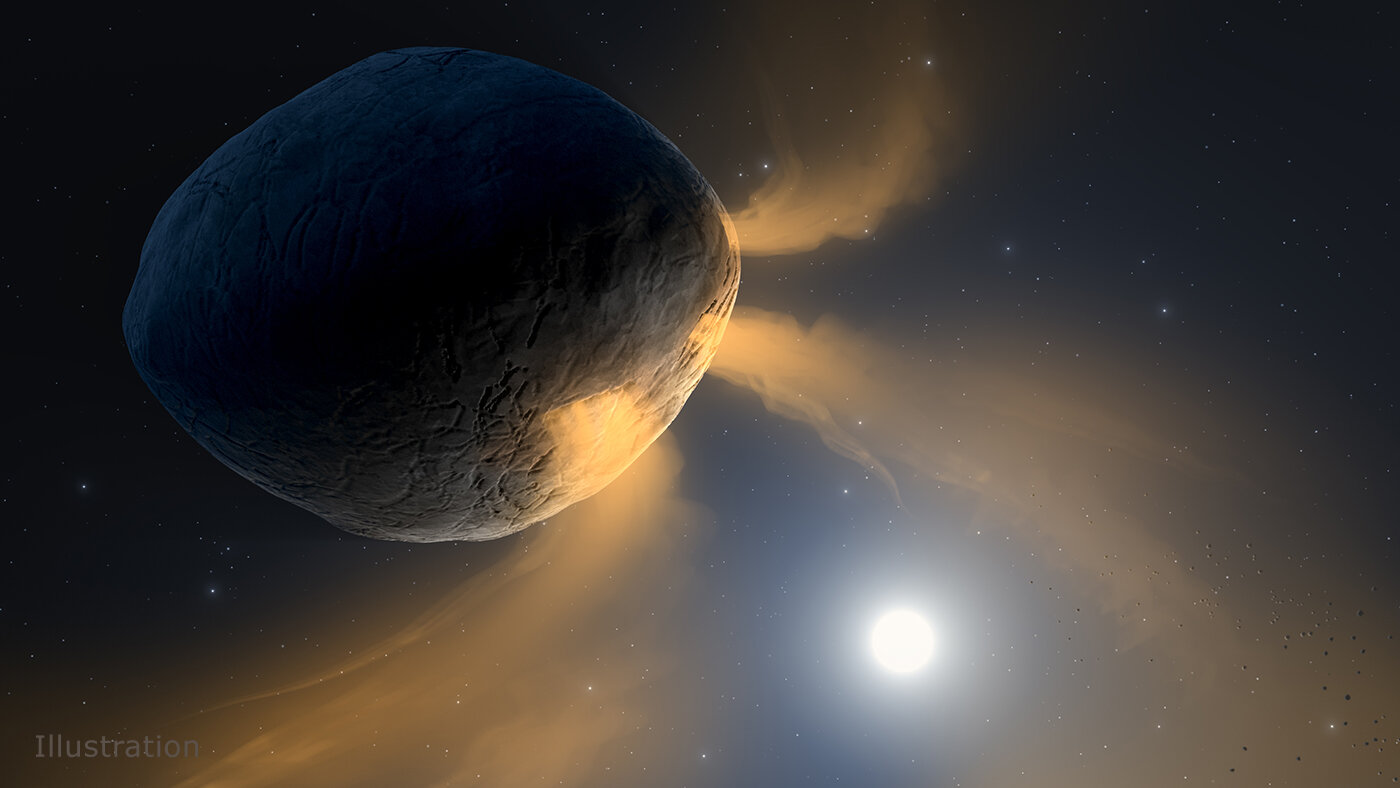
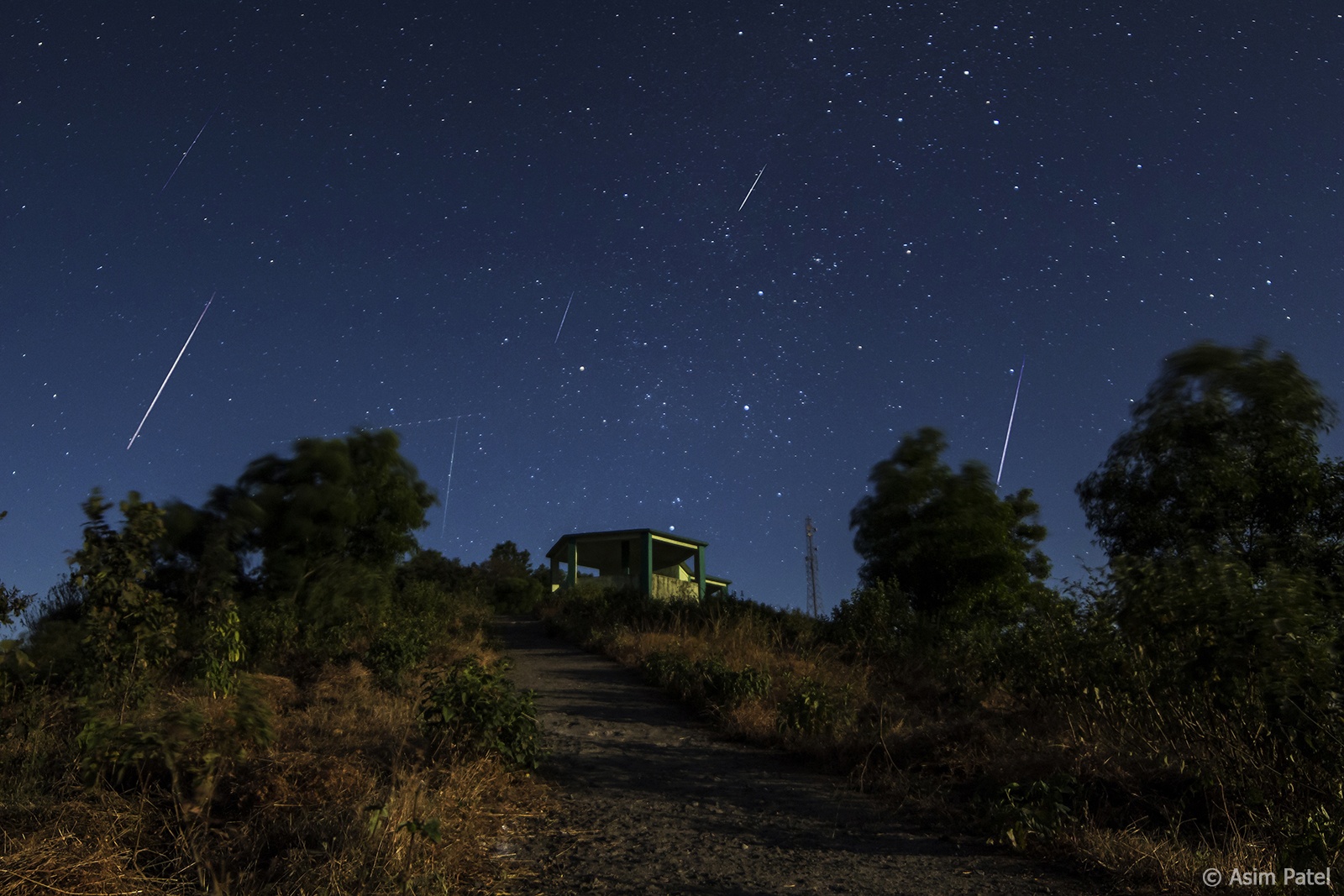
The annual Geminid meteor shower will peak around 2 AM on Wednesday night, with about 120 meteors an hour streaking across the night sky. The Geminids are debris left in the wake of the asteroid 3200 Phaethon, which is on a stretched-out, elliptical orbit like a comet. Earth will be passing through the densest part of the trail of dust and tiny space rocks that create the Geminids' bright fireballs in the sky, making this week prime viewing time. To see the meteor shower, find a dark location away from city lights, lie on your back, and give your eyes time to adjust to the darkness.
Parker Solar Probe Uncovers Origin of Geminid Meteor Shower
astronomy2 years ago

Parker Solar Probe Uncovers Origin of Geminid Meteor Shower

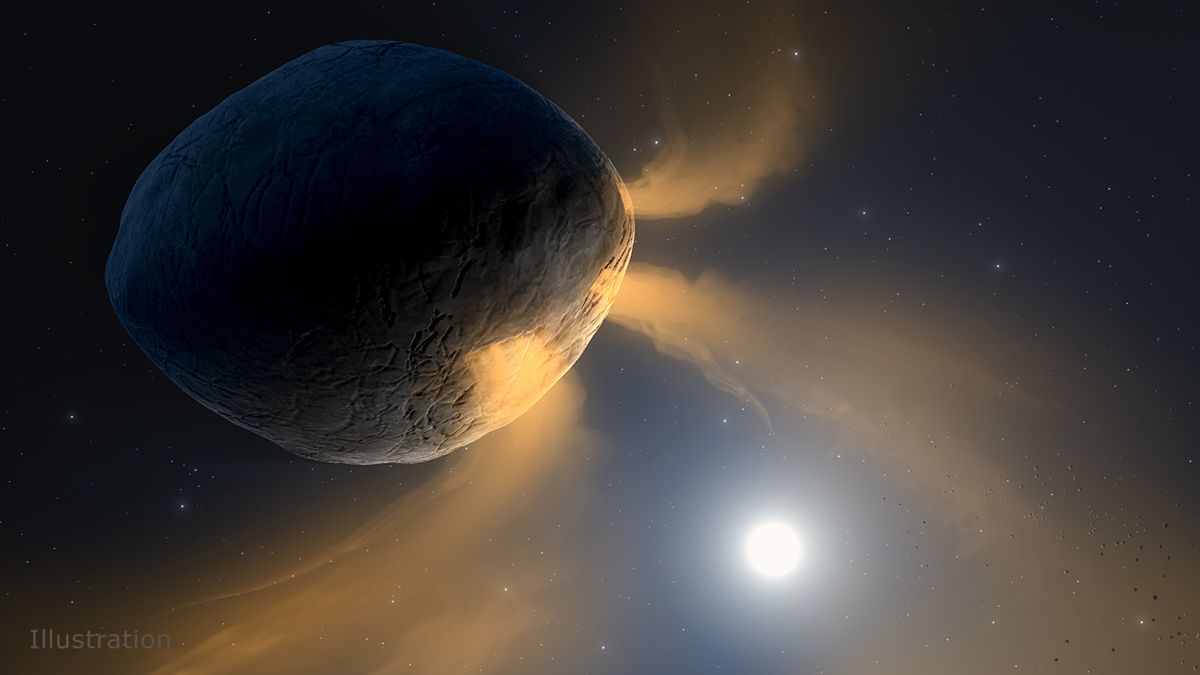
The origin of the Geminid meteor shower, which occurs in December, has been a mystery for a long time. While most meteor showers are caused by comets, the Geminids had no corresponding comet until an asteroid called 3200 Phaethon was discovered in 1983. A new study using data from the Parker Solar Probe suggests that the Geminids were not formed gradually as dust accumulated with each of Phaethon’s orbits, but rather due to an impact event where Phaethon was struck by a smaller asteroid. This violent burst approach explains the strength of the Geminids and addresses one of the problems with the "dusty comet" model.

Solving the Mystery of Asteroid Phaethon's Comet-like Tail.
astronomy2 years ago

Solving the Mystery of Asteroid Phaethon's Comet-like Tail.

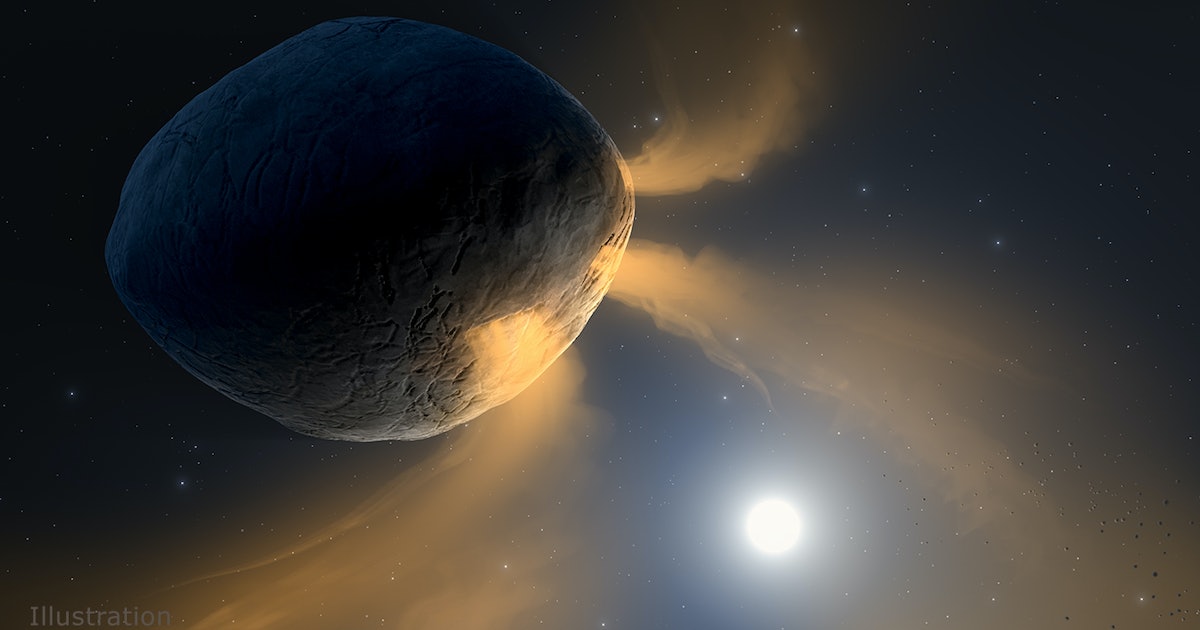
Astronomers observing the asteroid Phaethon, which gives us the Geminid meteor shower every year, have found that its comet-like activity is caused by the emission of sodium atoms, not dust as previously thought. The discovery was made using the Solar and Heliospheric Observatory (SOHO) telescope, which recorded a two-hour sequence of Phaethon on May 15, 2022, as it made its closest approach to the sun. The findings could help shed light on the origins of the Geminids and suggest that other sun-skirting "comets" may actually be rocky asteroids like Phaethon heated up by the sun.

Asteroid's tail composition revealed by solar observatories.
astronomy2 years ago

Asteroid's tail composition revealed by solar observatories.

Solar observatories have revealed that the comet-like tail of asteroid 3200 Phaethon is not made of dust, as previously thought, but is actually made of sodium gas. The asteroid's tail is formed when sodium inside Phaethon's rock vaporizes and vents into space, causing it to brighten like a comet. Phaethon is the source of the annual Geminid meteor shower, even though it is an asteroid and not a comet. The discovery raises questions about other sunskirting 'comets' that may actually be rocky asteroids heated up by the sun.