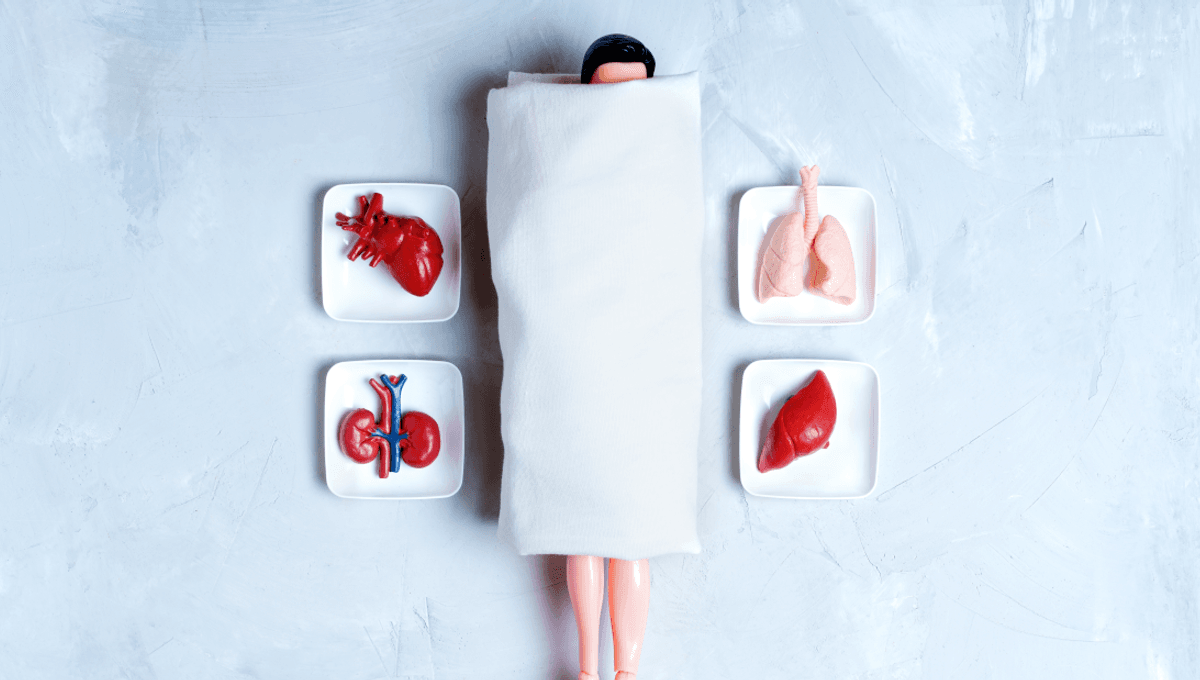
Early studies suggest that around 90% of organ transplant patients experience personality changes, potentially due to physiological influences from the donor organ, such as hormone production and systemic effects, though more research is needed to understand the mechanisms behind these changes.
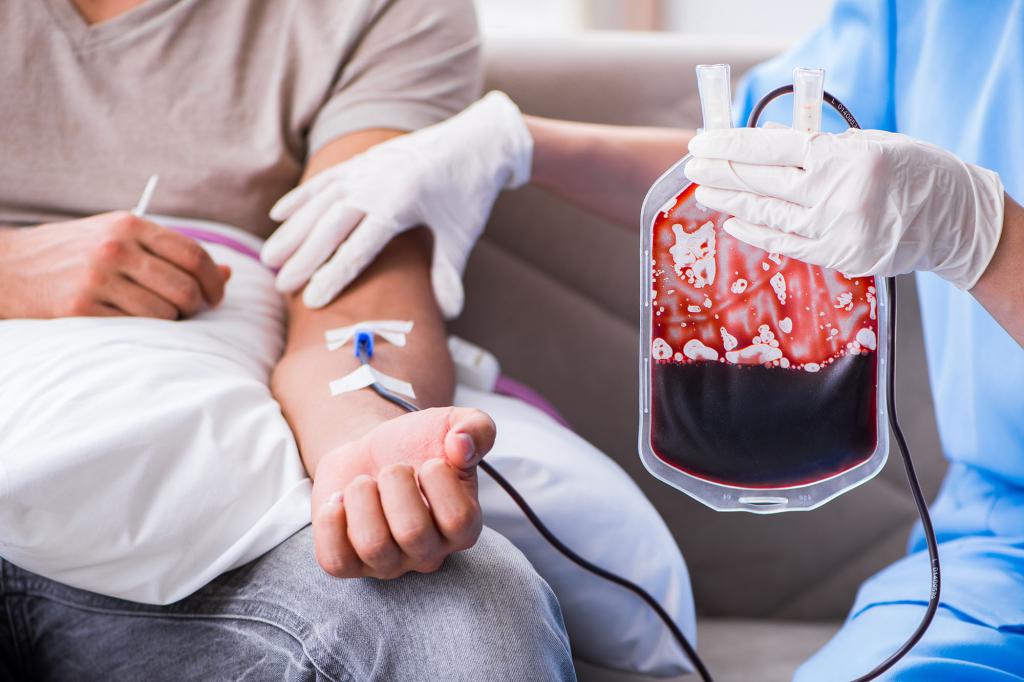
Some recipients of blood transfusions have reported changes in mood, behavior, and memories after the procedure, according to researchers from the University of Geneva. A study from the University of Michigan found that there is a persistent belief that transplants can result in personality changes, despite scientific evidence to the contrary. Another study linked blood transfusions to rare cases of spontaneous brain hemorrhages, suggesting a potential spread of vascular disease. While these effects remain relatively rare, further research is needed to explore the physical and psychological impacts of blood transfusions on recipients.
A UK man's sudden paranoia and personality changes turned out to be symptoms of a brain tumor. Andy Hampton, 54, became convinced his wife was cheating on him and showed disinterest in his family. After experiencing confusion and difficulty with simple tasks, he was diagnosed with glioblastoma, a cancerous brain tumor. Following surgery and ongoing chemotherapy, his mood improved, and he plans to participate in a sponsored walk to raise money for brain tumor research. The story highlights the need for increased funding and research for brain tumors, which can have a significant impact on behavior and quality of life.